On March 29, a brutal gang attack by the Gran Grif gang took place in Haiti’s Artibonite region. The gang, led by leader Luckson Elan, targeted rural areas near Petite-Rivière, including the Jean-Denis neighborhood near Petite-Rivière de l’Artibonite, a vital agricultural hub.
Gran Grif members, led by Luckson Elan, invaded communities, firing indiscriminately, burning over 50 homes, and blocking roads with trenches to delay police response. In an audio message, Elan claimed the assault was retaliation for a rival group’s attack on his base in Savien.
The attack turned into a massacre killing at least 70 people and wounding 30 others, according to human rights groups.
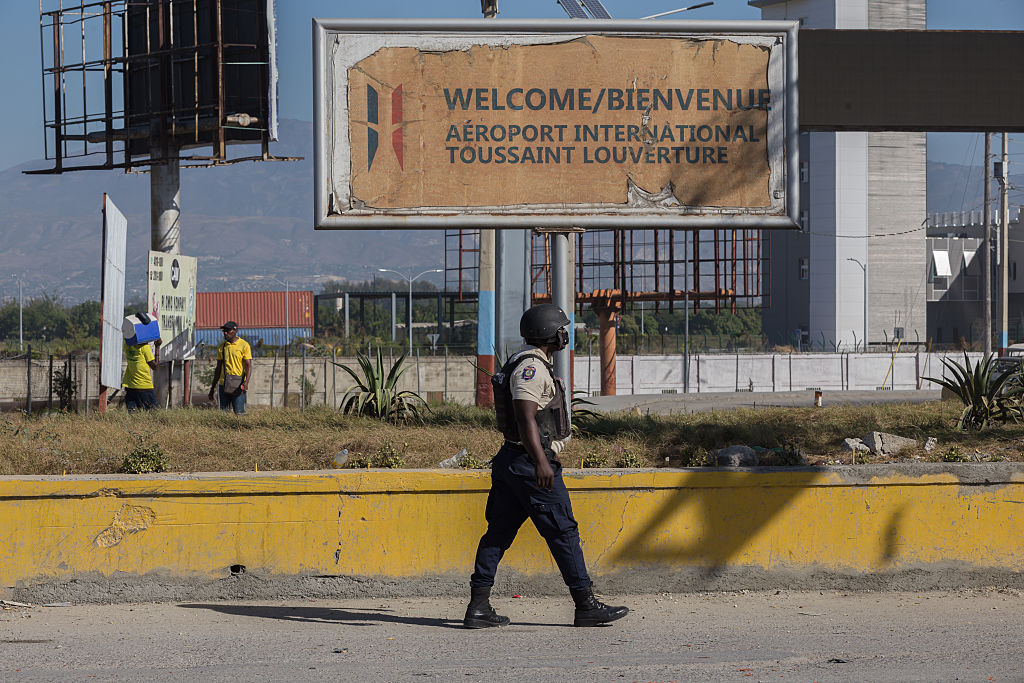
Police, aided by Kenyan forces, intervened Sunday, restoring order and pursuing fleeing gang members, though no arrests were immediately reported.
How did they do it?
Gang members cut off bridges and booby-trapped roads with trenches to prevent the Haitian National Police from reaching the area.
Gunmen entered the area around 3am Sunday and continued the assault into Monday. They reportedly withdrew briefly when police arrived but returned once officers left.
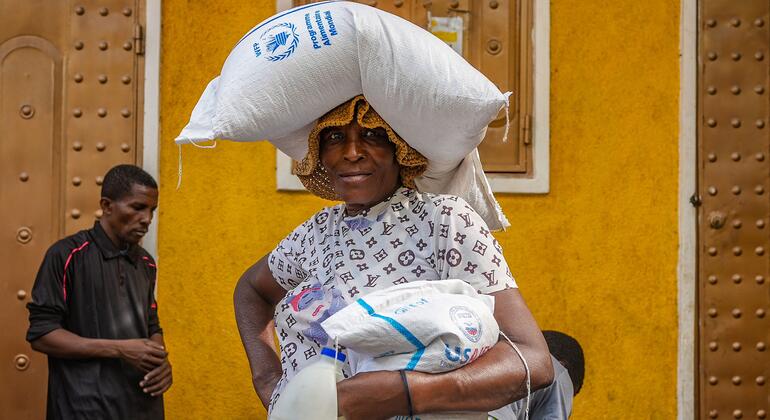
Residents described attackers shooting indiscriminately and, in some cases, burning victims alive inside their homes. Nearly 6,000 residents fled as displaced persons. Victims as young as 13 treated for gunshot wounds at Hospital Saint Nicolas in Saint-Marc, CNN reported.
What led up to this?
This massacre occurred just as the Kenyan-led Multinational Security Support (MSS) mission began to withdraw some troops as part of a scheduled transition to make way for a new, larger force, but creating a high-risk security vacuum in the meantime. The timing of the massacre highlights the fragility of this transition period.
The United Nations Security Council approved the transformation of the MSS into the Gang Suppression Force. This transition involves a phased drawdown of the original mission and the deployment of more robust international personnel.
The new Gang Suppression Force is authorized to field up to 5,500 personnel, a significant increase from the roughly 1,000 officers present at the peak of the Kenyan-led mission.
Chadian troops (approximately 800 personnel) are scheduled to lead the replacement, with initial engineering units arriving in early April 2026 to prepare operational bases. The full transition is not expected to be complete until October 2026.
How did the Haitian government and international community react?
The Haitian National Police initially reported a much lower death toll of 16 to 17 people, while human rights organizations and the UN have confirmed at least 70 to 80 deaths.
Authorities stated they deployed three armored vehicles to the Jean-Denis area on Sunday morning. However, the response was severely delayed because the Gran Grif gang had dug trenches and booby-trapped roads to block their path.
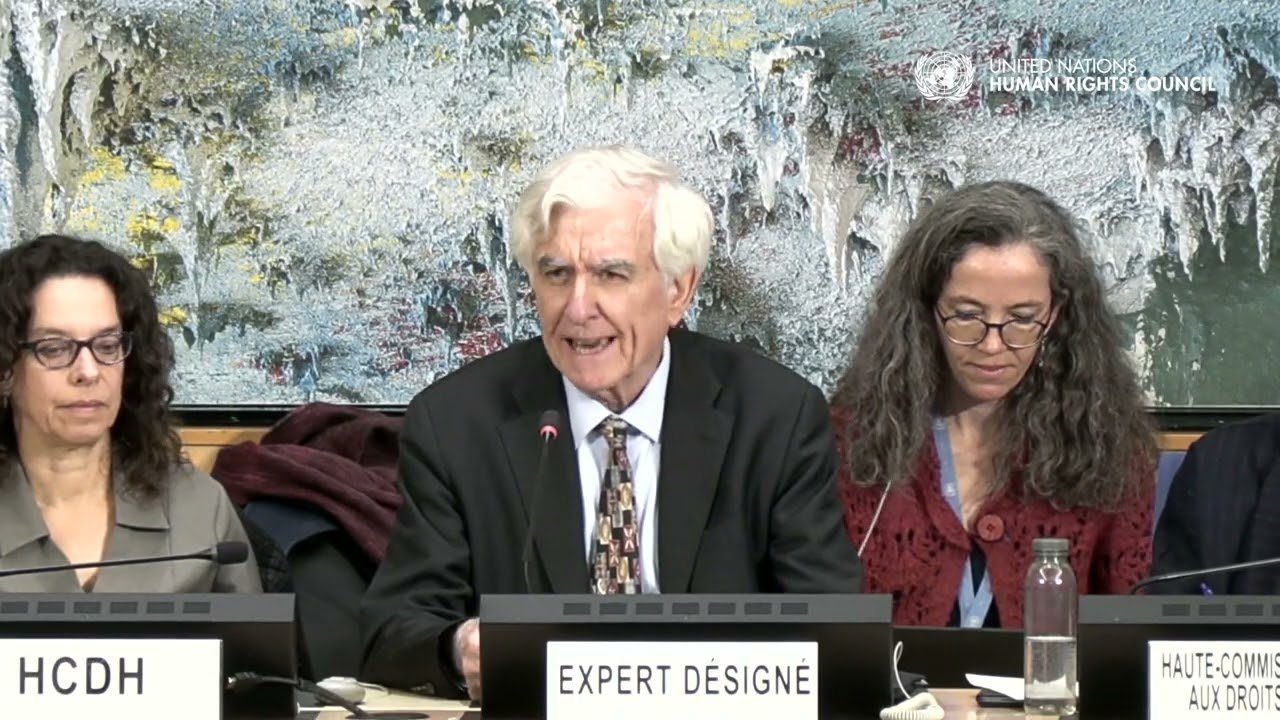
In the wake of the violence, local civil committees and residents have demanded the immediate resignation of top police officials in the Artibonite region, citing their “inefficiency” in preventing the rise of gang control.
Rights groups have condemned the state’s “total negligence,” noting that rumors of the attack had circulated for weeks with no preventive action taken.
The government’s limited reaction is tied to a period of extreme institutional instability as the Transitional Presidential Council (TPC) officially saw its mandate end on February 7, 2026, leading to a transition of executive power to a Cabinet of Ministers headed by Prime Minister Alix Didier Fils-Aimé.
Much of the government’s recent focus has been on a new electoral calendar, with the first round of elections scheduled for August 2026, contingent on security improvements that have yet to materialize.
Artibonite, Haiti’s key agricultural area, faces spreading gang violence beyond Port-au-Prince, with Gran Grif linked to prior massacres like one killing 115 in Pont-Sondé. The UN condemned the attack, noting discrepancies in death tolls and calling for investigation amid over 20,000 gang-related deaths since 2021.
In response to the violence, the US recently offered a $3million reward for information leading to the financial disruption of Gran Grif and the Viv Ansanm alliance.