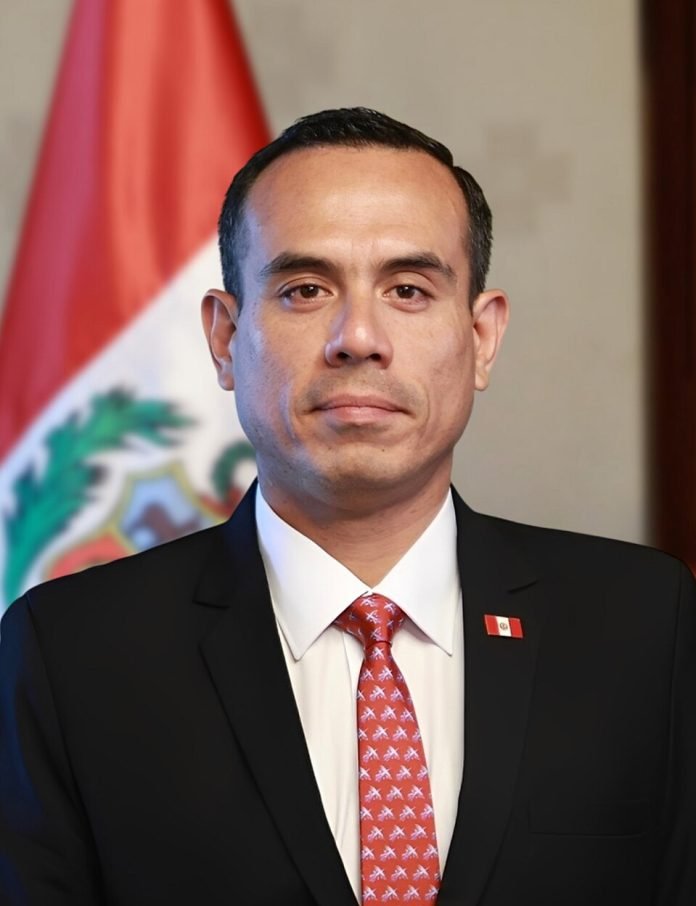

Peruvian political heir Fujimori claims the presidency with fourth bid

Jump to Timeline

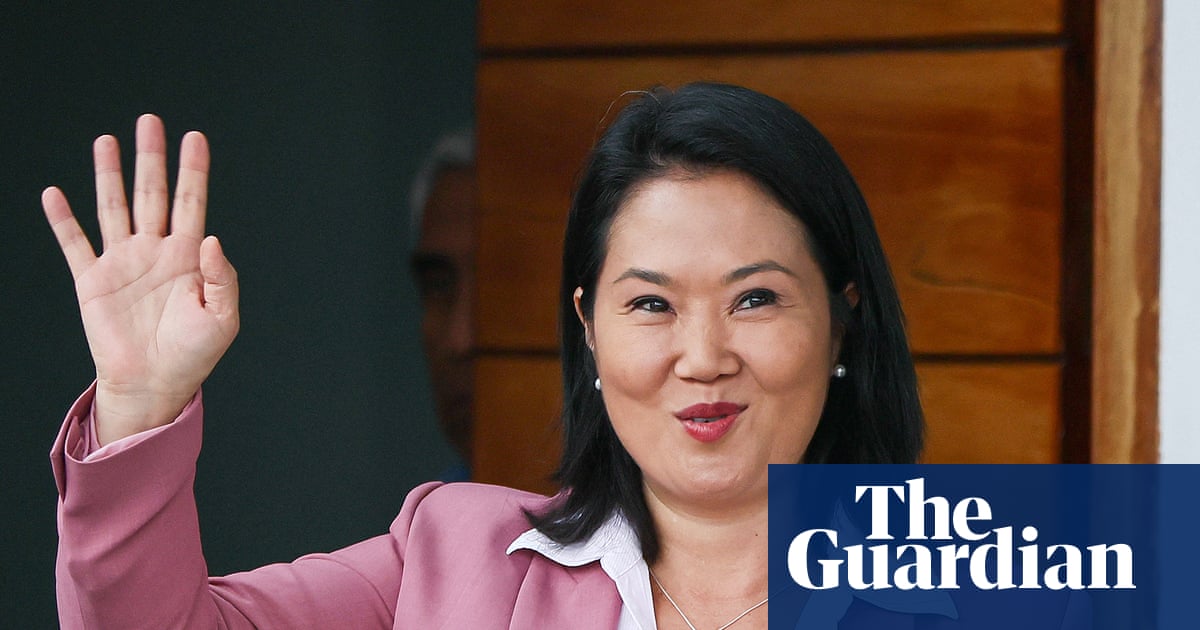
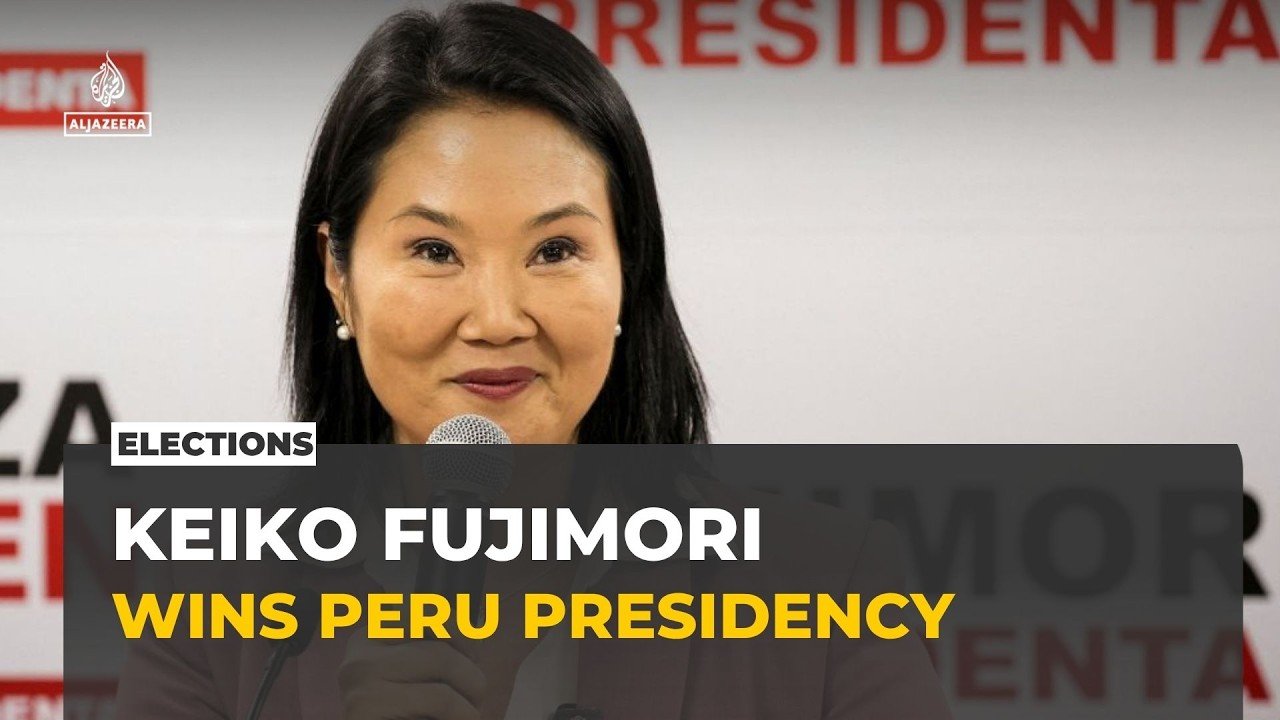
Conservative leader Keiko Fujimori won Peru’s June 2026 presidential election after a three-week vote count following the June 7 runoff, with electoral authorities confirming one of the narrowest victories in the country’s history. She secured 50.14 percent of the vote, or 9,223,369 ballots, against leftist rival Roberto Sánchez’s 49.87 percent, or 9,173,755 votes.

Her win gives Peru its first popularly elected female president and returns the Fujimori political dynasty to the Government Palace 26 years after the collapse of her father’s government. It also marked an unusual result: Fujimori lost the domestic vote but prevailed thanks to strong support from overseas voters, especially in the United States and Europe.

Defacto “first lady” at 19

Keiko Fujimori is the daughter of former president Alberto Fujimori, whose 1990s rule remains deeply divisive in Peru. Her public political role began unusually early: after her parents separated in the 1990s, she served as de facto first lady at age 19.

She has spent much of her political career building a conservative base around Fuerza Popular, becoming the most prominent right-wing figure in Peru. Her rise has also been shaped by the lasting legacy of the Fujimori name, which still carries both strong loyalty and strong resentment among voters.reuters+1

Fourth presidential bid

The final margin was 49,641 votes out of more than 18 million cast, making the outcome exceptionally close. The count took weeks to finalize, and the result was confirmed only after the inclusion of overseas ballots helped tip the balance in Fujimori’s favor.

This was Fujimori’s fourth presidential bid, after earlier losses in 2011, 2016, and 2021. Reuters noted that a money-laundering case against her was dismissed in 2025, clearing the way for her latest campaign.

Campaign themes

Fujimori campaigned on a hardline security platform, promising tougher measures against organized crime and extortion, stronger border controls, and prison facilities modeled on El Salvador. She also argued for cutting red tape, defending central bank independence, and encouraging private investment.

Her immigration stance was similarly strict, including support for swift deportation of undocumented migrants who commit crimes. That message helped position her as the candidate of order and stability at a time of public frustration over crime and political paralysis.

Legal and political baggage

Fujimori’s path back to the presidency was shaped by years of legal scrutiny and controversy. Reuters reported that prosecutors had accused her of receiving illicit campaign funds linked to Odebrecht and other companies, though the case was later dismissed.

That history made the race about more than just policy: it became a referendum on whether Peru was ready to embrace the Fujimori name again. Her victory suggests that a narrow majority of voters was willing to do so, despite the enduring shadow of her father’s authoritarian-era legacy.

Why it matters

This result is significant not only because of the historic margin, but because it shows how fractured Peru’s electorate remains. The fact that overseas voters helped decide the race underlines how unusual and politically polarized this election was.

youtube placeholder image

Peru impeaches José Jerí, picks Balcázar as interim president

Peru's interim president José Jerí was removed from office by Congress on Feb 17, 2026. José Balcázar was sworn in as the new interim president.
Read more

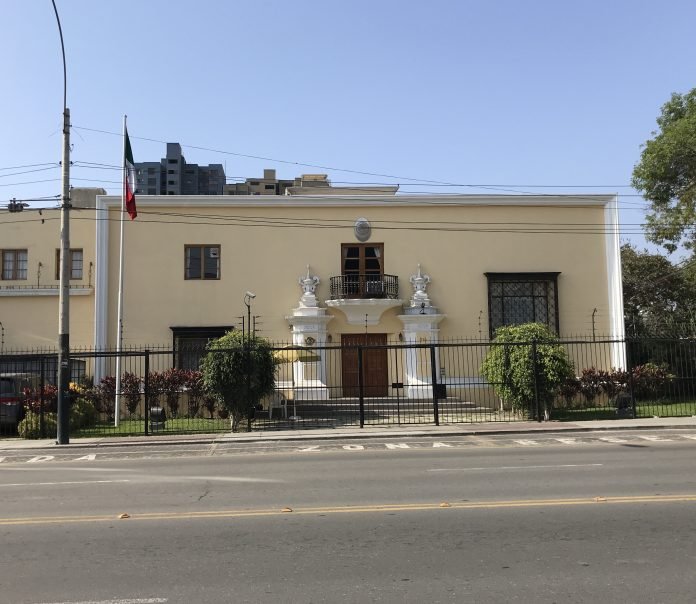
Brazil to represent Mexico’s diplomatic interests in Peru

Acting as a "protecting power" under the Vienna Convention on Diplomatic Relations, Brazil is safeguarding Mexican interests in Peru.
Read more

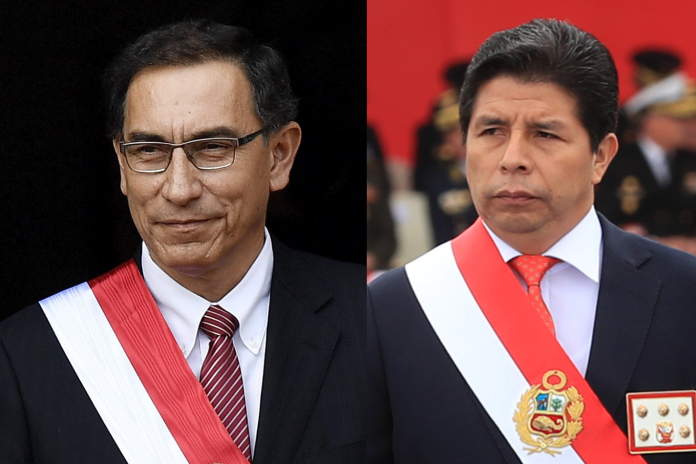
Two former Peruvian presidents sentenced in two days

In late Nov 2025, former Peruvian presidents Pedro Castillo and Martín Vizcarra were both sentenced to significant prison terms a day apart.
Read more

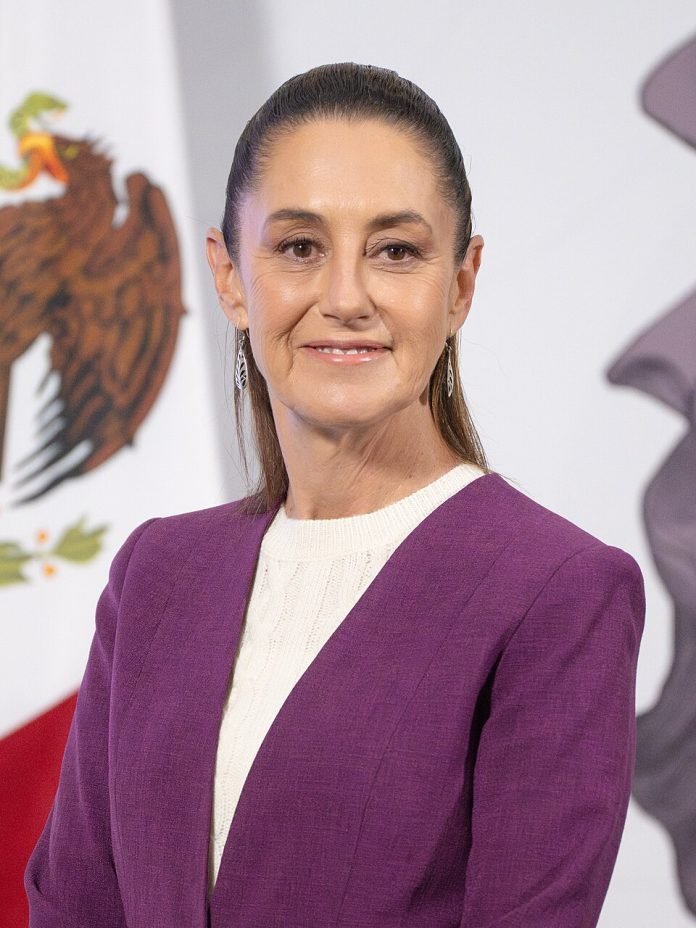
Peru cuts diplomatic ties with Mexico, declares Sheinbaum persona non grata

Following years of deteriorating ties, the rupture was triggered by Mexico's decision to grant political asylum to former Peruvian PM Chávez.
Read more

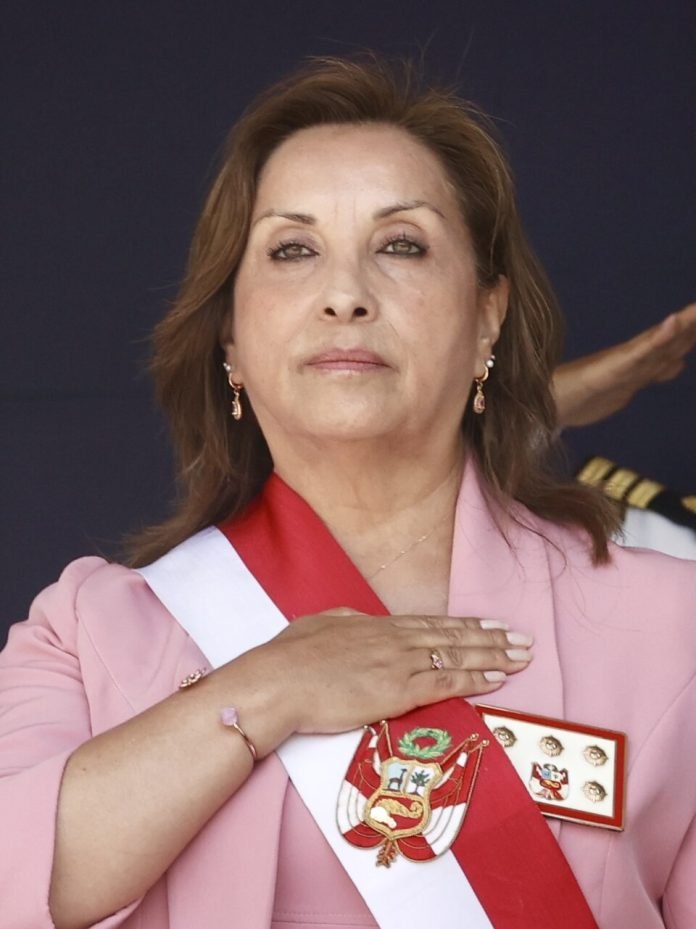
Peru impeaches Dina Boluarte amid crime surge

The impeachment of Dina Boluarte in Oct 2025 was fueled by a convergence of a severe security crisis, corruption scandals, and historic unpopularity.
Read more

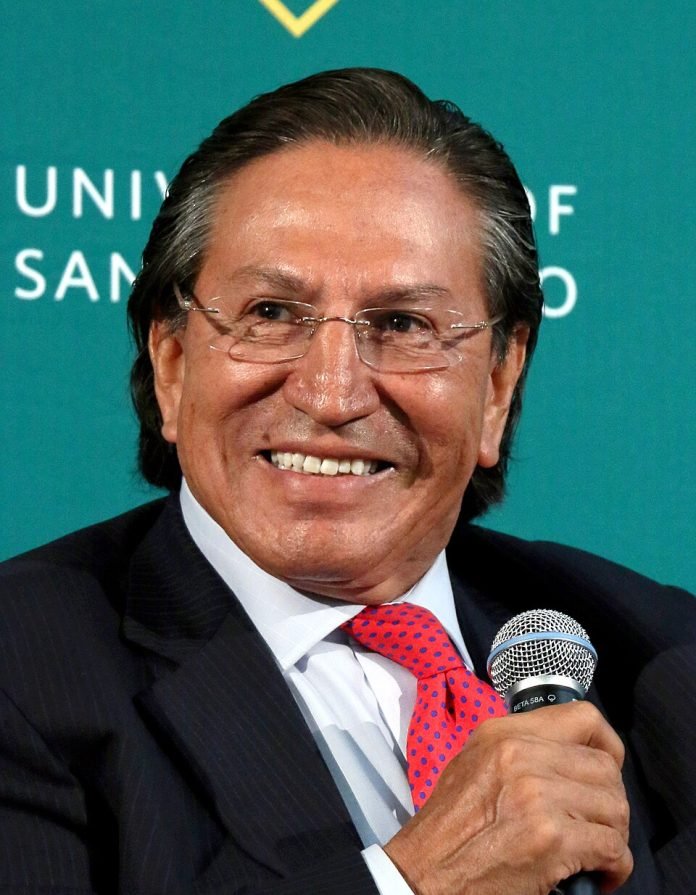
Peru’s ex-President Toledo given new 13 year sentence for money laundering

This conviction, part of the high-profile Ecoteva case, relates to the use of bribes from the Brazilian construction conglomerate Odebrecht.
Read more

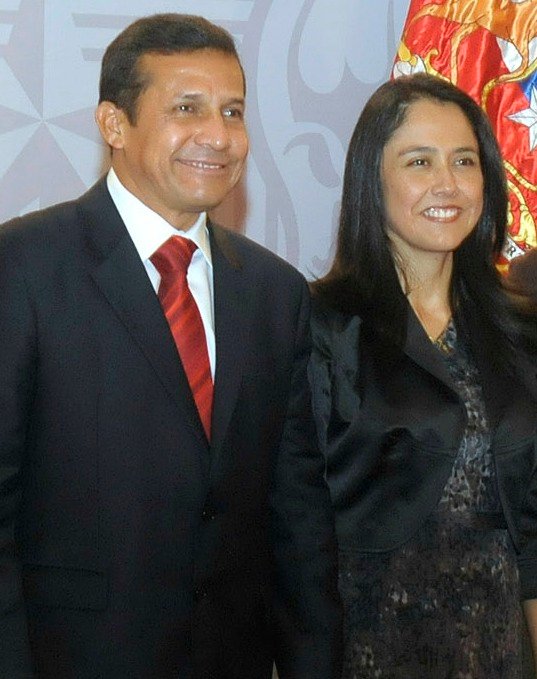
Former Peru President Ollanta Humala and Wife sentenced to 15 years for money laundering

Former Peruvian President Ollanta Humala and his wife were sentenced to 15 years in prison for aggravated money laundering.
Read more
Timeline

1990: Alberto Fujimori, an agronomy professor and political outsider, won the presidency in 1990 by defeating famed author Mario Vargas Llosa. His decade in power completely reshaped modern Peru.

Inheriting an economy crippled by hyperinflation, he implemented aggressive free-market reforms, privatised state industries, and laid the foundation for Peru’s current macroeconomic stability.

His administration captured Abimael Guzmán, the leader of the Maoist rebel group Shining Path, successfully neutralizing a brutal domestic insurgency.

1992: Frustrated by a hostile congress, Fujimori used the military to dissolve the legislature, suspend the constitution, and purge the judiciary. He then rewrote the constitution in 1993, expanding presidential powers.

2000: His government collapsed after secret videotapes leaked showing his intelligence chief, Vladimiro Montesinos, bribing lawmakers, judges, and media executives. Fujimori fled to Japan and resigned via fax.

2009: Extradited back to Peru, he was sentenced to 25 years in prison for corruption and human rights abuses (including state-sponsored death squad massacres). He was controversially pardoned in late 2023 and passed away in September 2024.

2001 to 2006: Alejandro Toledo leads Peru after Fujimori’s fall, but his later career is overshadowed by corruption allegations. He is eventually extradited from the United States and sentenced to more than 20 years in prison for bribery-related crimes.

2006 to 2011: Alan García returns to power, but his second presidency later becomes associated with corruption investigations. He dies by suicide in 2019 as authorities move to arrest him.

2011 to 2016: Ollanta Humala’s presidency ends with him later spending time in pre-trial detention and facing trial over corruption allegations. His case adds to the sense that Peru’s political class is trapped in a cycle of scandal and institutional decay.

2016 to 2018: Pedro Pablo Kuczynski resigns under impeachment pressure amid corruption probes and political fragmentation. He is later placed under house arrest, underscoring how unstable the presidency had become.

2018 to 2020: Martín Vizcarra is impeached and removed by Congress, then banned from public office. His ouster deepens public distrust in both the executive and legislature.

2021 to 2022: Pedro Castillo attempts a failed self-coup in 2022 and is subsequently imprisoned. His downfall becomes the latest example of Peru’s repeated institutional breakdowns.

April 12–13, 2026:  First round of the general election.
Logistical problems in ballot distribution force voting to continue into a second day at hundreds of polling stations. The delays slow the count and add to the perception of electoral disarray.

Late April: After weeks of counting and fraud allegations, conservative Keiko Fujimori and leftist Roberto Sánchez emerge as the top two finishers. No candidate wins an outright majority, triggering a runoff and setting up another high-stakes national contest.

Jun 8 to 28: A grueling, three-week ballot review process takes place. Roberto Sánchez challenges early results, claims irregularities, and leads supporters in street protests. International monitors find no evidence of systematic fraud.

Jun 29: The National Office of Electoral Processes (ONPE) finishes counting 100% of the ballots and announces Keiko Fujimori as the winner by a margin of 49,641 votes.

You may also be interested in

LEAVE A REPLY

Please enter your comment!
Please enter your name here