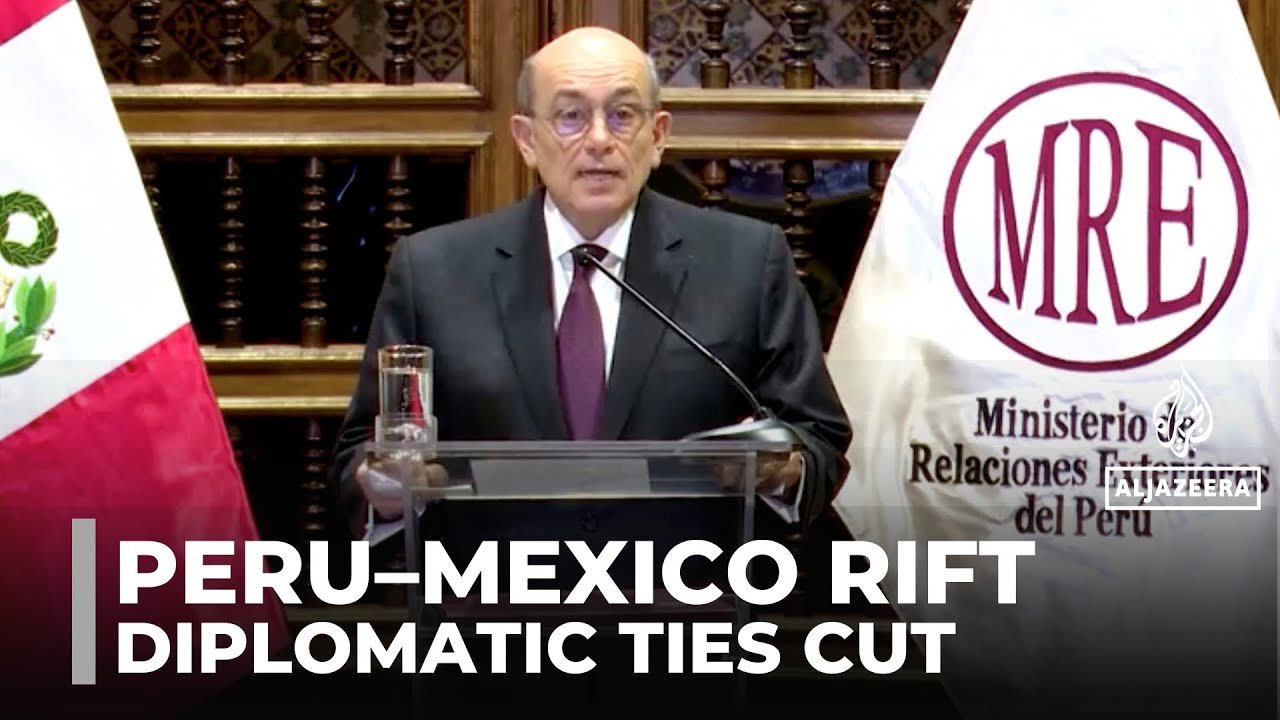
On November 3, 2025, Peru officially severed diplomatic relations with Mexico. Peru’s Foreign Ministry described Mexico’s decision to grant political asylum to former Peruvian Prime Minister Betssy Chávez as an “unfriendly act.”
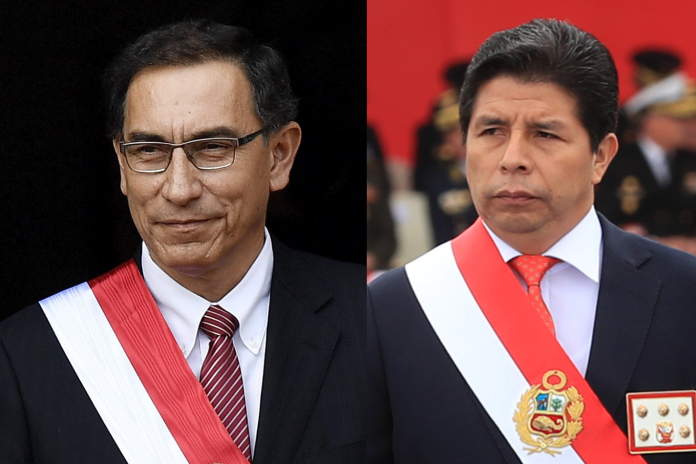
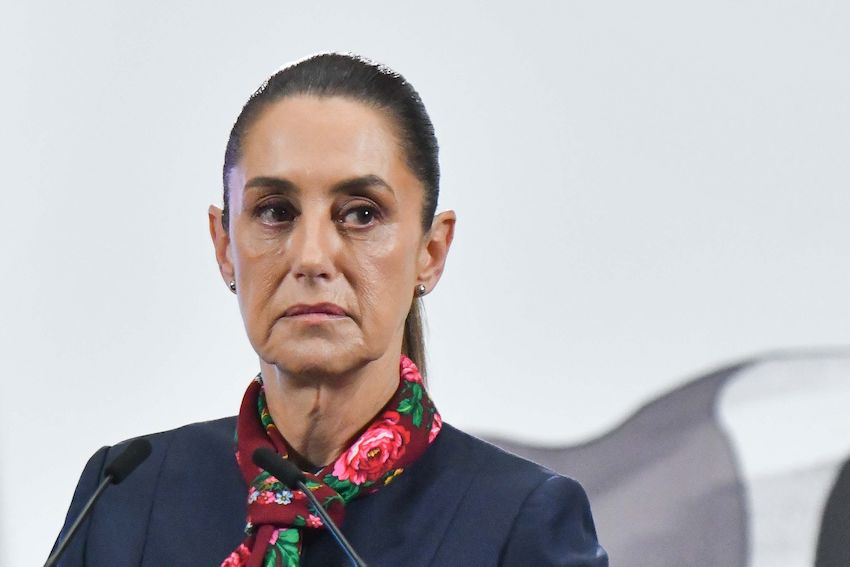
Chávez is facing a 25-year prison sentence for her alleged role in a 2022 coup attempt. Peru accused the Mexican government of “inadmissible and systematic” interference in its internal affairs, specifically citing Mexican President Claudia Sheinbaum’s support for ousted President Pedro Castillo, whom she described as a victim of a coup.
Relations between the two countries had been strained since December 2022, when Mexico granted asylum to Castillo’s family following his failed attempt to dissolve Congress.
Why Mexico granted asylum to Betssy Chávez
Chávez claimed she faced repeated human rights violations and that the Peruvian state’s prosecution was politically motivated. Mexico’s decision to grant her asylum in November 2025 was the culmination of years of ideological alignment between Mexico’s leadership and the ousted administration of Pedro Castillo.
Both former Mexican President Andrés Manuel López Obrador and current President Claudia Sheinbaum have consistently maintained that Pedro Castillo’s 2022 removal was an illegal coup. Mexico views his associates, including Chávez, as victims of political persecution rather than perpetrators of a crime.
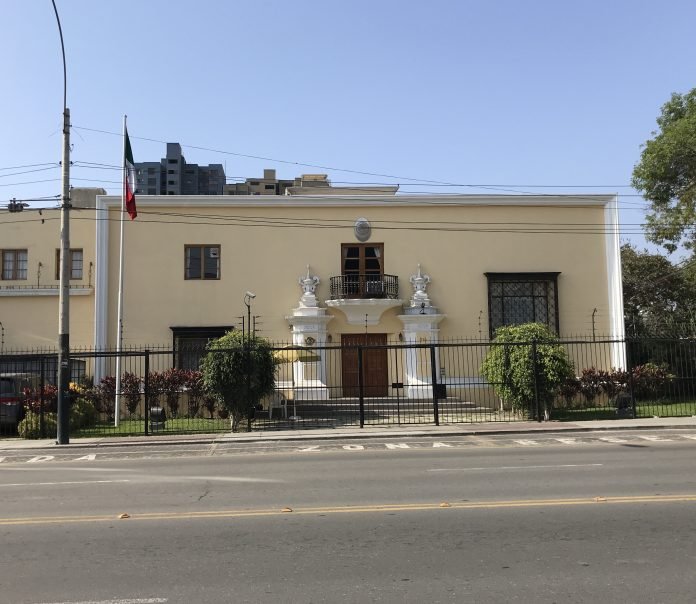
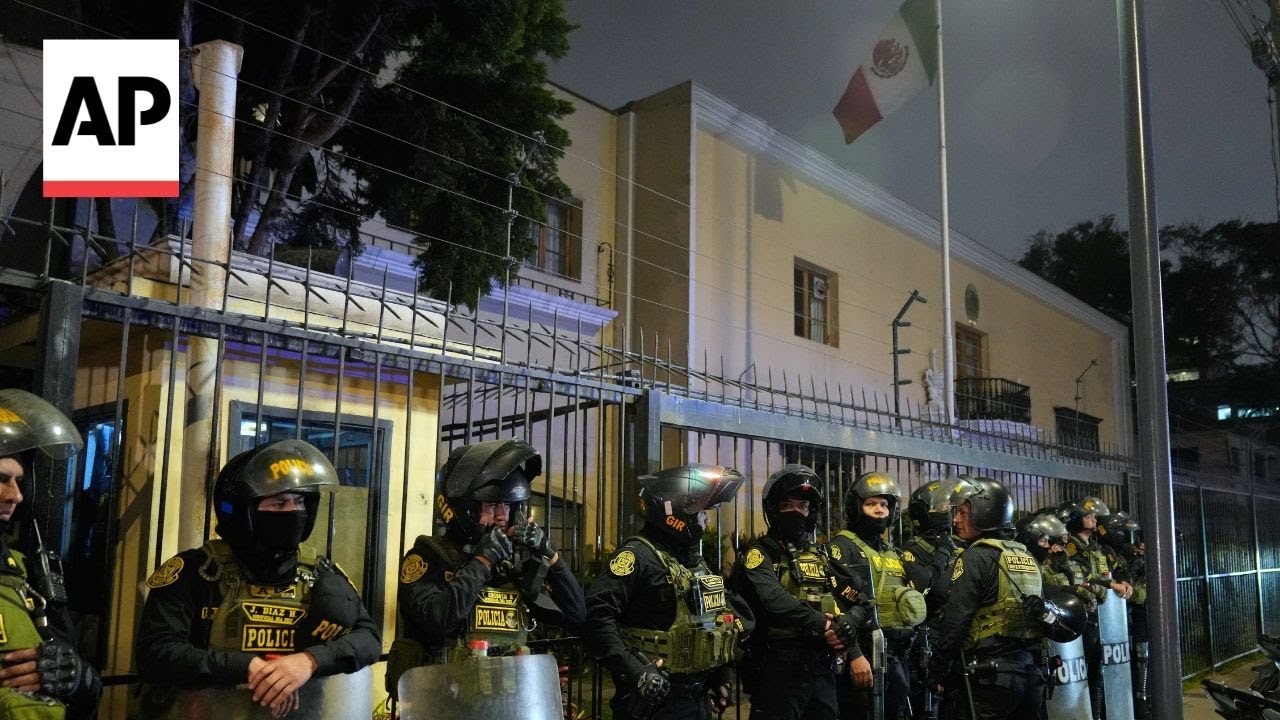
Chávez faced a potential 25-year prison sentence for her alleged role in Castillo’s December 2022 attempt to dissolve Congress. After being released on bail in September 2025 to stand trial, she fled to the Mexican embassy in Lima to seek protection just as the Peruvian judiciary was moving to revoke her bail and order her re-arrest.
Mexico had already established a precedent by granting asylum to Castillo’s wife and children in 2022. The Mexican government viewed granting asylum to Chávez as a continuation of its “humanist” foreign policy tradition.
Mexico invoked the 1954 Caracas Convention on Diplomatic Asylum, asserting that only the asylum-granting state has the legal authority to determine if a person is facing political persecution. Peru countered that the right to asylum was being “distorted” and applied to “common crimes” such as rebellion and conspiracy rather than political ones.
What happened next
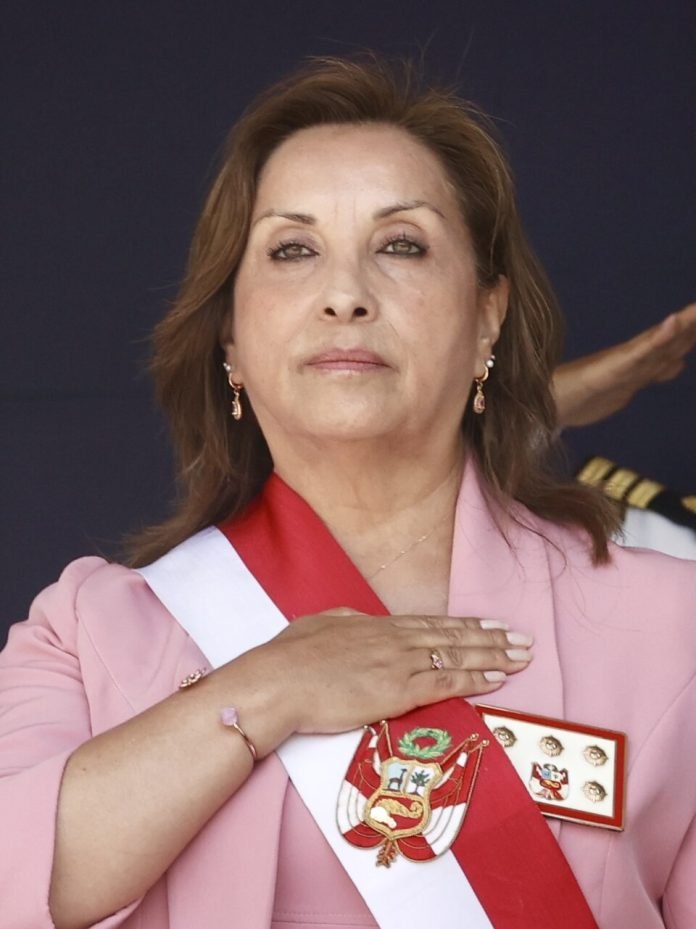
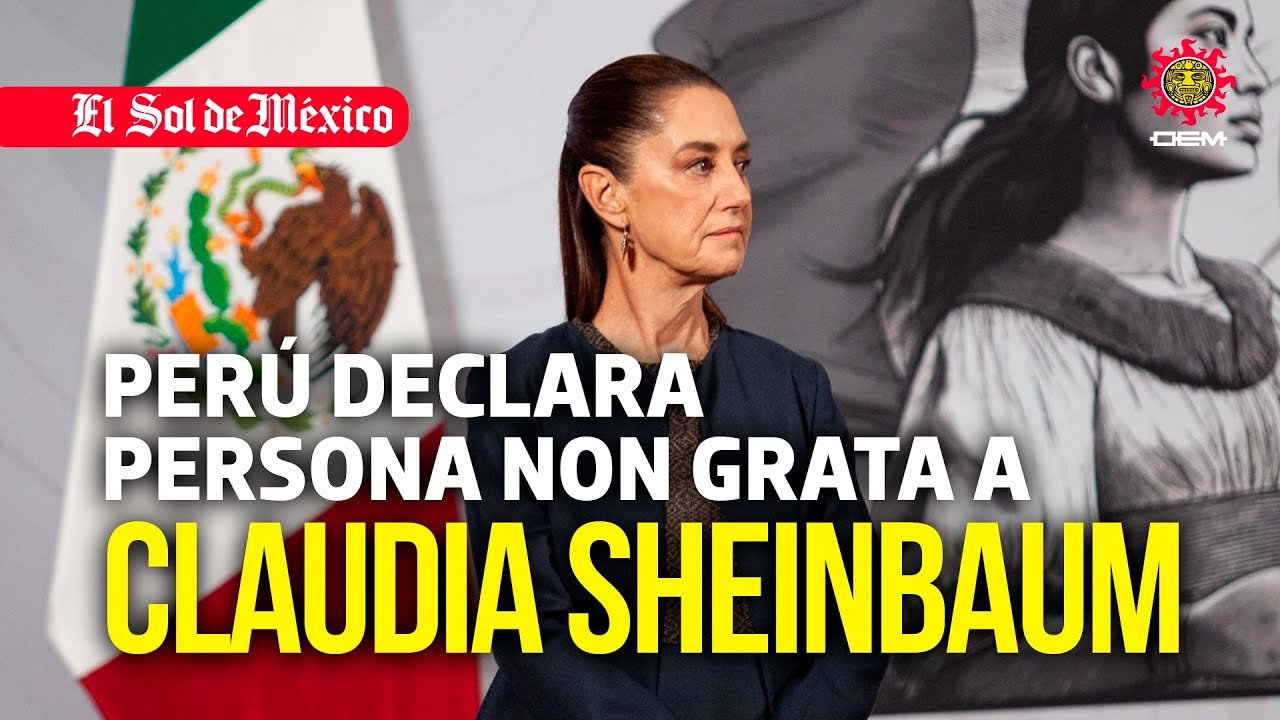
Following the severance of ties, the Peruvian Congress voted 63–33 to declare Mexican President Claudia Sheinbaum “persona non grata,” symbolically barring her from entering the country.
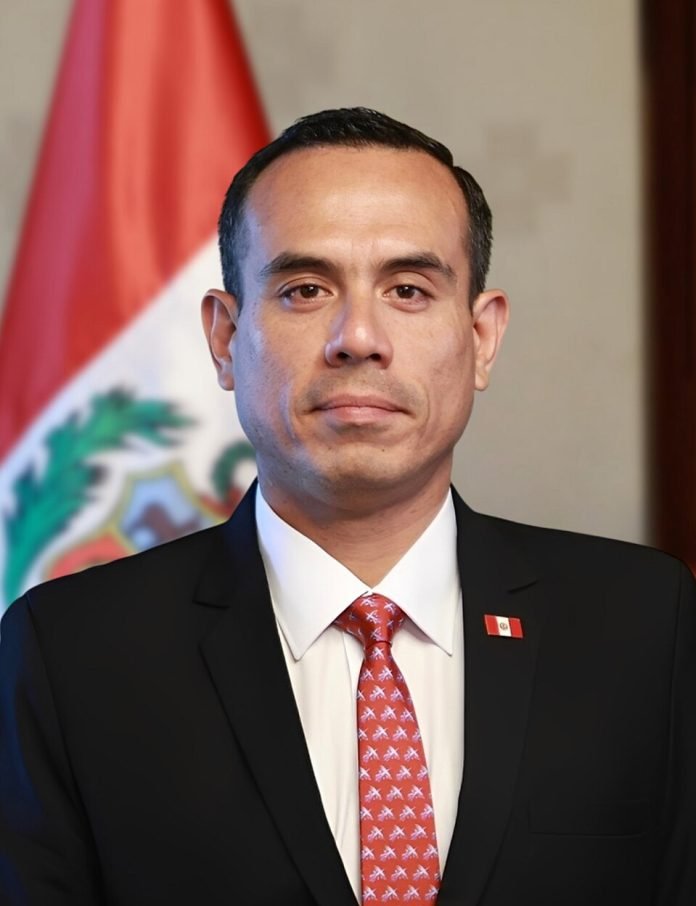
Peru’s Foreign Minister Hugo de Zela ordered Mexico’s top diplomat in Lima, Karla Ornelas, to leave the country by a strict deadline in what marked a diplomatic exodus between the two nations.
As of November 2025, Peru has refused to grant safe passage for Betssy Chávez to leave the Mexican embassy and fly to Mexico, effectively leaving her holed up in the diplomatic residence. The standoff continues as both countries maintain their hardline positions.
Why it matters
This rupture represents the deepest diplomatic crisis between Peru and Mexico in years and highlights the broader regional divide over how to treat political opponents and asylum seekers in Latin America. The dispute has drawn attention from governments and human rights organizations across the continent as a test of diplomatic norms and the limits of asylum protections.
Read also: Brazil to represent Mexico’s diplomatic interests in Peru