Acting as a “protecting power” under the Vienna Convention on Diplomatic Relations, Brazil is now safeguarding Mexican assets and assisting its citizens following a complete rupture in ties between Lima and Mexico City.
Brazil has taken over Mexico’s diplomatic representation in Peru following a complete breakdown in relations, stepping in as a neutral intermediary to safeguard assets and provide limited consular support.
What happened
On Jan 25, 2026, Brazil formally assumed responsibility for Mexico’s diplomatic and consular interests in Peru under the “protecting power” mechanism outlined in the Vienna Convention on Diplomatic Relations. The arrangement, requested by Mexico and approved by Peru, places Brazil in charge of managing the Mexican Embassy in Lima, including its residence, official archives, and state assets.
The transition became visible a day earlier when the Brazilian flag was raised over Mexico’s diplomatic buildings in Lima. While Mexican diplomats have withdrawn, Brazil is expected to resume basic consular services for Mexican nationals, such as passport renewals and emergency travel documentation. Its role, however, is strictly administrative and protective, and does not extend to representing Mexico’s political positions or foreign policy.
The move also reflects President Luiz Inácio Lula da Silva’s broader effort to position Brazil as a regional mediator capable of bridging ideological divides across Latin America.
Why it matters
The use of a “protecting power” allows diplomatic functions to continue despite a formal rupture in ties, reducing the risk of further escalation while maintaining a minimal channel of engagement. For Mexico, it ensures continuity of support for its citizens abroad. For Brazil, it reinforces its ambitions to play a stabilizing and pragmatic role in regional diplomacy.
Reactions
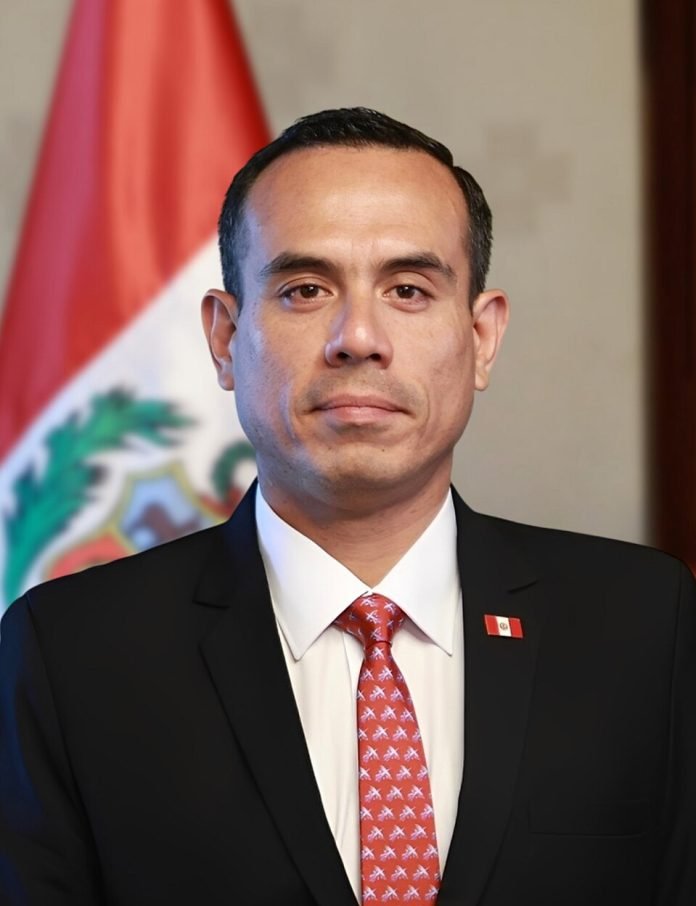
Peru’s government, led by interim President José Jeri, consented to the arrangement but has remained critical of Mexico’s actions. Officials have described Mexico’s decision to grant asylum to former prime minister Betssy Chávez as an “unfriendly act” and a form of interference in domestic affairs. Foreign Minister Hugo de Zela clarified that Brazil’s custodianship does not alter Chávez’s legal status.
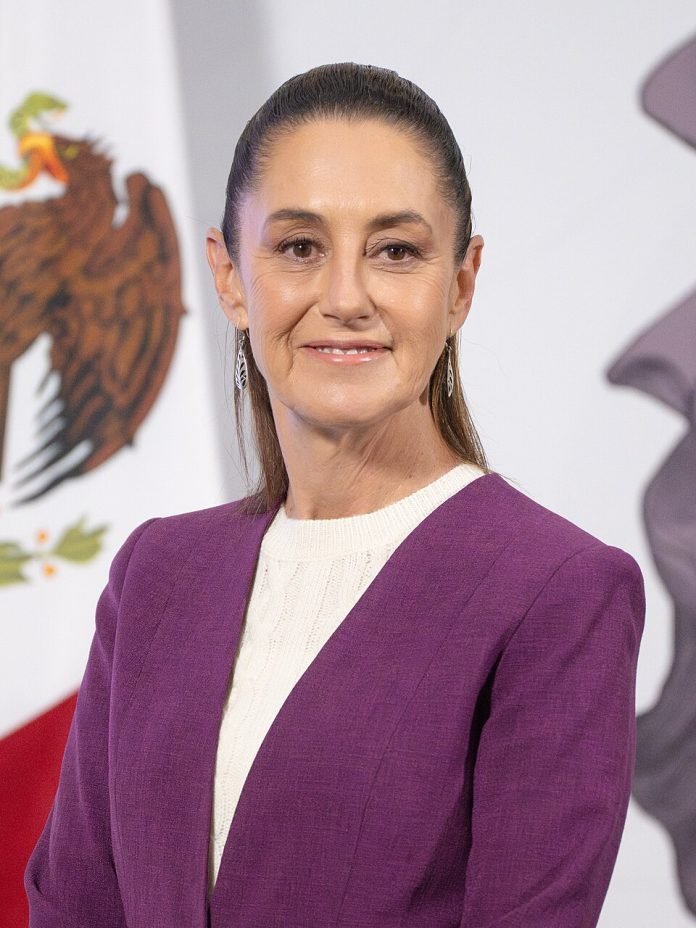
Mexico, under President Claudia Sheinbaum, has expressed regret over the breakdown in relations, calling Peru’s decision to sever ties “excessive and disproportionate.” The government has defended its actions as consistent with a longstanding policy of offering asylum to individuals it considers politically persecuted.
Brazil, for its part, has framed its involvement as a neutral and pragmatic step aimed at preventing further deterioration in relations, positioning itself as a diplomatic bridge rather than a political actor.
Ongoing flashpoint
At the center of the dispute is Betssy Chávez, who remains inside the Mexican embassy in Lima under protection. Peruvian authorities have issued an arrest order and continue to maintain a heavy police presence outside the premises, creating a tense and unresolved standoff that underscores the fragility of the situation.
Regional implications
The episode highlights both the utility and the limits of regional diplomatic mechanisms. Brazil’s intervention offers a potential pathway for future dialogue, even as formal relations remain frozen. At the same time, the rupture raises concerns about weakening regional cooperation, particularly on cross-border issues such as security and organized crime.
Notably, major regional leaders, including Colombia’s Gustavo Petro and Chile’s Gabriel Boric, have remained largely silent on the handover itself, despite previously voicing concern over Peru’s broader political instability. Their muted response reflects the sensitivity of the situation and the broader fragmentation of consensus within the region.
Read also:
Peru cuts diplomatic ties with Mexico, declares Mexican president persona non grata