The impeachment of Dina Boluarte in October 2025 was a rapid and dramatic event, fueled by a convergence of a severe security crisis, corruption scandals, and historic unpopularity.
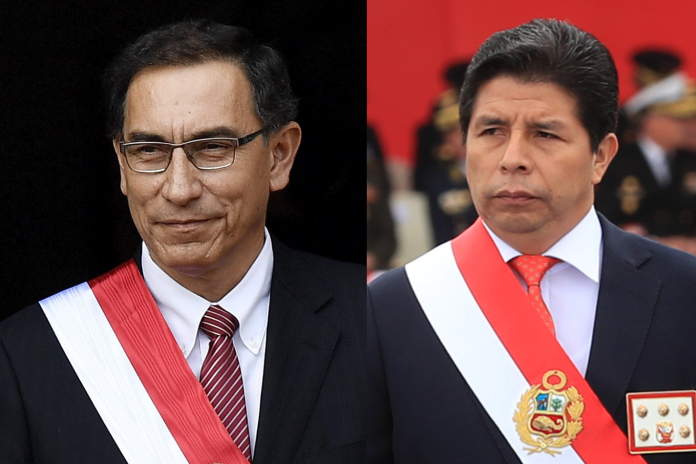
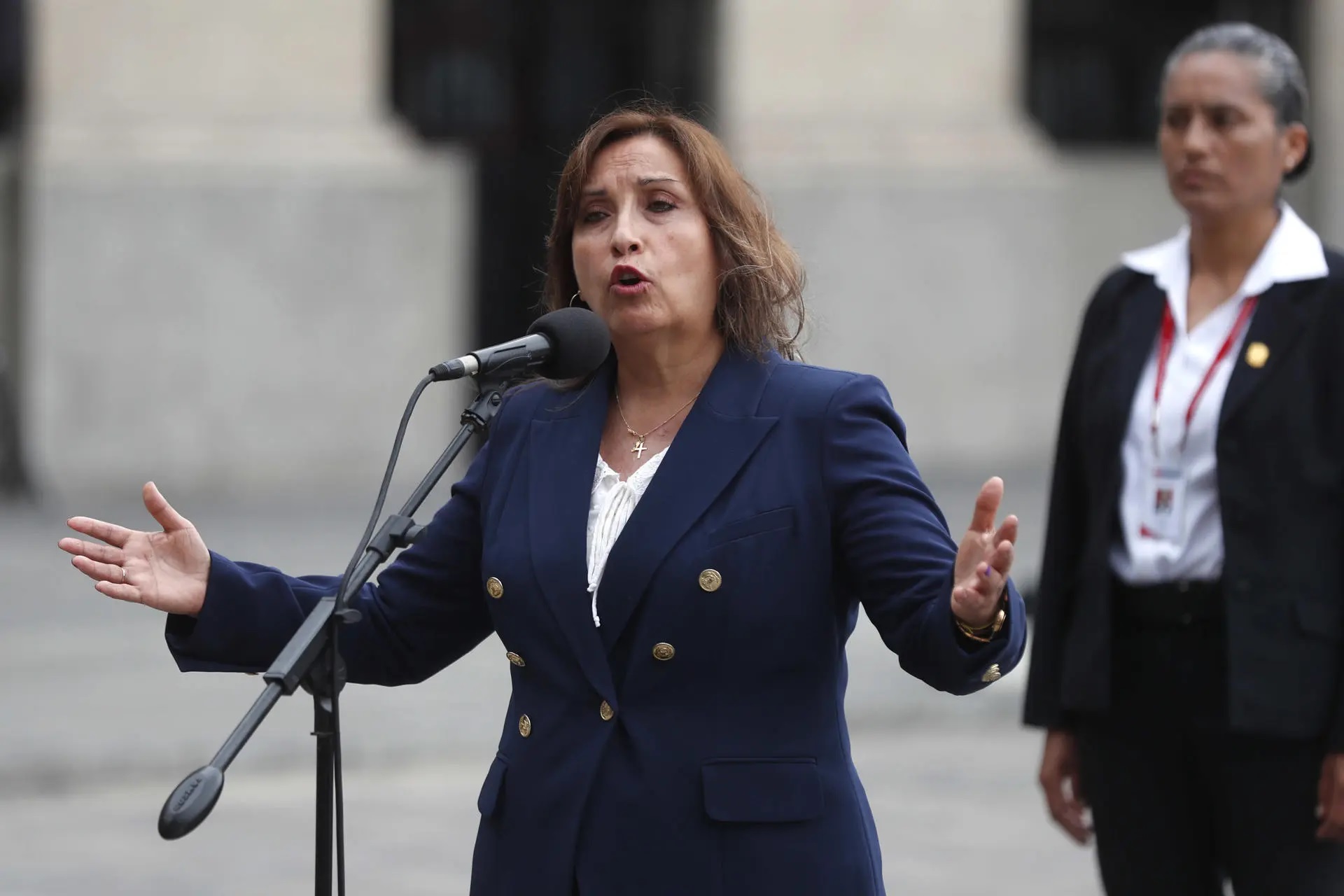
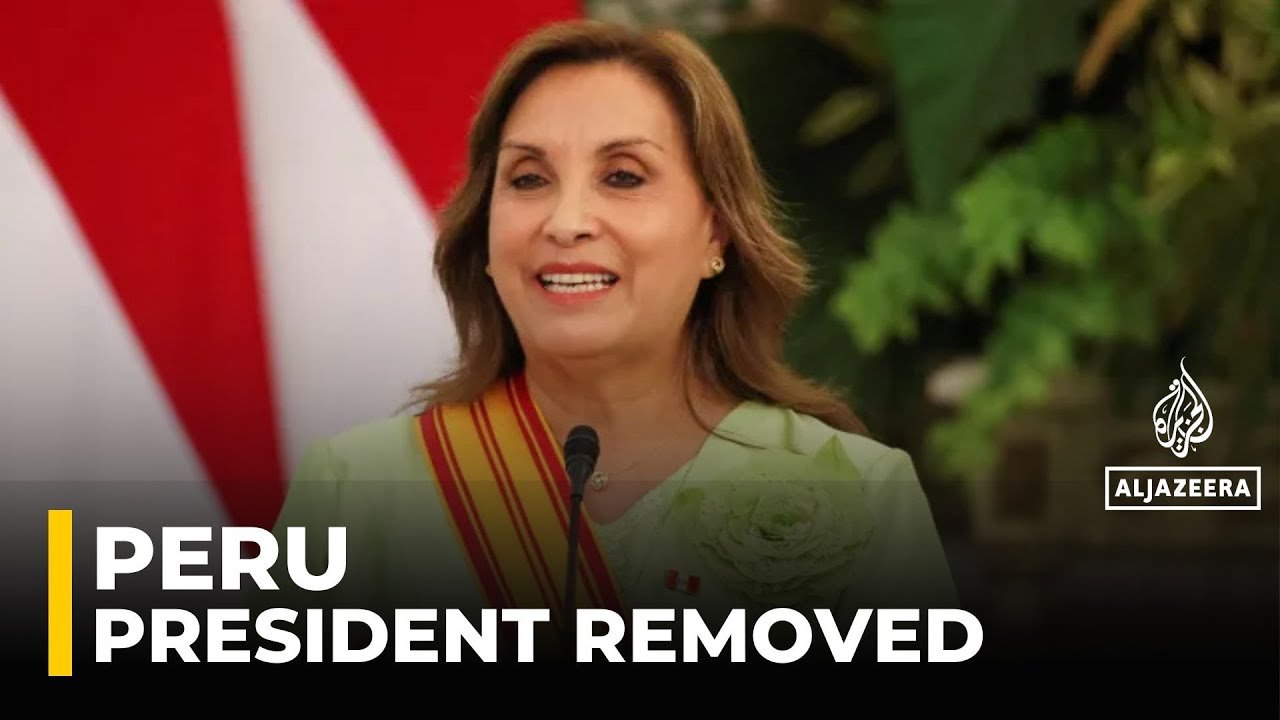
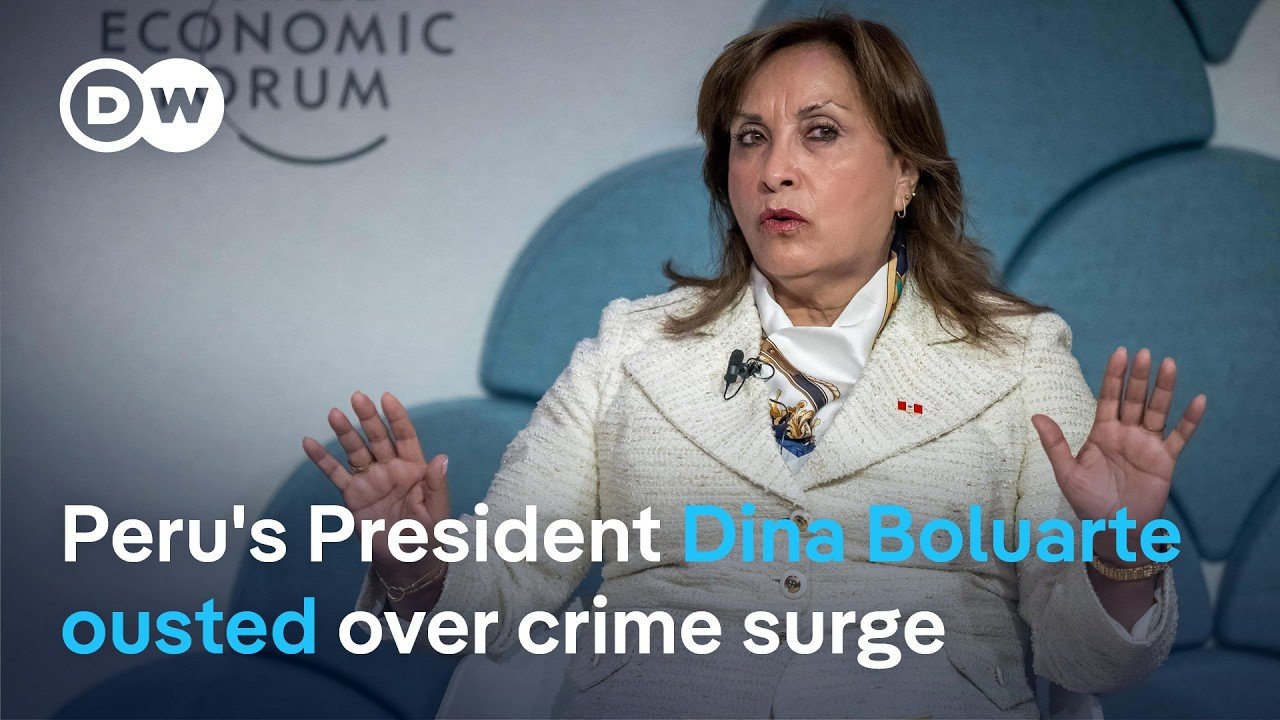
On October 10, 2025, Peru’s Congress voted unanimously to remove President Dina Boluarte from office for permanent moral incapacity. Boluarte was then the fifth president impeached under Article 113 of the Constitution of Peru, following Guillermo Billinghurst in 1914, Alberto Fujimori in 2000, Martín Vizcarra in 2020, and Pedro Castillo in 2022.
She presided over a tumultuous period characterized by frequent protests, scandals and investigations, as well as increasing gang violence. Congress leader Jose Jeri was sworn in as interim president early on Friday. Peru does not currently have a vice-president.
Catalysts for the removal
The immediate trigger was a high-profile shooting on October 8, 2025 during a concert by the cumbia band Agua Marina in Lima, which left several people injured and sparked widespread public outrage.
Long-standing allegations of illicit enrichment involving luxury Rolex watches, as well as a controversial salary increase that doubled her pay, severely damaged her credibility. While previous attempts to oust her failed, her former right-wing allies including Fuerza Popular and Renovación Popular withdrew their support as she became a political liability ahead of the 2026 elections.
Boluarte was consistently labeled the world’s least popular leader, with approval ratings plunging to as low as 2 to 3% in late 2025.
Círculo Militar de Chorrillos shooting
On October 8, 2025, an armed attack took place during an Agua Marina concert at the Círculo Militar de Chorrillos in southern Lima. Two assailants on a motorcycle fired approximately 27 shots from behind the stage. Six people were injured, including four members of the band.
The shooting served as the final straw for a public and a Congress already frustrated by a massive wave of violent crime and extortion. The event occurred just hours before Congress convened to debate Boluarte’s removal. It crystallized anger over the government’s inability to stem organized crime, leading former political allies to join the push for her impeachment.
Rolexgate scandal
The scandal emerged in March 2024 after investigative journalists from the podcast La Encerrona analyzed thousands of photos of Boluarte, revealing she had worn multiple Rolex watches worth between US$14,000 and US$25,000 at various public events since taking office.
Prosecutors investigated how Boluarte acquired these items on her official salary of approximately $4,000 to $8,000 per month, suspecting they were bribes or undeclared assets. The investigation expanded to include a US$54,000 Cartier bracelet and unexplained bank deposits totaling roughly US$300,000.
In a historic first, police used a battering ram to enter Boluarte’s private residence on Good Friday to search for the watches. Boluarte initially claimed the watches were from long ago, but later admitted they were a loan from a friend, Wilfredo Oscorima, the Governor of Ayacucho, intended to help her represent the country well.
A congressional subcommittee dismissed a bribery probe into the scandal in April 2025, temporarily shielding her from impeachment at that time.
Reactions
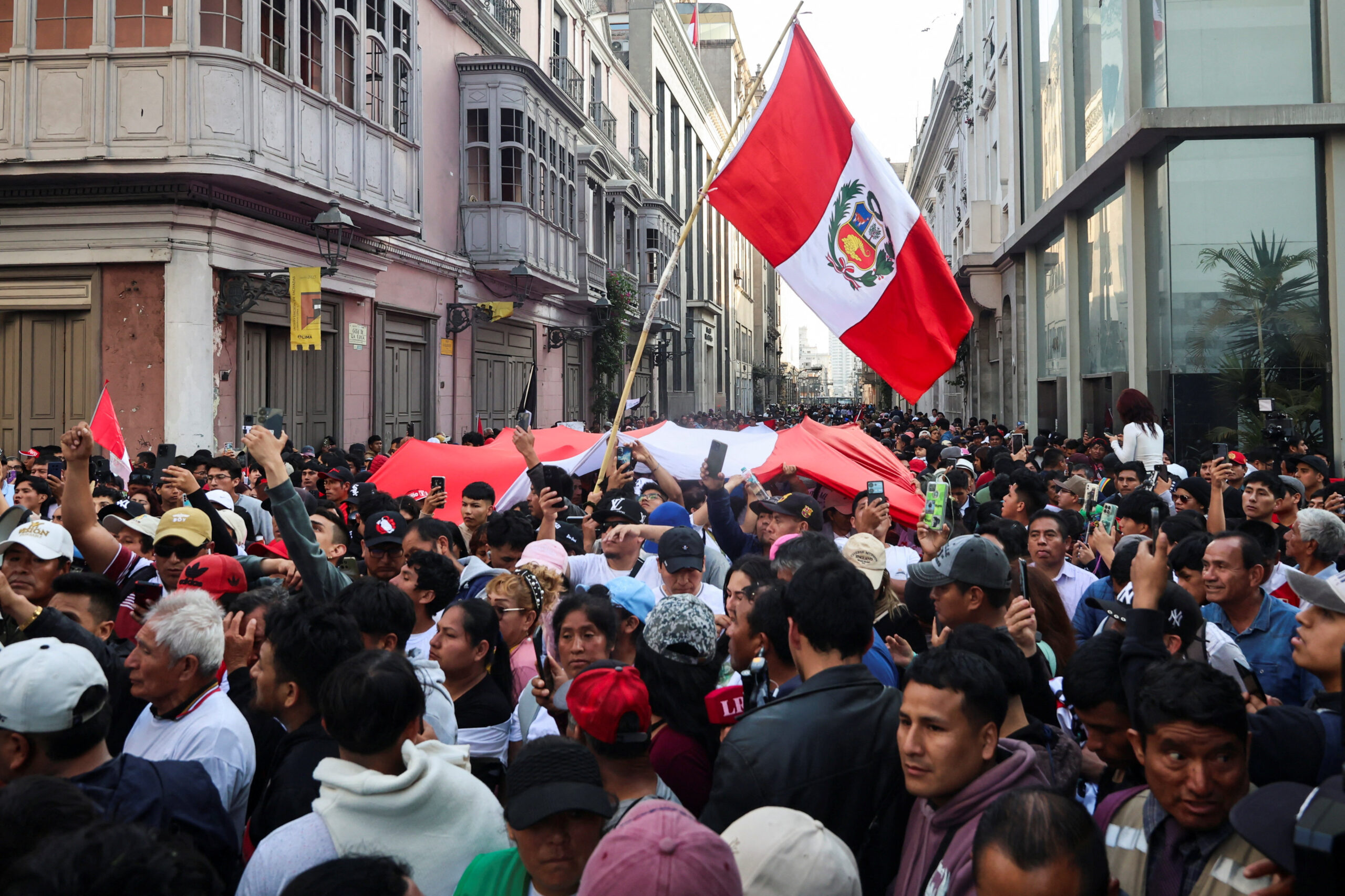
Large crowds gathered outside the Legislative Palace in Lima erupted in cheers and brandished Peruvian flags as the vacancy was declared. In Latin America, the reaction was colored by Boluarte’s pre-existing isolation. She had already faced public criticism from leaders like Gustavo Petro of Colombia and Andrés Manuel López Obrador of Mexico throughout her term.
Following her removal, her predecessor Pedro Castillo issued a message from detention denouncing the hypocrisy of the political class that had initially supported her rise. Boluarte also faced immediate investigations for money laundering and abuse of office; she unsuccessfully attempted to challenge a court order preventing her from leaving the country.
Fitch Ratings warned that the rapid turnover increased policy unpredictability and fiscal risks ahead of the 2026 general elections. Analysts at the Atlantic Council described the event not as a resolution but as the accentuation of a deepening institutional crisis, noting that Peru had seen eight presidents in a decade.
Many international observers highlighted that Boluarte left office while still under investigation for human rights violations related to the 2022 to 2023 protest crackdowns, which remained a point of international friction during her tenure.
Why it matters
Dina Boluarte’s impeachment marks another chapter in Peru’s decade-long political instability, with the country now having seen eight presidents in ten years. Her removal was driven not by a single event but by the convergence of a deadly security crisis, corruption allegations, and historically low approval ratings. The shooting at the Círculo Militar de Chorrillos concert exposed the government’s failure to control organized crime, while Rolexgate damaged her credibility on integrity.
With Peru facing the 2026 general elections and no vice-president to succeed Boluarte, the interim government under Jose Jeri faces the daunting task of restoring security, addressing corruption, and stabilizing a politically fractured nation. The impeachment raises fundamental questions about whether removing another president will resolve Peru’s institutional crisis or simply continue the cycle of political turmoil.
Read also:
Peru impeaches José Jerí, picks Balcázar as interim president
Argentina’s trial of the century: the “Notebooks” Scandal