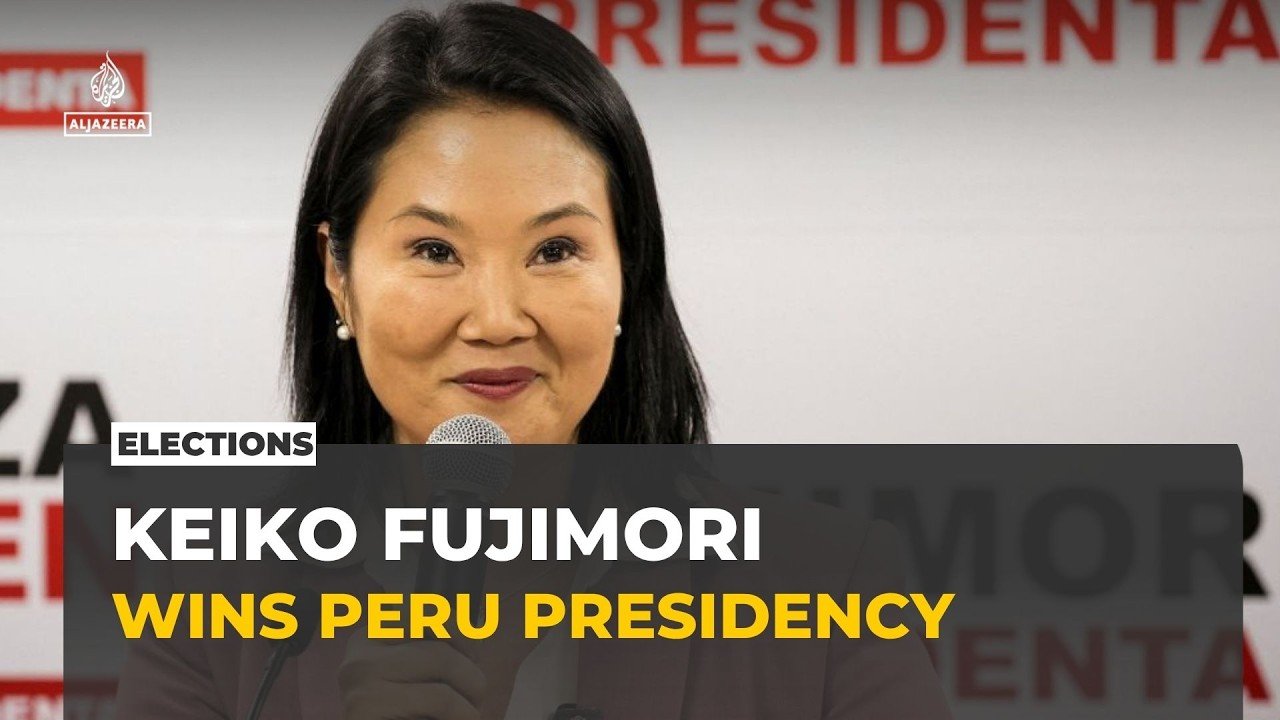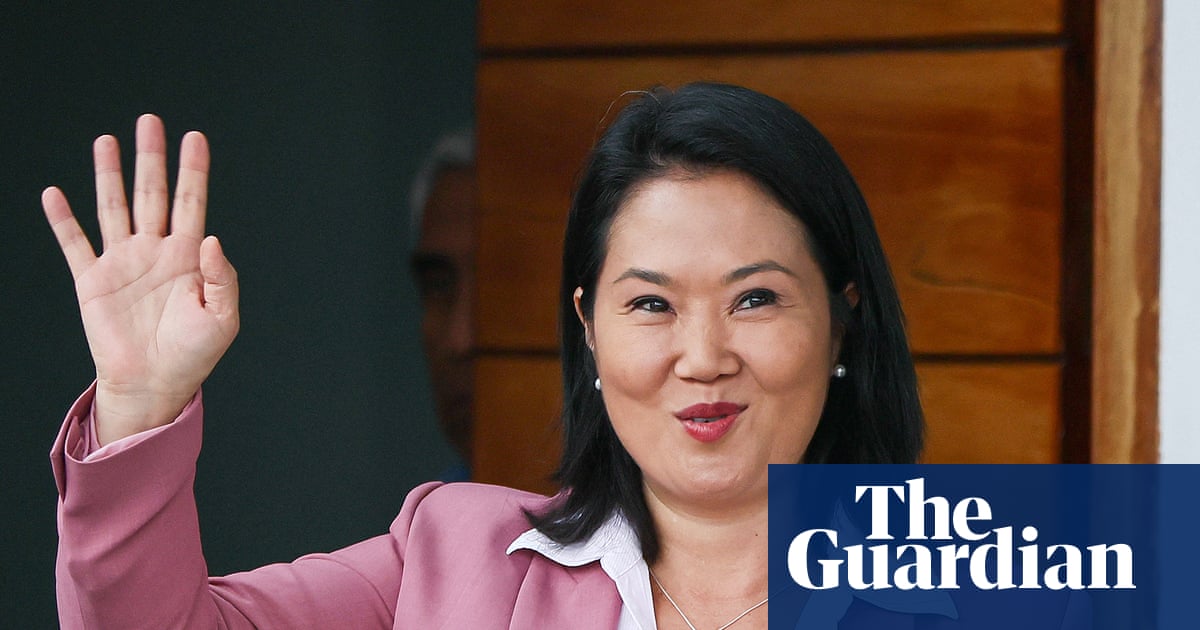



Conservative leader Keiko Fujimori won Peru’s June 2026 presidential election after a three-week vote count following the June 7 runoff, with electoral authorities confirming one of the narrowest victories in the country’s history. She secured 50.14 percent of the vote, or 9,223,369 ballots, against leftist rival Roberto Sánchez’s 49.87 percent, or 9,173,755 votes.
Her win gives Peru its first popularly elected female president and returns the Fujimori political dynasty to the Government Palace 26 years after the collapse of her father’s government. It also marked an unusual result: Fujimori lost the domestic vote but prevailed thanks to strong support from overseas voters, especially in the United States and Europe.
Defacto “first lady” at 19
Keiko Fujimori is the daughter of former president Alberto Fujimori, whose 1990s rule remains deeply divisive in Peru. Her public political role began unusually early: after her parents separated in the 1990s, she served as de facto first lady at age 19.
She has spent much of her political career building a conservative base around Fuerza Popular, becoming the most prominent right-wing figure in Peru. Her rise has also been shaped by the lasting legacy of the Fujimori name, which still carries both strong loyalty and strong resentment among voters.reuters+1
Fourth presidential bid
The final margin was 49,641 votes out of more than 18 million cast, making the outcome exceptionally close. The count took weeks to finalize, and the result was confirmed only after the inclusion of overseas ballots helped tip the balance in Fujimori’s favor.
This was Fujimori’s fourth presidential bid, after earlier losses in 2011, 2016, and 2021. Reuters noted that a money-laundering case against her was dismissed in 2025, clearing the way for her latest campaign.
Campaign themes
Fujimori campaigned on a hardline security platform, promising tougher measures against organized crime and extortion, stronger border controls, and prison facilities modeled on El Salvador. She also argued for cutting red tape, defending central bank independence, and encouraging private investment.
Her immigration stance was similarly strict, including support for swift deportation of undocumented migrants who commit crimes. That message helped position her as the candidate of order and stability at a time of public frustration over crime and political paralysis.
Legal and political baggage
Fujimori’s path back to the presidency was shaped by years of legal scrutiny and controversy. Reuters reported that prosecutors had accused her of receiving illicit campaign funds linked to Odebrecht and other companies, though the case was later dismissed.
That history made the race about more than just policy: it became a referendum on whether Peru was ready to embrace the Fujimori name again. Her victory suggests that a narrow majority of voters was willing to do so, despite the enduring shadow of her father’s authoritarian-era legacy.
Why it matters
This result is significant not only because of the historic margin, but because it shows how fractured Peru’s electorate remains. The fact that overseas voters helped decide the race underlines how unusual and politically polarized this election was.