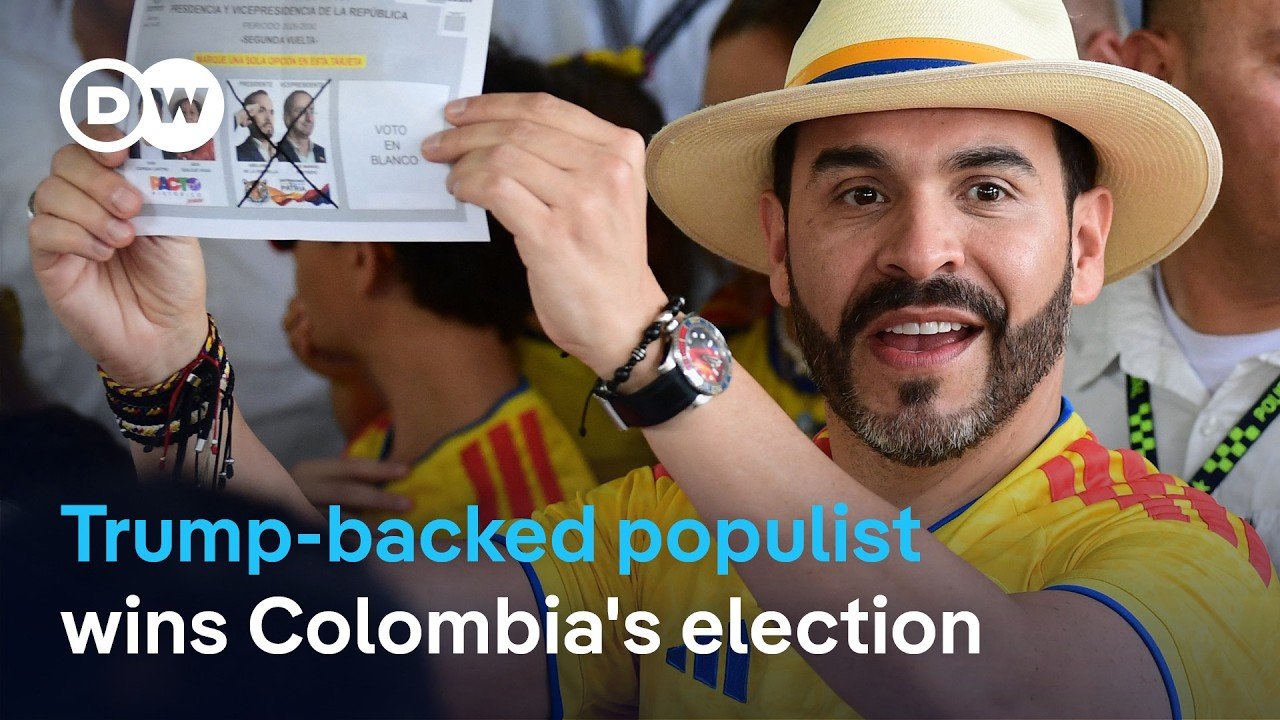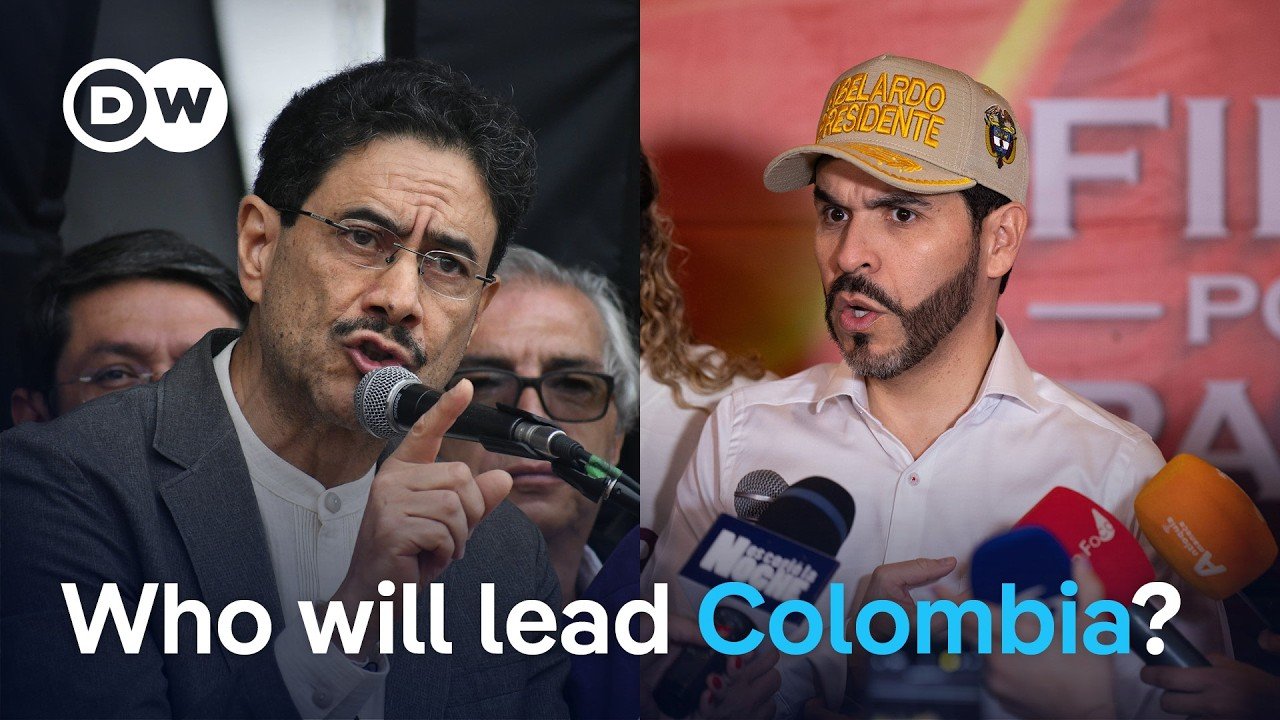


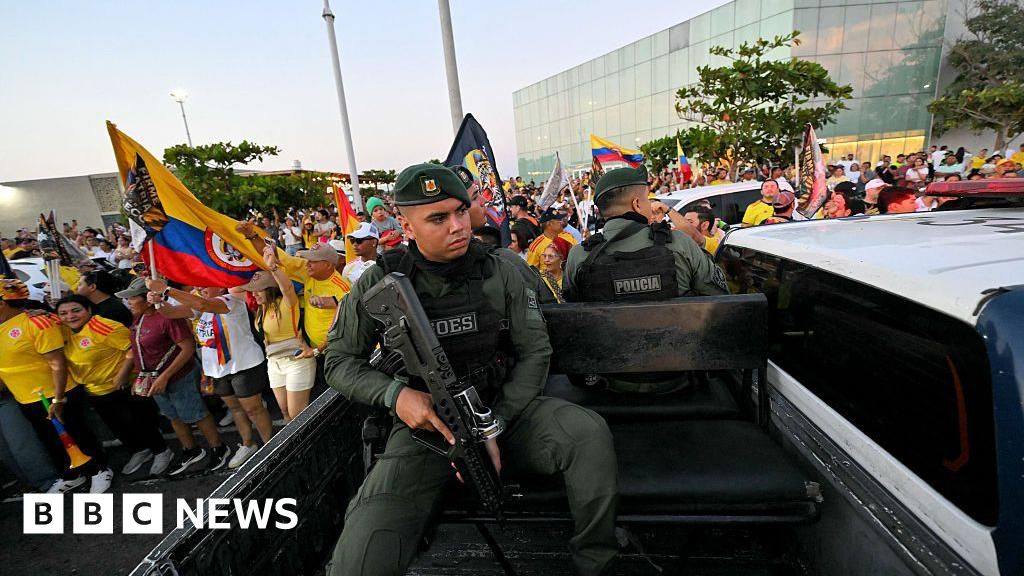




Conservative outsider Abelardo de la Espriella has been declared Colombia’s next president after edging out leftist senator Iván Cepeda in one of the closest runoff elections in the country’s modern history, a result that signals a sharp rightward turn after four years of Gustavo Petro’s left-wing government.
De la Espriella, a Trump-endorsed lawyer and businessman with no previous elected office experience, won by roughly 1 percentage point — more than 251,000 votes — after a campaign built on law-and-order politics, anti-establishment messaging, and promises to restore security in a country battered by violence, drug trafficking, and armed groups.
His victory came after months of voter anxiety over insecurity and economic stagnation. Throughout the campaign, he argued that Colombia needed a harder military response to criminal organizations, pledged to revive oil exploration, cut taxes, shrink the size of government, and roll back Petro-era policies that he said had weakened the economy and emboldened armed groups.
De la Espriella also leaned heavily into foreign-policy symbolism. He promised to strengthen ties with the United States and Israel, said he would open an embassy in Jerusalem, and described Israel as a strategic partner in Colombia’s fight against narcoterrorism. Supporters cast that agenda as a break from Petro’s confrontational stance toward Washington and Jerusalem, while critics warned it could intensify polarization at home.
Dispute on results
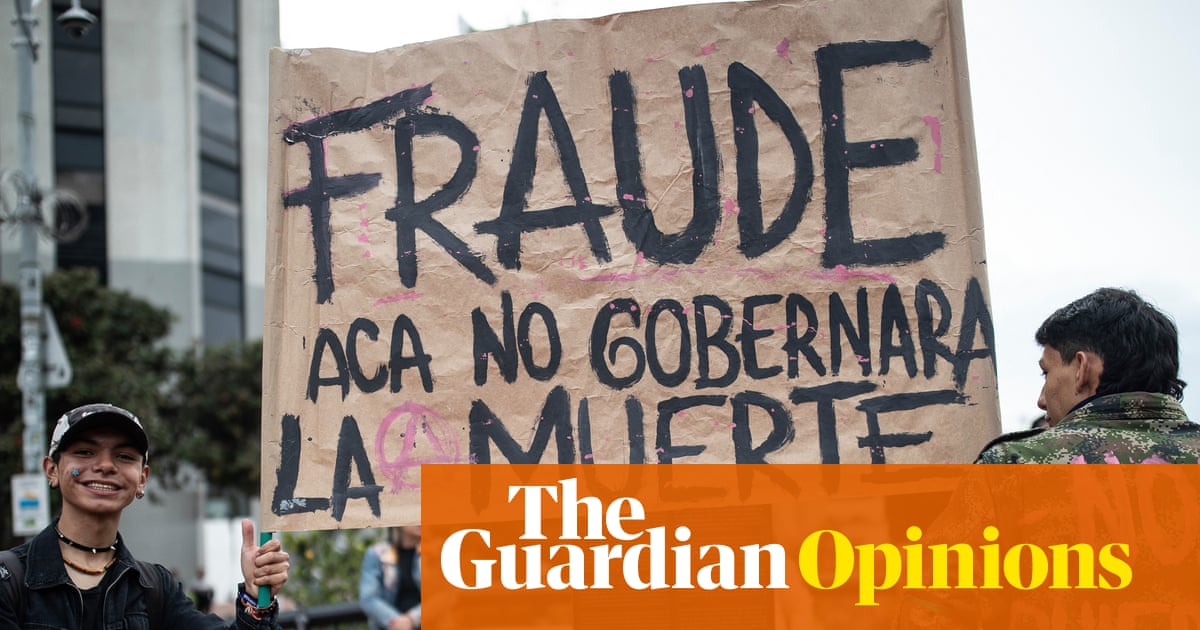
The result was immediately disputed by Petro, who alleged that digital systems tied to Colombia’s election infrastructure had been compromised and suggested Israel was behind interference in the vote. Those accusations were rejected by the attorney general, while international monitors, including the Carter Center and the European Union, said the vote-counting process was valid.
Petro’s claims centered on alleged changes to IP addresses and server access at the National Registry, which he said may have allowed unauthorized manipulation of electoral data. His remarks fuelled a storm of speculation online, but no public evidence has emerged to substantiate a foreign plot, and the accusations remain unproven.
Cepeda initially challenged the result but later conceded, helping to reduce immediate fears of a prolonged institutional crisis. Even so, de la Espriella has suspended transition talks in the wake of Petro’s allegations, underscoring how fragile the political atmosphere remains ahead of his inauguration on August 7, 2026.
Why he won
De la Espriella’s campaign appears to have succeeded because it matched a powerful public mood: fear over violence, frustration with the economy, and fatigue with traditional politics. Reuters described the race as dominated by security and economic concerns, and de la Espriella positioned himself as the candidate who would “restore order” through tougher policing, military pressure, and an aggressive anti-crime agenda.
He also benefited from outsider appeal. As a political newcomer with a brand built on blunt rhetoric and business credentials, he presented himself as someone outside the old party system, which resonated with voters dissatisfied with both Petro’s leftist project and the establishment left-right divide.theguardian+1
Campaign pledges
His main promises included:
- A tougher security crackdown on armed groups and narcotrafficking.
- New mega-prisons and a more punitive criminal-justice approach.
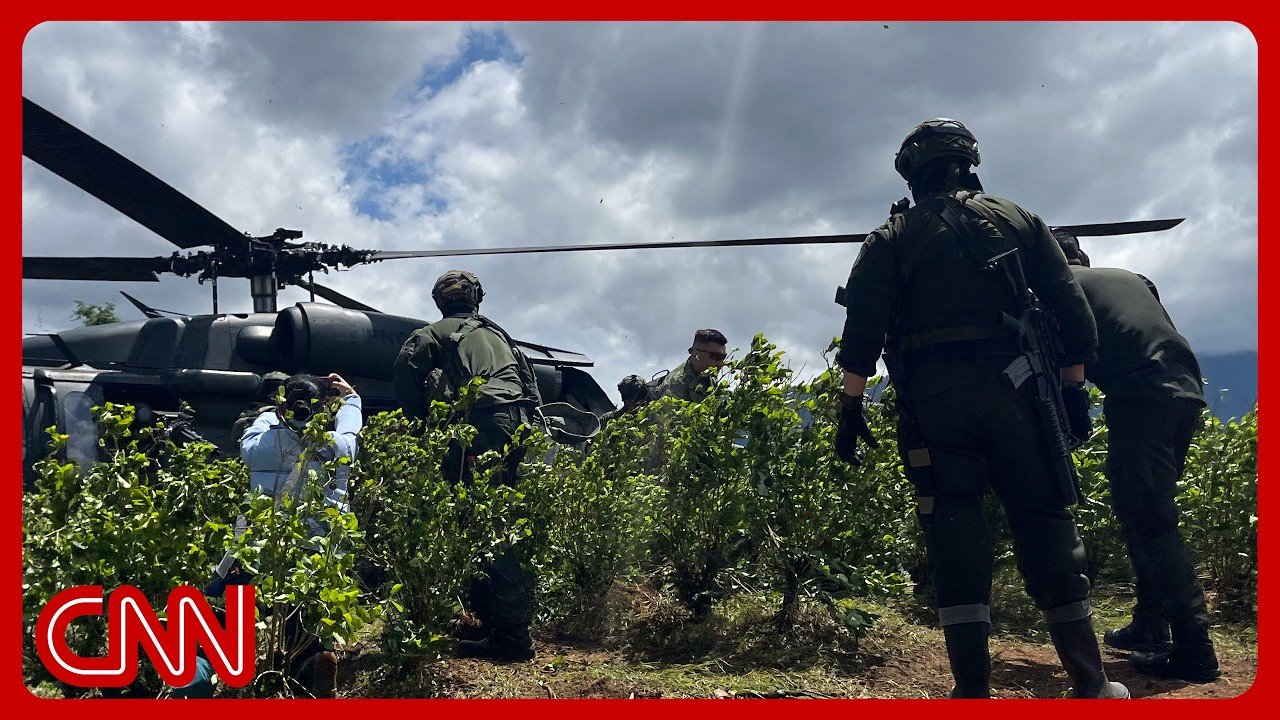
- Resuming airstrikes and, where legally permitted, aerial spraying of coca crops.
- Lower taxes and a smaller state, including a claimed 40% reduction in government size.
- Reviving oil exploration and boosting private investment.
- Closer alignment with the United States and Israel.
Reactions and fallout
The campaign’s hardline tone energized supporters but also alarmed critics who fear abuses under a more militarized security strategy. De la Espriella’s allies have framed the win as a mandate for national unity and constitutional order, while the political left has warned of mass protests against his policies and foreign-policy realignment.
The Israel controversy has further complicated the transition. Petro’s accusations drew attention because they were unusually direct and geopolitical, but they have not been independently substantiated, and the election itself was validated by international observers. That leaves de la Espriella facing both a legitimacy battle and the challenge of governing a sharply divided country.