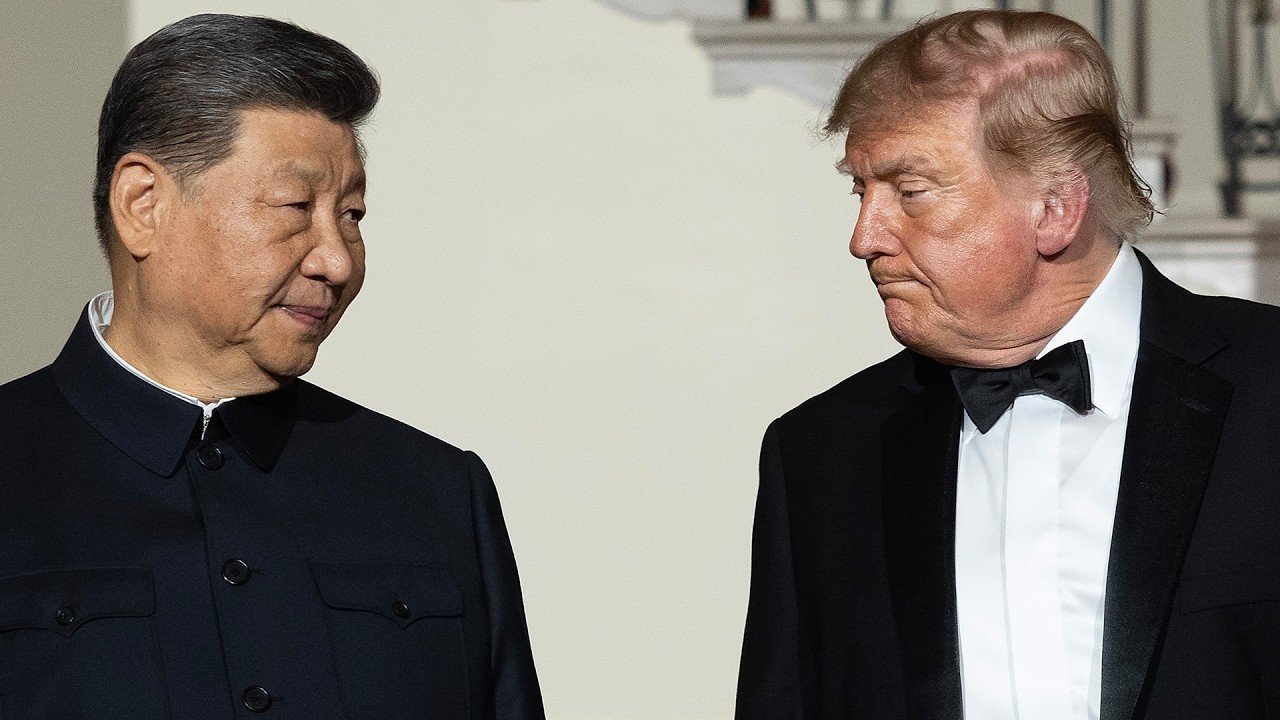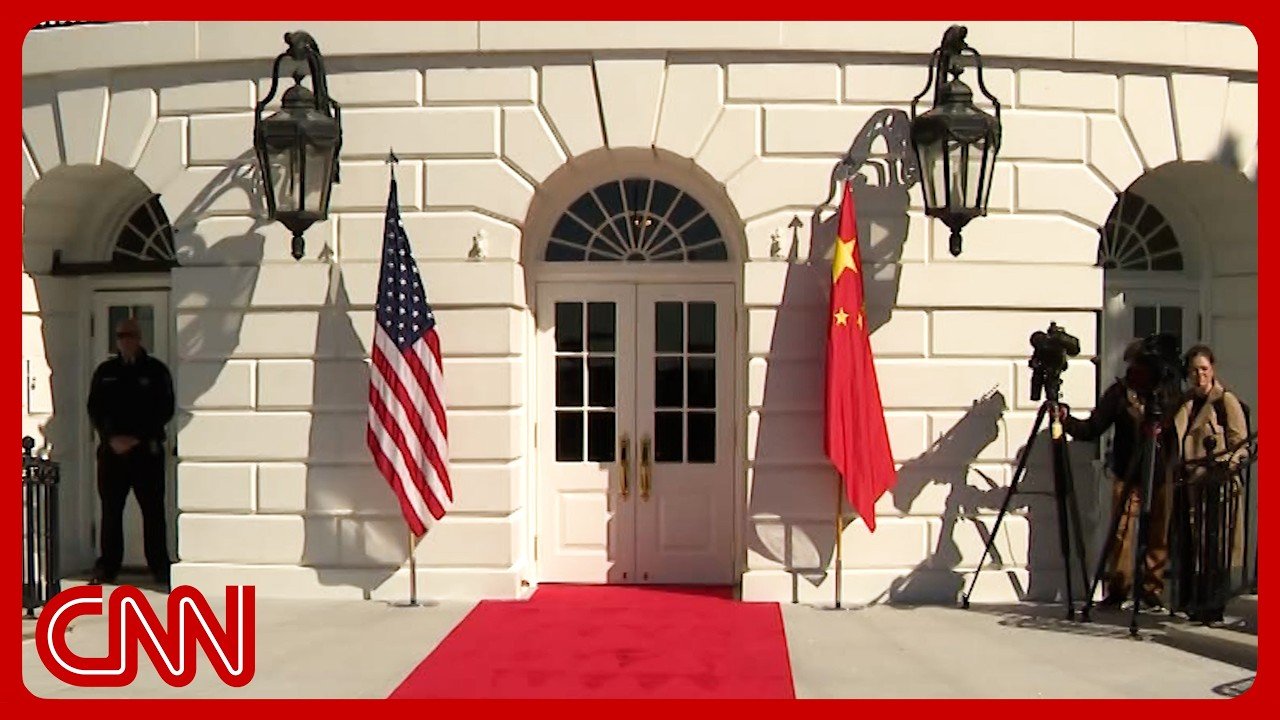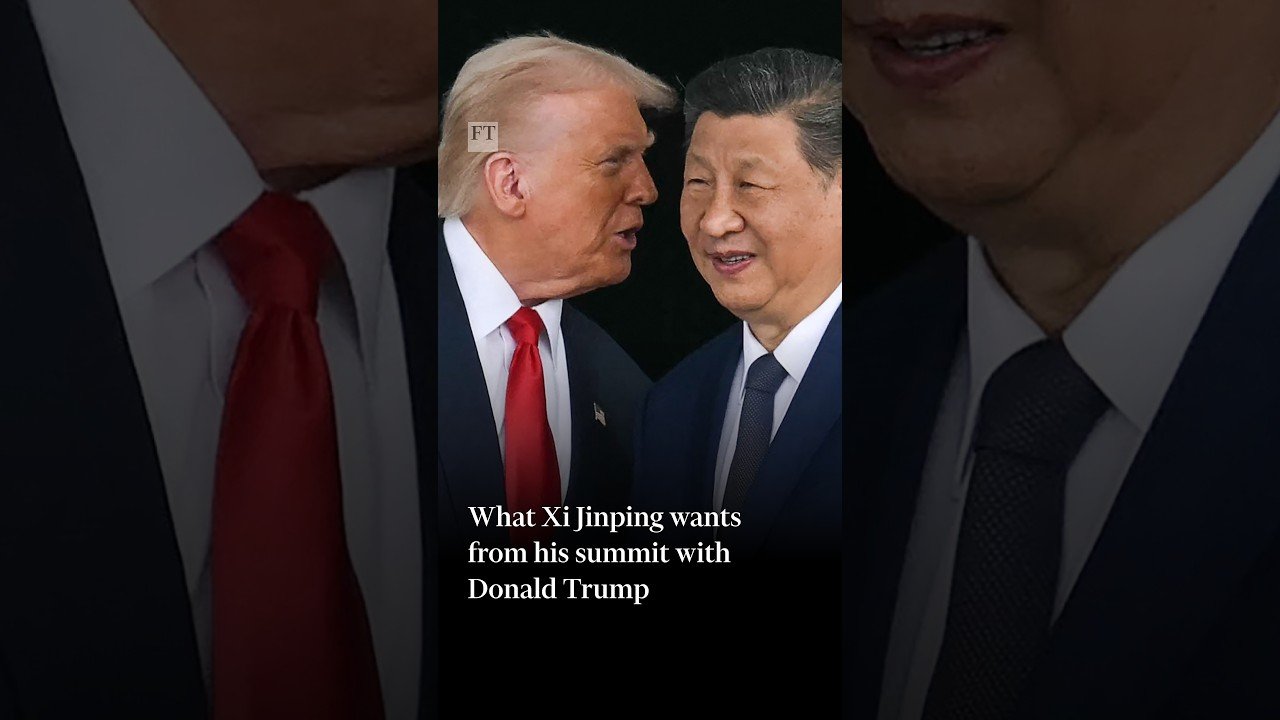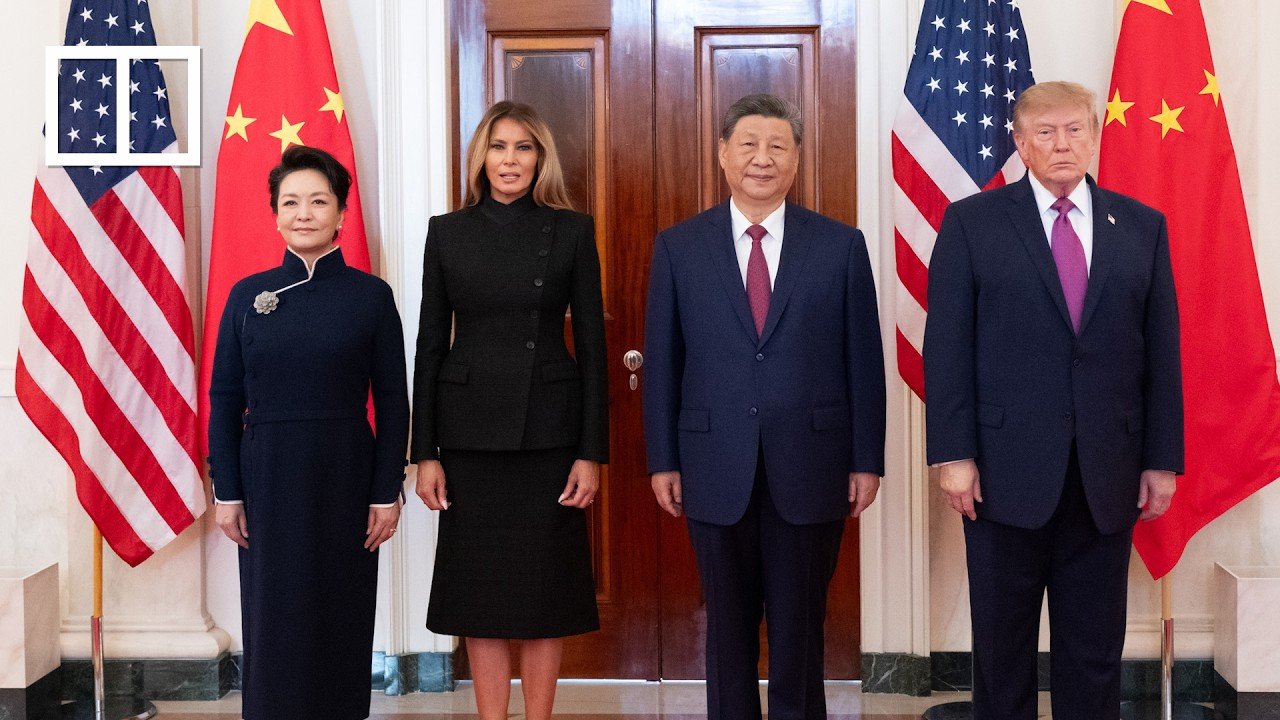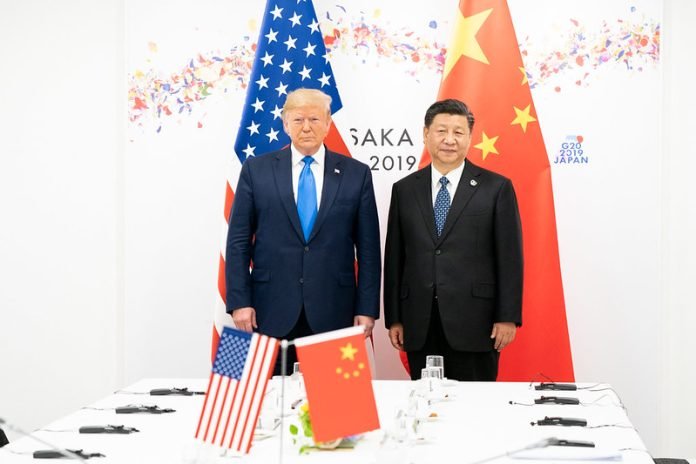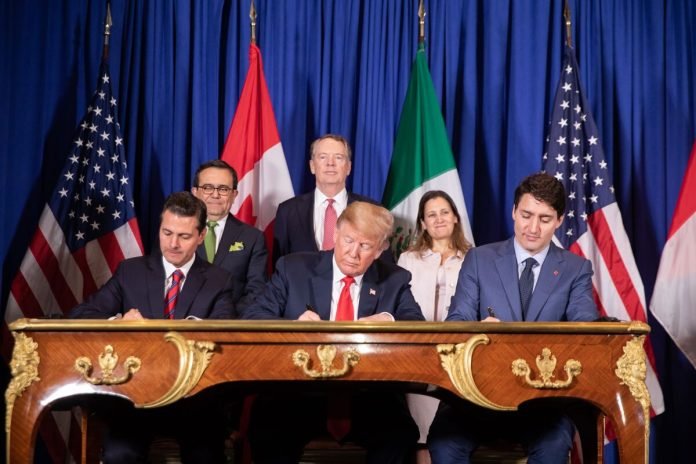
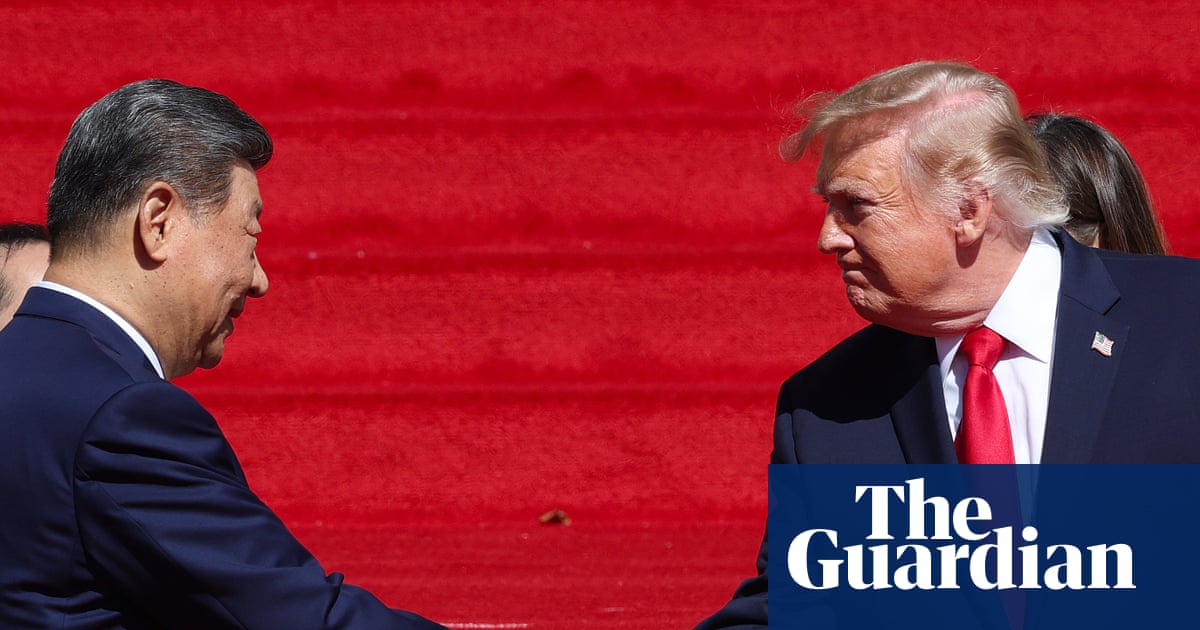



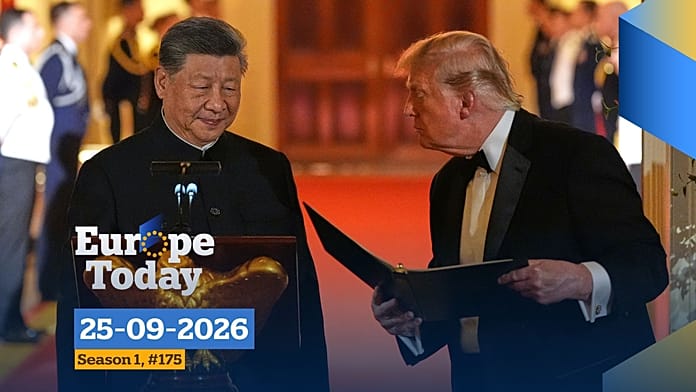

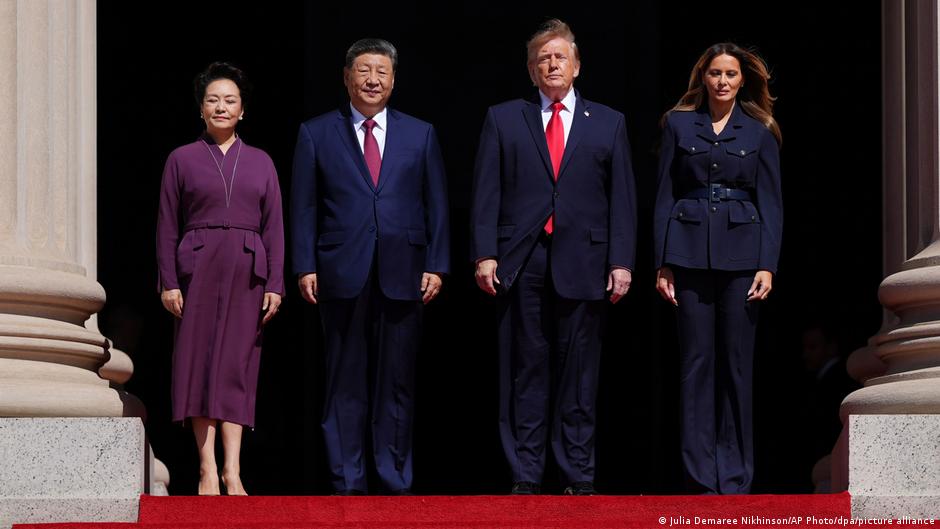

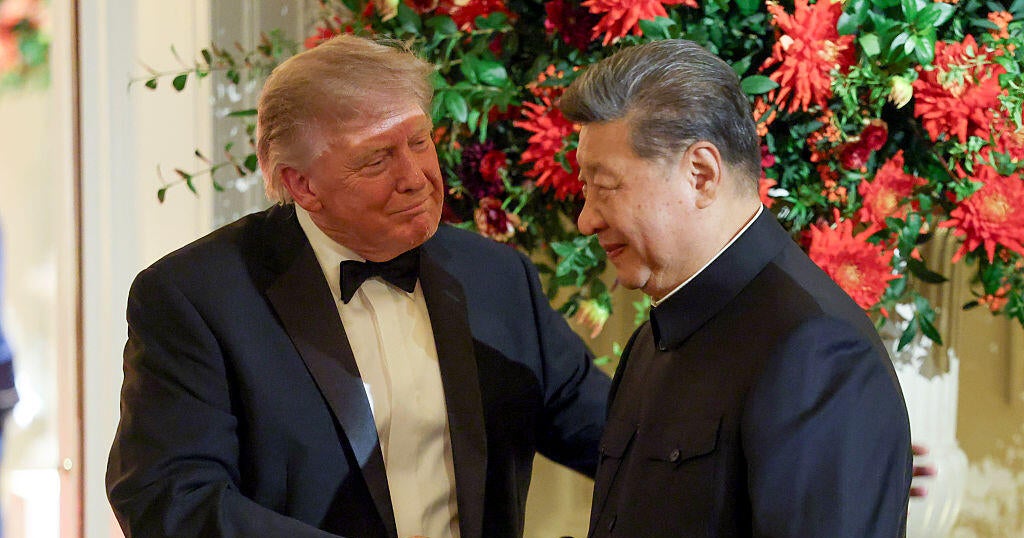






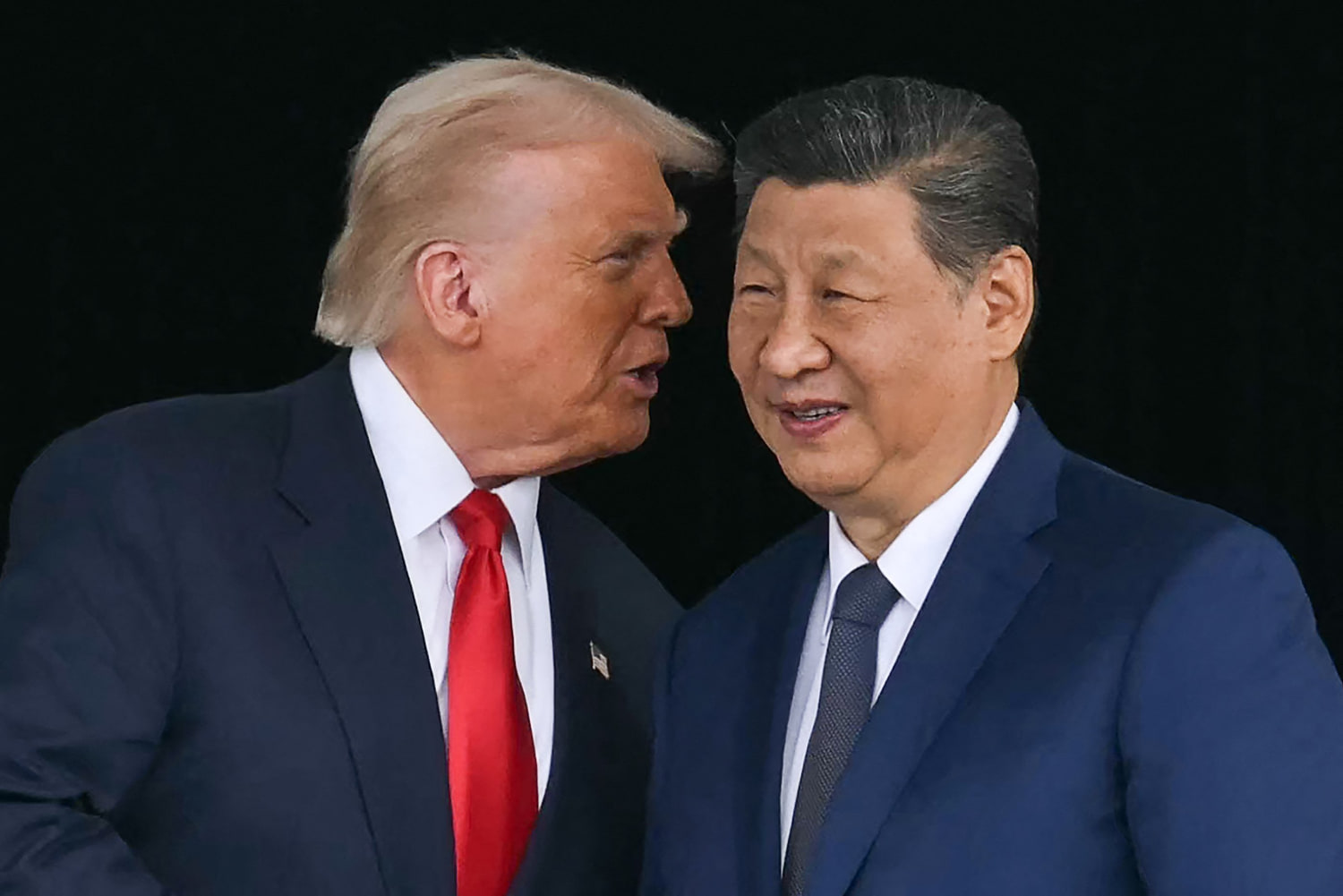
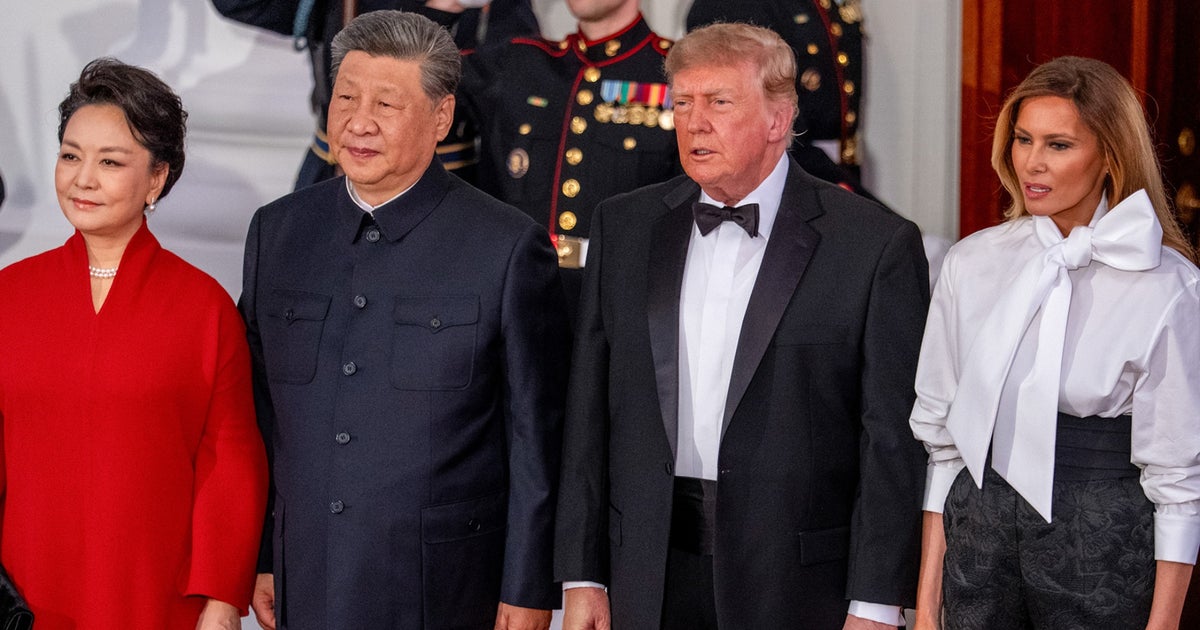
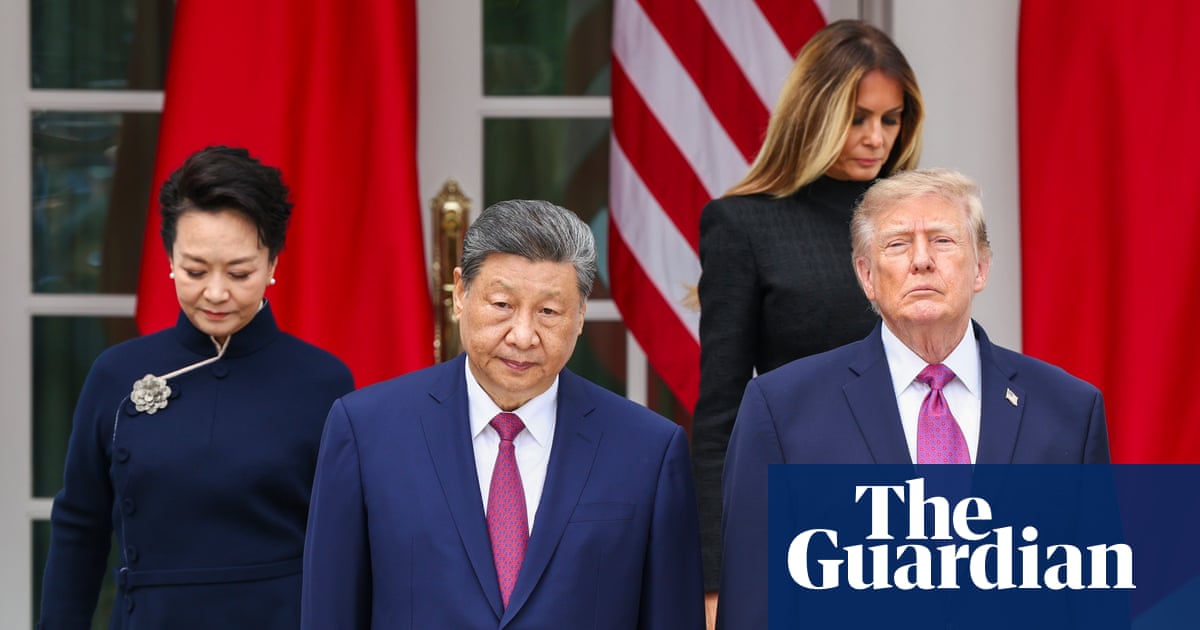

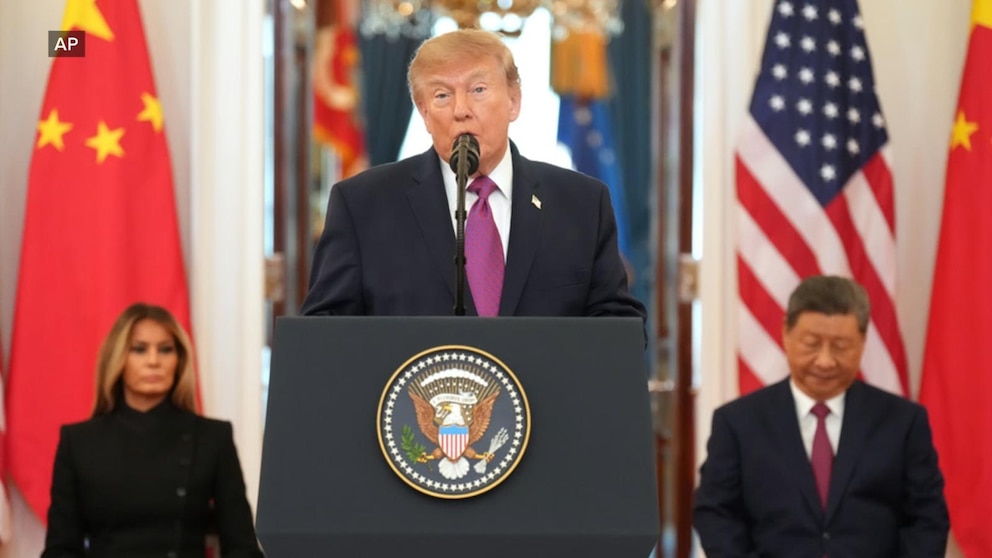


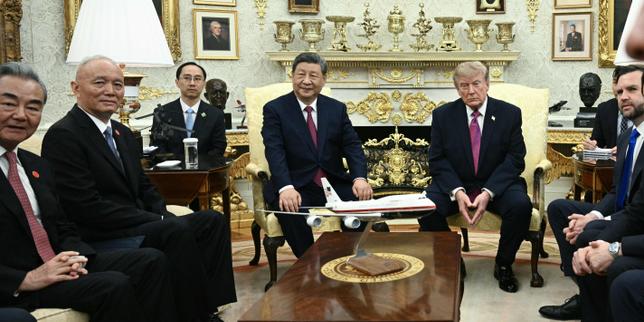





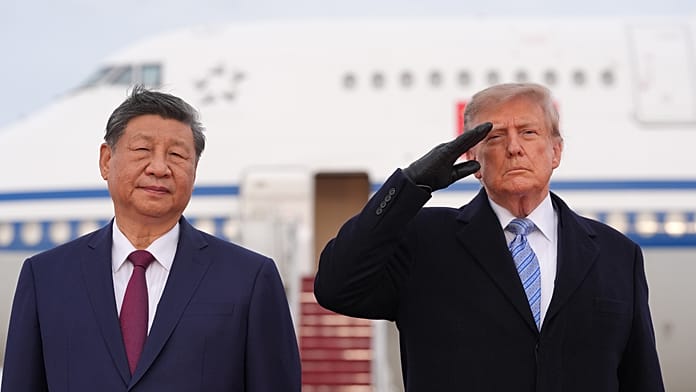
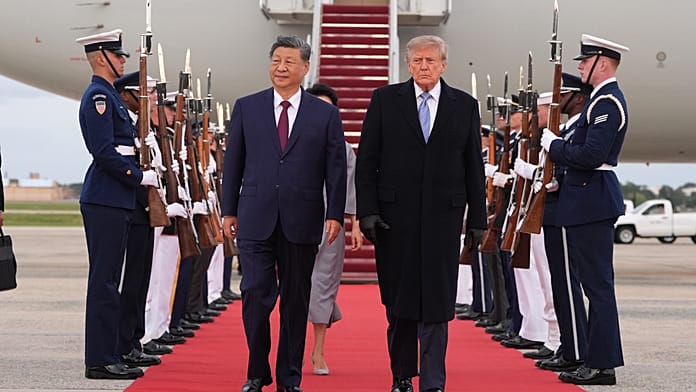

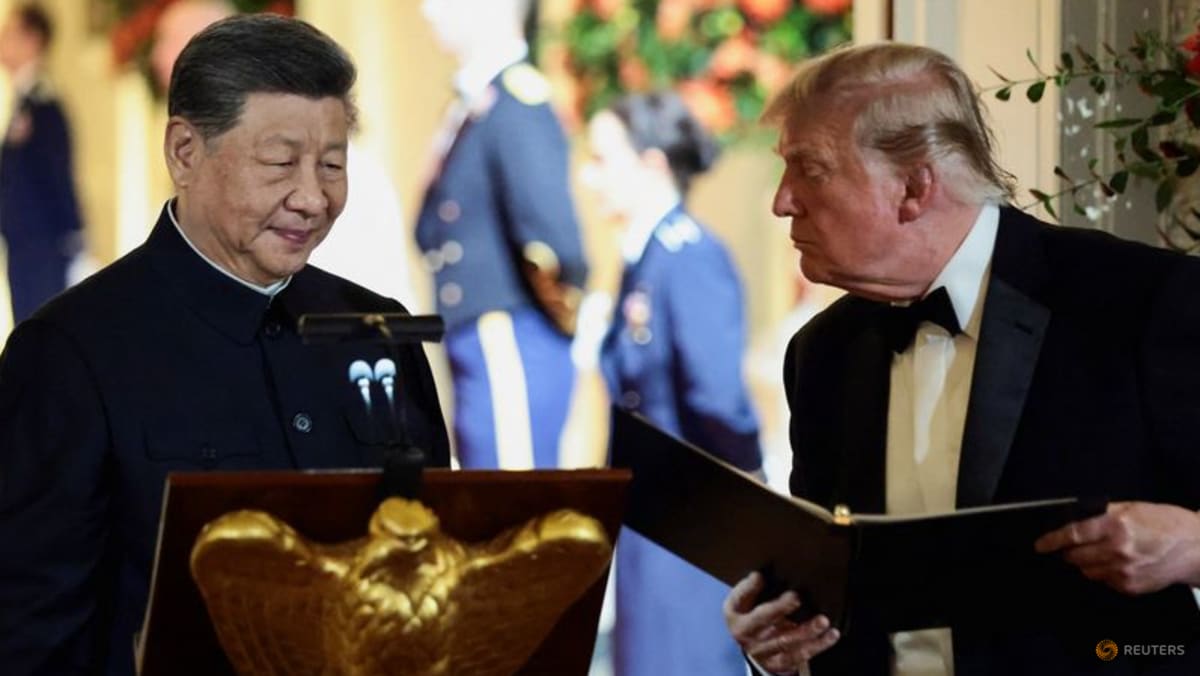
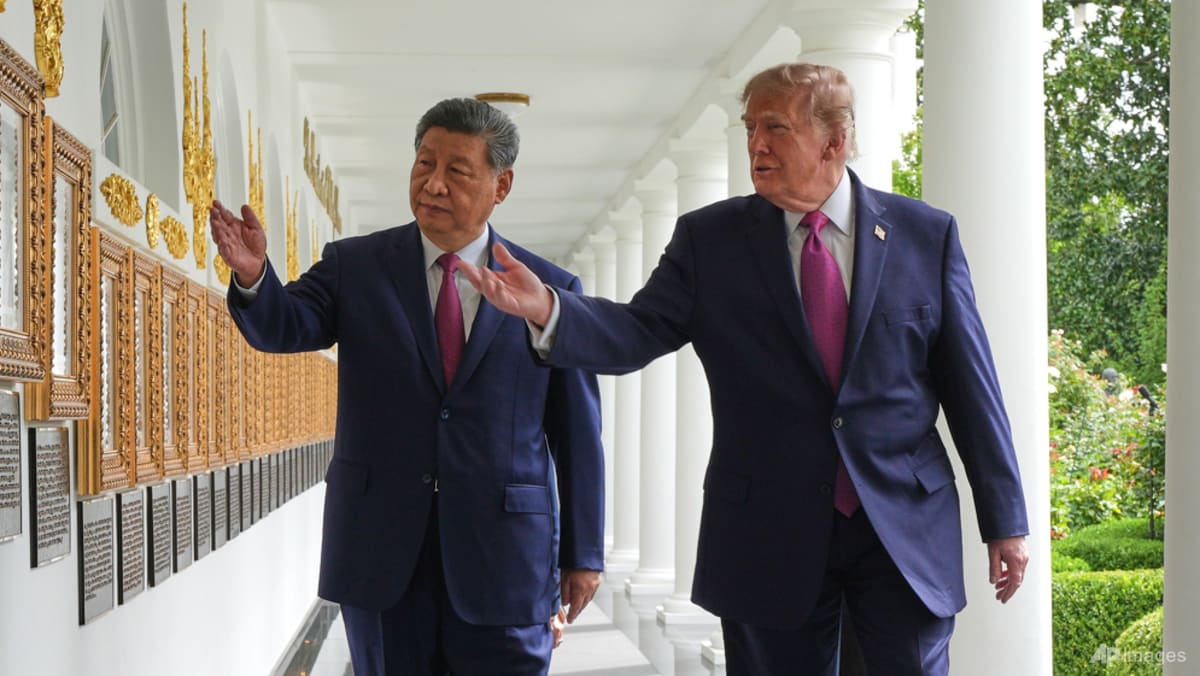
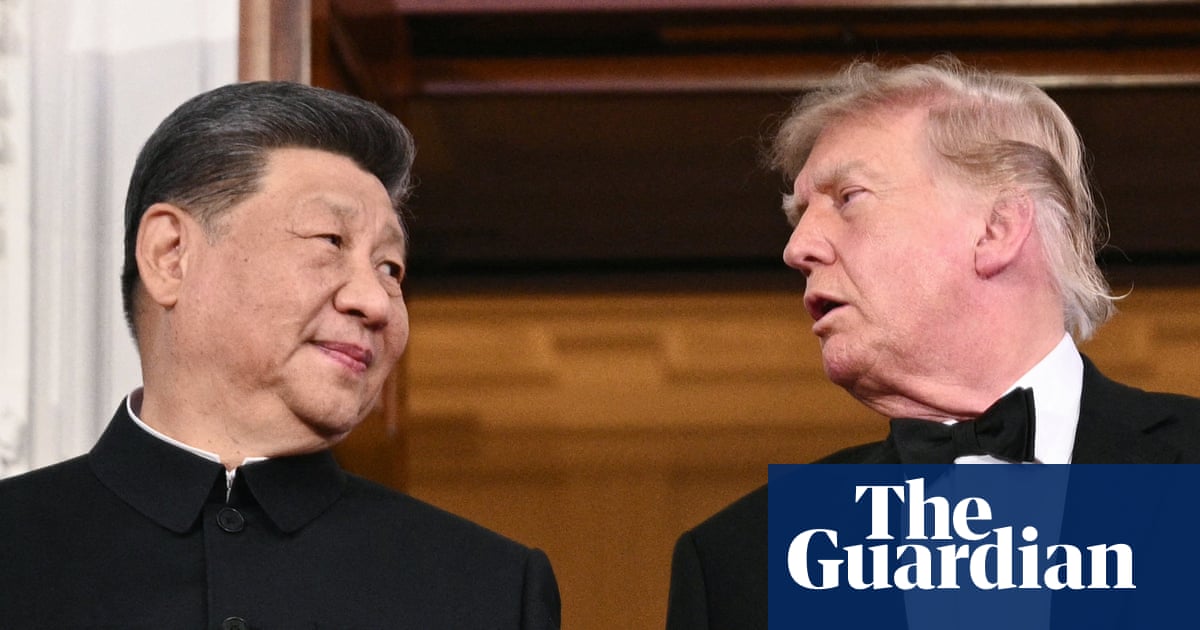
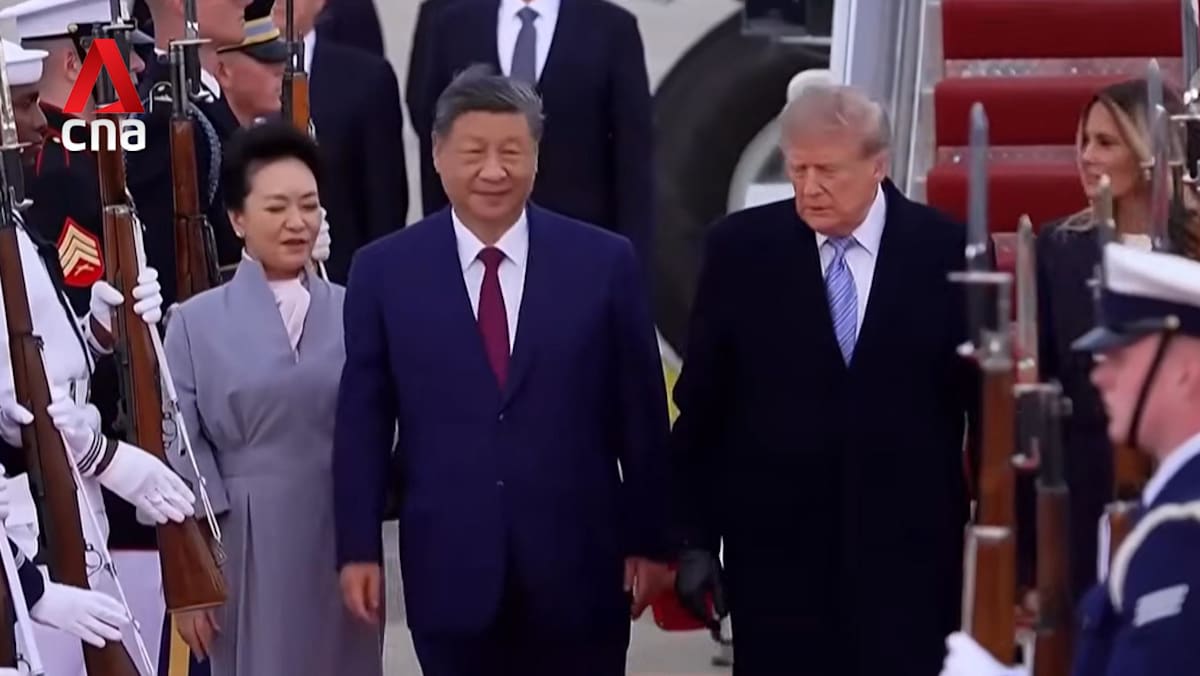
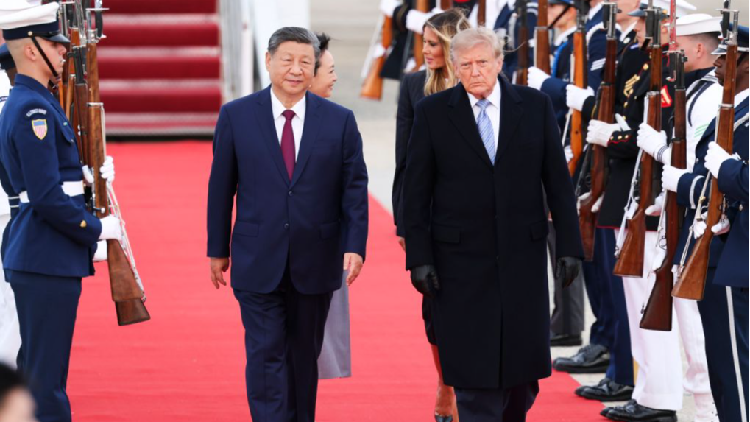



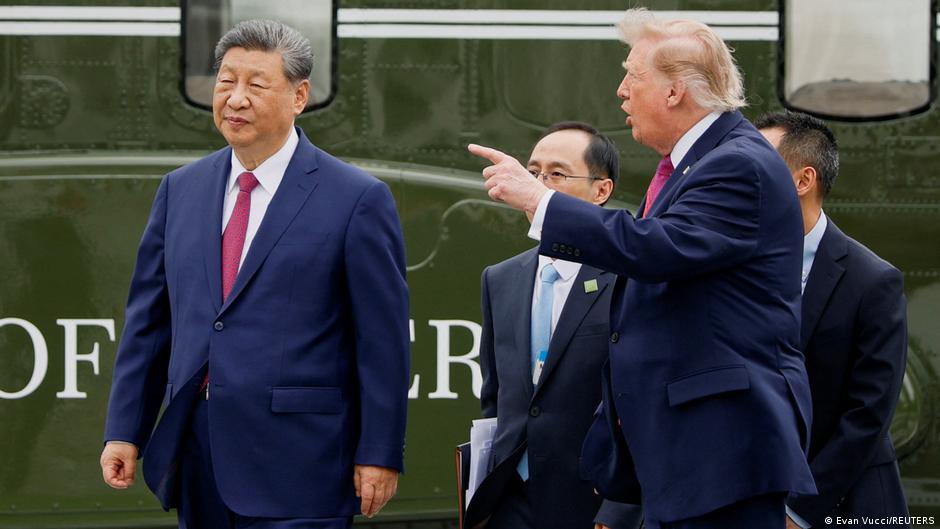

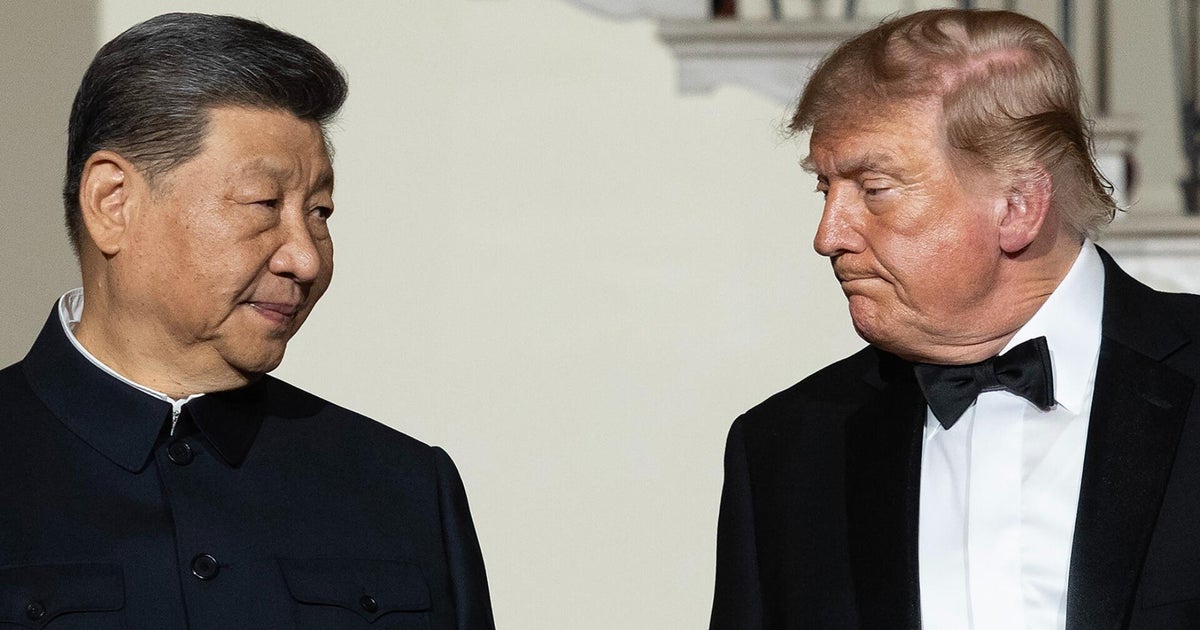
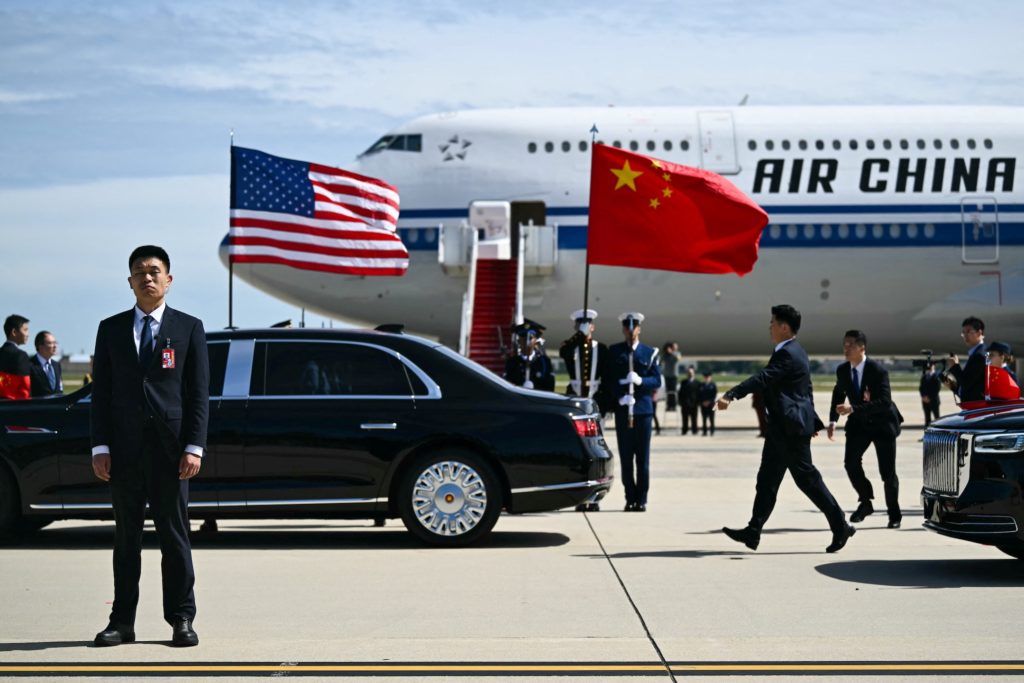



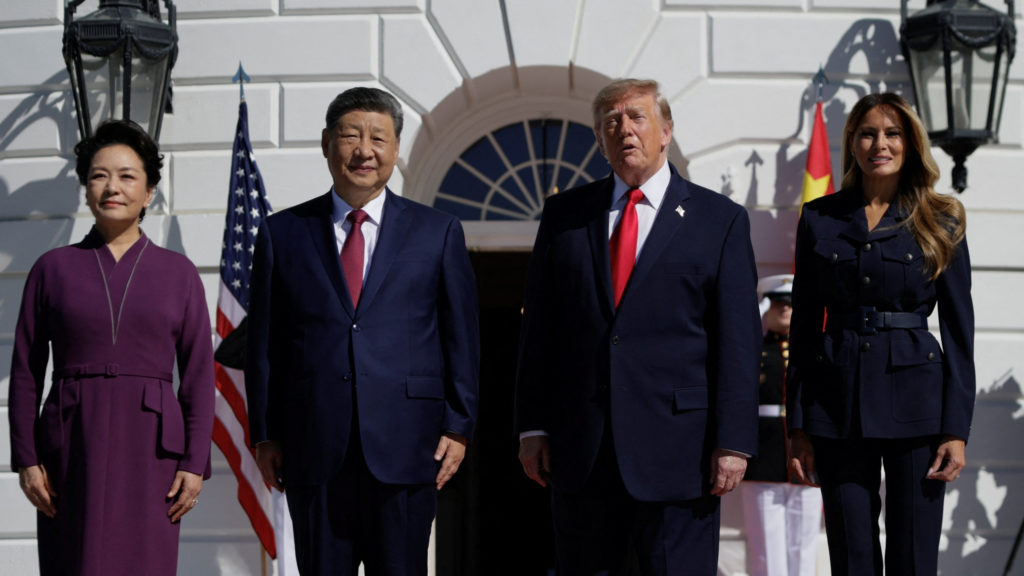

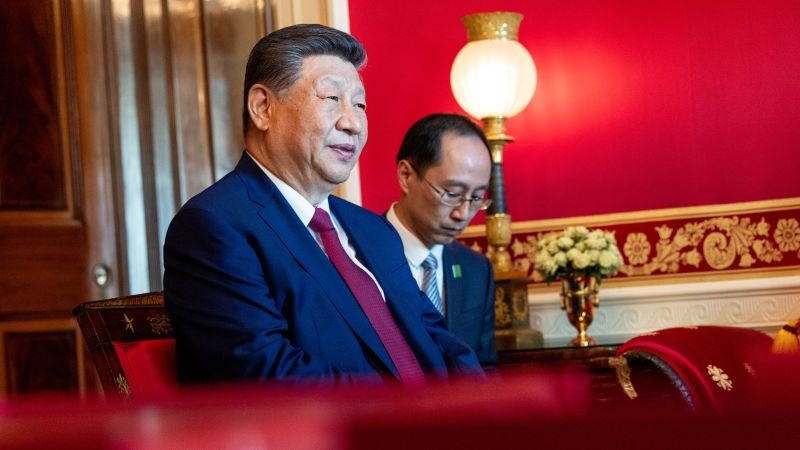
US President Donald Trump and Chinese President Xi Jinping wrapped a three‑day state visit at the White House on September 25, 2026, with a joint emphasis on ceremony and personal diplomacy, a narrow set of economic concessions, and a new bilateral channel to manage artificial‑intelligence risks under a renamed “super intelligence” framework.
What was agreed: AI, trade, coal, and tariffs
- AI/”Super Intelligence” dialogue and incident hotline
The White House fact sheet said the two sides would establish a “US–China Super Intelligence (SI) Dialogue” to exchange views on risks and benefits, with the next exchange due by November 2026, and a bilateral communication channel for SI incidents—a kind of emergency hotline for AI‑related crises. Both sides also agreed to use the term “super intelligence” instead of “artificial intelligence” in official communications, a phrasing Trump has pushed and that Beijing said it “respects”. - Trade truce extension and targeted tariff relief
The leaders agreed to a two‑month extension of the existing trade truce that was set to expire in November, pushing the pause to January 10, 2027, while broader negotiations continue. Separately, they reached consensus on more favorable tariff treatment for about $30billion of “non‑sensitive” goods in each direction, covering US exports such as agricultural products, wood and cosmetics, and US imports including small appliances, toys and decorations. - Coal purchases and other economic items
The White House reported that China agreed to import at least 10 million metric tons of US coal in 2027–2028, one of the few quantified purchase commitments from the visit.
The fact sheet also noted continued work on US concerns about China’s rare‑earth export controls, a US request for Beijing to increase refined petroleum output to help stabilize global supply, and further steps to curb fentanyl‑precursor flows. - Pandas and symbolism
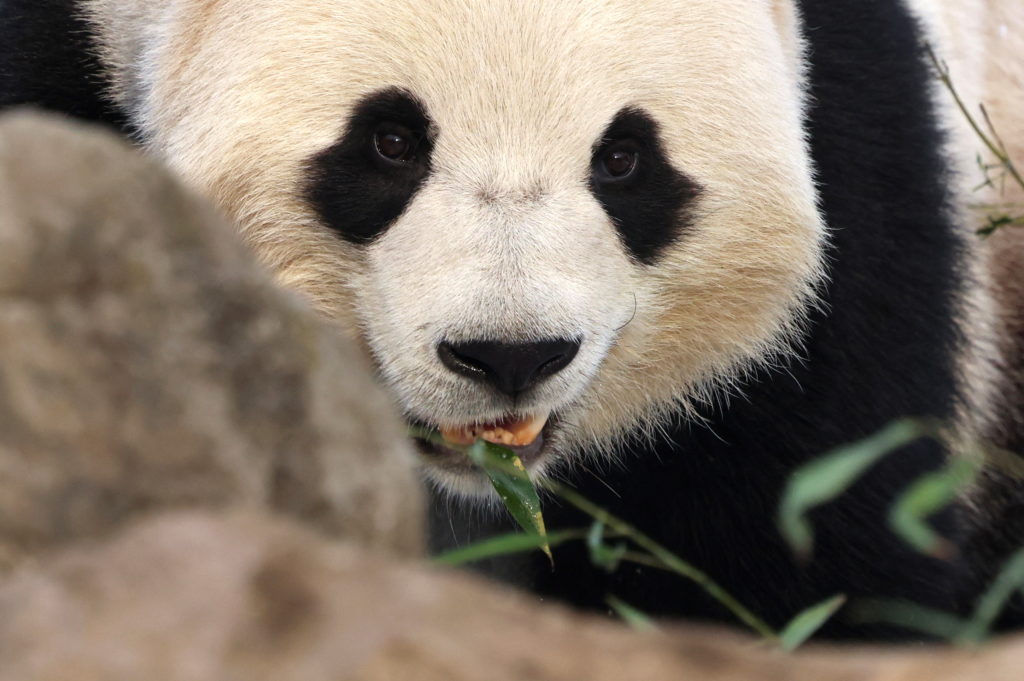
In a lighter but high‑visibility gesture, the two sides confirmed that two Chinese pandas would be sent to a US zoo, widely reported as part of the summit’s goodwill package.
Geopolitics: Iran, Ukraine, Korea—and Taiwan’s red lines
Behind the ceremonial veneer, the talks ranged over several flashpoints. The White House said the leaders discussed the wars involving Iran and Ukraine and tensions on the Korean Peninsula, though no major public breakthroughs were announced on those files.
On Taiwan, the visit underscored entrenched positions. Chinese officials reiterated Beijing’s core sensitivities, with Ambassador Xie Feng publicly outlining four “red lines” that must not be crossed: the Taiwan question; democracy and human rights; development paths/systems; and development rights.
Trump, meanwhile, has recently questioned the utility of defending Taiwan and floated pausing a $14billion US weapons package as a negotiating lever, before later suggesting Xi “understands” his position.
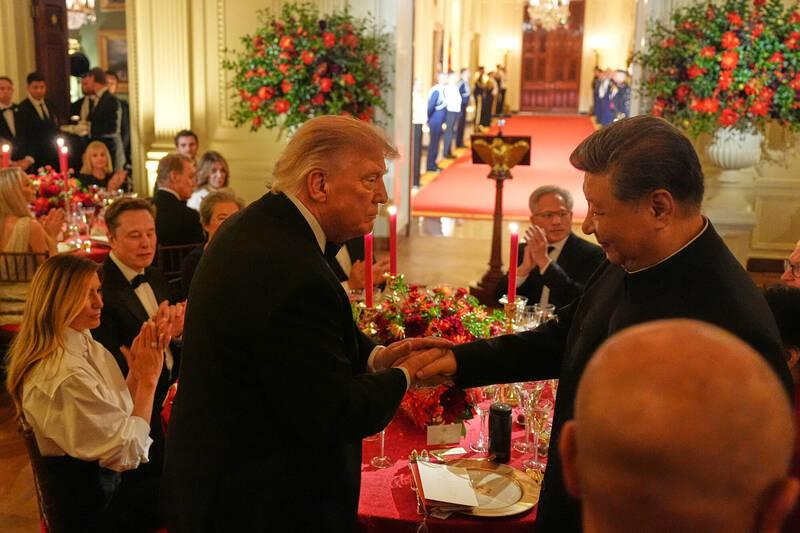
The state dinner: tech titans, finance leaders, and a curated guest list
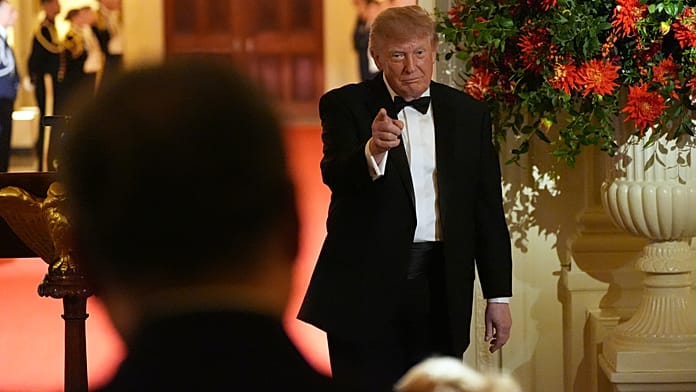
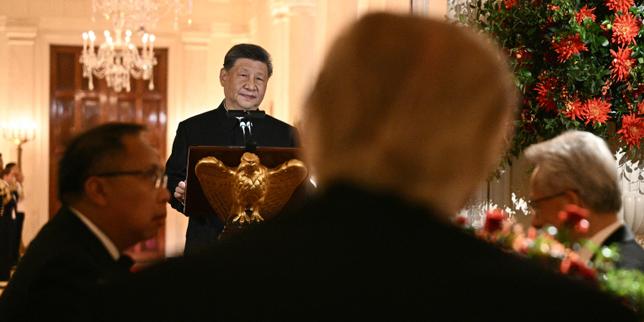
A centerpiece of the visit was Thursday’s state dinner hosted by Trump and First Lady Melania Trump, with more than 130 guests and a heavy weighting toward American technology and finance executives alongside Chinese officials. Reported attendees included:
- Elon Musk (Tesla, SpaceX, xAI)
- Sam Altman and Greg Brockman (OpenAI)
- Jensen Huang (Nvidia)
- Tim Cook (Apple)
- Jeff Bezos (Amazon)
- Sundar Pichai (Google/Alphabet)
- Michael Dell (Dell Technologies)
- Jane Fraser (Citigroup)
- Lisa Su (AMD)
- Mark Zuckerberg (Meta); and
- Sergey Brin (Google co‑founder).
The guest list signaled that, despite limited policy deliverables, both capitals view AI, chips, cloud, and consumer tech as central to the next phase of US–China economic statecraft.
Pageantry, protest, and press access
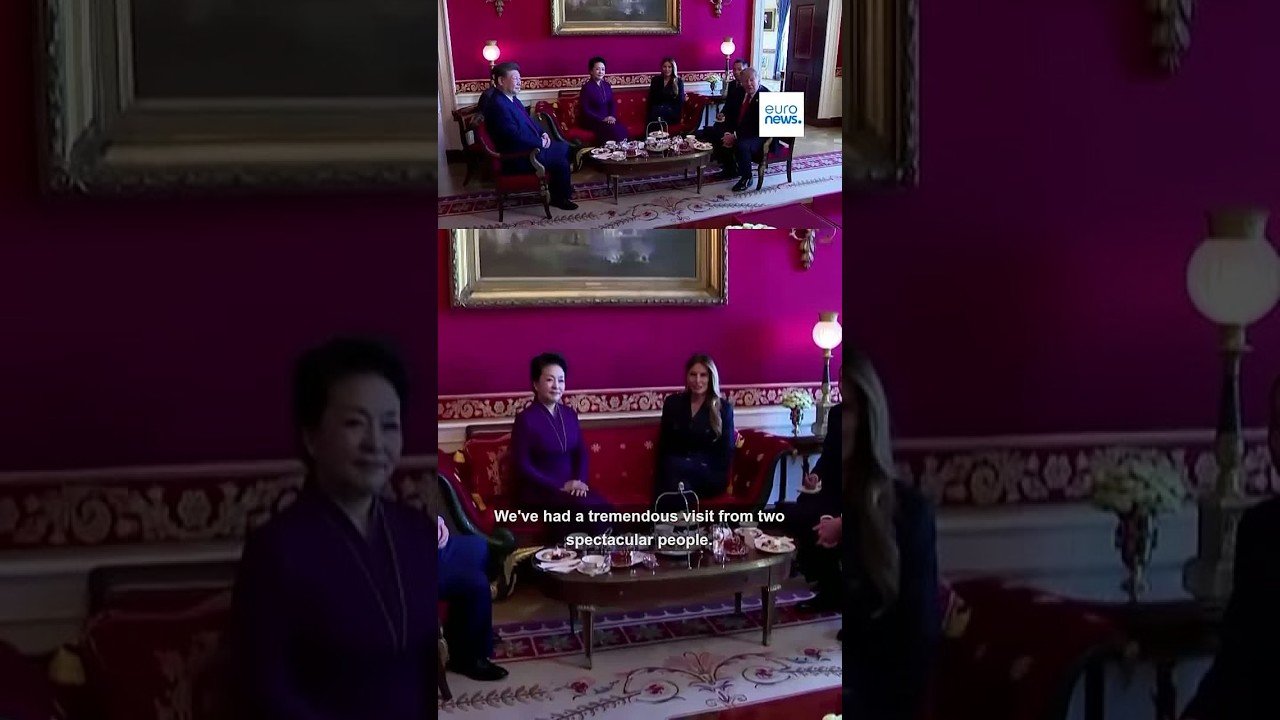
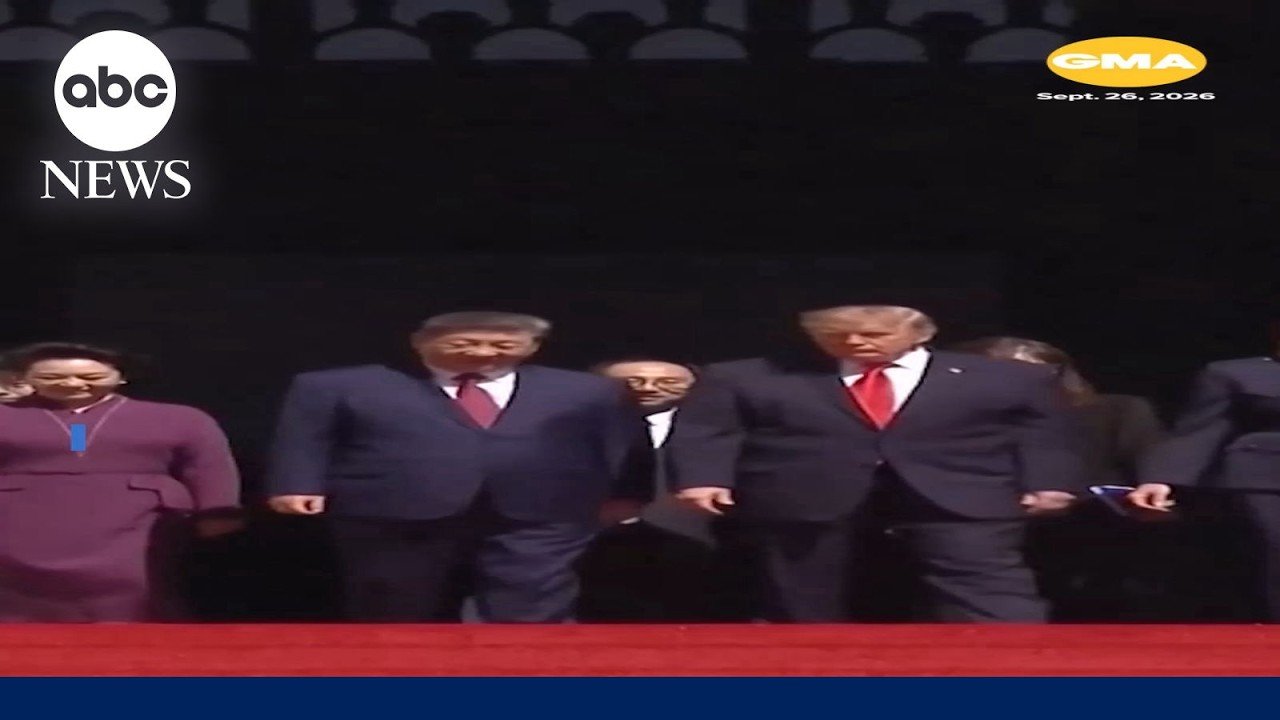
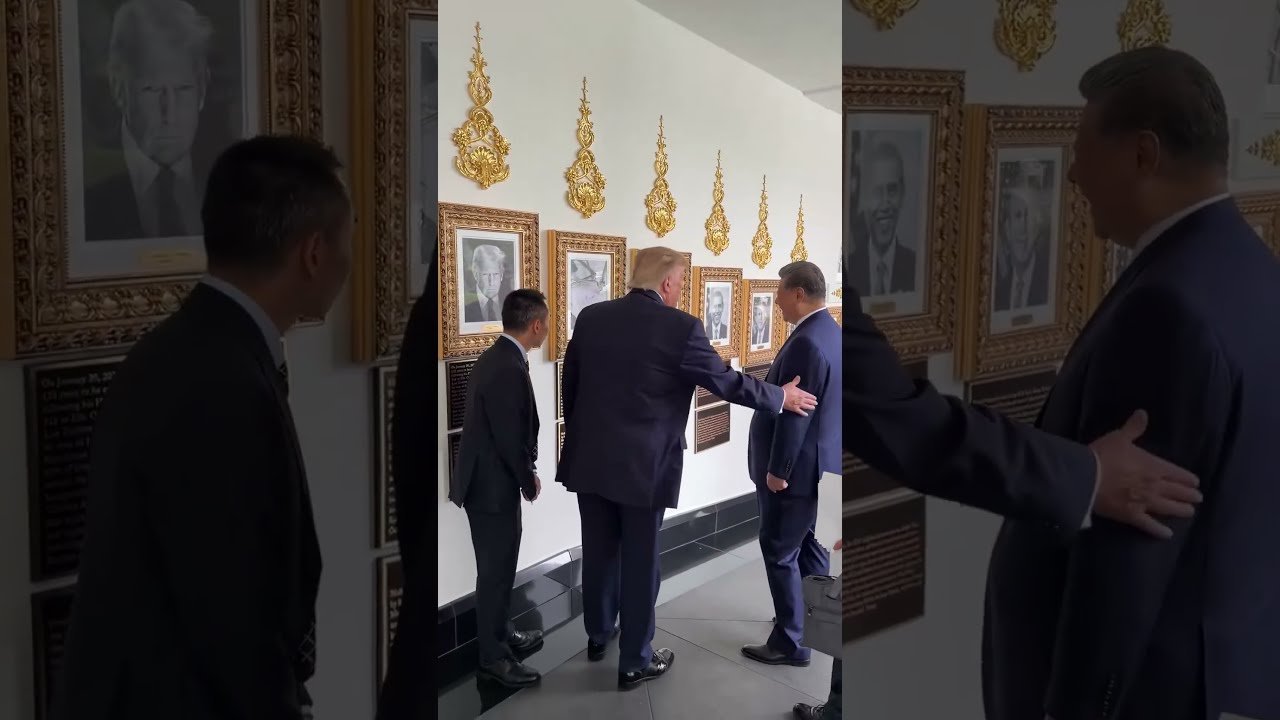
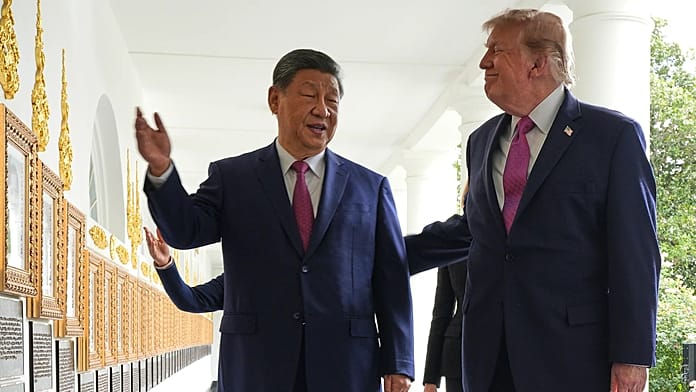
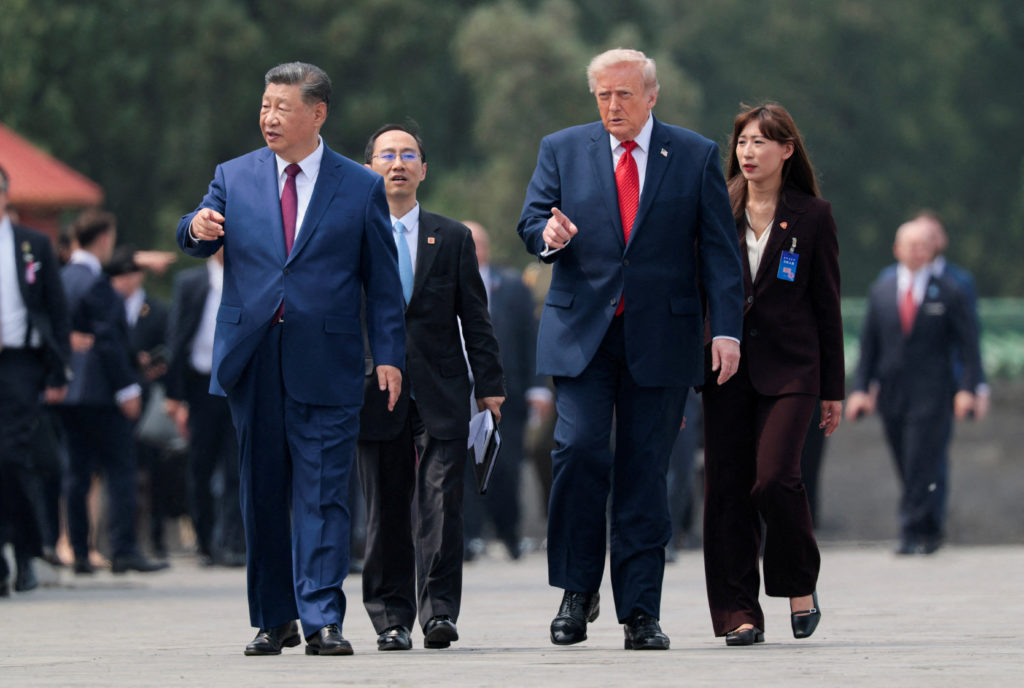
The visit was staged as a showcase of personal rapport. The White House highlighted military pageantry, including historic fife‑and‑drum formations, and Trump’s custom touches to the grounds, while the summit closed with a televised tea ceremony and a joint tour of the US National Archives Museum.
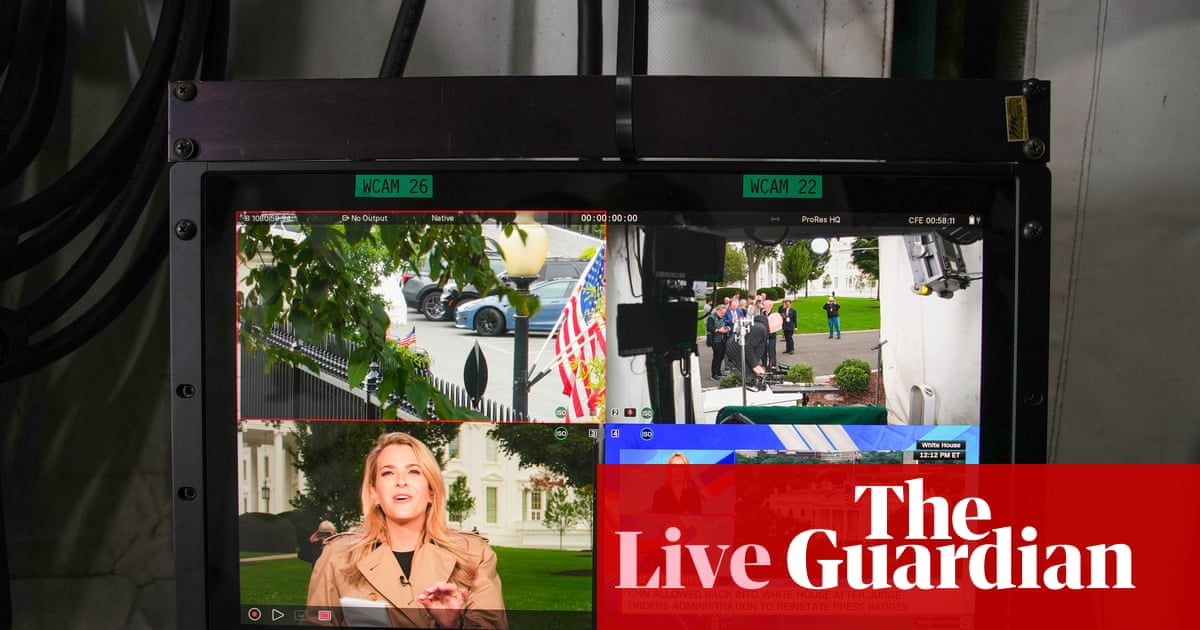
At the same time, the trip unfolded against a domestic media controversy: reporting indicated that the Trump administration barred journalists from CNN, MS NOW, and Politico from certain summit events, contributing to a blackout of live broadcast footage of key arrival and opening moments on major US networks. That restriction drew criticism from press‑freedom advocates even as officials defended security and logistics decisions.
What comes next: APEC in Shenzhen and G20 in Miami
Trump and Xi confirmed they will meet twice more before year‑end: first in November at the APEC summit in Shenzhen, China, and again in December at the G20 summit hosted at Trump’s Doral golf resort in Miami, Florida.
The White House fact sheet also noted that the next US–China Super Intelligence exchange is scheduled by November 2026, effectively tying the AI track to the APEC timeline.