China invites Taiwan’s opposition leader. Is this a big deal?

Jump to Timeline

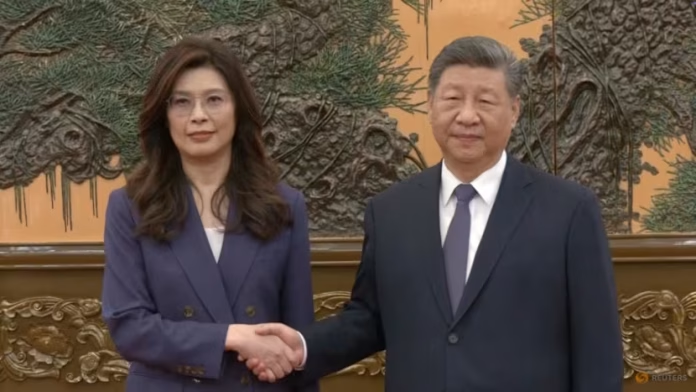
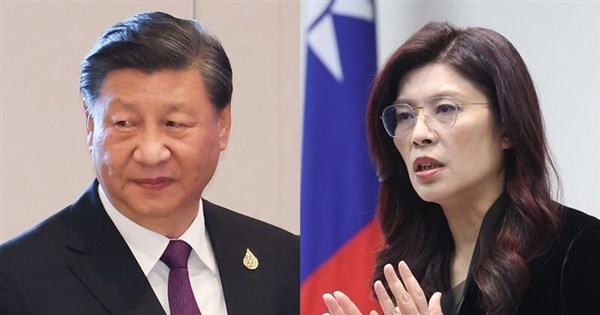
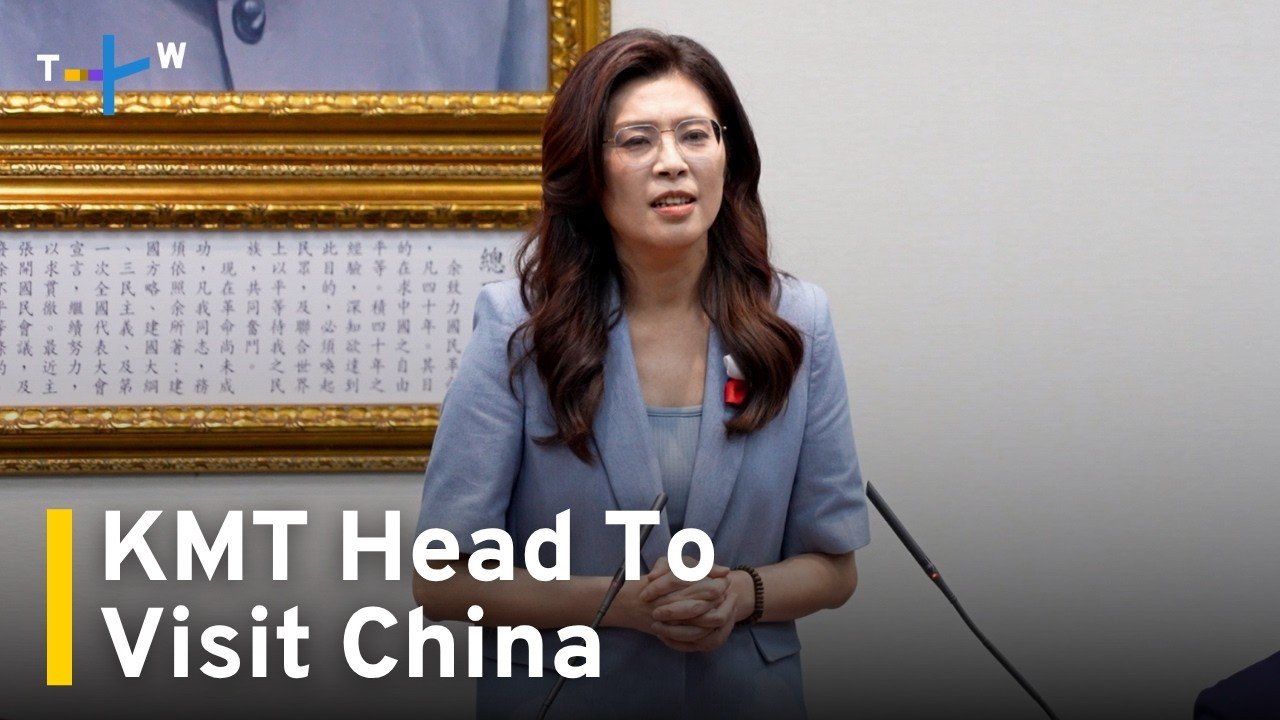
Chinese President Xi Jinping invited Kuomintang (KMT) Chairwoman Cheng Li-wun to visit China from April 7 to April 12, 2026. The KMT said it “gladly accepted” the invitation, framing the visit as an opportunity to build mutual trust. Cheng and her delegation are expected to travel to Jiangsu, Shanghai, and Beijing.

The trip will mark the first visit by a sitting KMT leader to China since 2016, when then-chairwoman Hung Hsiu-chu met Xi. It also comes weeks ahead of a planned summit between Xi and US President Donald Trump in mid-May.

Stated goals: Cross-Strait stability

Both sides have framed the visit as an effort to promote the “peaceful development of cross-strait relations” and deepen exchanges between the Chinese Communist Party (CPC) and the KMT.

Cheng has said she hopes the trip will demonstrate that the two sides “are not doomed to war” and help lay a foundation for long-term stability.

Beijing’s strategic calculus

Analysts say the invitation reflects broader geopolitical objectives beyond symbolic engagement. Chinese officials have emphasized dialogue with the KMT as part of a broader effort to reinforce a narrative of peaceful development across the Taiwan Strait. Observers note that the visit’s final stop in Beijing may allow authorities to evaluate Cheng’s messaging before deciding whether to elevate the trip into a formal meeting with Xi Jinping.

The timing of the visit, just weeks before Xi’s planned summit with US President Donald Trump, has also drawn attention. Analysts suggest Beijing may seek to demonstrate that there are viable political channels for managing cross-strait tensions, potentially shaping Washington’s approach to Taiwan.

The visit also coincides with a domestic political impasse in Taiwan over a proposed $40 billion defense budget. Some analysts and ruling party figures believe Beijing may be using engagement with the KMT to indirectly influence the debate, particularly as opposition lawmakers have resisted the measure.

At the same time, Beijing continues to refuse engagement with Taiwan President Lai Ching-te, whom it labels a separatist. By hosting the KMT leadership, China signals its preference for political actors that support the “1992 consensus” and oppose formal independence.

Domestic backlash in Taiwan

Taiwan’s ruling Democratic Progressive Party (DPP) has strongly criticized the planned visit, accusing the KMT of undermining national security.

DPP Secretary-General Hsu Kuo-yung has publicly challenged Cheng to raise sensitive issues during any meeting with Xi, including Taiwan’s sovereignty. Meanwhile, Taiwan’s Mainland Affairs Council issued a warning that no political party or individual is authorized to negotiate or sign political agreements with China without government approval.

International reactions and concerns

The United States has responded cautiously but is closely monitoring developments. Analysts warn that a high-profile meeting between Xi and a Taiwanese opposition leader shortly before the Trump-Xi summit could complicate US-Taiwan security coordination.

Some observers suggest such engagement could weaken momentum behind defense cooperation at a critical moment. While US officials have previously engaged Cheng, including through invitations to Washington, there are concerns that closer ties between the KMT and Beijing could have implications for Taiwan’s defense posture and broader regional stability.
youtube placeholder image

Key widely reported facts from verified sources including SCMP, Bloomberg, Reuters, NYTimes, The Straits Times, CNA, The Japan Times, Nikkei Asia, Taipei Times, Global Times, Focus Taiwan

Taiwan condemns historic China-Indonesia naval drill as island wraps up largest war games

The drill coincided with Taiwan wrapping up its largest and most realistic annual military exercises, the 10-day Han Kuang war games.
Read more

Trump says he’ll call Taiwan’s President — breaking 47-Year norm

The historical and ongoing conflict between the US, China, and Taiwan is defined by decades of shifting diplomatic recognition.
Read more

Trump wraps China visit with big promises but few firm agreements

The high-stakes trip focused primarily on the ongoing Iran war, trade relations, AI controls and the cross-strait tensions surrounding Taiwan.
Read more

Xi: Unification is a “historical necessity”

This was the first KMT-CCP leader-level meeting in a decade.
Read more

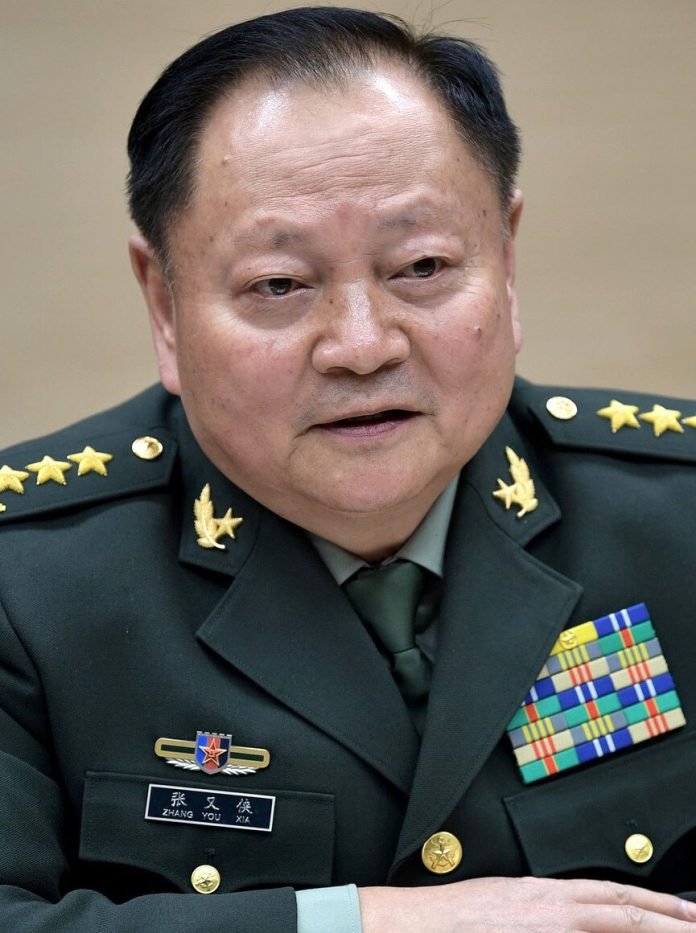
Xi purges top general Zhang Youxia in massive military power grab

In Jan 2026, Chinese leader Xi Jinping escalated what analysts are calling the most significant military purge in half a century.
Read more

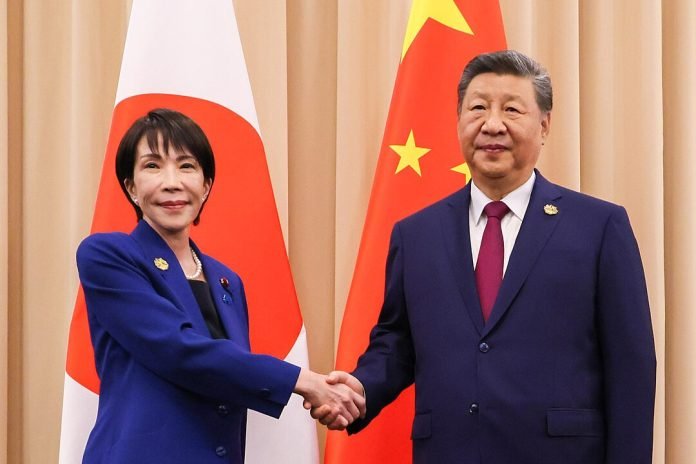
Japan-China Diplomatic Crisis 2025

China-Japan relations have fluctuated between cooperation and conflict for centuries, yet economic interdependence often tempered escalation until the 2025 crisis sparked by PM Takaichi’s remarks.
Read more

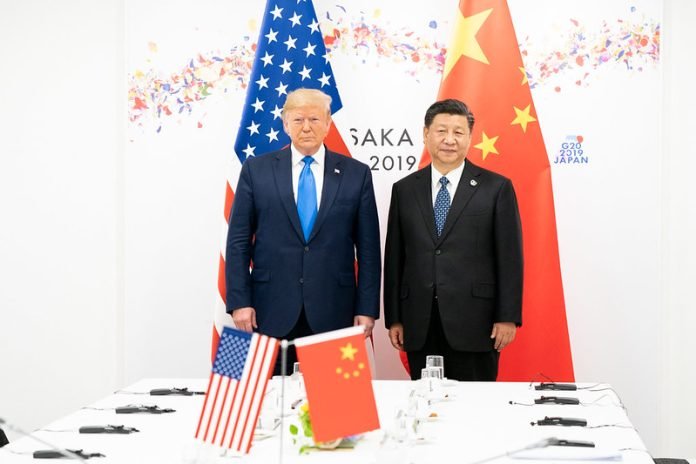
US-China trade war reaches one-year truce

On Oct 30, Trump and Xi Jinping agreed to a one-year trade truce in a meeting in South Korea. Both sides agree to reduce their reciprocal tariffs.
Read more

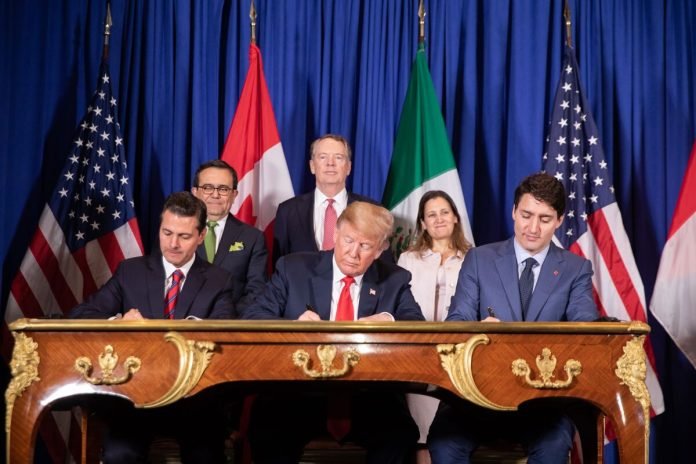
Trump imposes tariffs on top three trading partners: Canada, Mexico  and China

In early Feb 2025, President Donald Trump imposed sweeping new tariffs on Mexico, Canada and China, citing illegal immigration and the flow of illicit fentanyl. 
Read more
Timeline

1949: After the Communist Party wins the Chinese Civil War, the Kuomintang (KMT) government flees to Taiwan, establishing Taipei as its temporary capital.

1954 to 1958: Multiple “Strait Crises” occur involving artillery duels over offshore islands like Kinmen (Quemoy) and Matsu.

1971: The United Nations votes to recognize the People’s Republic of China (PRC) as the only legitimate representative of China, replacing the Republic of China (ROC).

1979: The U.S. switches diplomatic recognition from Taipei to Beijing but passes the Taiwan Relations Act, committing to provide Taiwan with defensive weapons.

1987: Taiwan lifts the ban on residents visiting mainland China, beginning a period of fragile reconciliation and trade growth.

1996: Third Taiwan Strait Crisis: China tests missiles off Taiwan’s coast to deter voters during the island’s first direct presidential election.

2010: The Economic Cooperation Framework Agreement (ECFA) is signed, significantly boosting trade between the two sides.

2015: Leaders of both sides meet for the first time since 1949 in Singapore, though no joint statement is issued.

2016: Tsai Ing-wen (DPP) is elected. Beijing suspends all official communication channels after she refuses to endorse the “One China” principle.

2022: Former U.S. House Speaker Nancy Pelosi visits Taipei, prompting China to launch its largest-ever live-fire military exercises around the island.

Jan 2024: The Democratic Progressive Party (DPP) wins an unprecedented third consecutive presidential term, though they lose their majority in the legislature.

May 2024: Lai Ching-te (DPP) is inaugurated as President. Beijing responds with “Joint Sword 2024A” military drills, labeling them a “punishment” for “separatist acts”.

Oct 2025: President Lai Ching-te announces a historic defense budget for 2026, exceeding 3.3% of GDP to build an integrated air-defense network.

Jan 2026: Taiwan surpasses China in monthly exports to the U.S. for the first time, driven by semiconductor shipments.

Mar 2026: Chinese President Xi Jinping officially invites Cheng Li-wun, chairwoman of Taiwan’s opposition party (KMT), for a high-level visit.

Opinion & Analysis

You may also be interested in

LEAVE A REPLY

Please enter your comment!
Please enter your name here