


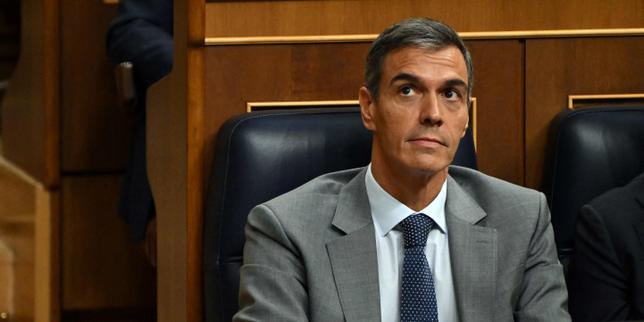












Spain’s political crisis has escalated into a snap general election after Prime Minister Pedro Sánchez called a vote for 29 November 2026, several months ahead of the previously expected summer 2027 election. The immediate trigger was Congress’s rejection of emergency housing measures, which exposed the fragility of Sánchez’s minority government amid nationwide protests over rents and evictions.
A defeat that triggered a vote
On 2 October, Spain’s Congress of Deputies rejected two decree laws designed to strengthen tenant protections and curb pressures in the rental market. The first was rejected by 178 votes to 172; the second by 184 to 166, leaving Sánchez’s left-wing coalition without a working majority.
The measures included automatic renewal of tenancy contracts and restrictions on evicting vulnerable tenants. Their defeat was pivotal because seven lawmakers from Junts—the conservative Catalan separatist party whose support the government had relied on since 2023—helped bring the measures down.
Housing crisis at the centre
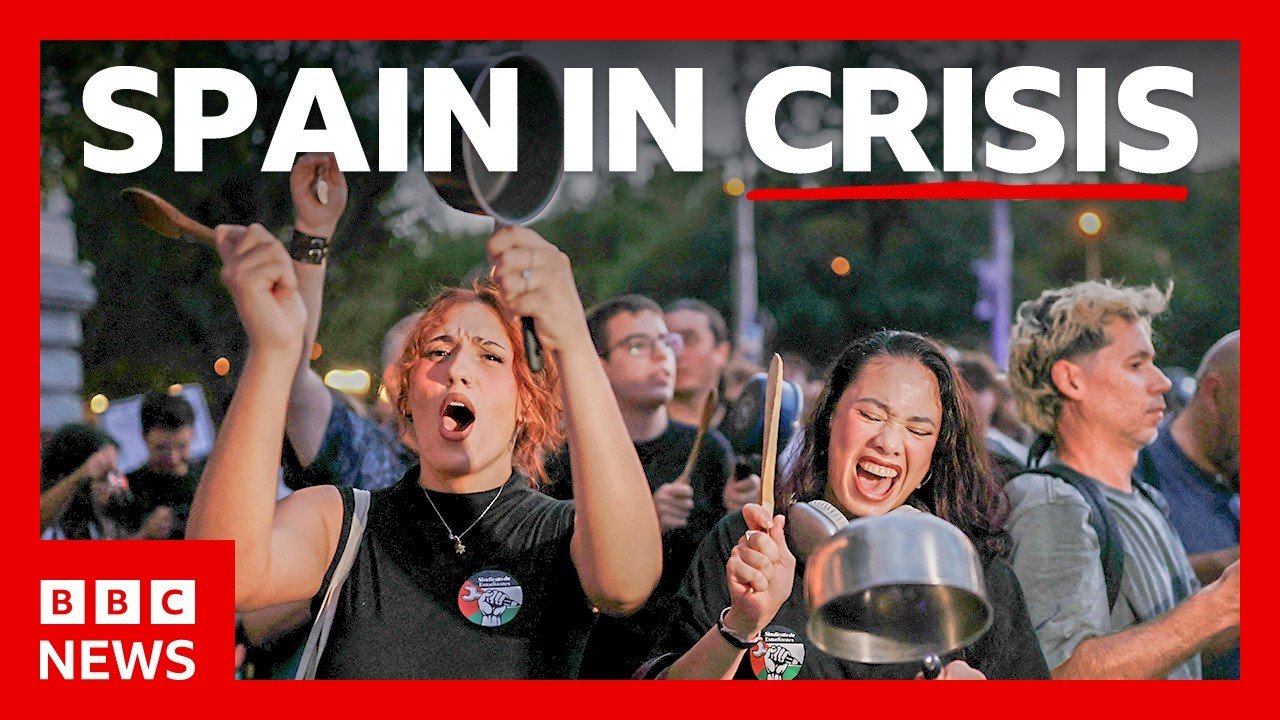
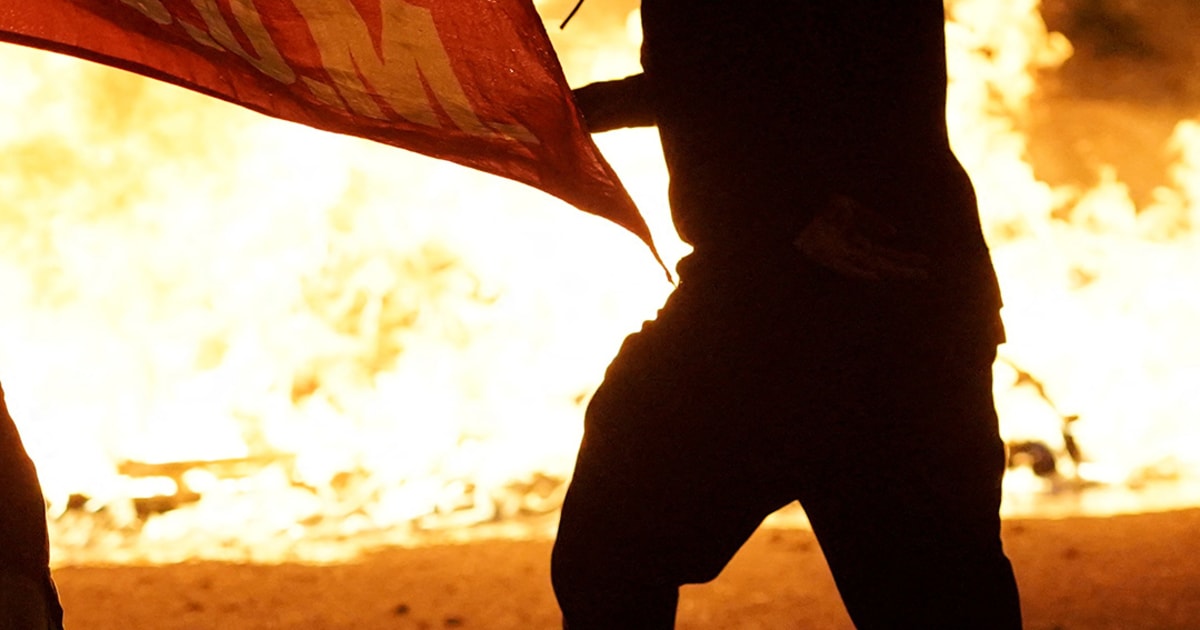
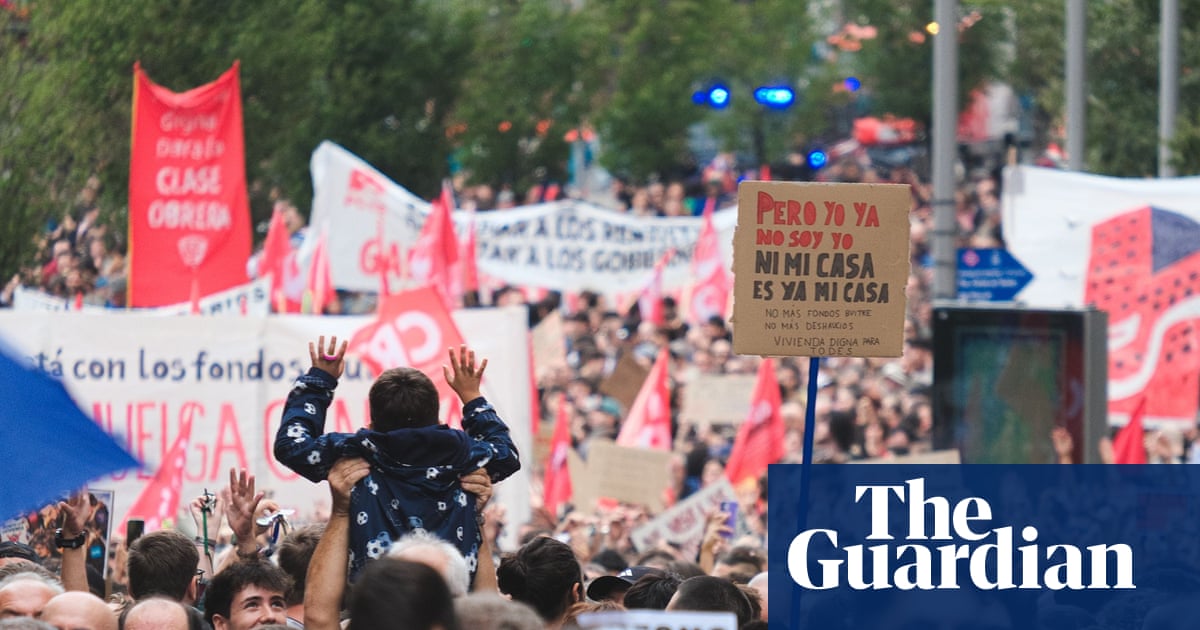
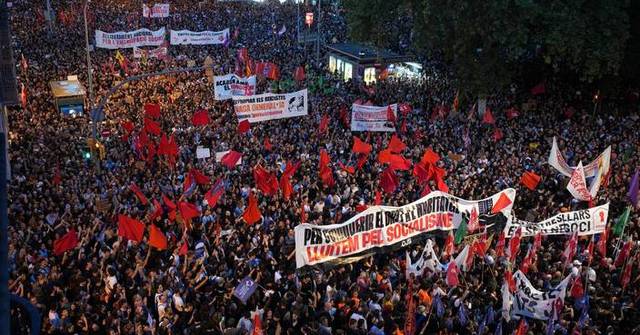
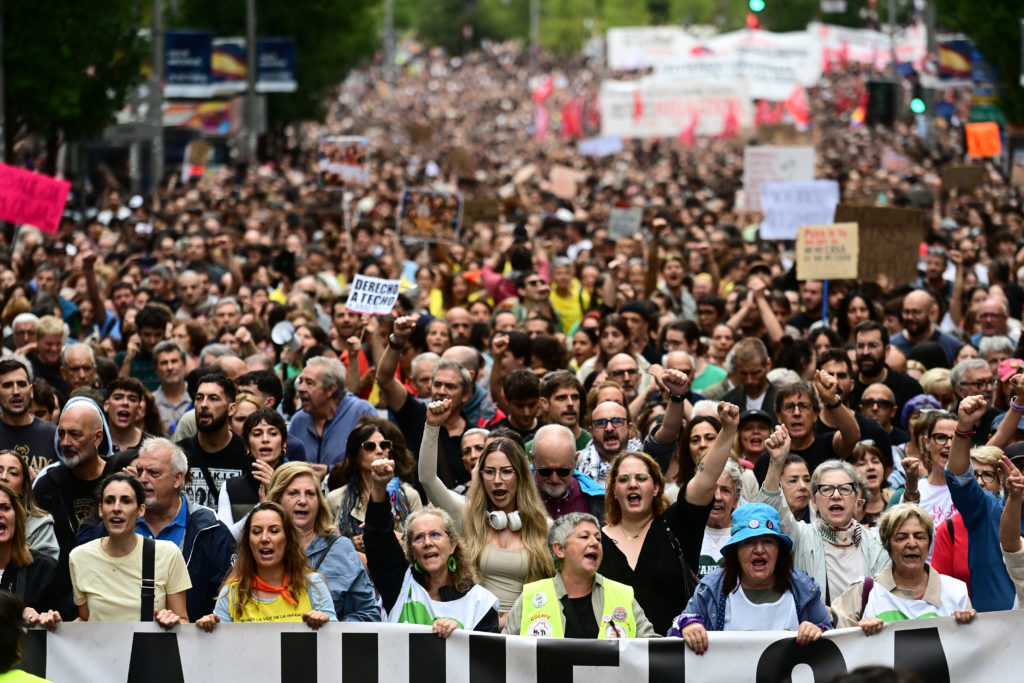
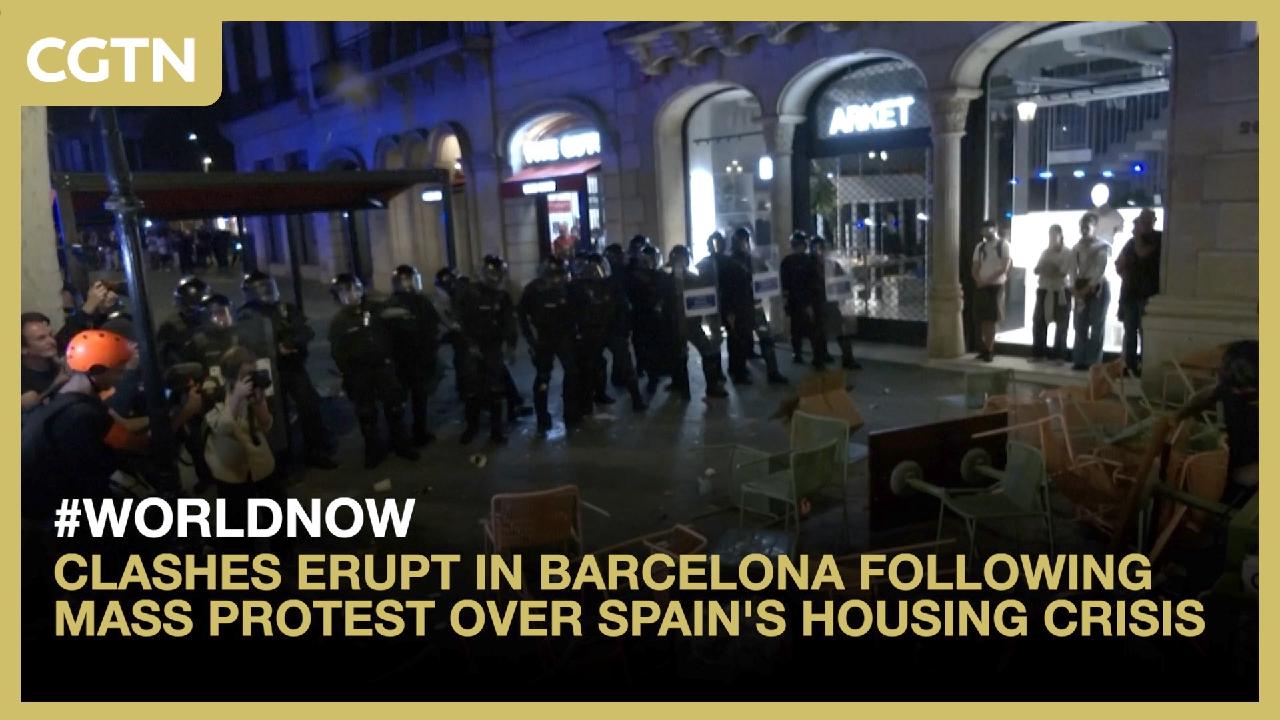
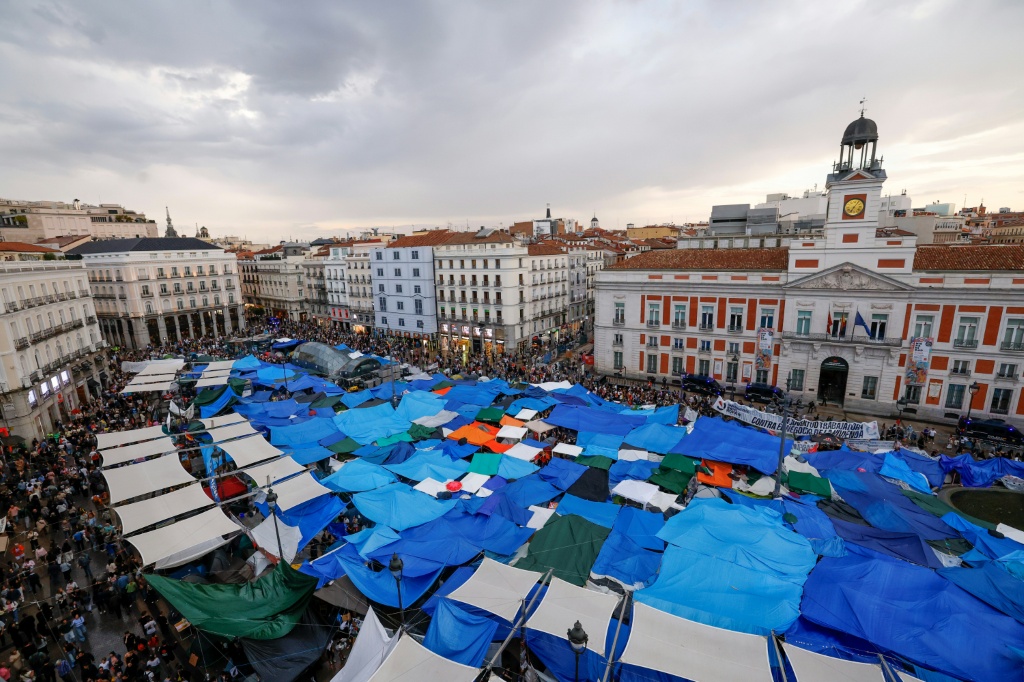
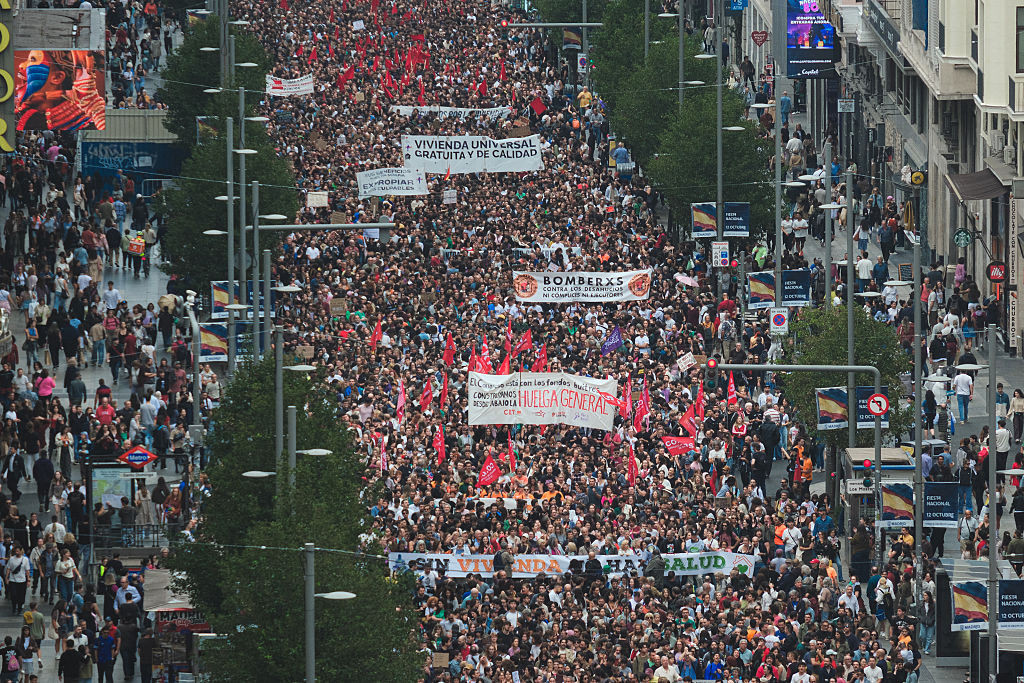
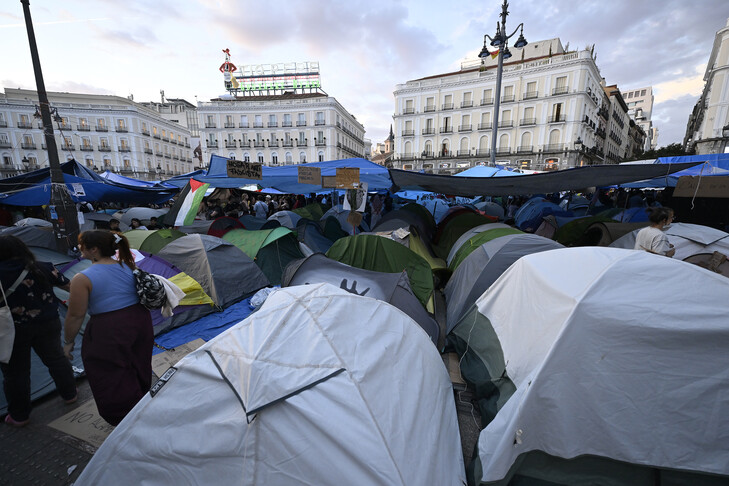
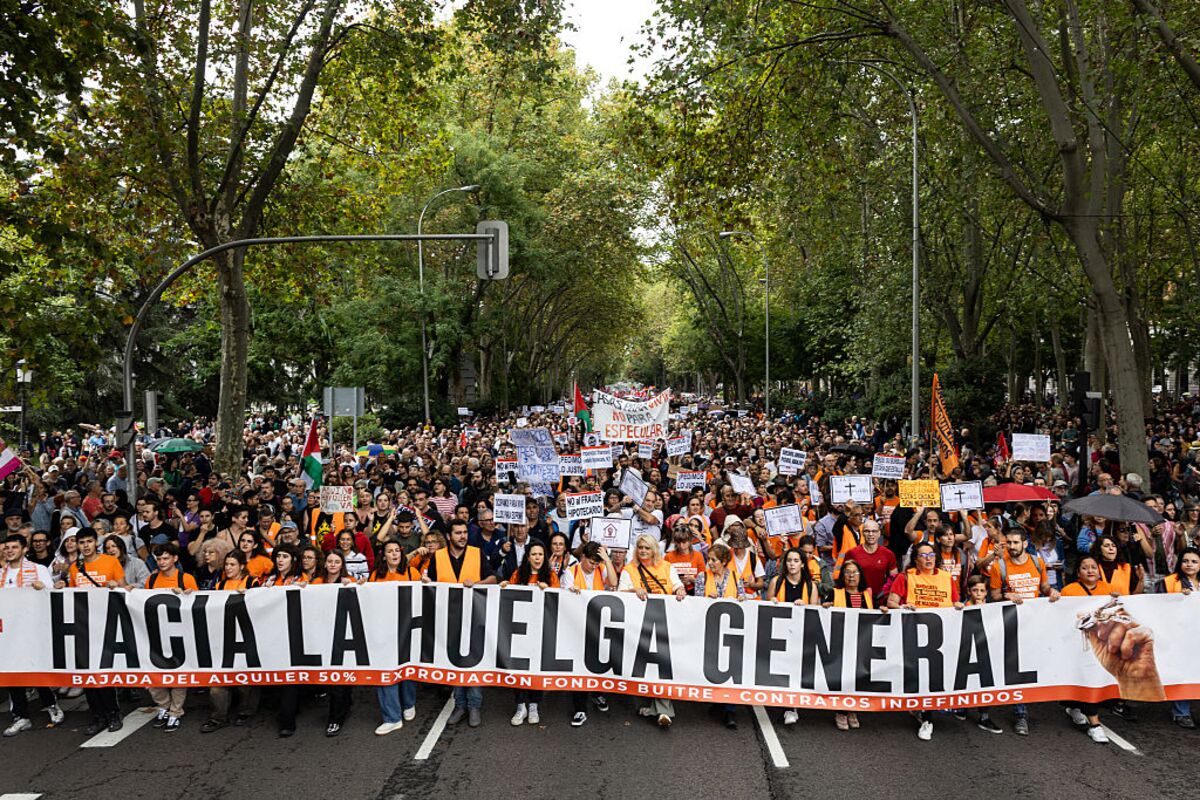
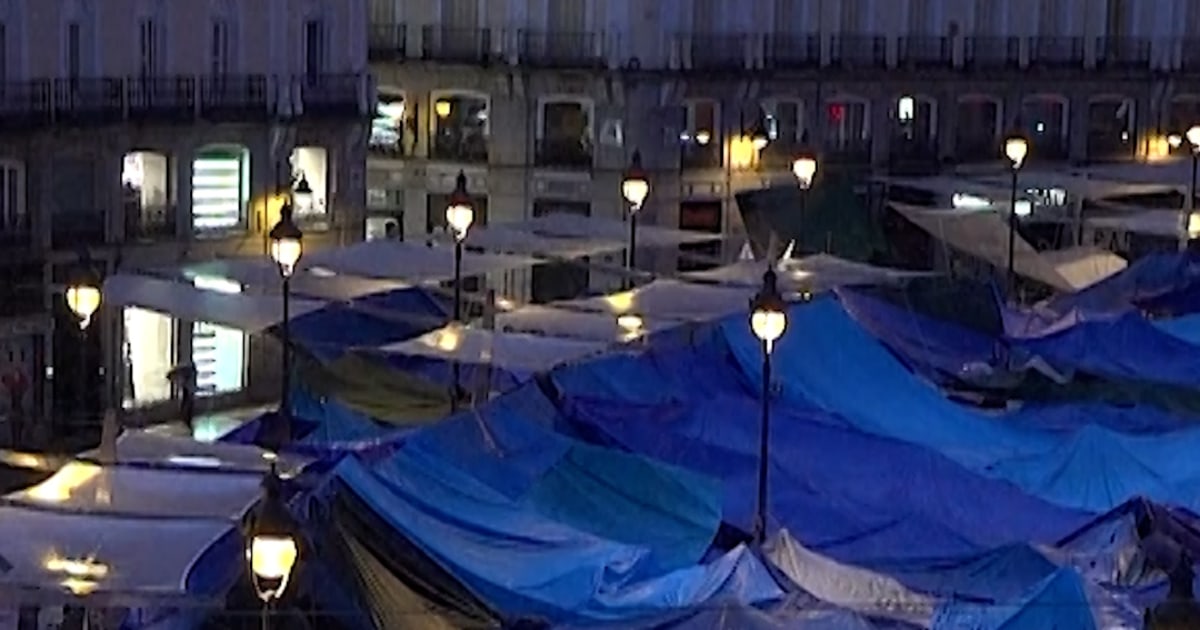
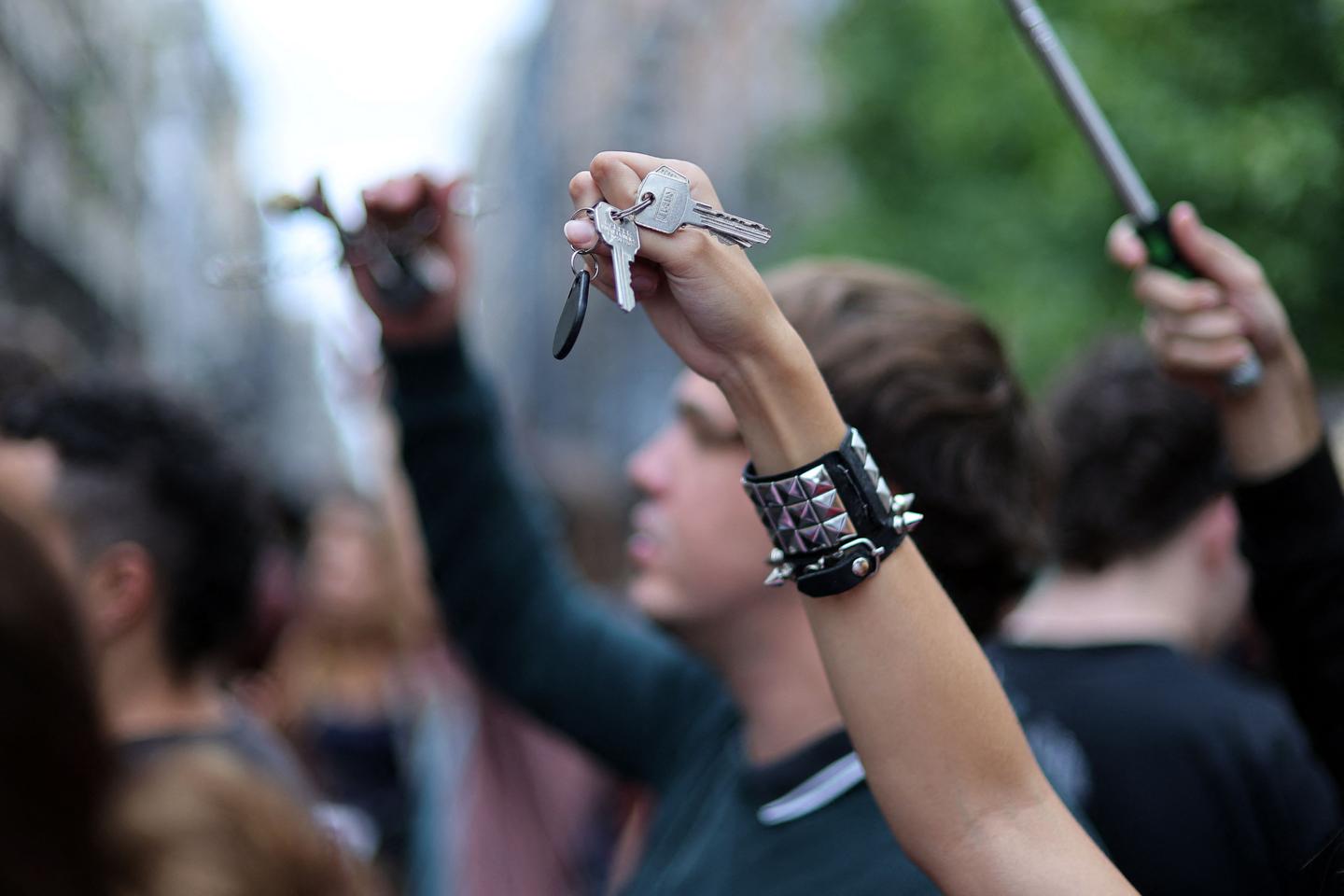
The legislative defeat came after weeks of nationwide demonstrations demanding lower rents, stronger tenant protections, and curbs on investment funds buying residential property. Protesters have camped in central Madrid’s Puerta del Sol, an occupation widely compared with Spain’s 2011 15-M anti-austerity movement.
Public anger intensified after the eviction of 87-year-old María del Carmen Abascal, widely known as “Maricarmen,” from the Madrid flat where she had lived for 71 years. Her rent reportedly rose from €500 to €2,650 a month after the property was acquired by a real-estate company, an increase she could not afford.
The case became a political catalyst. Police removed Abascal on a stretcher on 23 September, images that intensified public anger and helped push the government to approve emergency housing decrees—measures Congress subsequently repealed.
Sánchez’s political gamble
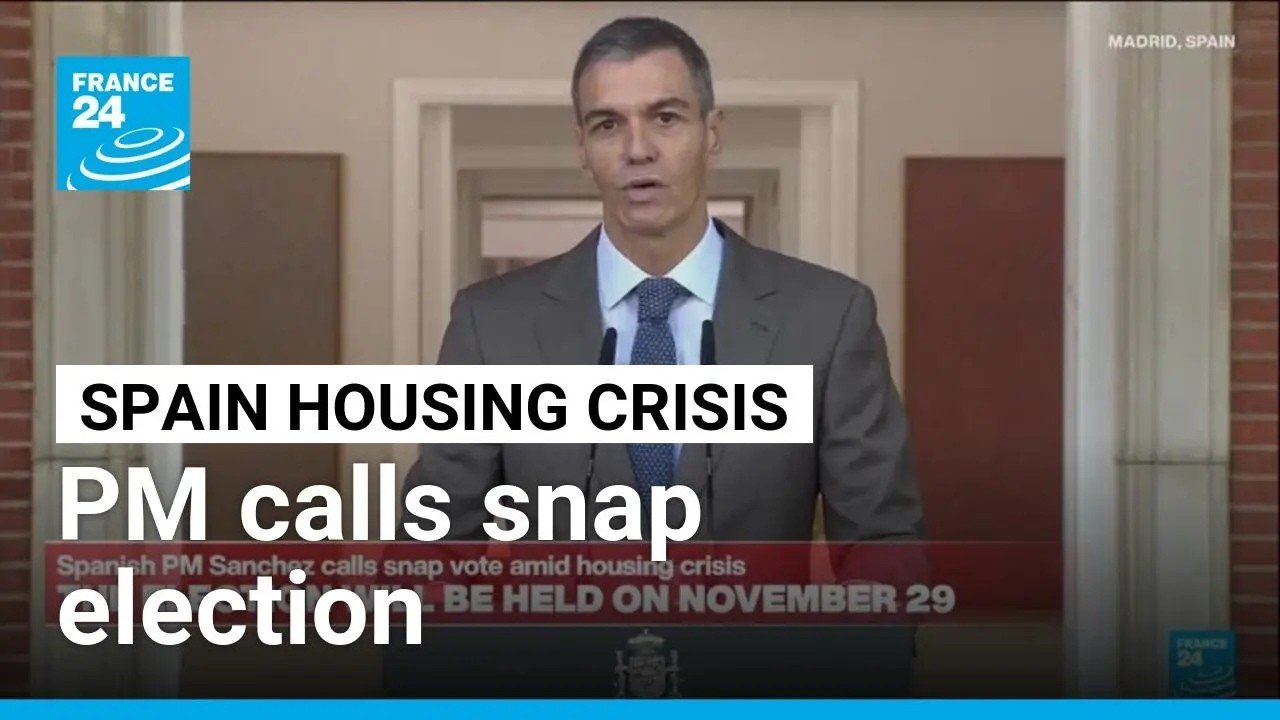
In a televised address on 5 October, Sánchez said he was calling the early election because Parliament’s rejection of his housing proposals showed he needed broader support to enact reform. “To do more, we need to renew and broaden the support of the people,” he said, framing the election as a bid for “a much broader, progressive majority in parliament.”
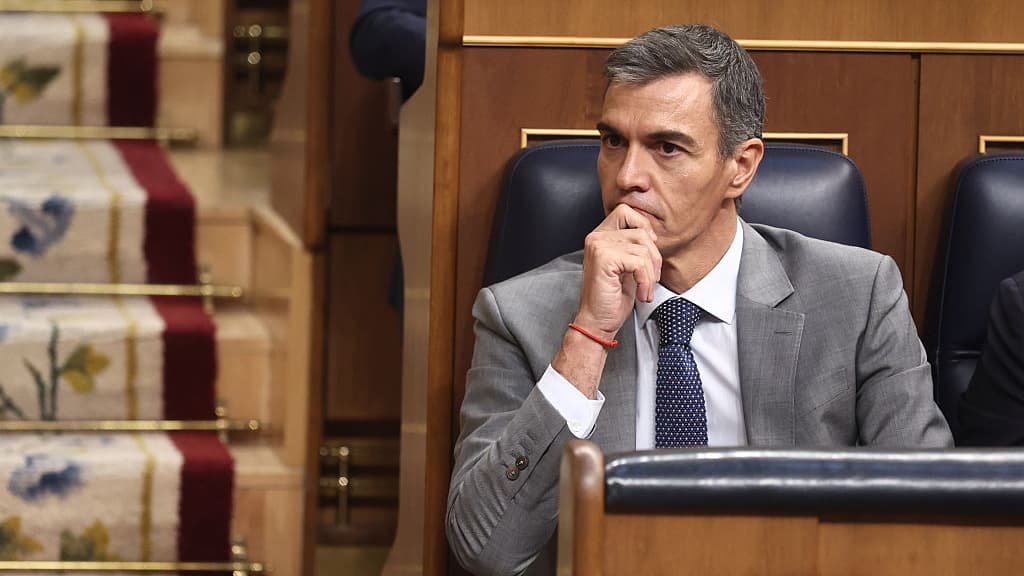
The decision is a major gamble. Sánchez’s Socialist Party has trailed the conservative opposition in most major opinion polls, and the parliamentary defeat confirmed that his coalition no longer commands a majority.
Sánchez is also expected to use a rarely used legislative mechanism to try to reinstate the two housing decrees. Following the election announcement, the government re-approved the measures with enhanced tenant protections, with a vote by Congress’s Permanent Deputation scheduled for 16 October.
The campaign battleground
The right has welcomed the early vote, seeing an opportunity to convert public dissatisfaction into parliamentary gains. But housing has become a politically volatile issue across the spectrum: while Sánchez hopes to turn renter anger into support for his reform agenda, opponents will seek to frame the crisis as evidence of government failure.
What happens next
The election is now set for 29 November, with Sánchez’s government operating as a caretaker administration in the interim. The immediate test will be whether the government can secure parliamentary ratification of its reinstated housing decrees—and whether the protests translate into electoral momentum for the left.
The death of Maricarmen Abascal on 7 October, after nearly two weeks in hospital, has further sharpened the political stakes. Her case has become a symbol of Spain’s wider affordability crisis, ensuring that housing will remain at the centre of the campaign rather than a single policy issue among many.