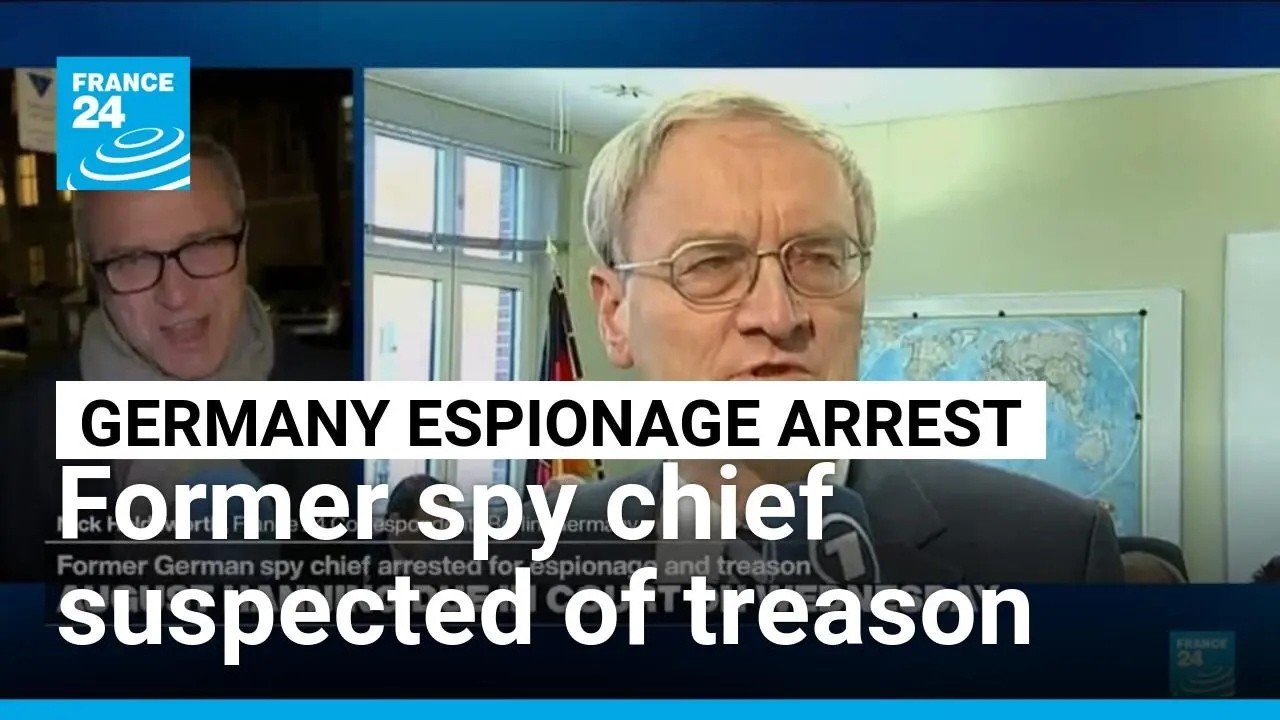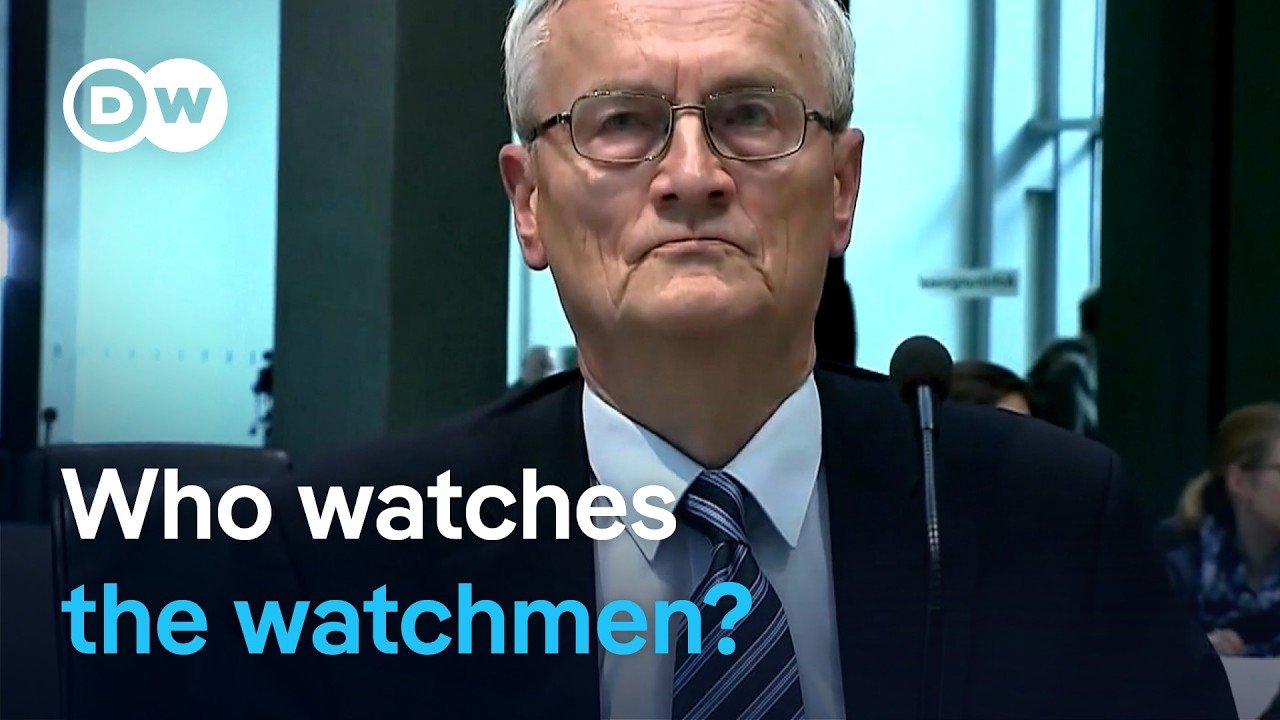
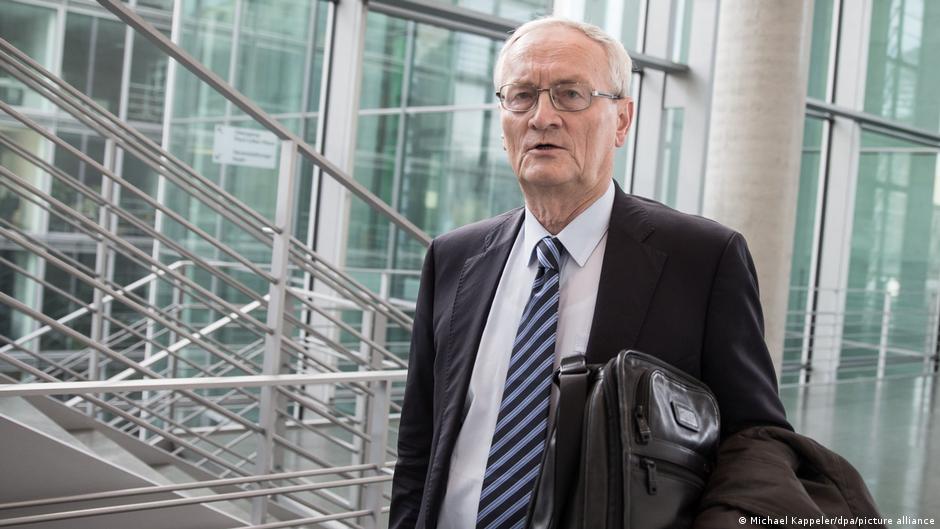

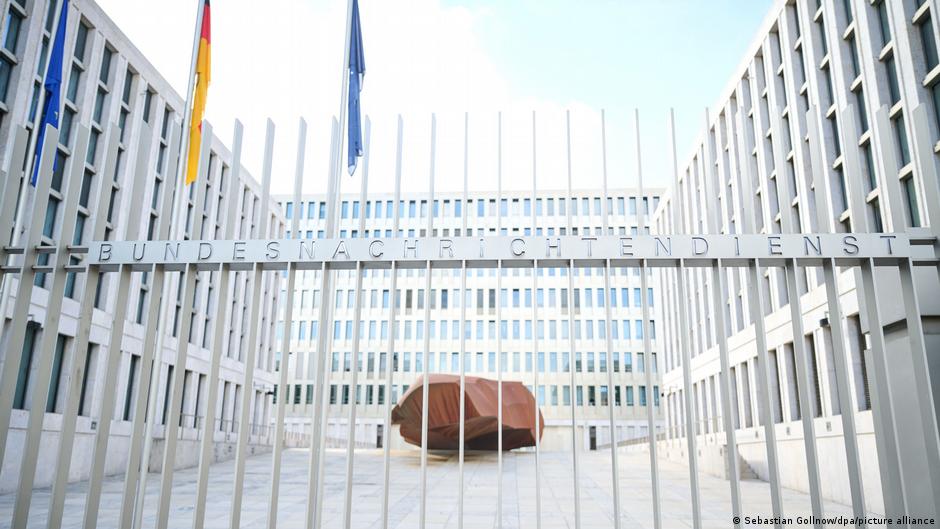

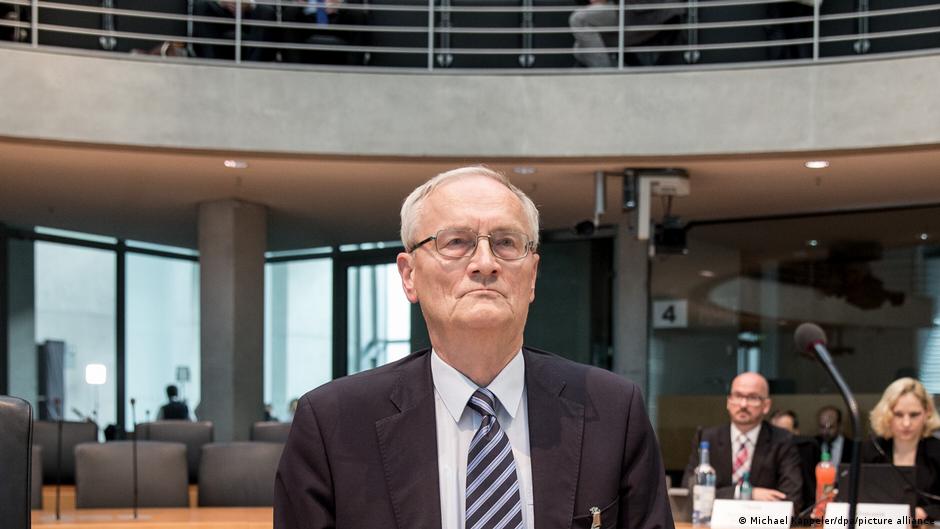


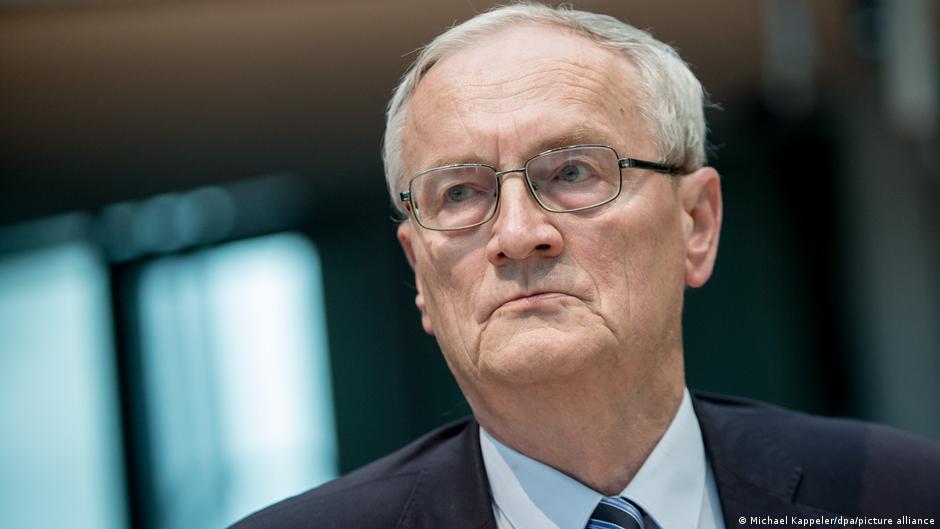

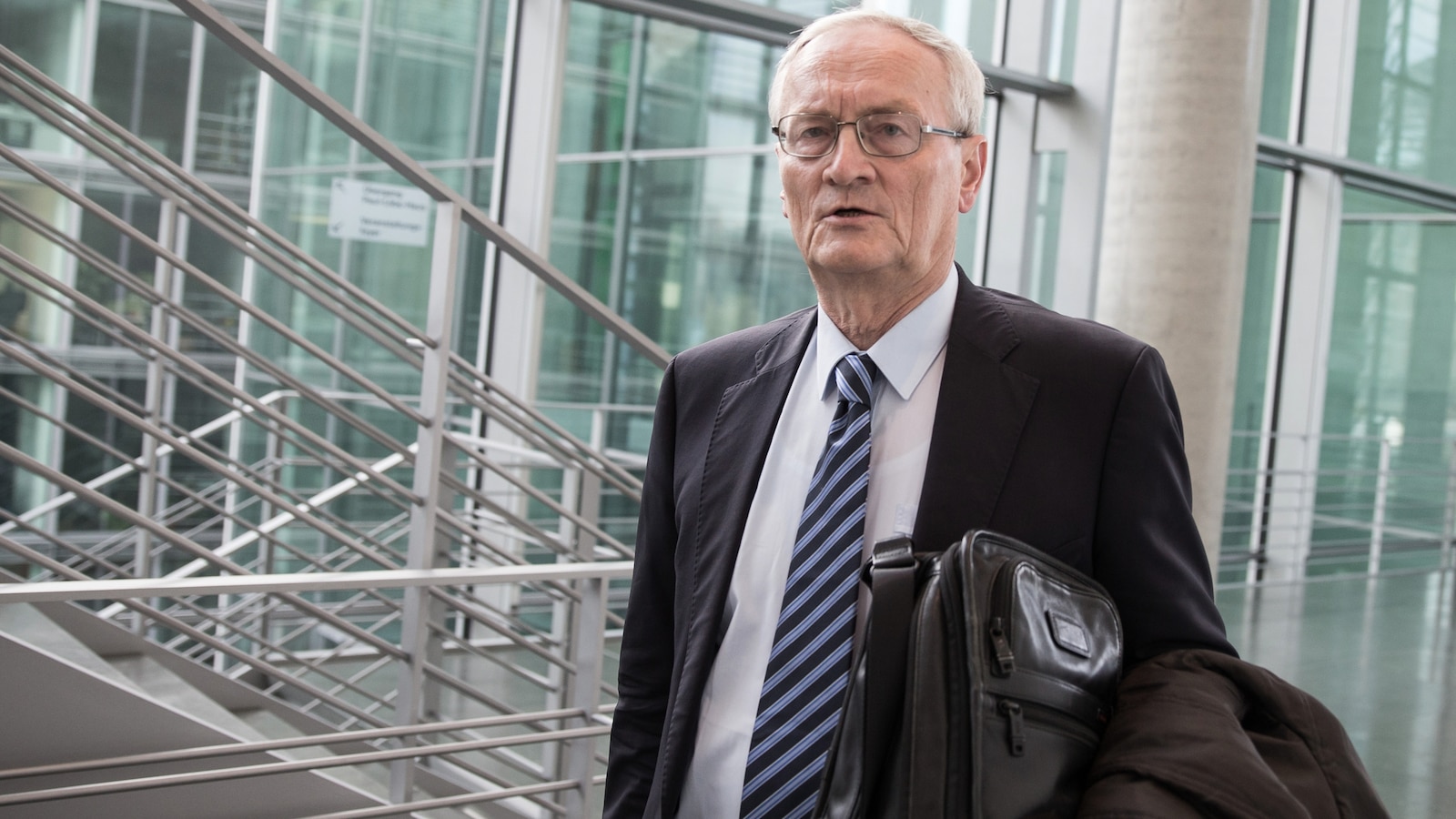




Germany has arrested August Hanning, the former head of its foreign intelligence agency, on suspicion that he paid a serving BND insider for about 2,000 documents and used the material to prepare an intelligence analysis for a foreign service. Prosecutors have not identified the country involved, and the allegations have not been tested in court.
Hanning, 80, led Germany’s Federal Intelligence Service (BND) from December 1998 to November 2005. He was detained on Tuesday, 6 October 2026, and appeared before a judge at the Federal Court of Justice in Karlsruhe the following day, where a formal arrest warrant was issued and he was remanded in pre-trial detention.
What prosecutors allege
Germany’s Federal Prosecutor’s Office says Hanning and his former BND bureau chief, identified only as Manfred D. under German privacy rules, agreed in spring 2010 that Manfred D. would regularly supply valuable BND intelligence in exchange for payment.
Investigators allege that Manfred D. then passed Hanning approximately 2,000 documents between 2010 and at least June 2022. Many were classified and intended solely for internal BND use, including material connected to executive intelligence briefings.
Prosecutors say Hanning used some of the material in his private consulting work and in contacts with foreign intelligence officers. They also allege that he drafted a specialised intelligence analysis for one foreign intelligence service in return for payment, while maintaining contact with another foreign intelligence service.
The two suspects
Hanning’s alleged source, Manfred D., was his bureau chief during Hanning’s time as BND president. He later served as chief of staff to several of Hanning’s successors from March 2012 until March 2026, giving him continued access to confidential information.
Manfred D. was arrested alongside Hanning and is accused of aiding and abetting attempted treason and treasonous espionage. Prosecutors say he was paid for the documents, although they have not publicly detailed the amount, payment method, or how the files were transferred.
Azerbaijan report denied
German magazine Der Spiegel, citing unnamed sources, reported shortly after the arrests that Hanning had been in contact with an Azerbaijani intelligence operative. The report has not been confirmed by German prosecutors, who have declined to name the foreign service or country allegedly involved.
Azerbaijan has forcefully denied any connection. Its Media and Broadcasting Council called the report “disinformation” and part of what it described as a smear campaign against the country.
Prosecutors have also said it remains undetermined whether the material reached its intended recipient. That distinction is important: the allegations concern the alleged procurement and use of documents, but authorities have not established a confirmed transfer of the full trove abroad.
Why the case matters
If the allegations are substantiated, the case would involve an exceptional breach of Germany’s intelligence system: a former BND director allegedly obtaining classified material from a long-serving insider at the agency he once led.
The potential exposure spans more than a decade and includes documents intended only for internal BND use. Security officials and commentators have warned that the case could damage trust in Germany’s intelligence-sharing relationships with allied governments, although no allied government has publicly assessed the operational impact.
What remains unknown
The Federal Prosecutor’s Office has not disclosed the identity of the foreign intelligence service, the precise subject matter of the leaked documents, the amount Hanning allegedly paid, or whether the material was ultimately delivered overseas.
Hanning and Manfred D. have not been convicted. The current allegations form the basis for their arrest and detention, while the investigation continues into the alleged scope, recipients, and consequences of the leak