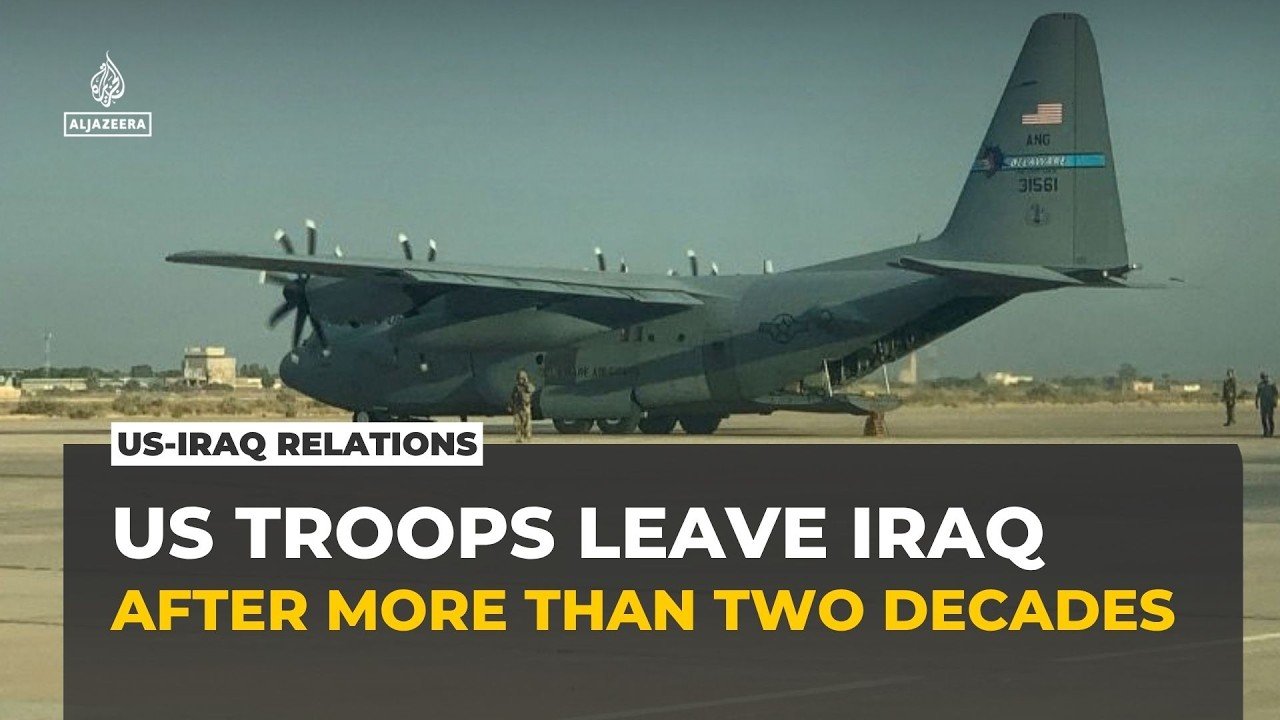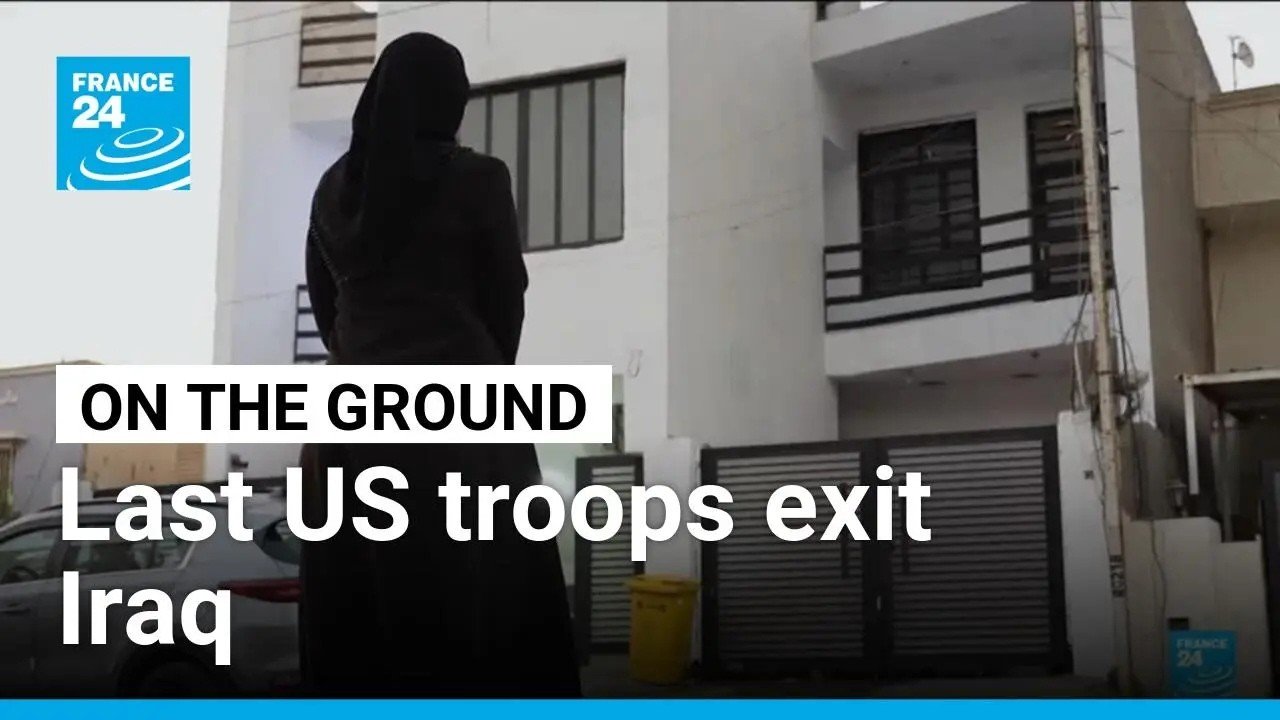



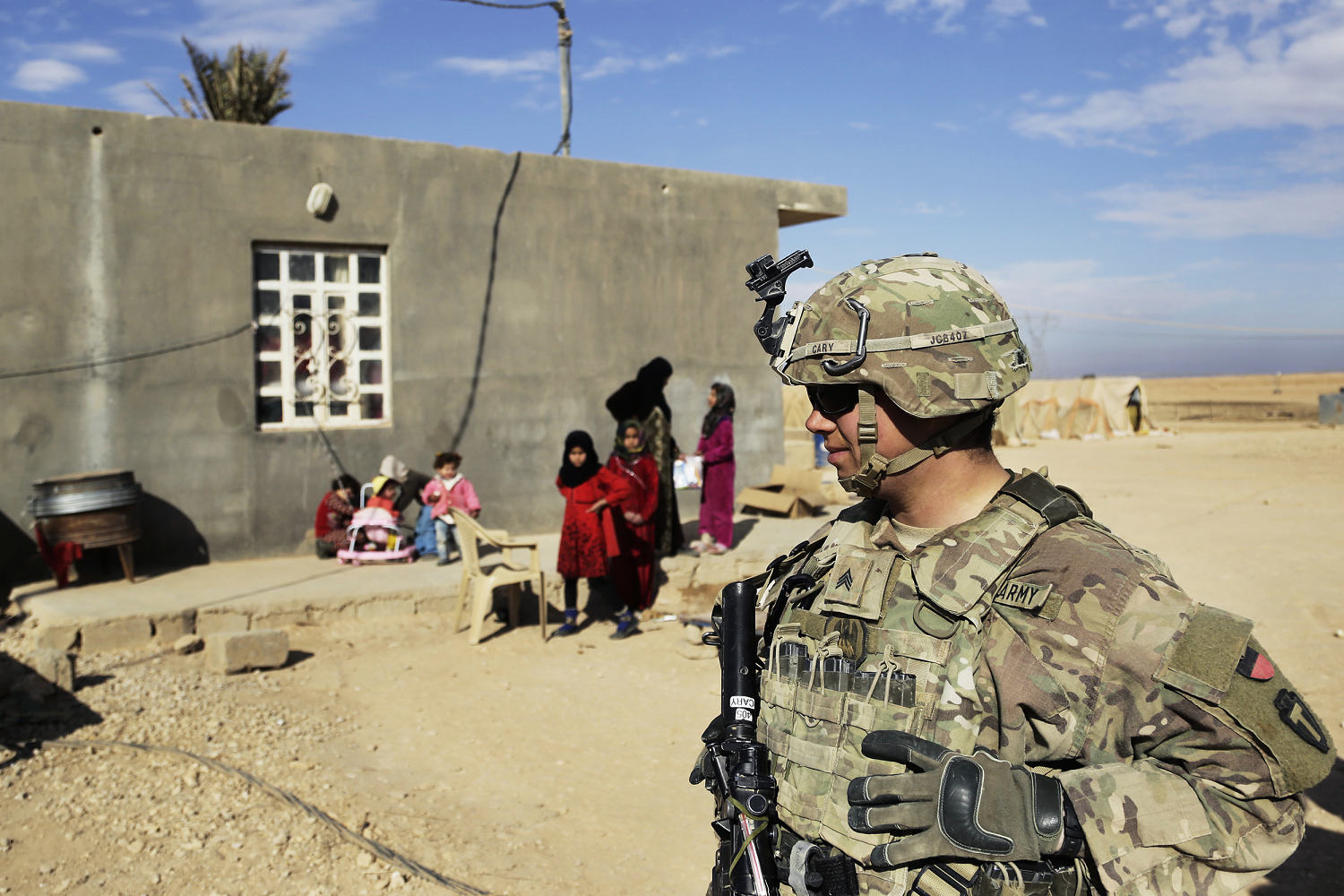
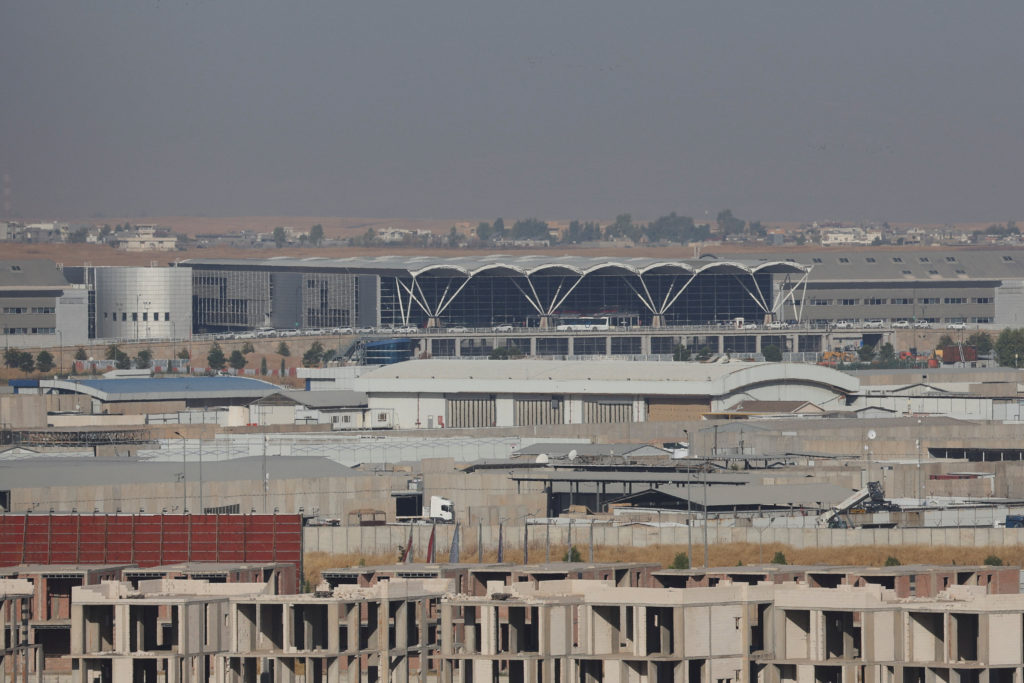
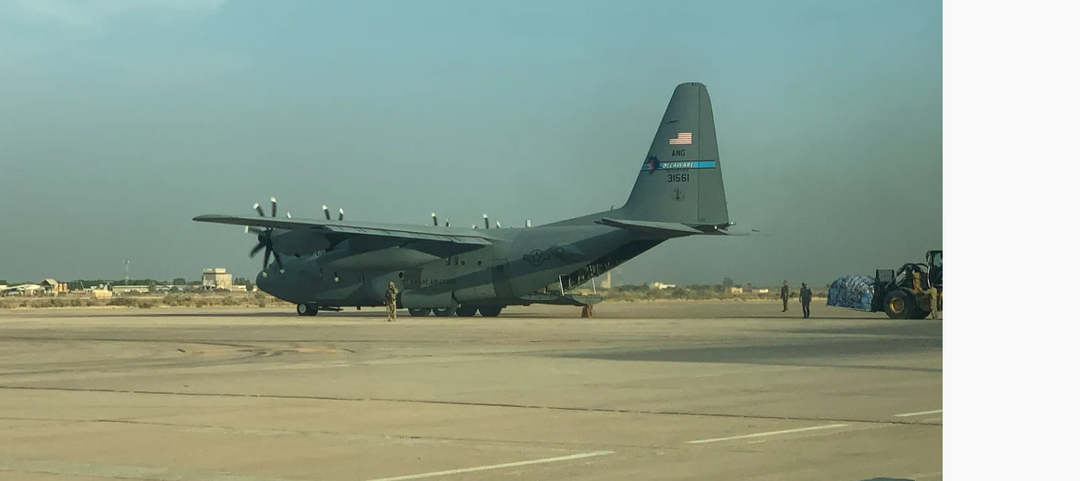
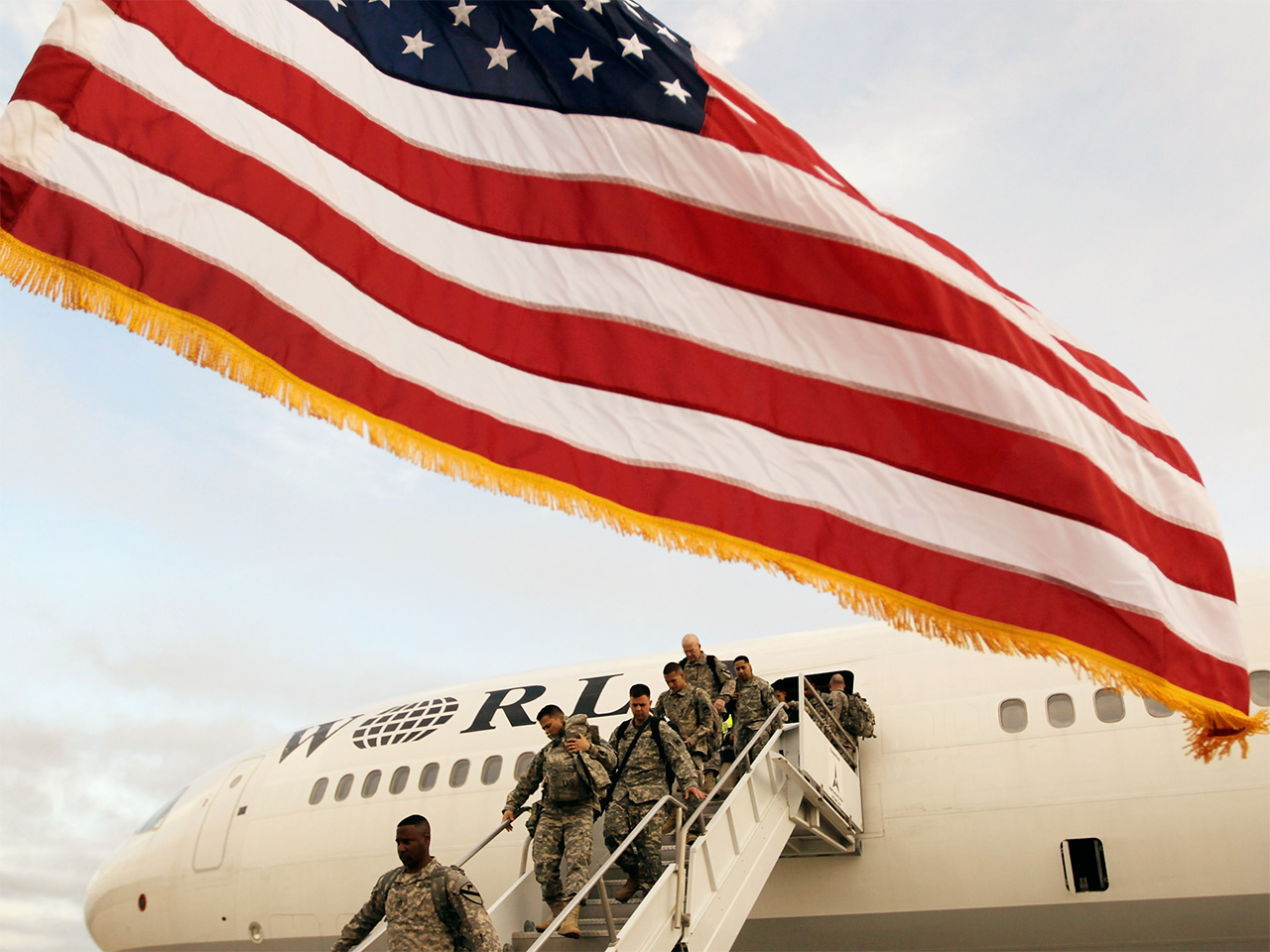



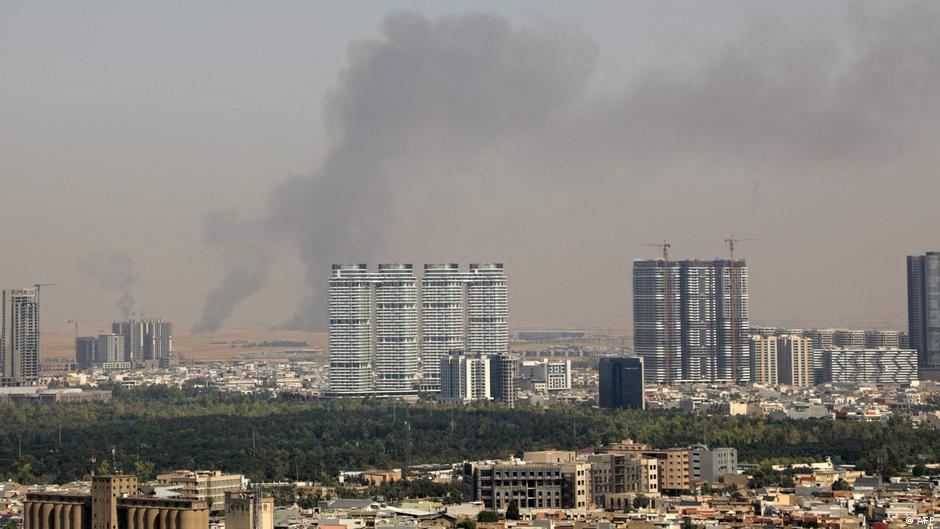

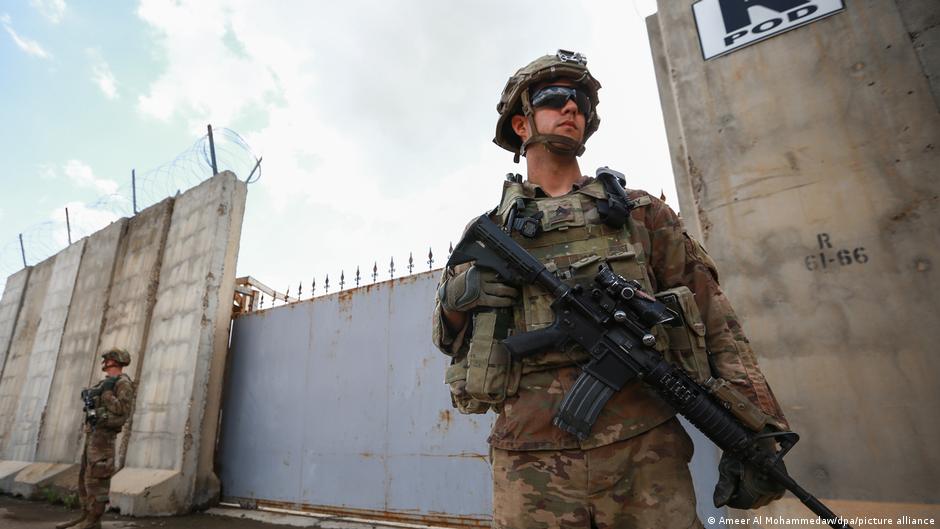


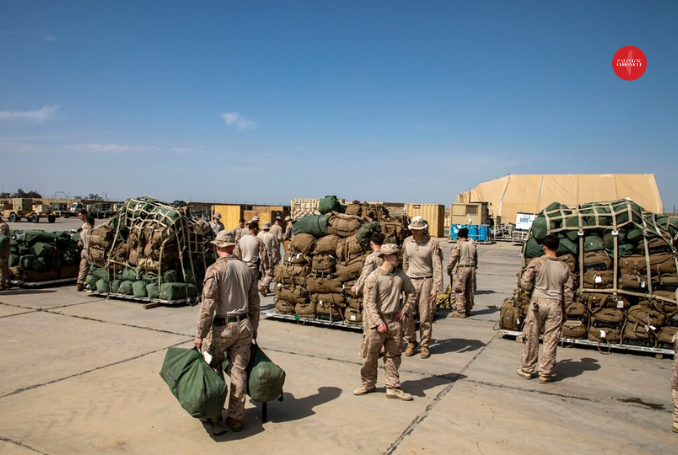
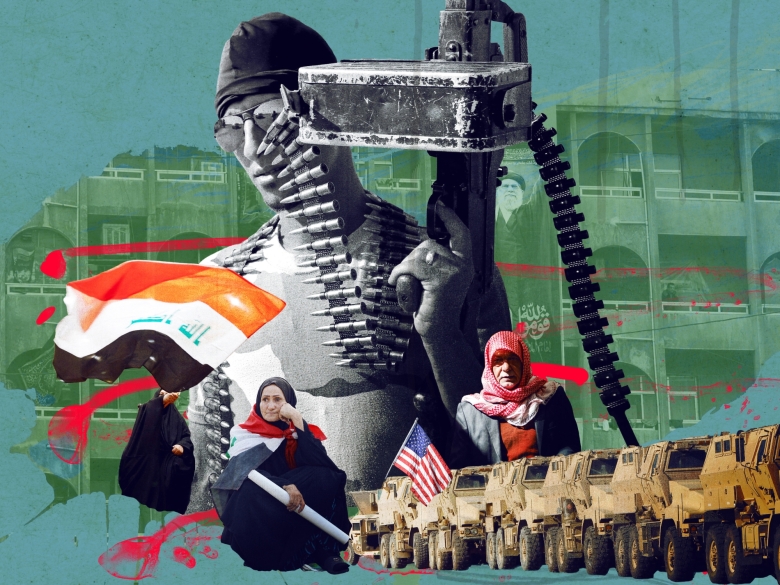






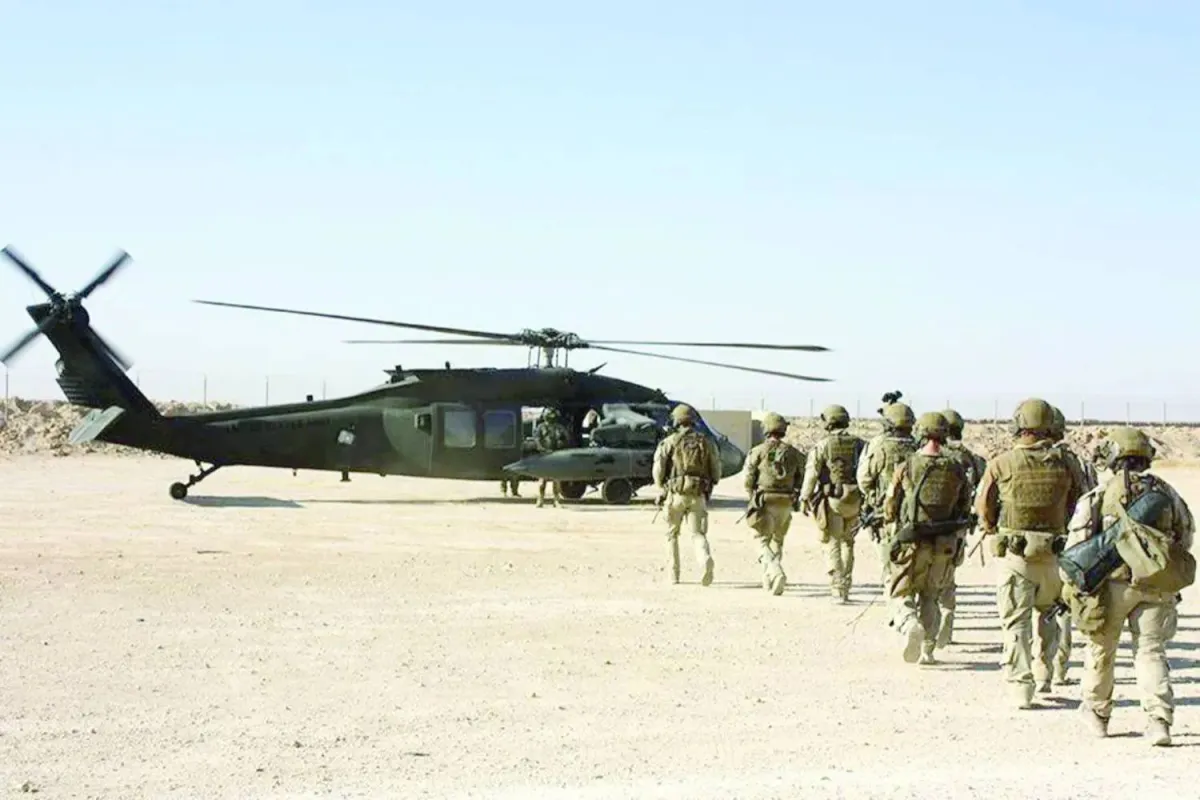

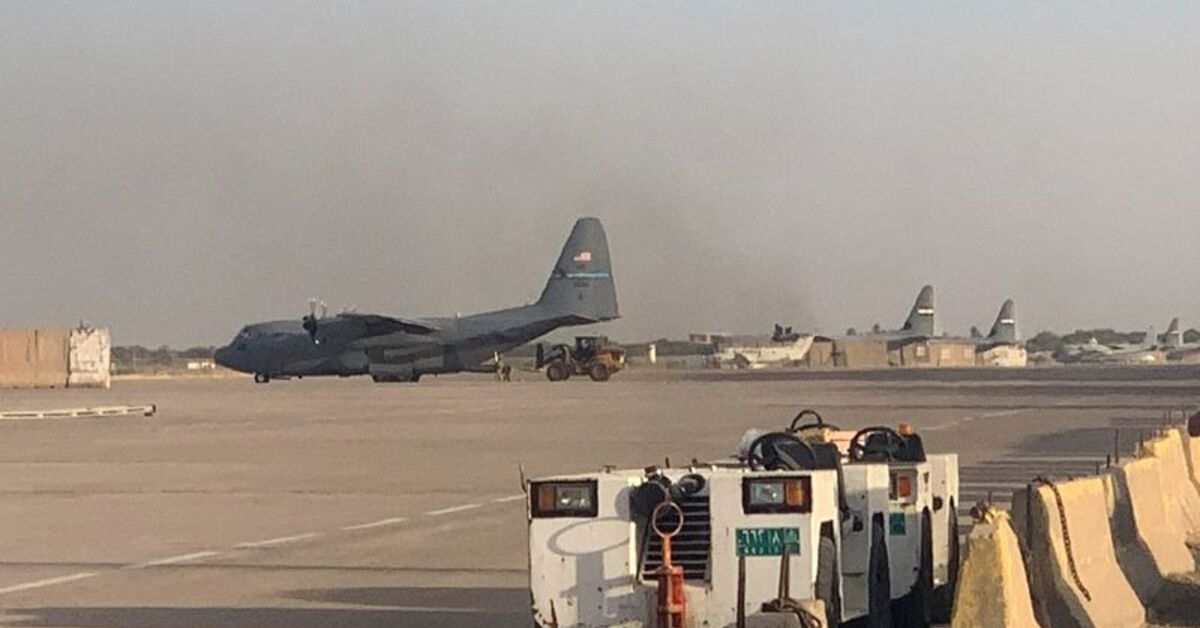
US forces formally completed their military withdrawal from Iraq on September 30, 2026, ending a two-decade military presence that began with the 2003 invasion and a 12-year anti-ISIS campaign. The final US troops vacated Erbil Air Base in the semi-autonomous northern Kurdistan region, bringing an official end to the US-led anti-ISIS coalition mission known as Operation Inherent Resolve.
The exit finalized a 2024 agreement brokered during the Biden administration and executed under the Trump administration as part of a transition to a standard bilateral security relationship. Under the plan, coalition forces concluded combat missions and vacated Ain al-Assad Air Base in Anbar by the end of 2025, handing full control to the Iraqi military, before the second phase saw the remaining US troops withdraw from Erbil in September 2026.
The anti-ISIS coalition headquarters is relocating to Jordan to continue counterterrorism operations focused on Syria, with Combined Joint Task Force–Operation Inherent Resolve remaining active from its new base. The Pentagon said the United States would continue to provide targeted training and intelligence support to Iraqi partners even as the formal mission in Iraq concluded.
Historical Context: From Invasion to Advisory Mission
US troops first invaded Iraq in 2003 to oust dictator Saddam Hussein, triggering a war that would last nearly nine years and result in more than 4,500 American deaths. After a full combat withdrawal in 2011, forces returned in 2014 at the invitation of the Iraqi government to counter the rapid rise of ISIS.
Roughly 2,500 American troops had remained in the country over the last decade, primarily serving in training and advisory roles, with about 1,500 American and coalition personnel at Erbil supporting counter-ISIS missions in the final phase.
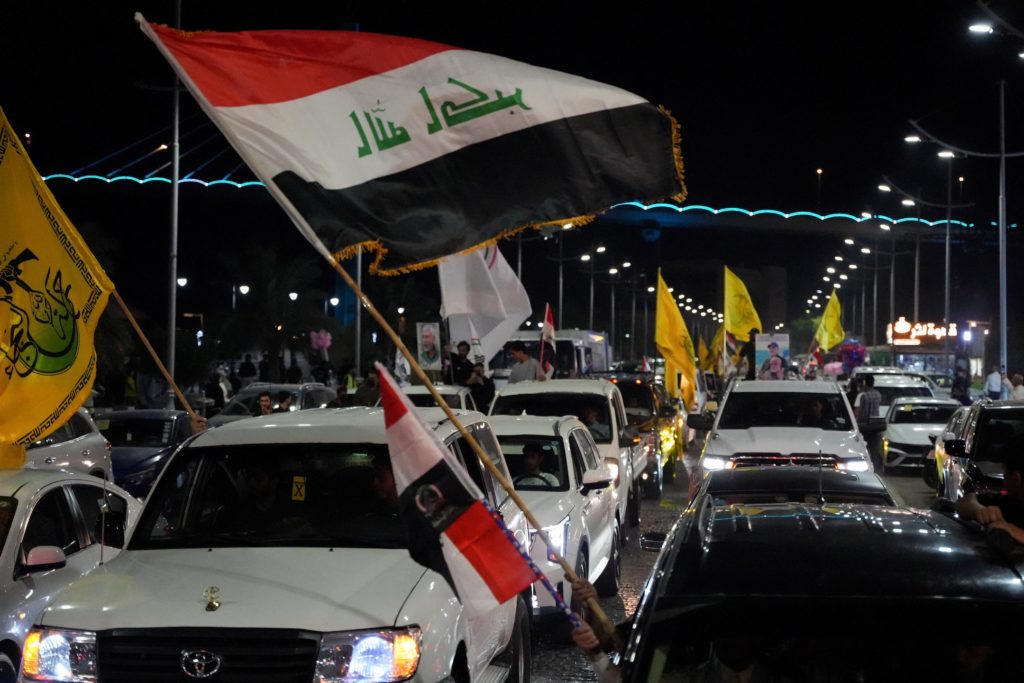
Iraq celebrates “Sovereignty Day”
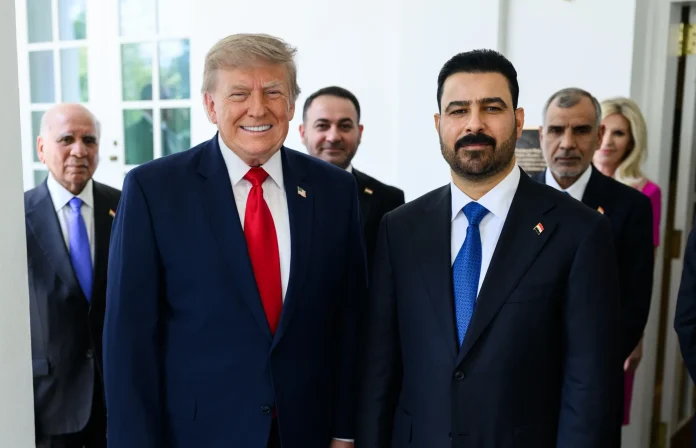
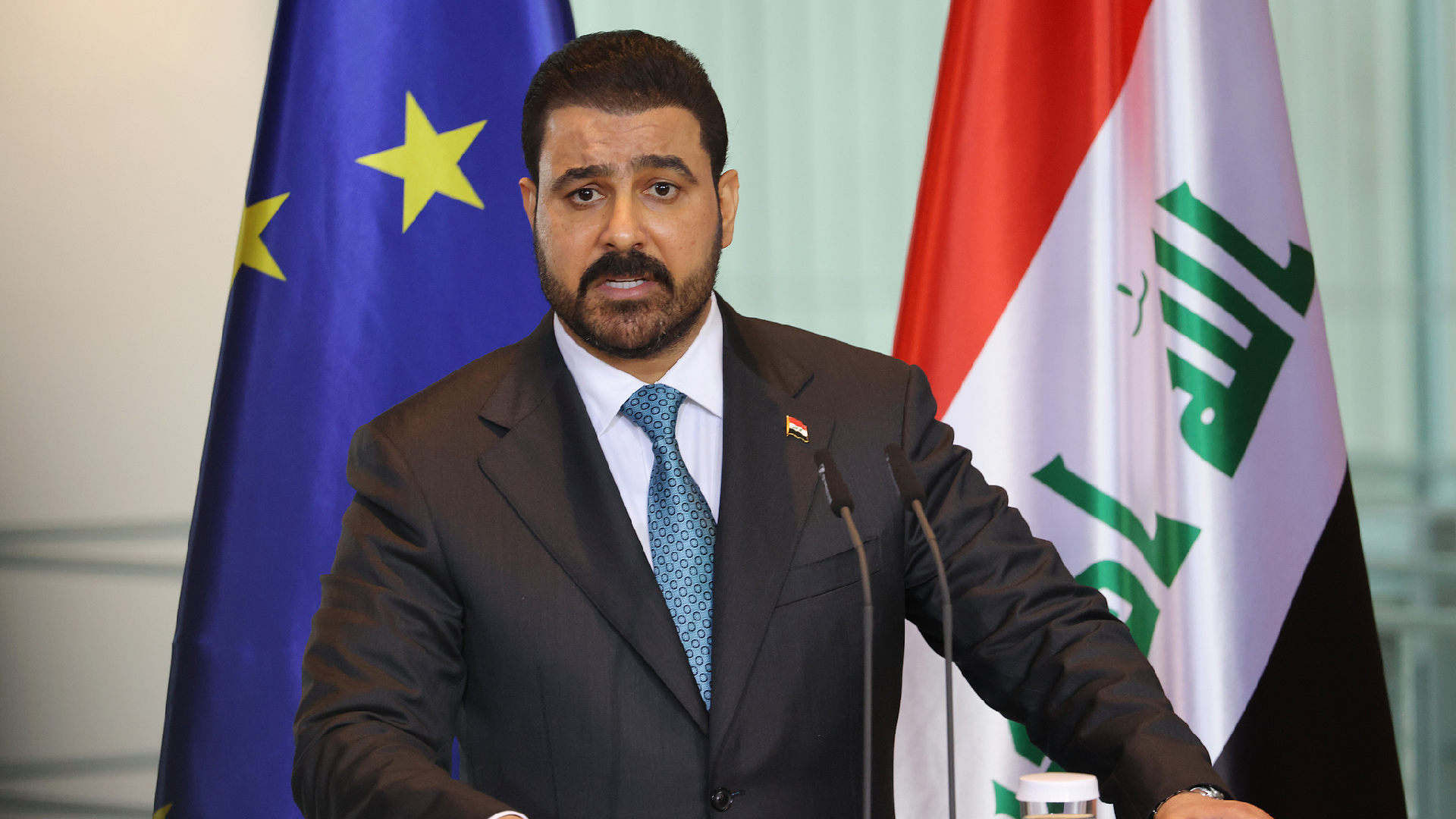
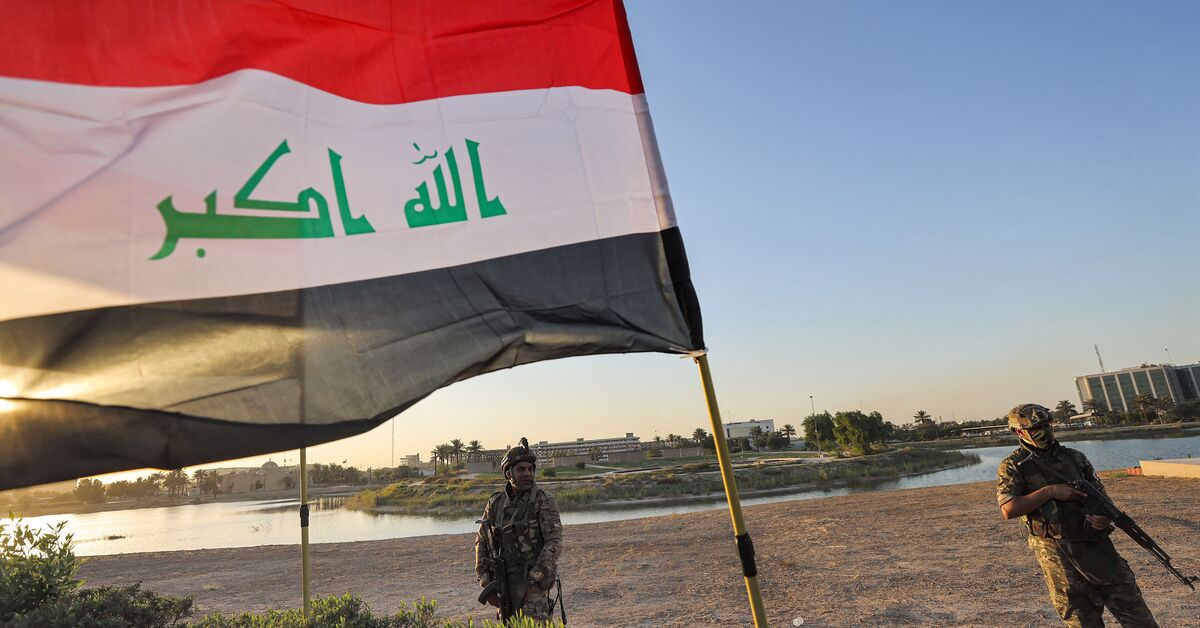
Iraqi Prime Minister Ali al-Zaidi (also reported as Ali Faleh Al-Zaidi) officially declared October 1 a “Day of Sovereignty and Independence,” celebrating the return of full sovereign control to the country. The government marked the withdrawal with national public holidays, announcing a four-day holiday from September 30 to October 3 that included Iraqi National Day.
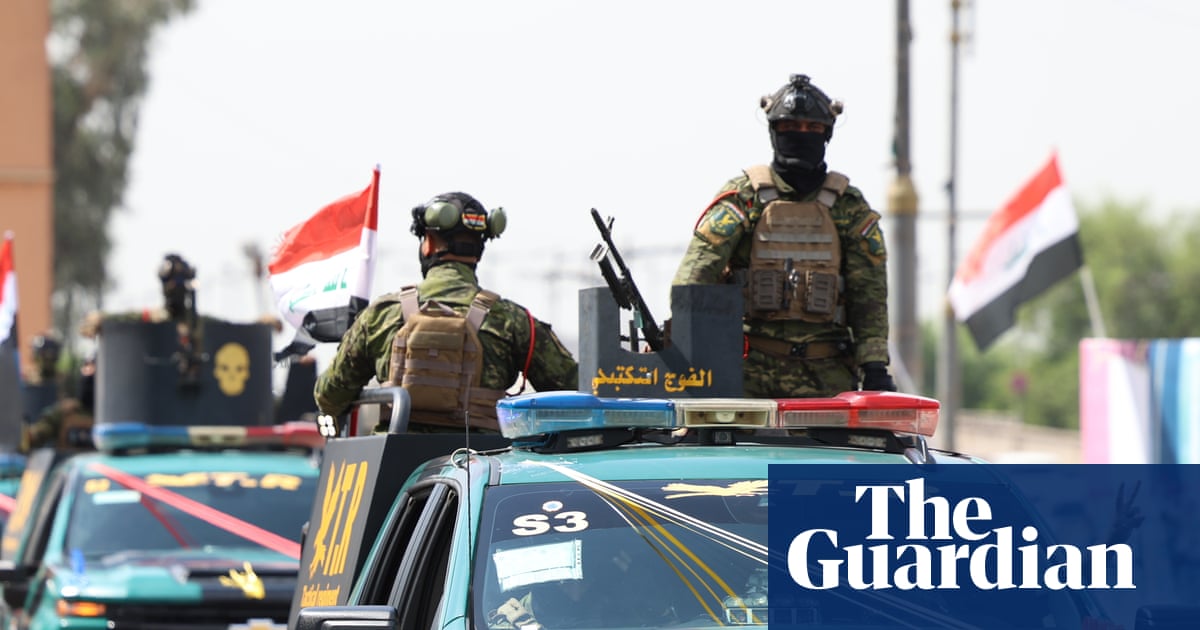
In a national address, al-Zaidi hailed the event as Iraq’s “Sovereignty Day” and asserted that Iraqi security forces were capable of maintaining control over the security situation nationwide. He unveiled a comprehensive security and political roadmap, pledging that the state would hold exclusive authority over decisions of war and peace while initiating structured timelines to dismantle illicit arms and integrate paramilitary formations under constitutional command.
Iran hails withdrawal as a regional victory
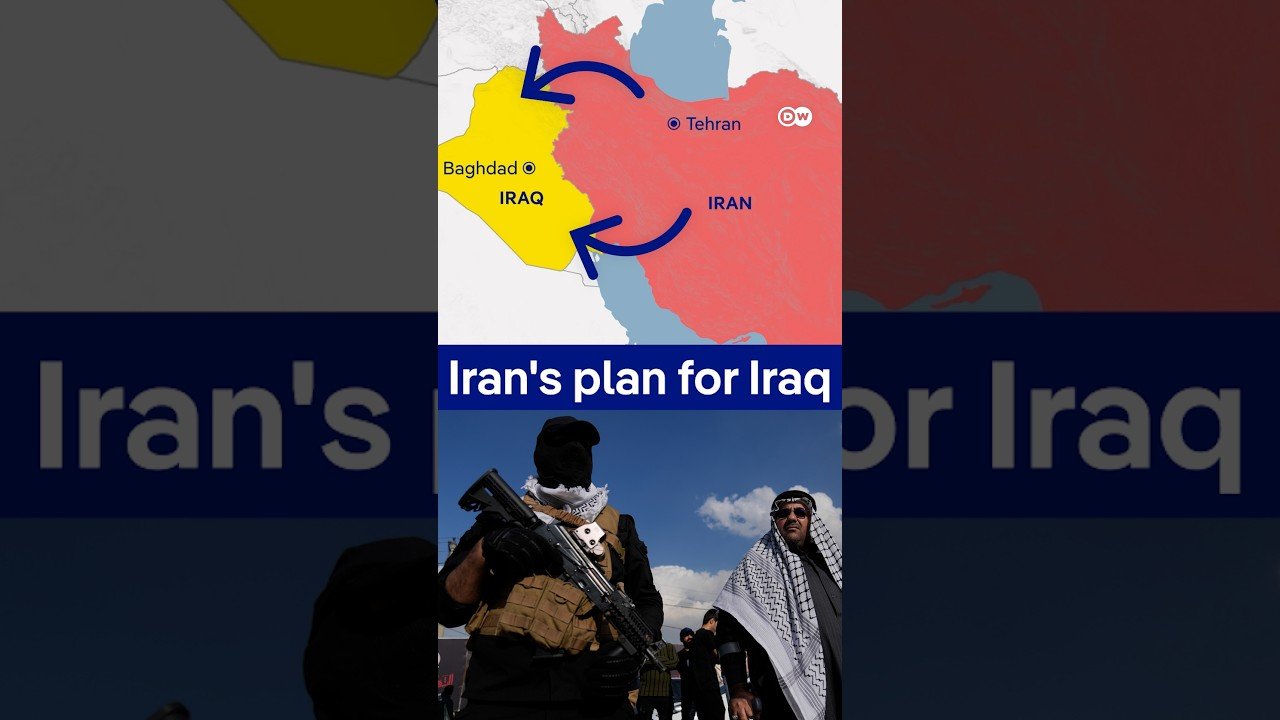
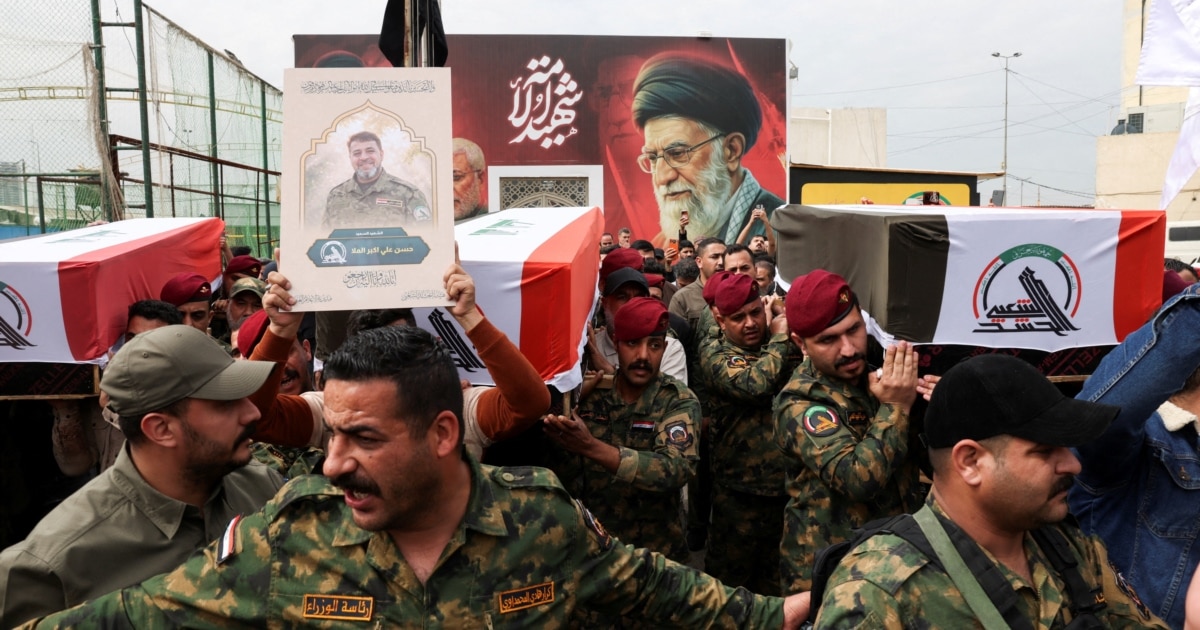
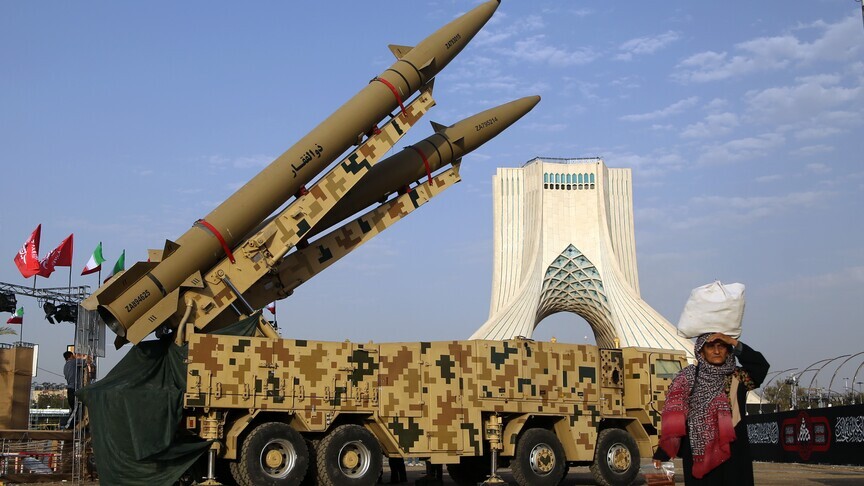
Officials in Tehran and the Islamic Revolutionary Guard Corps (IRGC) cheered the pullout, characterizing the US departure as a major triumph for Iran’s regional “axis of resistance.” The IRGC said in a statement that “the expulsion of the United States from Iraq is the beginning of their expulsion from all of West Asia,” adding that America must leave the region and leave security management to the nations themselves.
Iran, which says its ultimate aim is to force American forces to leave the entire Middle East, casts the US withdrawal from Iraq as a victory for its network of allied armed groups across the region. Amir Hayat Moqaddam, deputy chairman of the National Security Commission of Iran’s Parliament, told Iran’s parliamentary news service that lasting security will prevail in Iraq once the Americans leave and that Tehran welcomes and will support the withdrawal.
Security anxieties and the Kurdish dilemma
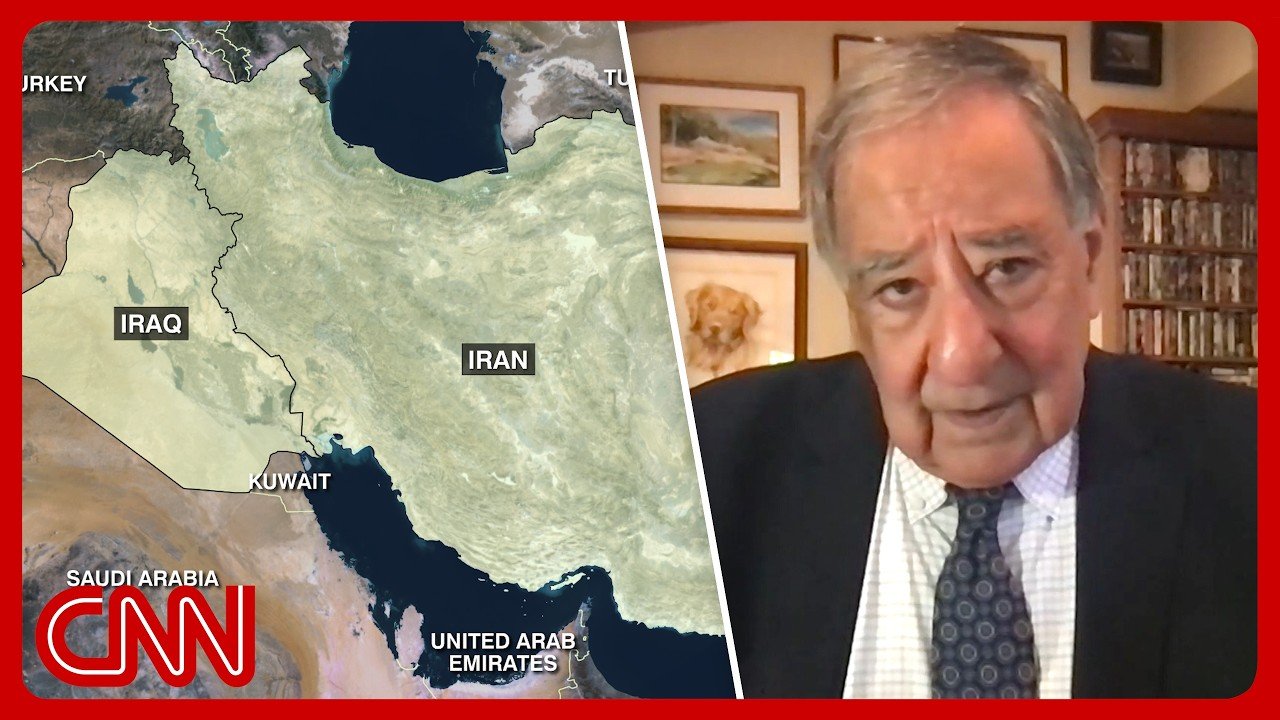
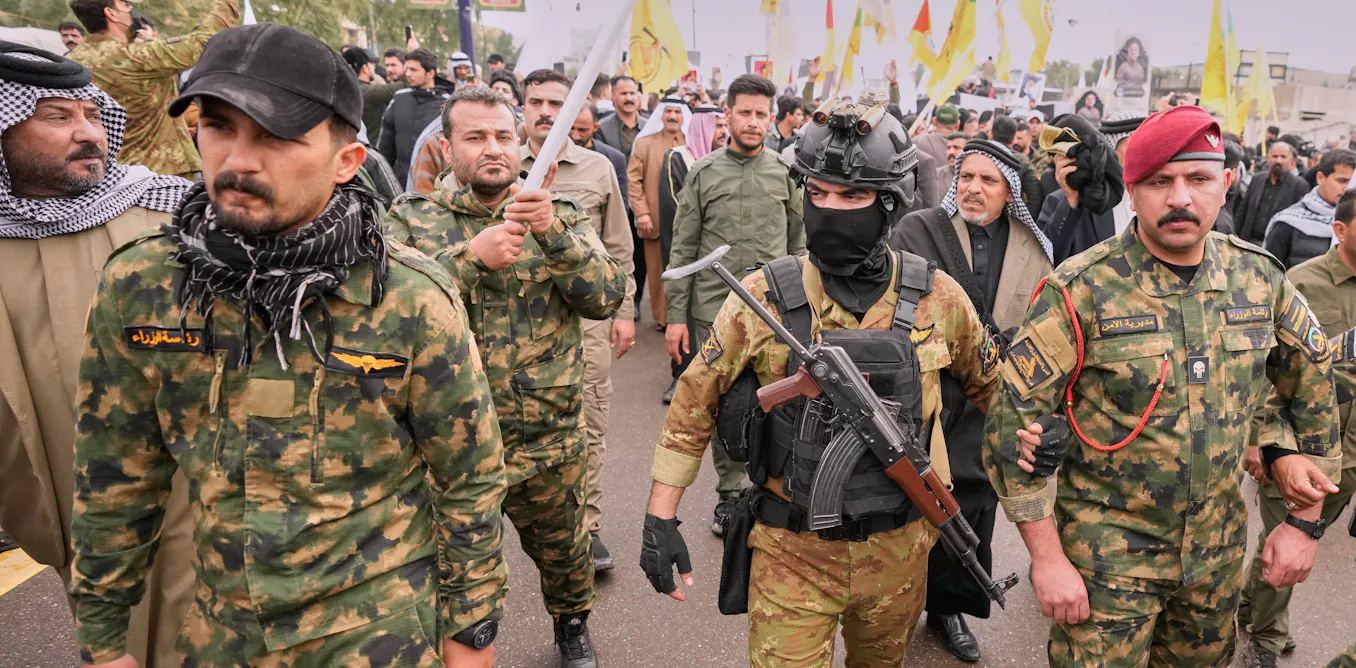
Security analysts and local leaders in the Kurdish region have expressed severe concern over a potential security vacuum. The exit leaves the region vulnerable to escalating military pressures from neighboring states, local pro-Iranian militias who refuse to disarm, and potential resurgences of ISIS remnants.
Iraqi security experts say the withdrawal could give Tehran and its powerful allies free rein while also allowing other US enemies to stage a comeback, including Islamic State. The burden of monitoring the long frontier between Iraq and Syria against ISIS now shifts primarily to Baghdad, raising new questions about how the two countries will coordinate against the group’s remnants.
What comes next
The transition in Iraq is part of a planned shift to bilateral defence relations between the United States and Iraq, with Washington continuing targeted training and intelligence support. In his October 1 address, Prime Minister al-Zaidi asserted that the date initiates a new sovereign era focused on institutional law, civil peace, balanced foreign relations, and directing sovereign wealth toward infrastructure modernization and long-term socio-economic development.
Yet the celebration of sovereignty is tempered by the reality that Iraq now faces the task of consolidating control over its territory while managing powerful internal militias, external pressures from Iran and other neighbors, and the persistent threat of ISIS.