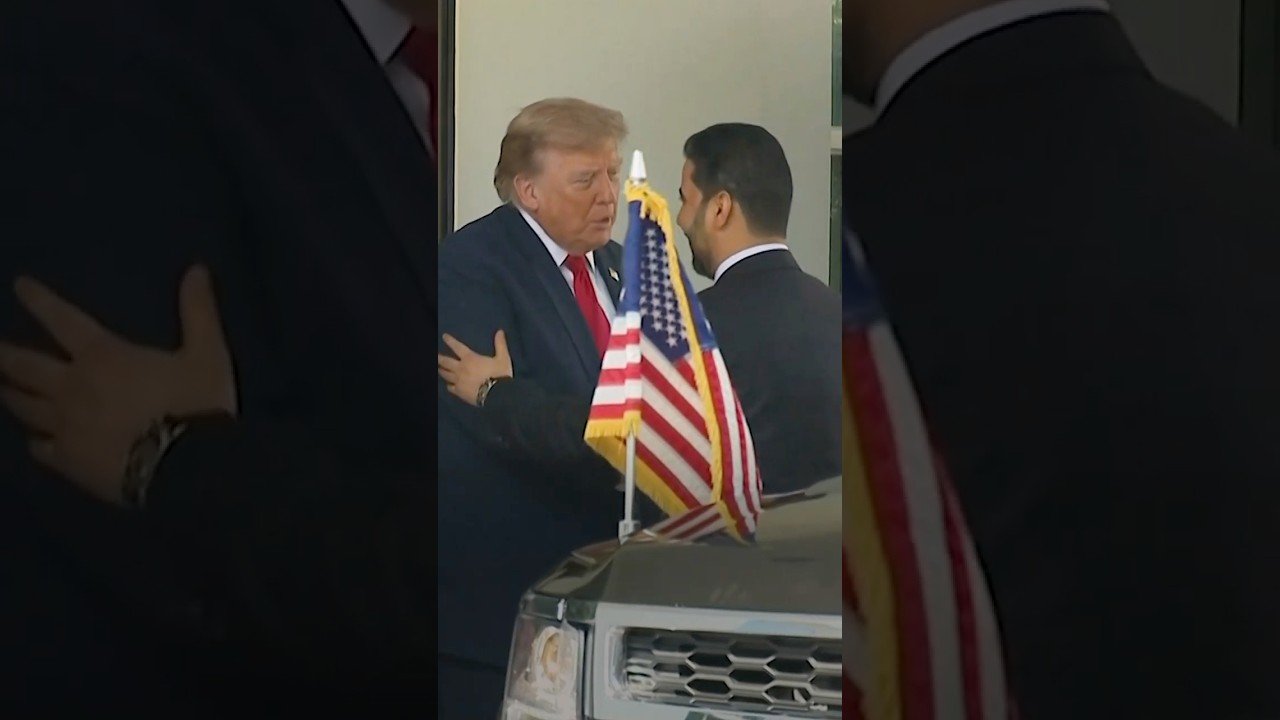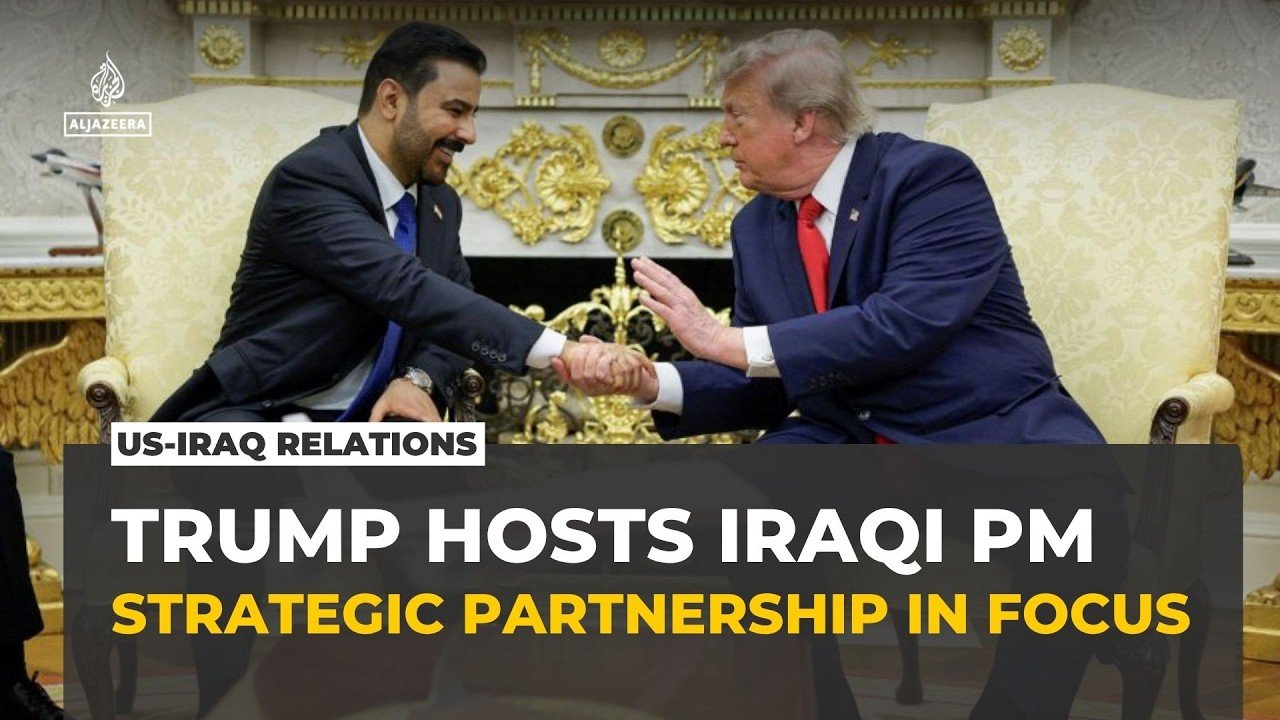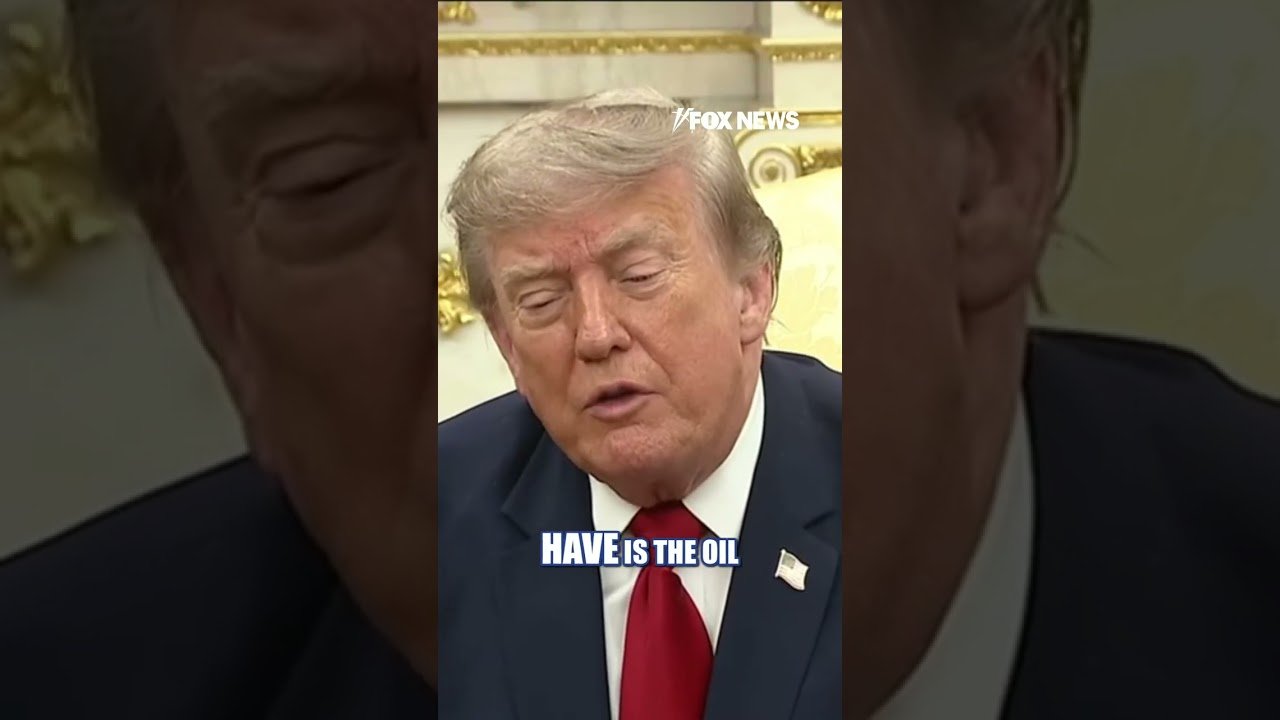






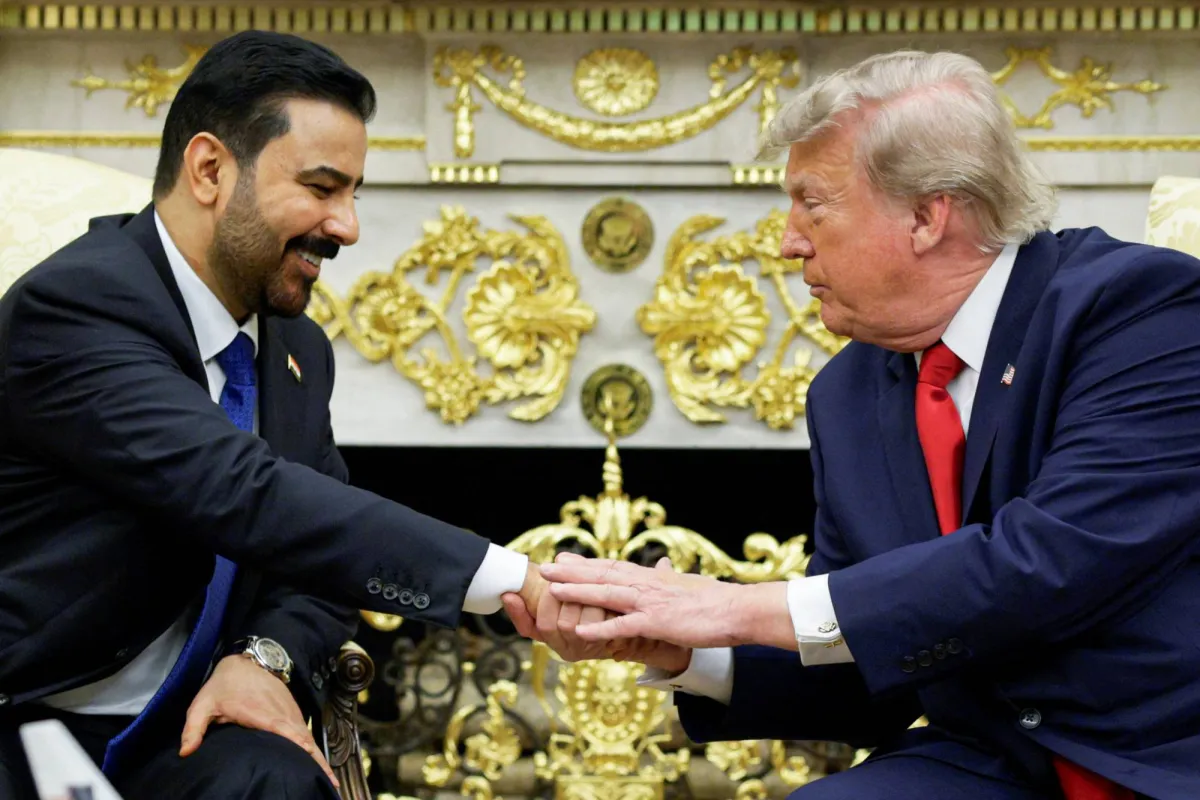


US President Donald Trump hosted Iraq’s newly appointed Prime Minister Ali al-Zaidi at the White House on 14 July, signaling a strategic shift in bilateral relations from security dependence toward economic and energy cooperation, as Washington prepares to end its two-decade military presence in the country.
The meeting marked al-Zaidi’s first official visit since taking office following a prolonged political deadlock in Baghdad, and comes at a pivotal moment for Iraq’s internal stability and regional positioning.
Military withdrawal deadline set
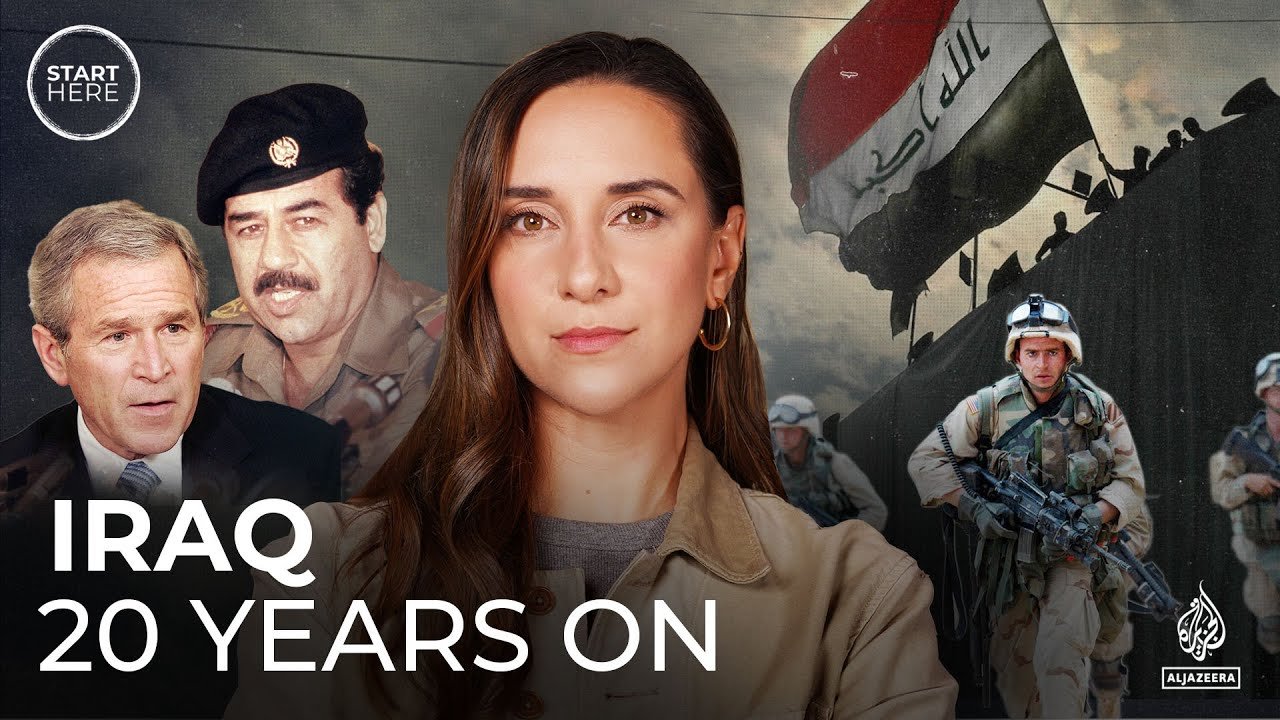
A central outcome of the talks was confirmation that US forces will fully withdraw from Iraq by 30 September 2026, ending a military deployment that began with the 2003 invasion.
The withdrawal reflects a broader recalibration of US policy in the Middle East, with Washington seeking to reduce direct military involvement while maintaining influence through economic partnerships and regional alliances. Pentagon officials indicated the timeline is fixed, placing pressure on Iraqi authorities to manage security independently amid ongoing militia activity.
Energy corridor deal reshapes oil exports
The two leaders also finalized a multi-billion-dollar energy agreement centered on a new oil export corridor designed to diversify Iraq’s supply routes and reduce reliance on vulnerable chokepoints.
The project includes:
- A primary pipeline running from Basra, Iraq’s main oil hub in the south, to Haditha in the west
- Extensions from Haditha to Turkey’s Ceyhan port and Syria’s Baniyas terminal
- Participation from a consortium including US energy firms such as Chevron and TI Capital, alongside Qatar-based UCC
Strategically, the project aims to bypass the Strait of Hormuz — a critical but contested maritime route — thereby reducing exposure to potential disruptions linked to Iran and regional tensions. For Iraq, the corridor could enhance export resilience and attract long-term foreign investment into its energy infrastructure.
Washington pushes militia disarmament
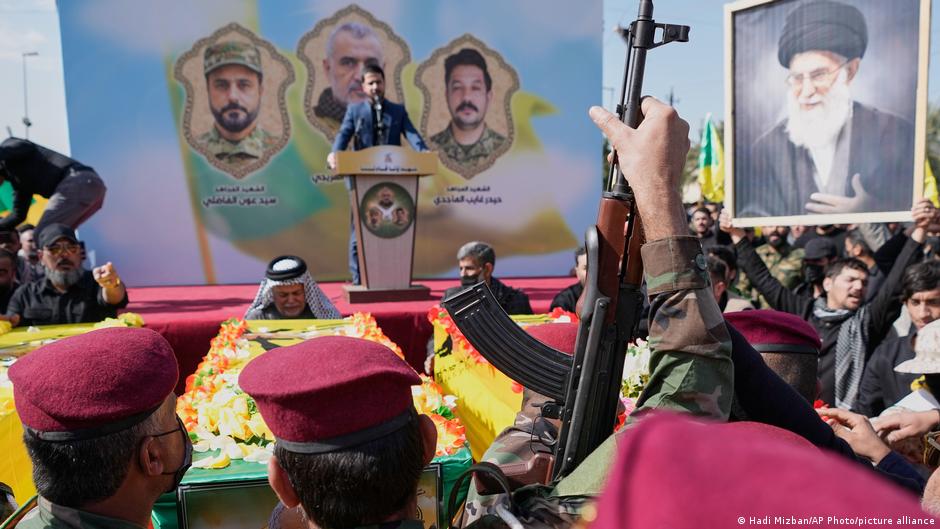
In parallel, the US is pressing Baghdad to meet a 30 September deadline to fully disarm Iran-backed militias operating within Iraq, a longstanding point of friction in bilateral relations.
The Trump administration has previously used financial leverage — including restrictions on dollar flows into Iraq’s banking system — to compel action against these groups. Officials view militia integration or disarmament as essential to stabilizing the Iraqi state and limiting Tehran’s influence.
Domestic resistance complicates agenda
Al-Zaidi faces significant challenges in delivering on these commitments. While his government has made some progress — notably integrating Muqtada al-Sadr’s Peace Brigades into formal state structures — several powerful militias remain defiant.
Hardline factions have condemned the Washington visit and the energy deal, framing it as a surrender of national resources to foreign interests. Some groups have accused the government of enabling external control over Iraq’s oil sector, raising the risk of internal instability as the US withdrawal deadline approaches.
Analysts note that Iraq’s fragmented political landscape limits the prime minister’s authority, with competing armed groups and political blocs constraining central decision-making.
Personal diplomacy and political backing
Trump offered strong personal support for al-Zaidi, describing him as a “future great leader in the Middle East” and highlighting their shared business backgrounds. The US president had previously endorsed al-Zaidi’s rise during Iraq’s government formation process.
The rapport underscores Washington’s preference for a leadership figure aligned with its economic and security priorities, particularly as it transitions away from direct military engagement.
A fragile transition
The developments signal a broader shift in US–Iraq relations, with economic integration and energy cooperation replacing the long-dominant security framework. However, the success of this transition depends heavily on Iraq’s ability to assert control over armed groups and navigate domestic opposition.
With the military withdrawal deadline looming and major infrastructure projects underway, Iraq enters a critical phase that will shape its sovereignty, economic trajectory, and geopolitical alignment in the years ahead.