







President says Netanyahu agreed to halt roughly $4billion in yearly assistance by the end of 2026. The announcement leaves questions over congressional funding, missile-defence programmes and the future of US-Israeli military cooperation.
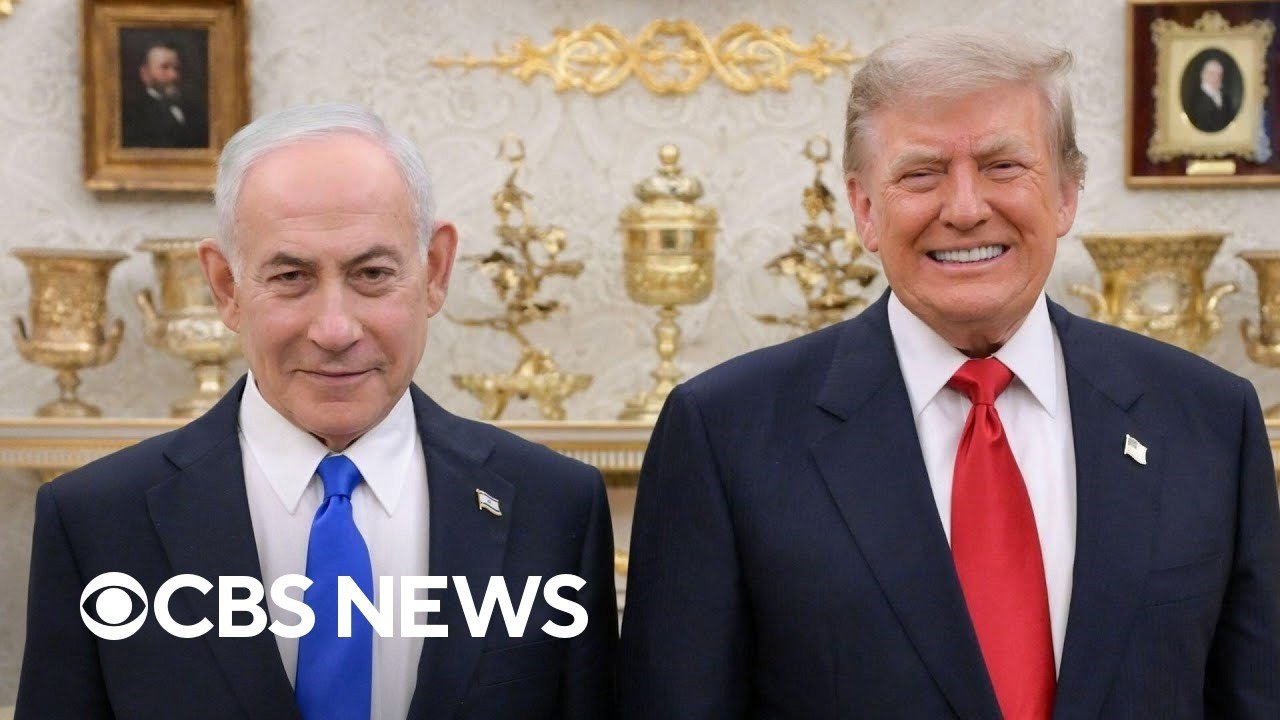
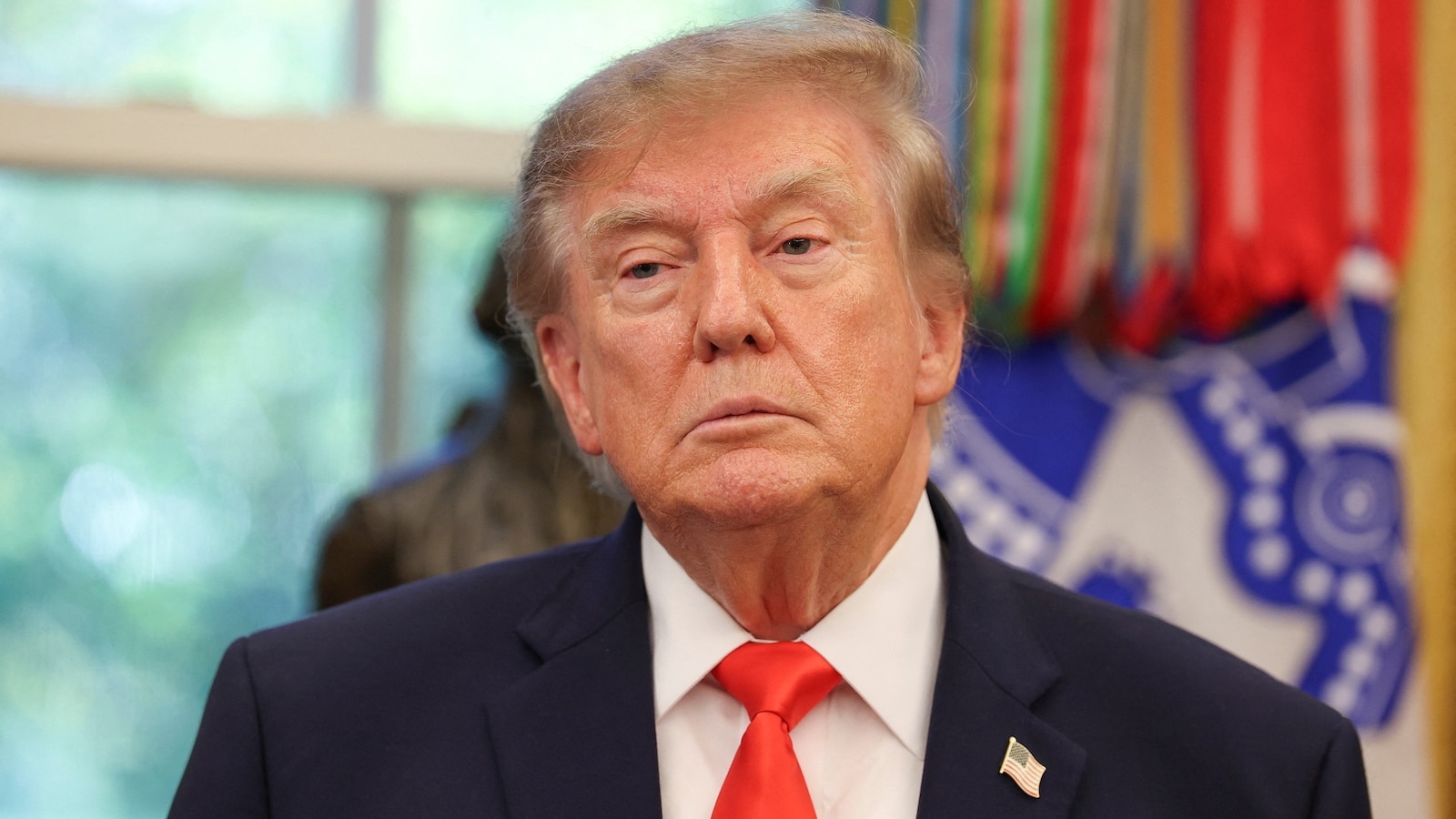
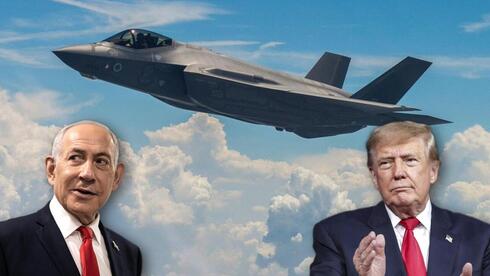
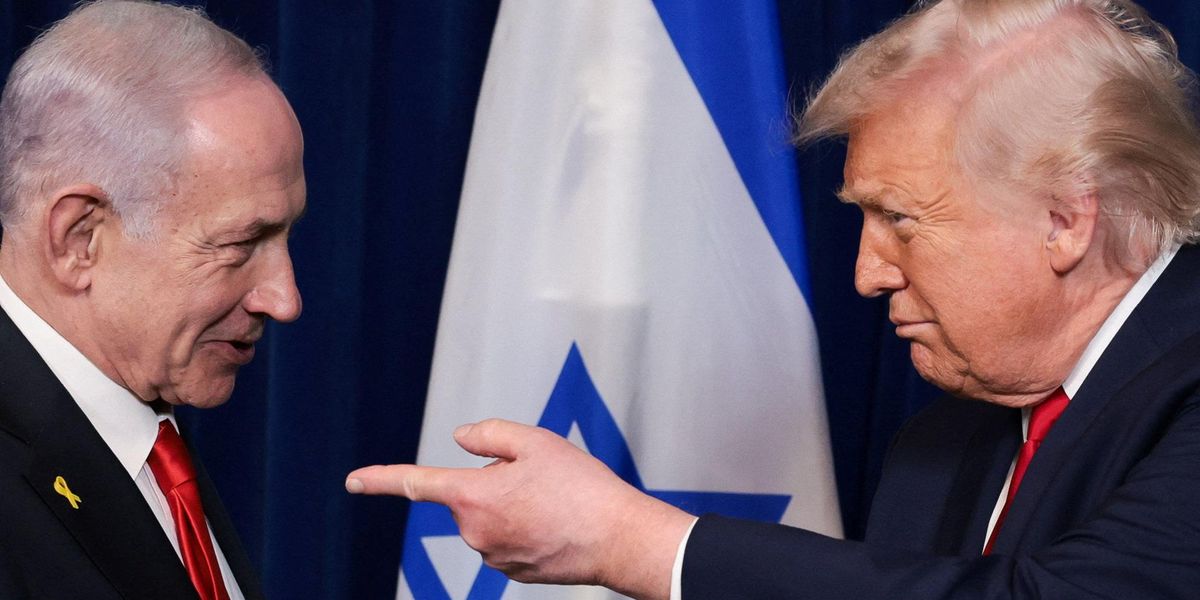
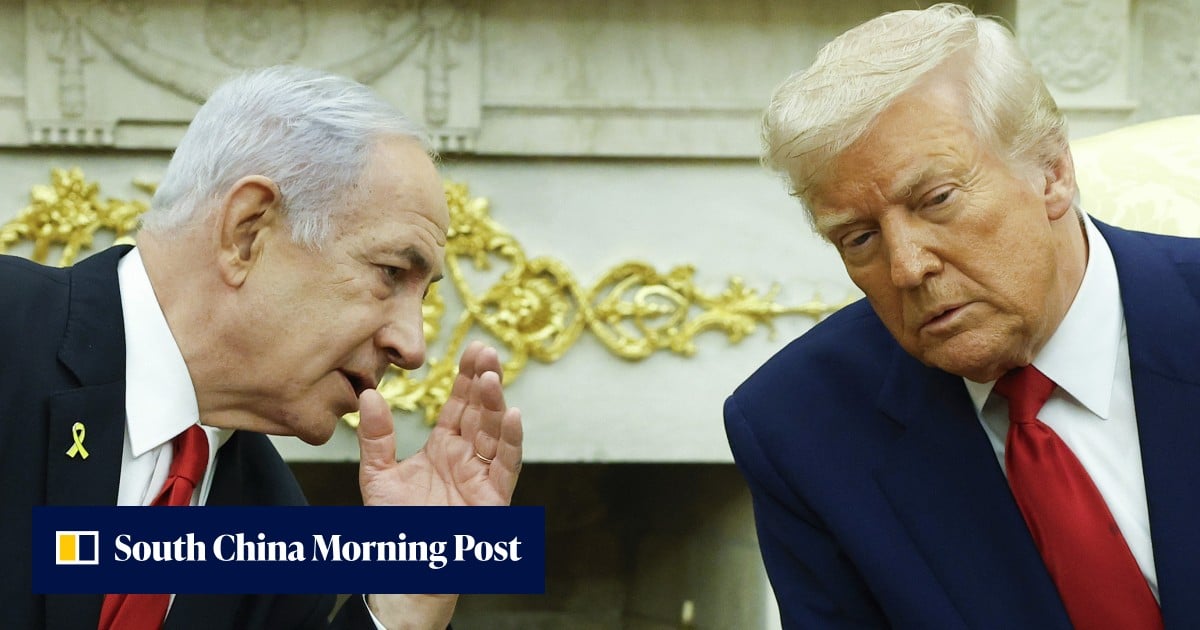
President Donald Trump said on November 3 that the United States would stop providing roughly $4billion in annual military assistance to Israel at the end of the year, announcing a shift in the allies’ financial relationship without setting out how his administration would implement it.
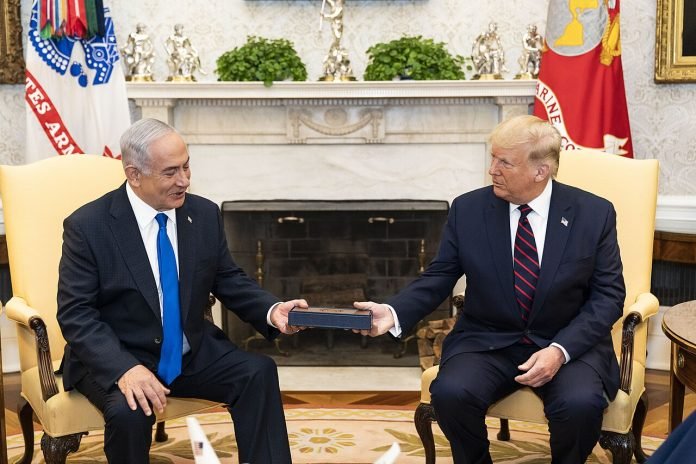
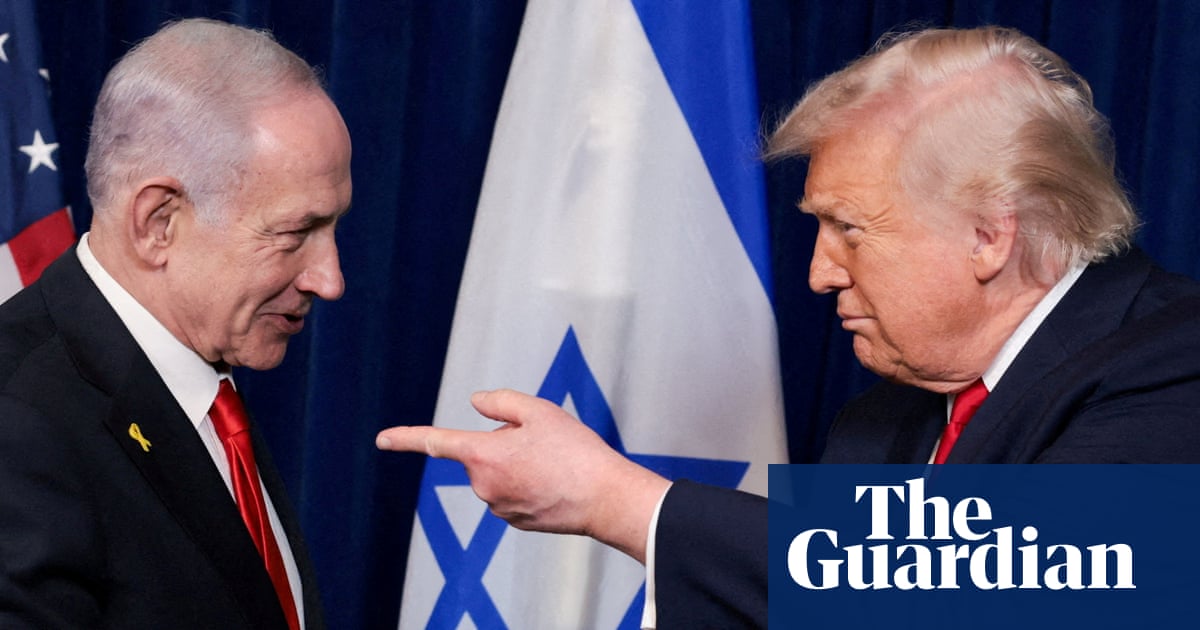
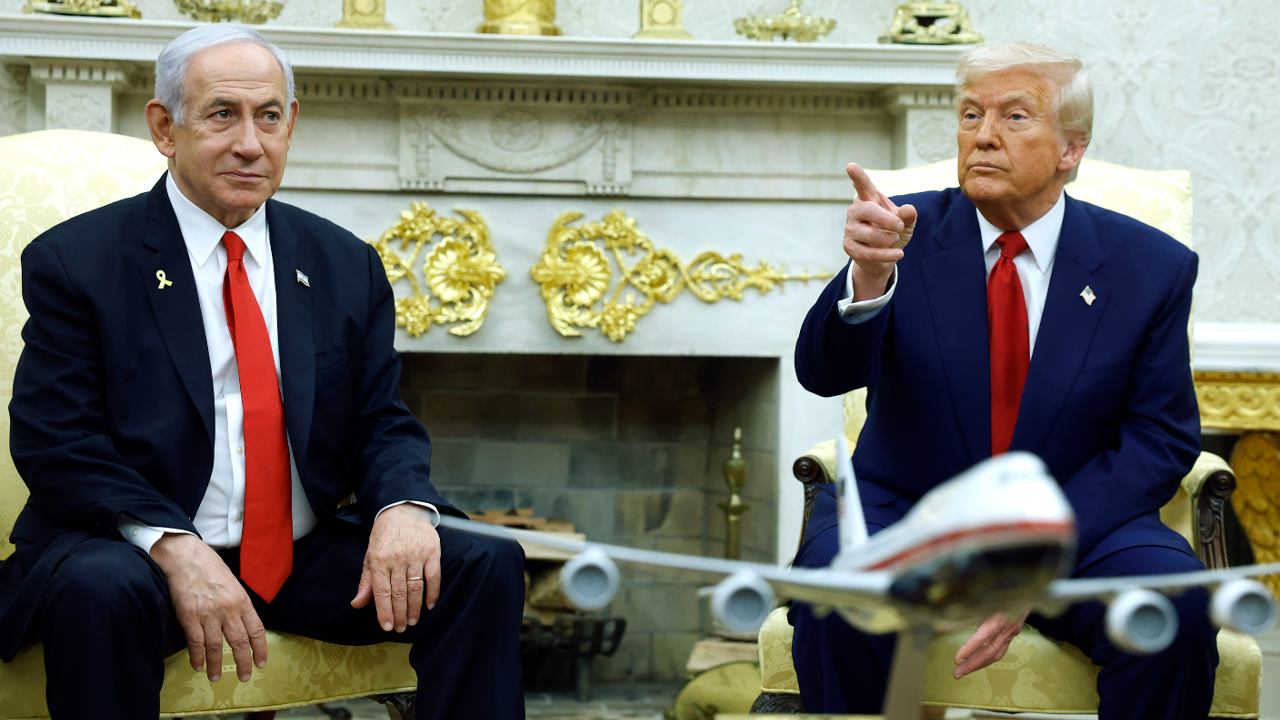
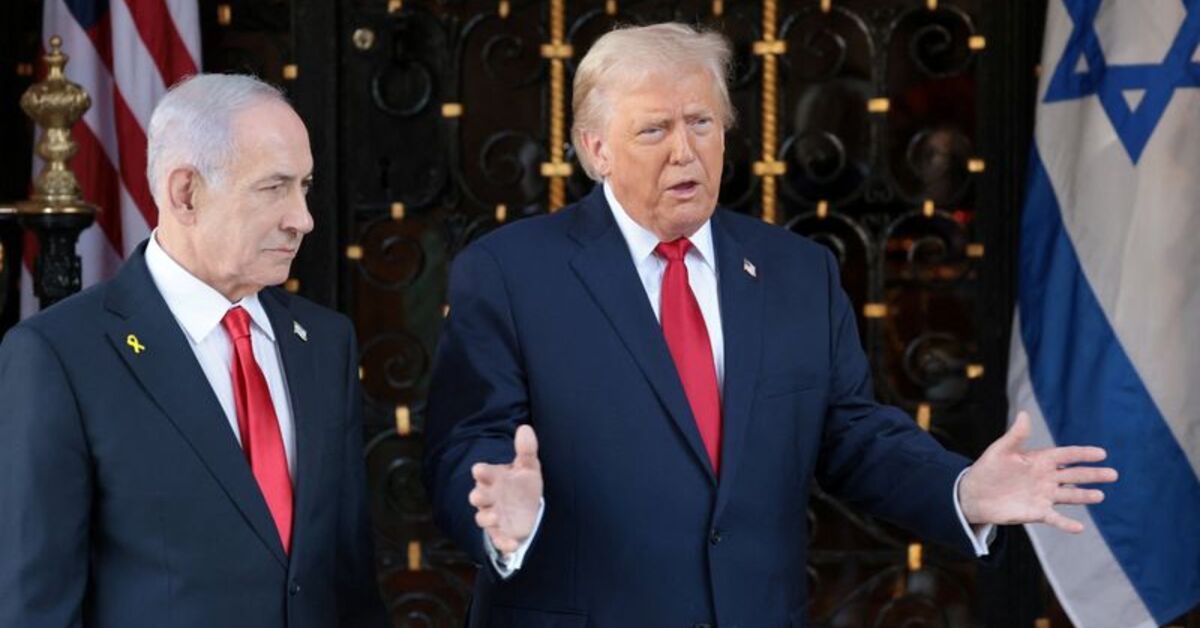
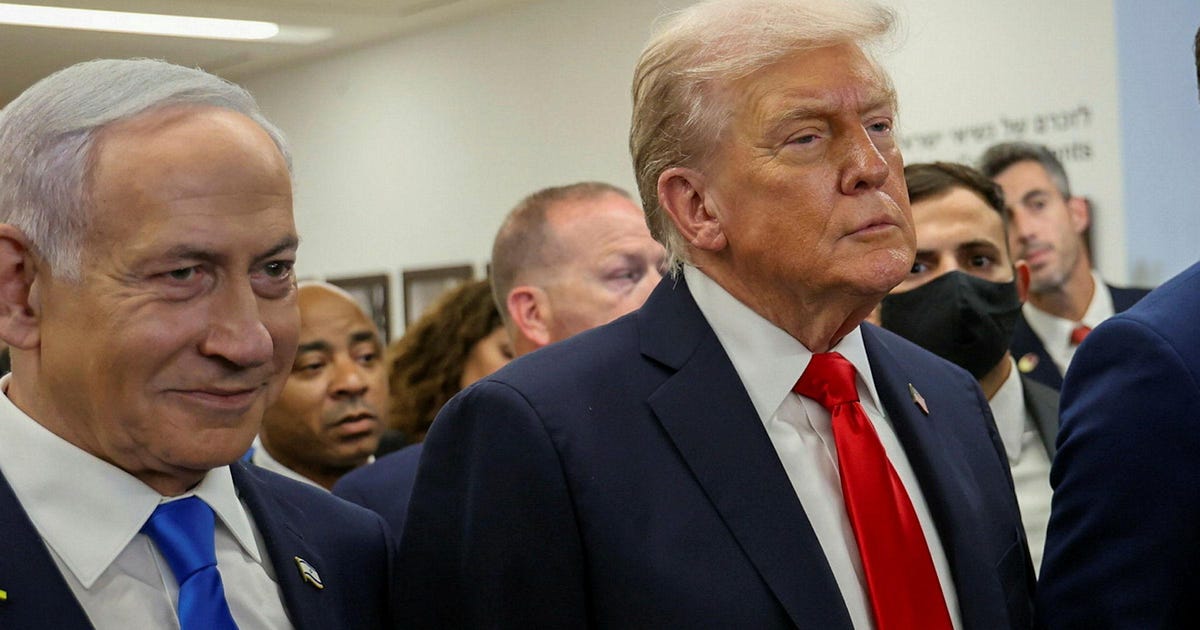
Speaking by telephone on Fox News’ Fox & Friends as Americans voted in the midterm elections, Trump said he and Israeli Prime Minister Benjamin Netanyahu had agreed to the change months earlier. Israel would still be able to buy American weapons, he said.
We’ve already agreed that by the end of this year we won’t be paying Israel… Now, we’ll help Israel if they need it.
President Trump said.
The announcement is not the same as an enacted funding cutoff. Initial reporting did not establish precisely which assistance programmes Trump intended to end, how existing commitments would be handled or what would replace the current arrangement. Netanyahu’s office had not immediately commented, according to the Associated Press.
What the annual aid package covers
Trump described the assistance as $4billion a year. The established annual package under a 2016 US-Israel memorandum of understanding is $3.8billion: $3.3billion in Foreign Military Financing grants and $500million for joint missile-defence programmes. The agreement covers fiscal years 2019 through 2028, with a total pledged value of $38billion, subject to congressional appropriations.
The distinction matters because the package is not simply an unrestricted cash payment. Foreign Military Financing helps Israel purchase military equipment, while the missile-defence allocation supports cooperative programmes. Politico reported that more than 90% of the assistance is directed to American defence companies, meaning much of the spending remains in the United States.
The annual package also does not represent the full extent of US military support for Israel. Congress has approved additional emergency assistance since the Hamas-led attacks of October 7, 2023, and the subsequent conflicts. An April 2024 law, for example, included $3.5billion in additional Foreign Military Financing and $5.2billion for missile and laser defence systems.
Trump’s remarks did not explain whether any future emergency assistance would be affected.
An earlier end to a framework that runs through 2028
The existing aid memorandum remains in effect through September 30, 2028 — not the end of that calendar year. Ending the annual assistance after December 2026 would therefore bring the arrangement to an earlier close than envisaged.
However, describing the memorandum as a legally binding guarantee would overstate its status. The Congressional Research Service says these memorandums are not legally binding treaties, and their funding depends on Congress. Lawmakers can change annual assistance levels or approve additional appropriations.
That leaves Congress central to any implementation plan. A political agreement between Trump and Netanyahu does not itself explain how the administration would deal with funding already approved by lawmakers. Politico reported that the announcement raised questions about whether congressional approval would be required; the Pentagon referred questions to the White House, which had not responded to the outlet’s request for comment.
Ending subsidies would not mean ending arms sales
Trump presented the proposed change as a move away from financial assistance, rather than an end to weapons supplies or the broader security relationship. The Associated Press reported that Washington would continue selling arms to Israel, while Trump said the United States would help the country if needed.
That would change who finances purchases, but it would not necessarily dismantle the defence relationship. The Washington Post reported that Netanyahu had been seeking deeper military, intelligence and industrial integration with the United States through the fiscal 2027 National Defense Authorization Act, even while anticipating a reduction in direct aid.
Such proposals remain distinct from an agreed replacement for the annual funding package. The BBC reported that the specifics of any new procurement or investment arrangement were unclear.
Existing joint programmes could also complicate Trump’s timetable. Thomas Warrick, director of the Atlantic Council’s Future of DHS Project, told Al Jazeera that missile-defence and counter-drone programmes could not easily be shifted into a Foreign Military Sales arrangement. He expected a phaseout during 2027 rather than a complete halt by the end of 2026. That was an expert assessment, not an announced government schedule.
Trump links the decision to domestic politics
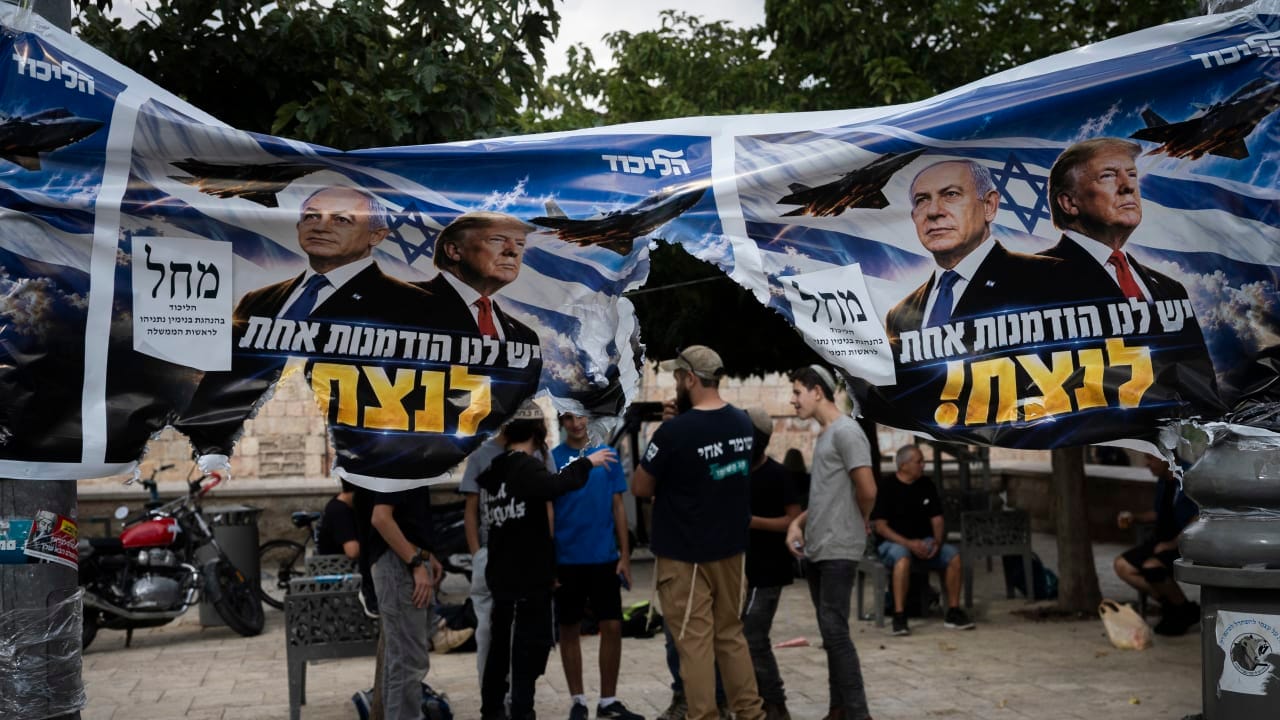
Trump explicitly connected the announcement to political criticism of American support for Israel. He singled out Michigan Democratic Senate nominee Abdul El-Sayed, who had campaigned on ending military aid, and called the annual payment a “bad talking point.”
“They don’t need it,” Trump said of Israel, arguing that Republicans should not have to defend the assistance against its critics. He also claimed Netanyahu had first suggested ending the aid because it had become a point of contention in American politics.
The election-day timing drew criticism from former Republican congresswoman Marjorie Taylor Greene, who had previously pushed to cut military assistance to Israel. She portrayed the announcement as a response to Republican electoral difficulties rather than a change likely to influence that day’s voting.
Netanyahu had already publicly signalled an interest in reducing dependence on US support. But the timetable previously attributed to him was more gradual: the BBC reported that, in a May interview with CBS, he discussed beginning a process to reduce assistance over the following decade.
The implementation questions remain unanswered
The immediate uncertainty is not simply whether Washington and Israel favour reducing direct aid, but what an actual cutoff would cover. Initial reports left unresolved the treatment of existing funding, joint missile-defence programmes and the terms under which Israel would finance future American weapons purchases.
Trump’s announcement set out a proposed end date and a political rationale. It did not yet establish that the annual funding had been terminated—or that the wider US-Israel military partnership was being wound down.