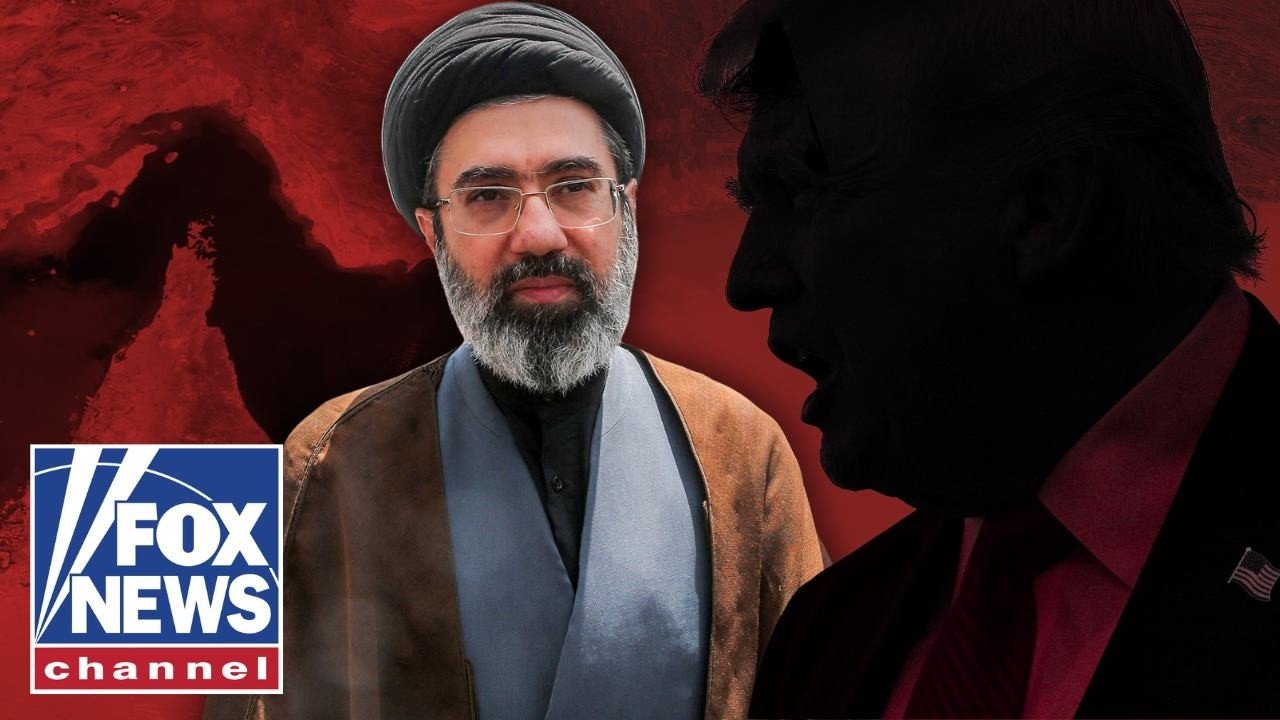
Iran and Israel have agreed to halt direct military operations temporarily following a dramatic escalation that marked the first direct attacks between the two nations since an April 2026 ceasefire, with US President Donald Trump playing a pivotal role in de-escalating the conflict.
The Trigger: Beirut strike sets off missile exchange
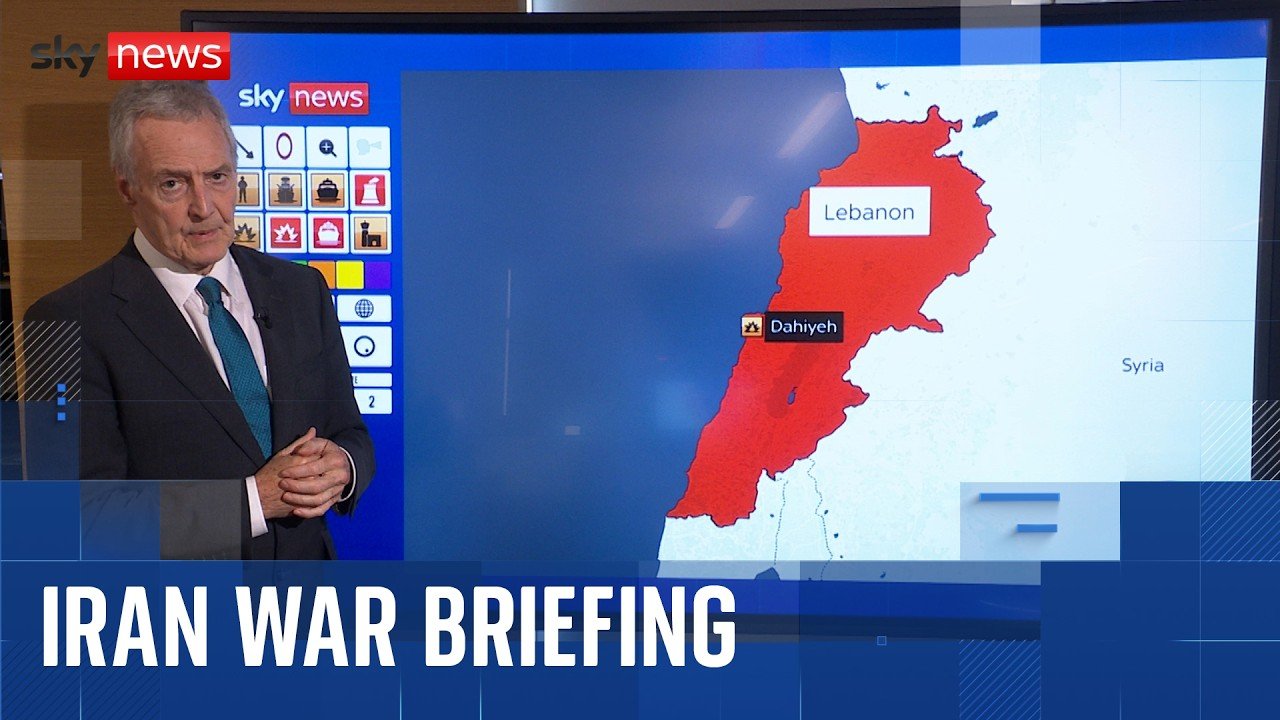
The flare-up began Sunday when Israeli forces launched airstrikes targeting Beirut’s southern suburbs, specifically hitting a Hezbollah command center in the Dahieh neighborhood. Lebanon’s state news agency reported at least two civilians killed and 11 injured in the attack.
Israel said the strike was retaliation for a Hezbollah missile attack on northern Israel earlier that day. The Israeli military claimed to have intercepted the Hezbollah missiles.
Iran responded by bypassing its typical regional proxies and firing ballistic missiles directly at Israel. The Islamic Revolutionary Guard Corps (IRGC) confirmed targeting Ramat David Airbase in northern Israel, which Iran claimed was used for operations against southern Lebanon including Tyre, Nabatieh, and Beirut’s southern suburbs.
“The tonight’s operation was a warning. If aggression is repeated, responses will be broader and will target all American and Zionist objectives in the region,” the IRGC stated.
Trump’s “Fucking Crazy” Rebuke to Netanyahu
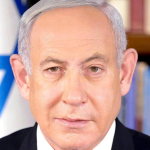
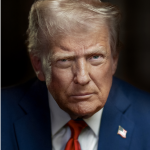
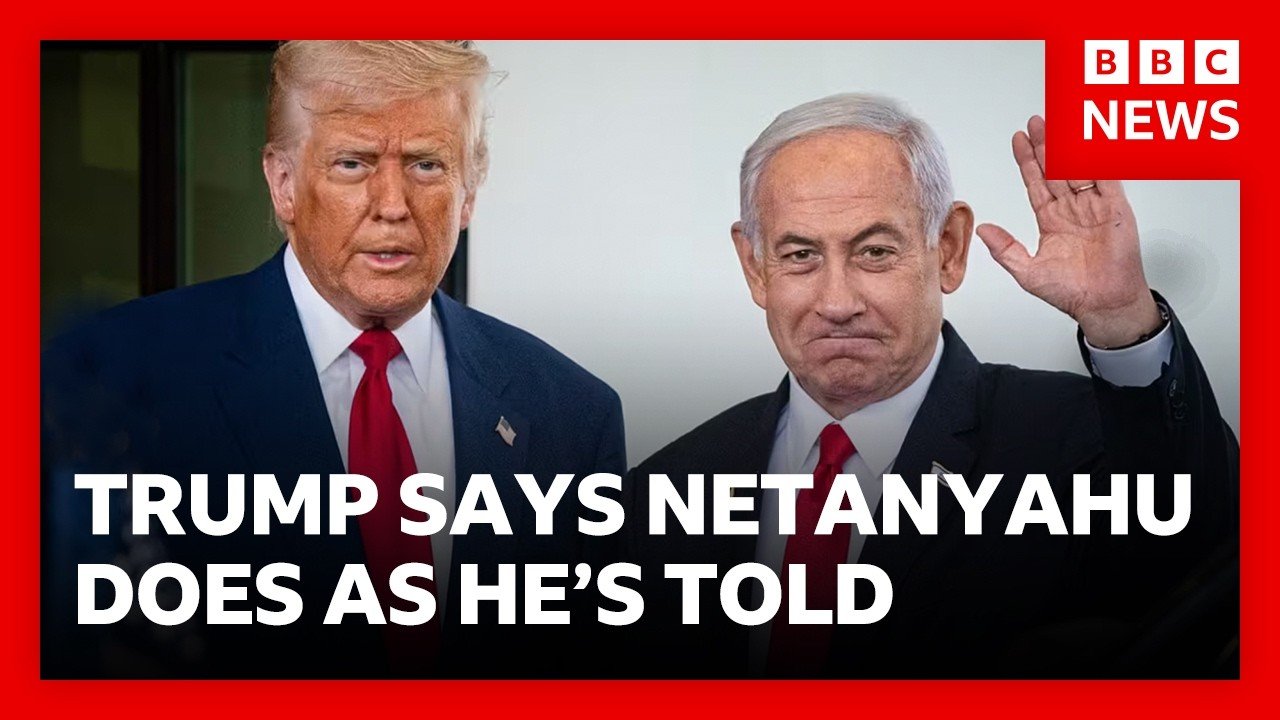
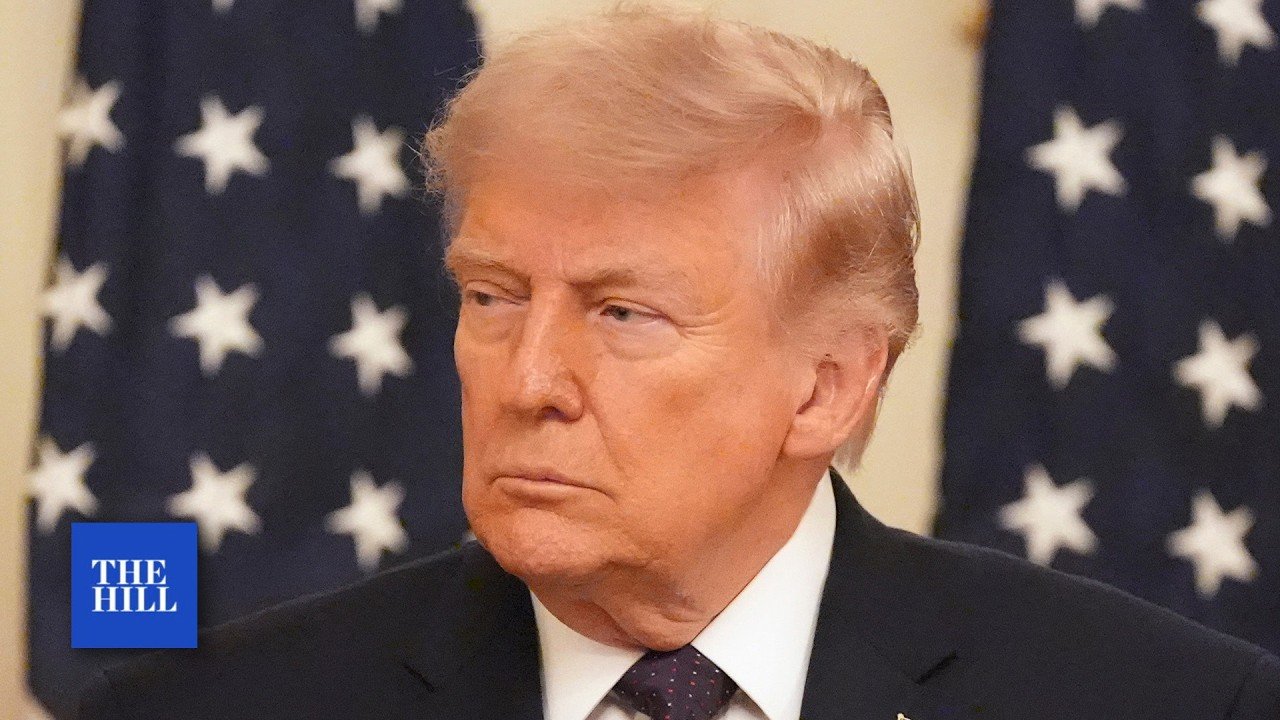
President Trump’s intervention came after a heated phone call with Israeli Prime Minister Benjamin Netanyahu on Monday that was leaked to Axios.
According to two US officials and sources familiar with the discussion, Trump yelled at Netanyahu: “You’re fucking crazy. What the fuck are you doing?” over Israel’s plans to expand ground operations and launch massive airstrikes on Beirut.
Trump also accused Netanyahu of ingratitude, saying, “You’d be in prison if it weren’t for me. I’m saving your ass”, referencing Trump’s past interventions during Netanyahu’s domestic corruption trials.
The president warned about Israel’s declining international standing, saying “Everybody hates you now. Everybody hates Israel because of this”.
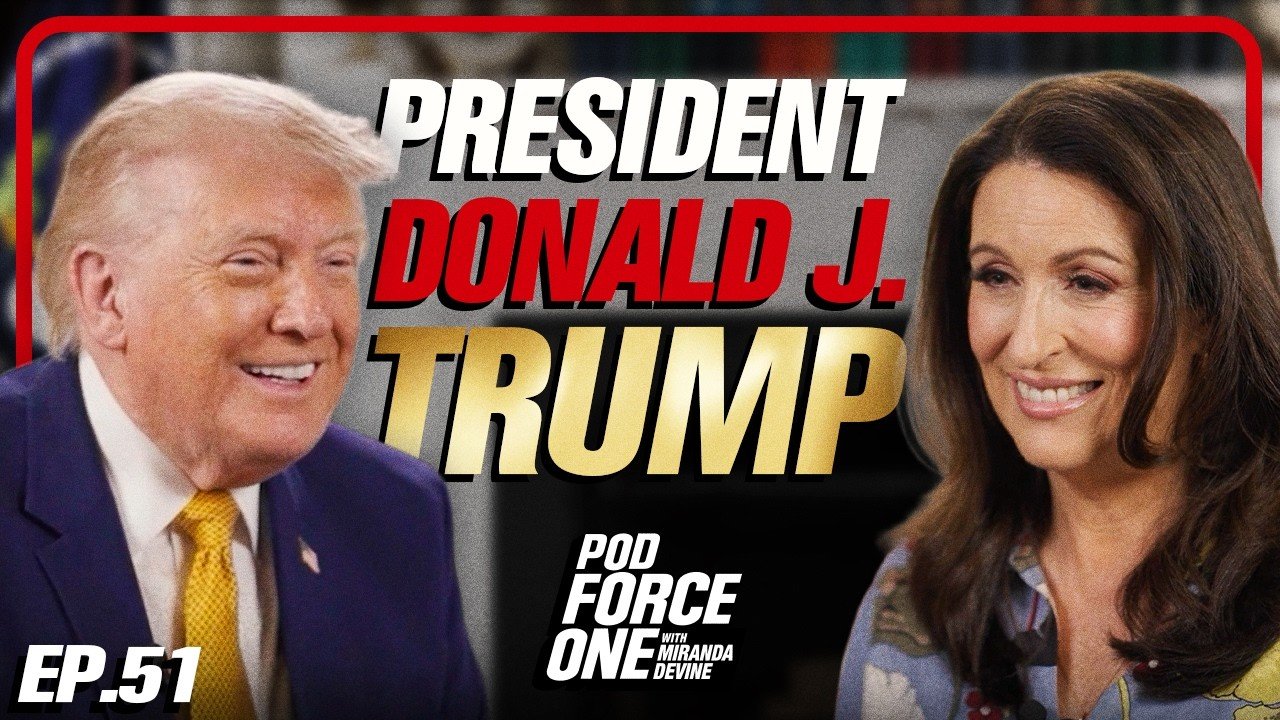
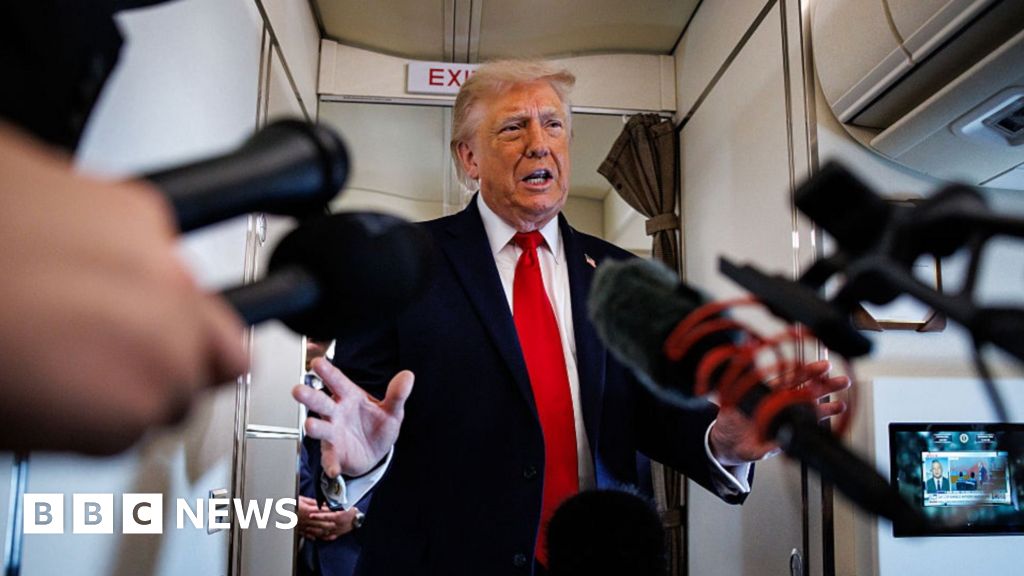
The conversation was later confirmed by Trump himself during a Pod Force One podcast interview. During the interview, Trump confirmed he called Netanyahu “f***ing crazy” but downplayed the episode.
I wouldn’t say angry. I was a little bit perturbed at his constantly fighting with Lebanon.
Israel retaliates despite Trump’s call for restraint
Despite Trump’s direct requests for restraint, Israel launched retaliatory strikes on Sunday night, executing what it called a “large-scale strike on strategic defense systems” in western and central Iran, including parts of Tehran, Isfahan, and Tabriz.
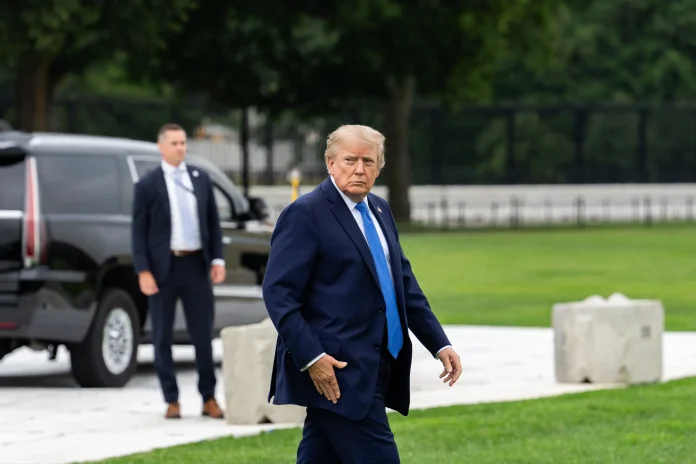
Trump phoned Netanyahu for a second time in 24 hours, warning that Israel could lose Washington’s backing if it further escalated the conflict.
“I told Bibi, you need to be cautious, or you will soon find yourself on your own,” Trump recounted to Axios.
The fragile pause
As of Tuesday, June 9, 2026, both Tehran and Jerusalem announced a pause in mutual attacks:
Israel: Netanyahu acknowledged halting attacks on Iran, stopping short of acknowledging a formal ceasefire, but vowed to respond “with force” to future attacks
Iran: The Iranian military’s joint command said it was halting offensive operations after the first direct attacks since the US-Iran ceasefire established in April
Domestic impact: Public restrictions inside Israel have eased, and domestic flights within Iran have resumed
However, Iran’s pause is conditional. The Iranian military explicitly warned it would resume hostilities if Israel continues its ground and air offensive in southern Lebanon.
Lebanon: Violence continues despite pause
Despite the Israel-Iran halt, Israeli forces have continued targeting southern Lebanese districts including Nabatieh and Tyre, where multiple civilian casualties were reported. Israel claims these actions respond to ceasefire violations by Hezbollah.
The Lebanese army reported that a general was among several soldiers killed during an Israeli airstrike on Saturday along the Khardali-Nabatieh road.
Since March 2, Israeli attacks in Lebanon have resulted in over 3,500 civilian fatalities, according to Lebanon’s Ministry of Public Health.
Regional expansion
Over the past week, Iran expanded its regional response:
Kuwait: Drone strike on Kuwait International Airport
Bahrain: Targeted in retaliation for US naval actions
Strait of Hormuz: IRGC maintains a tight blockade over the Strait, threatening any “hostile military vessels”
Red Sea: Yemen’s Houthi rebels announced a complete ban on Israeli vessels navigating key shipping lanes
Diplomatic Deadlock
The conflict has reached a stalemate after more than two months since the April 8, 2026 ceasefire paused all-out warfare, though Gulf flare-ups continued.
Peace negotiations remain deadlocked over US demands for Iran to fully abandon and hand over its highly enriched uranium. Trump stated that the US military blockade on Iranian ports will remain heavily enforced until a final text is signed.
The President told the FT on Jun 8 that Israeli PM Netanyahu will have “no choice” but to accept a deal.
Pakistani intermediaries are currently in Iran for discussions aimed at achieving progress in the stalled peace negotiations.
Congressional rebellion: House curb Trump’s war powers
The diplomatic pressure on Trump was compounded by a rare bipartisan rebuke from Congress. On June 3, the House of Representatives voted 215-208 to pass a War Powers Resolution seeking to halt the U.S. military campaign against Iran. All Democrats present voted for the measure, joined by only four Republicans: Reps. Thomas Massie (R-Ky.), Warren Davison (R-Ohio), Brian Fitzpatrick (R-Pa.), and Tom Barrett (R-Mich.).
Under the 1973 War Powers Act, if Congress fails to declare war after such a resolution, the president must withdraw troops within 60 days of entering hostilities (with a possible 30-day extension).
The resolution is designated as “concurrent” and does not carry the force of law, making it largely symbolic given Trump’s expected rejection of the measure. Unlike typical legislation, it is not subject to presidential veto.
House Speaker Mike Johnson still says most Republicans support Trump. Senate Republicans have not backed a bicameral measure that could reach Trump’s desk.
Trump administration officials have repeatedly argued the 1973 War Powers Resolution requiring congressional oversight of military action is unconstitutional.
War has largely subsided since April ceasefire, making some argue the resolution undermines ongoing negotiations. The vote will not legally force troop withdrawal unless the Senate passes a similar measure and Congress can overcome the legal controversy about whether the War Powers Act can actually compel a president.
What’s next
Trump said on Truth Social that both Israel and Iran “are eager to achieve an immediate ceasefire” despite the recent escalation.
Netanyahu remarked that the conflict with Iran and Hezbollah “has not concluded”, though he asserted both adversaries are currently more vulnerable than ever.
The key question is whether both sides will hold their fire long enough for the US and Iran to negotiate the ceasefire Trump keeps claiming is near.
The US launched Operation Economic Outcast against Iran that expands secondary sanctions risk across five critical sectors and targets nearly 60 entities.
US President Donald Trump has launched what he calls an “Economic D-Day” against Iran, vowing the “most crushing economic operation ever taken against any country”.
Both Washington and Tehran have ruled out extending the deal, with President Donald Trump declaring that Iran must "put up the white flag of surrender".
The overlap highlighted Graham’s standing as a longtime foreign-policy hawk, bringing together leaders tied to two of the world’s most consequential conflicts.
Trump framed the war powers vote as an attack on ongoing diplomacy, while critics said Congress was overdue to reassert its constitutional role over war-making decisions.
Apr 7 to 8: The United States and Iran agree to a fragile, two-week ceasefire framework mediated by Pakistan.
Apr 8: Just hours after the announcement, the Israel Defense Forces (IDF) conduct a massive blitz across Lebanon, killing over 300 people in Beirut. The attack tests the limits of the US-Iran truce.
Apr 14: The US hosts high-level, direct diplomatic talks between Israeli and Lebanese officials in Washington to de-escalate the border conflict.
Apr 17: US President Donald Trump announces a 10-day ceasefire specifically between Israel and Lebanon. Iran simultaneously announces it will temporarily open the blockaded Strait of Hormuz to commercial vessels.
Apr 21: Citing progress in ongoing negotiations, President Trump extends the US-Iran ceasefire indefinitely.
Late Apr to Mid-May: Despite commitments to the truce, Israel and Hezbollah trade frequent, low-intensity cross-border fire. The US maintains enforcement of its strict naval blockades on Iranian ports to keep pressure on Tehran.
May 5: The United States officially concludes the operational phase of Operation Epic Fury — the code name for its joint combat operations with Israel against Iran.
May 27: Tensions spike dramatically as intense Israeli airstrikes kill 31 people in Lebanon amidst widening domestic displacement.
May 30: Frustrated by continuous proxy friction, IDF ground forces push north of the Litani River into Lebanon for the first time in 20 years.
May 31: The Israeli ground invasion advances to its deepest point in a quarter-century, effectively shattering the operational constraints of the April ceasefire.
Jun 1: Prime Minister Benjamin Netanyahu threatens to completely flatten Beirut if Hezbollah attacks do not cease. President Trump frantically attempts to mediate, claiming both sides have agreed to calm the fighting.
Jun 3: Israel and Lebanon reach a tentative agreement in Washington to renew a fragile ceasefire and create secure border zones that exclude Hezbollah.
Jun 4: Hezbollah’s leadership officially rejects the Washington agreement, demanding an immediate and unconditional Israeli military withdrawal from Lebanese territory.
Jun 5: Iran’s Islamic Revolutionary Guard Corps (IRGC) backs Hezbollah, warning there will be “no calm in the region” unless Israel pulls back.
Jun 7: The ceasefire collapses entirely. Hezbollah unleashes rocket barrages into northern Israel, prompts retaliatory Israeli airstrikes in Beirut, and triggers Iran to fire a salvo of nearly 30 ballistic missiles directly at Israeli territory.
Jun 8: Israel launches massive, early-morning retaliatory airstrikes targeting military bases and air defenses inside western and central Iran (including Tehran, Isfahan, and Tabriz).
Jun 9 (Present): Following intense pressure from President Trump (including an expletive-laden warning to Netanyahu), both Israel and Iran agree to a fragile, highly volatile temporary pause in direct mutual strikes
Opinion & Analysis
Behind the scenes: How Israel and Iran nearly pulled Trump back to war
"Bibi needs the war to continue to stay politically alive in Israel, and Trump needs the war to end to stay politically alive in the U.S."
Read More
www.axios.com
Watch: Has Donald Trump lost control of the Iran war?
For the first time since the start of a precarious ceasefire two months ago, Israel and Iran have traded missile strikes.
Read More
www.bbc.com
Iran war: The US and Israel Can't Hide Their Differences on Iran
No wonder Donald Trump swore at his supposed friend and ally Benjamin Netanyahu last week. Within days of that June 1 phone call, Israel and...
Read More
www.bloomberg.com
Iran war: who is fighting and why?
Arch-enemies Israel and Iran have returned to active confrontation while Donald Trump tries to present himself as mediator
Read More
www.theguardian.com
Israel and Iran flare-up could strengthen Tehran's negotiating hand
Iran appears emboldened by the outcome and its leaders may sense Trump's appetite for risk is low.
Read More
www.bbc.com
Iran dragged out the 1979 hostage crisis to humiliate the US. It may try to do the same to Trump now
The regime was built for resilience. The US president will struggle to get an acceptable deal unless he’s willing to compromise.
Read More
theconversation.com
The accomplishments of 100 days of war on Iran are undeniable
The US has not just decimated Iran's nuclear programme and military, it has also degraded the power of its regime.
Read More
www.aljazeera.com
Why Trump’s War Hasn’t Broken Iran’s Economy
Iran's economy was already under strain before the US and Israel launched their war on the Islamic Republic. It was grappling with negative...
Read More
www.bloomberg.com
How Lebanon became the breaking point for the Iran war ceasefire
Iran has switched from projecting power via its proxies to using its own firepower to protect them, analysts say.