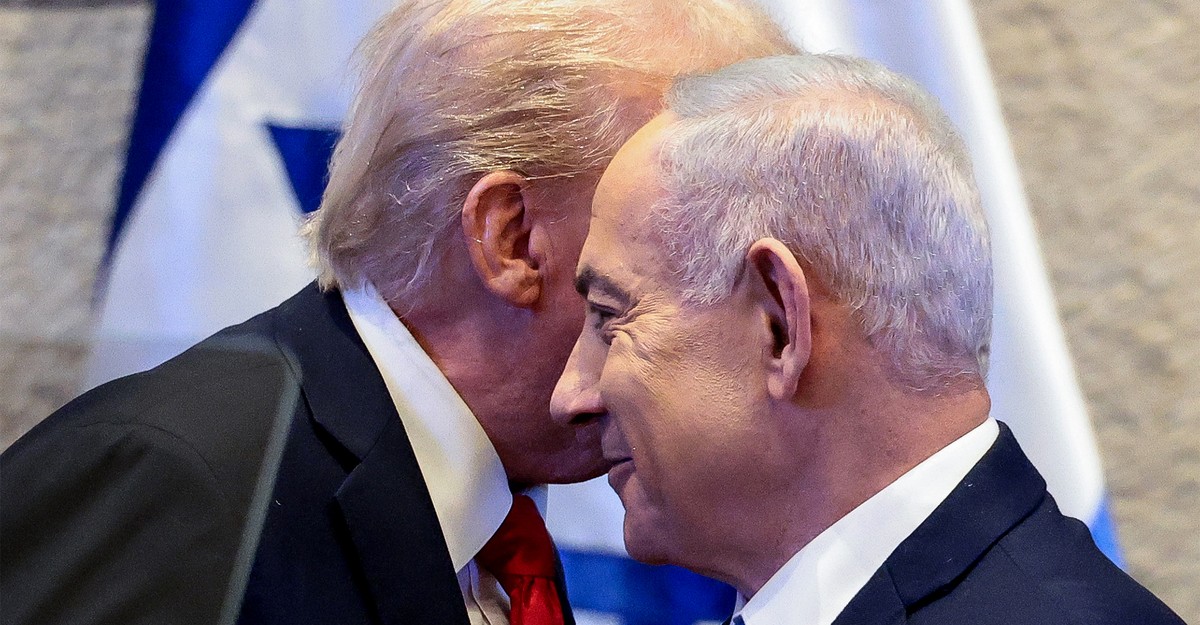
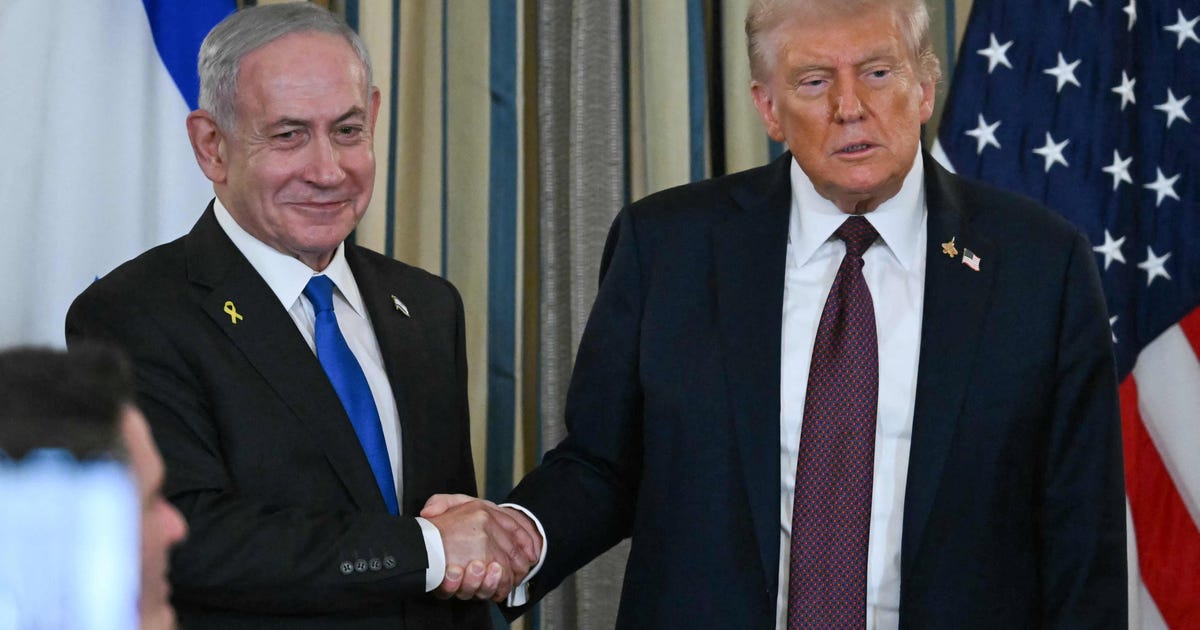
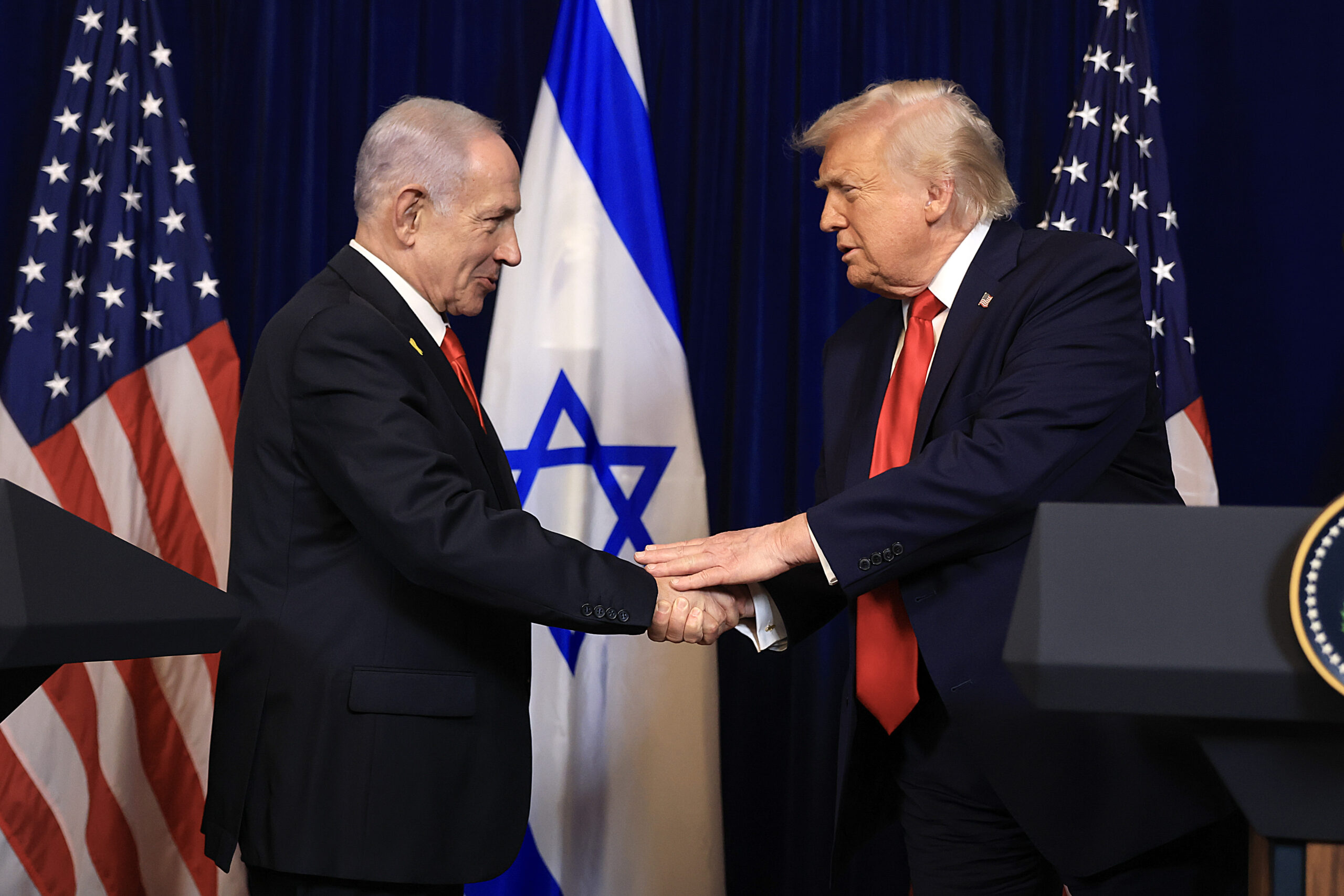
Israeli Prime Minister Benjamin Netanyahu has signaled a major shift in the country’s long-standing security relationship with the United States, outlining plans to phase out American military aid over the next decade and transition toward what he described as a “partnership of equals.”
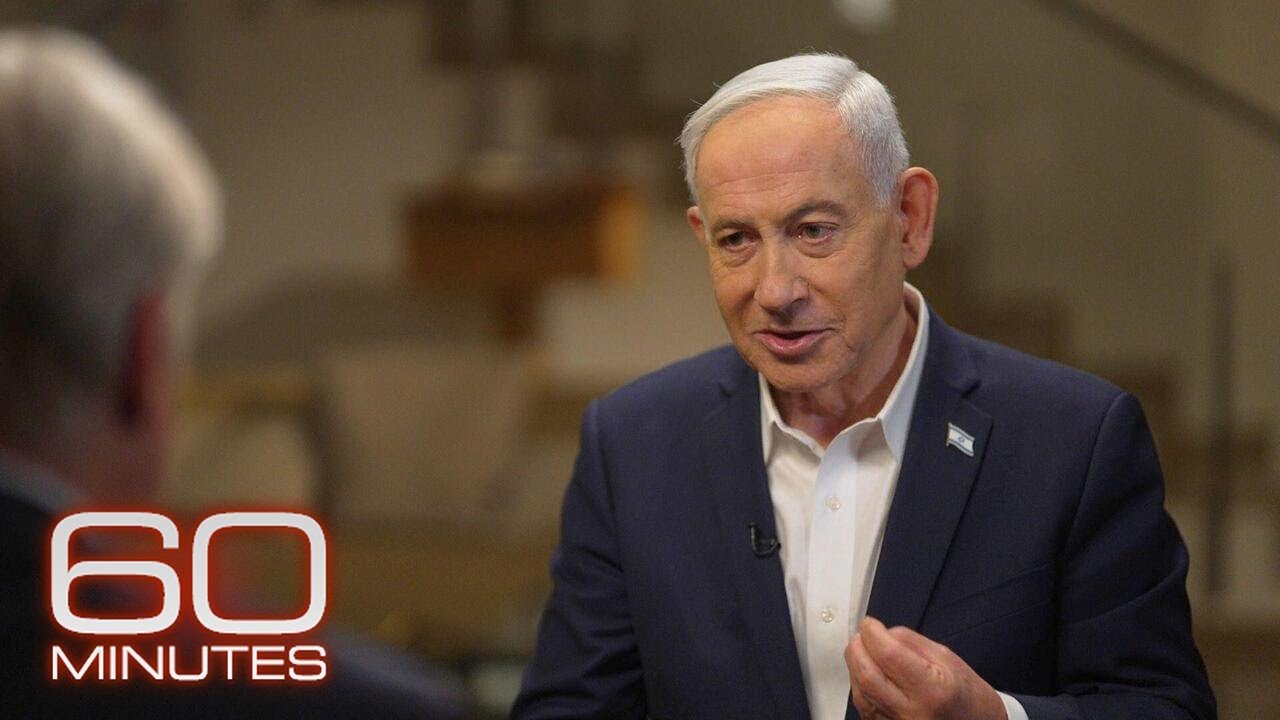
In an interview with CBS News’ 60 Minutes aired on May 10, Netanyahu said he would like to “draw down to zero” the $3.8 billion in annual military assistance Israel currently receives from Washington. The move, he suggested, would mark a deliberate effort to “wean” Israel off external financial support as its economic and military capabilities mature.
The proposal represents a potentially historic recalibration of one of the most entrenched alliances in modern geopolitics, where US aid has long underpinned Israel’s qualitative military edge in the region.
Economic confidence push for defense self-sufficiency
At the core of Netanyahu’s argument is Israel’s economic trajectory. He pointed to projections that the Israeli economy could reach $1 trillion within the next decade, positioning the country as sufficiently robust to sustain its own defense spending without subsidies.
“We’ve reached a level of development where dependence is no longer necessary,” he implied, framing the shift as a natural evolution rather than a rupture.
Beyond economics, the plan is tied to a broader push for defense self-sufficiency. Netanyahu outlined a 10-year strategy to expand Israel’s domestic arms production capabilities, reducing reliance on foreign procurement—including from the United States.
This would further entrench Israel’s already significant defense industry, which is a global exporter of advanced military technology.
From aid to joint investment
Rather than eliminating cooperation, Netanyahu envisions a restructured model. He proposed replacing direct aid with joint investment frameworks focused on intelligence sharing and next-generation weapons systems, where both countries contribute resources and share technological gains.
Such arrangements, he suggested, would better reflect the strategic parity Israel seeks to project.
Political pressures in Washington
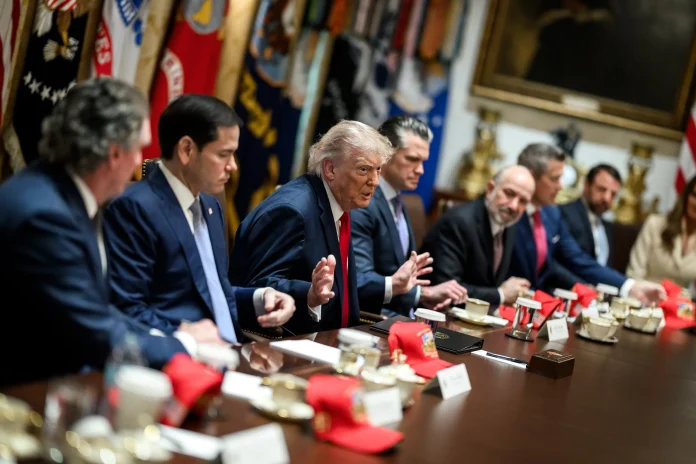
The timing of the proposal also reflects shifting political dynamics in Washington. Netanyahu acknowledged that public and political support for Israel in the United States has eroded in the aftermath of the 2023 Gaza war, particularly among younger voters and within parts of the Democratic Party.
Against this backdrop, he described a reset in the bilateral relationship as “absolutely” necessary.
Regionally, the move aligns with Israel’s broader recalibration of alliances. Efforts to deepen ties with Gulf states, alongside ongoing tensions with Iran and its proxies, have pushed Israeli policymakers to diversify both diplomatic and security partnerships.
A long-term transition
Still, any transition away from US aid would unfold gradually. The current 10-year memorandum of understanding, signed in 2016 and valued at $38 billion, remains in force through 2028.
Netanyahu’s proposal would therefore extend beyond the existing agreement, signaling intent rather than immediate policy change.
If implemented, the shift would mark the first time in decades that Israel has sought to voluntarily relinquish US military assistance—transforming a cornerstone of bilateral relations into a more reciprocal, and potentially more politically resilient, strategic partnership.