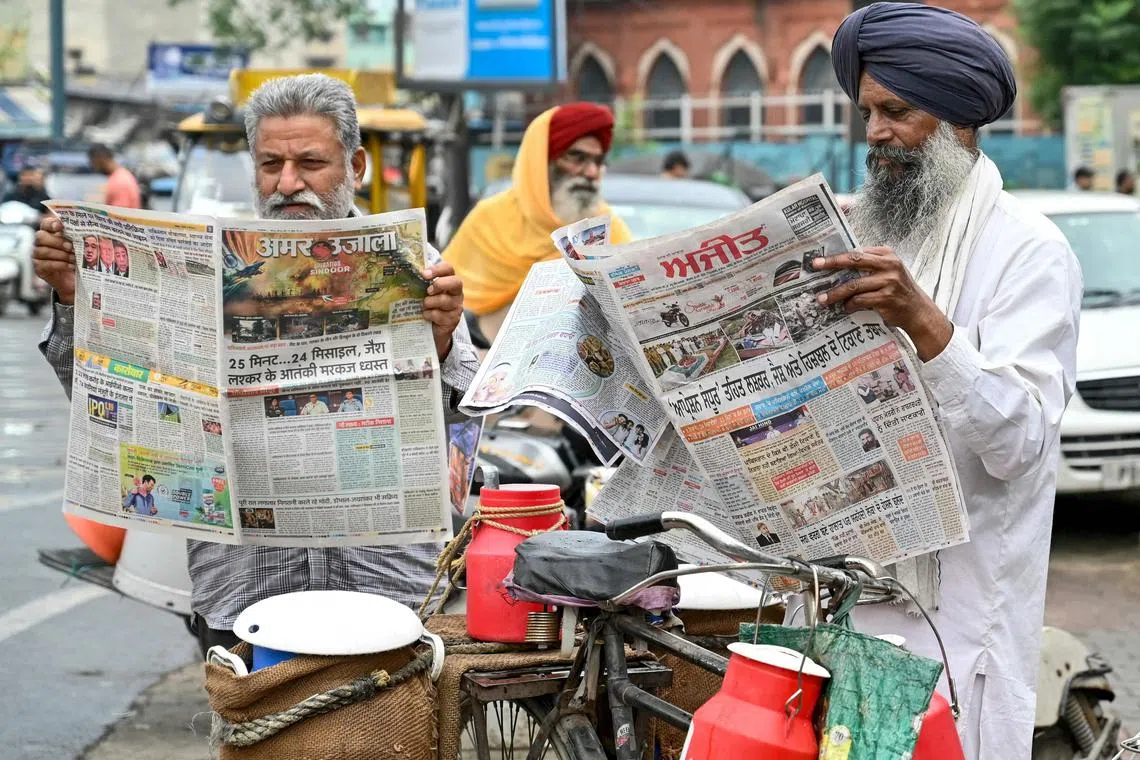
India and Pakistan engaged in their most intense military confrontation in decades in May 2025, a four-day conflict from 7 to 10 May known as the Four-Day Conflict or the 100-Hour War, triggered by a militant attack in Indian-administered Kashmir and marked by missile strikes, drone attacks and fears of nuclear escalation.
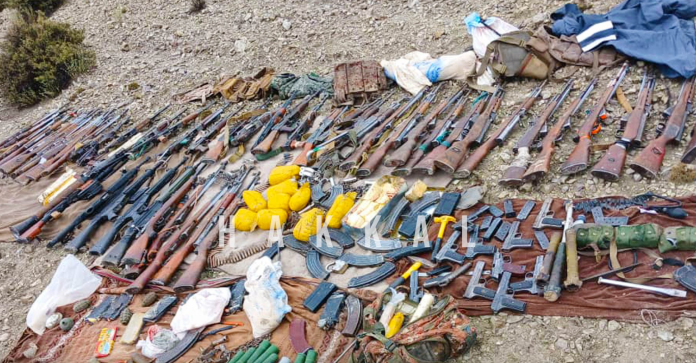
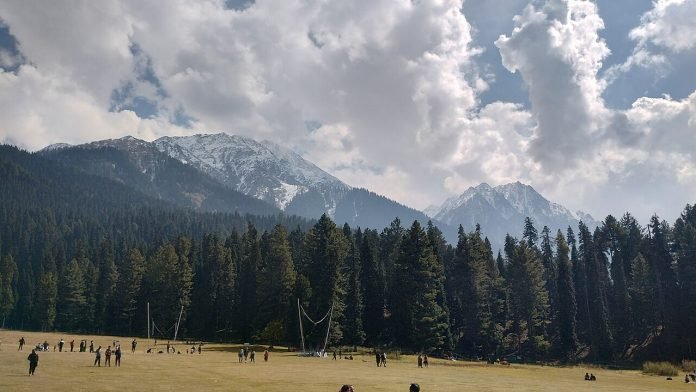
The fighting erupted after the 22 April Pahalgam attack, in which militants killed tourists in Indian-administered Kashmir. India blamed Pakistan-based militant groups and launched Operation Sindoor on 7 May, striking what it described as terror infrastructure in Pakistan and Pakistan-administered Kashmir. Pakistan responded with Operation Bunyan al-Marsus, targeting Indian military bases.
How the conflict unfolded
India said its strikes hit nine locations inside Pakistan and Pakistan-administered Kashmir using Rafale jets and BrahMos cruise missiles. The attack triggered a major aerial clash involving more than 100 aircraft. Pakistan claimed it shot down six Indian jets, including a Rafale, using Chinese-made J-10C fighters and PL-15 missiles.
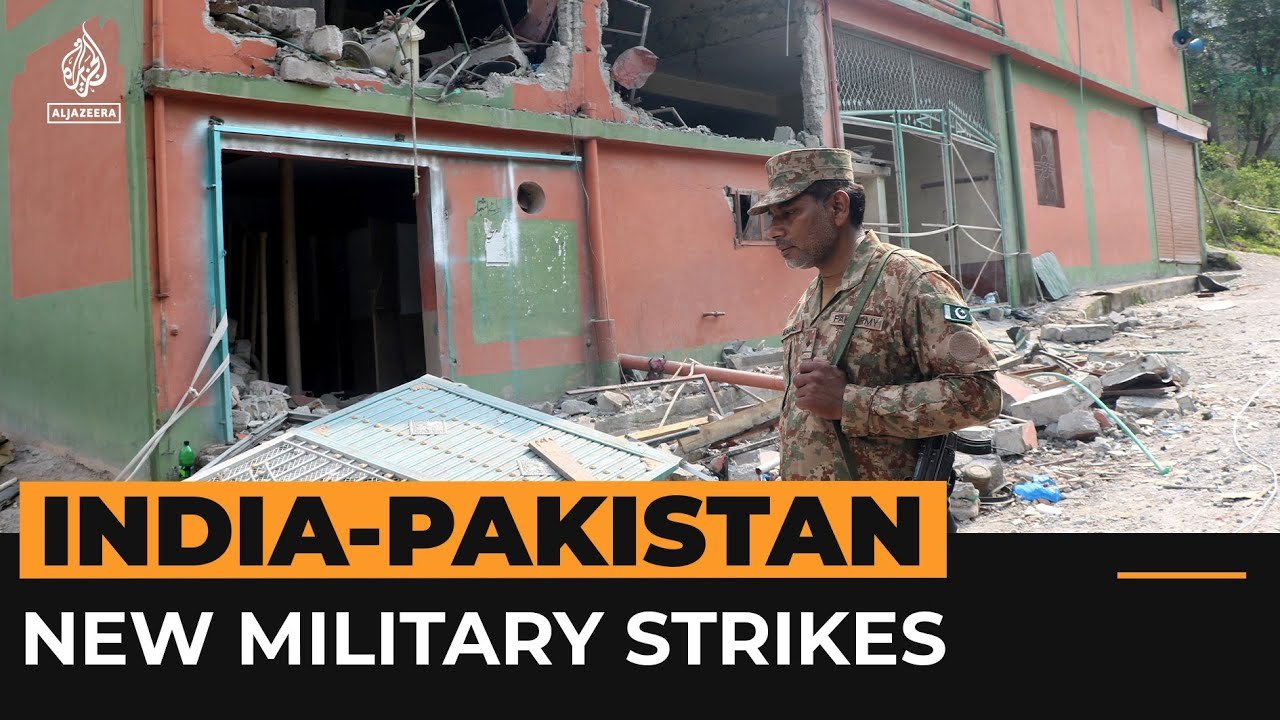
Pakistan also carried out heavy artillery shelling in Poonch, killing 16 civilians, and later launched roughly 300–400 drones targeting 36 Indian sites. India deployed its S-400 missile system in combat for the first time, saying it intercepted nearly all incoming threats. Analysts described the fighting as the first true drone war between nuclear-armed neighbours, with both sides using swarms of armed UAVs.
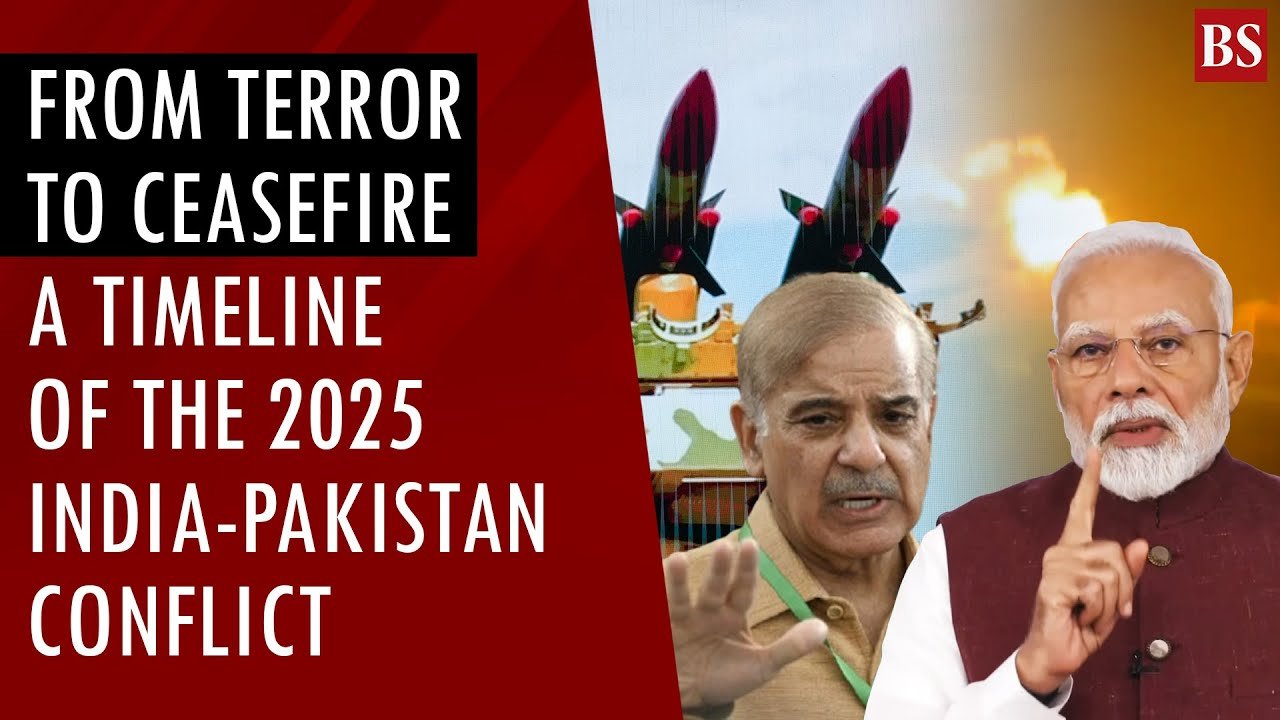
The enemy has now realised the consequences of removing ‘sindoor’ from the foreheads of our daughters and sisters.
PM Narendra Modi in his address to the nation after the ceasefire
This is a victory of the Armed Forces of Pakistan as well as the self-reliant, proud and dignified Pakistani nation. The entire nation is standing by the armed forces like a wall made of lead.
Pakistani Prime Minister Shehbaz Sharif hailed the military’s actions as a “golden chapter in military history”.
Ceasefire and diplomacy
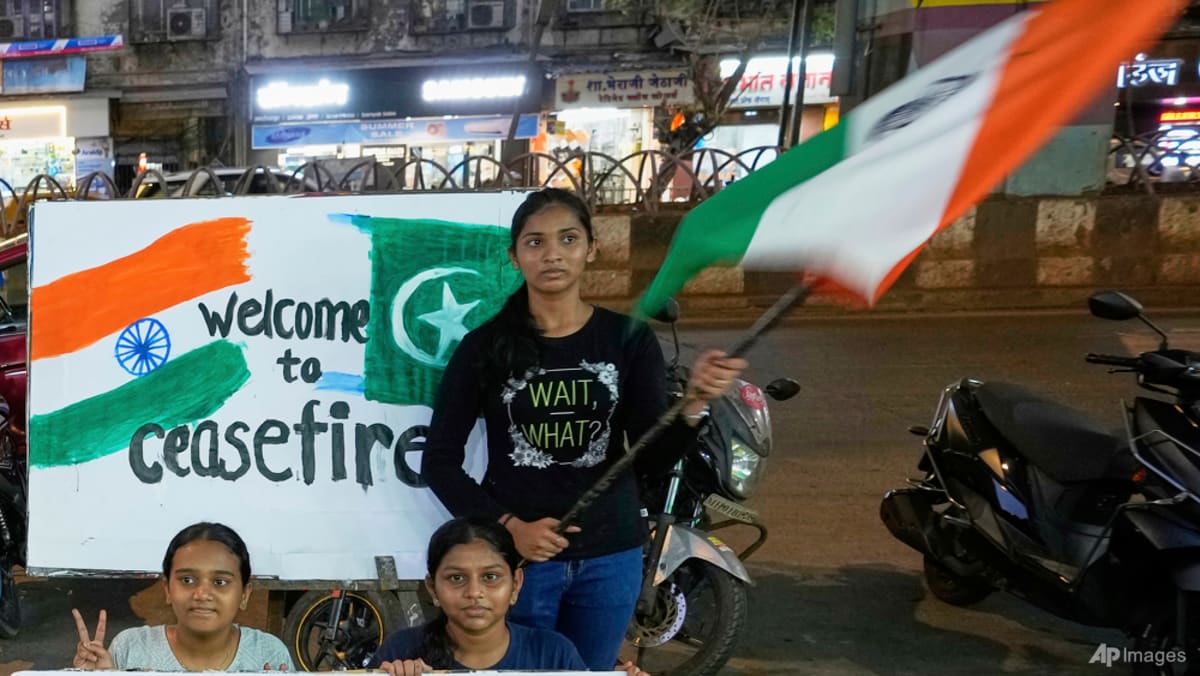
Fearing escalation, the United States helped push the sides toward a ceasefire. President Donald Trump was the first to announce a full and immediate ceasefire on social media. Indian Foreign Secretary Vikram Misri and Prime Minister Narendra Modi said the agreement was strictly bilateral and reached through direct military channels without third-party mediation.
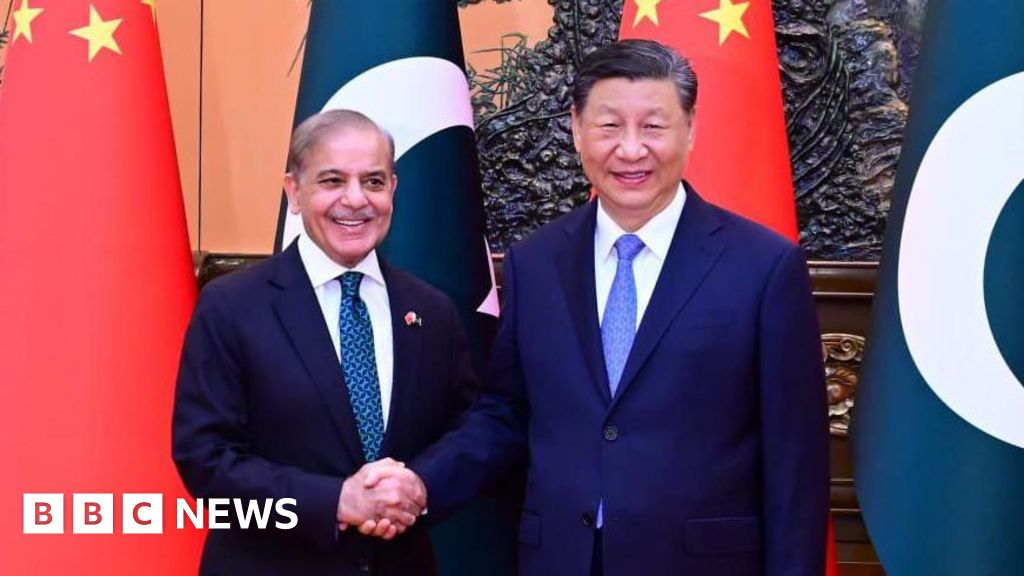
Pakistan’s Prime Minister Shehbaz Sharif thanked Trump for his pivotal role and said multiple countries, including Saudi Arabia, Turkey and China, helped support diplomacy. Within hours, both sides accused each other of ceasefire violations, with India reporting explosions in Srinagar and drone sightings in Jammu and Gujarat, leading to temporary blackouts in border districts such as Amritsar and Kutch.
I congratulate President Donald Trump on his extraordinary efforts to pursue peace and for holding a very useful and productive telephone call earlier today, with the leaders of Saudi Arabia, Qatar, Turkiye, Egypt, the UAE, Jordan and Pakistan. Field Marshal Syed Asim Munir…
— Shehbaz Sharif (@CMShehbaz) May 24, 2026
By 11 to 12 May, commercial flights resumed and major hostilities had largely stopped. India said the ceasefire would not affect its suspension of the Indus Waters Treaty, trade restrictions or visa cancellations.
Aftermath and wider standoff
Although the aerial and drone battles ended, the conflict ushered in a long, deep freeze in relations. The main flashpoint has shifted from the battlefield to the Indus Waters Treaty, which India has kept in abeyance. Pakistan has warned it will challenge Indian hydropower projects on western rivers at international and political forums, calling the suspension a violation of binding international law.
At a later summit in Azerbaijan, Sharif said Pakistan stood ready for a composite, comprehensive and result-oriented dialogue with India, underscoring that both sides remain locked in a fragile peace with no full diplomatic reset in sight.
We must sit together and talk for the sake of peace… Pakistan stands ready for a composite, comprehensive and result-oriented dialogue with India.
Pakistani Prime Minister Shehbaz Sharif at the trilateral summit in Azerbaijan
Read more: The 2025 Pahalgam attack