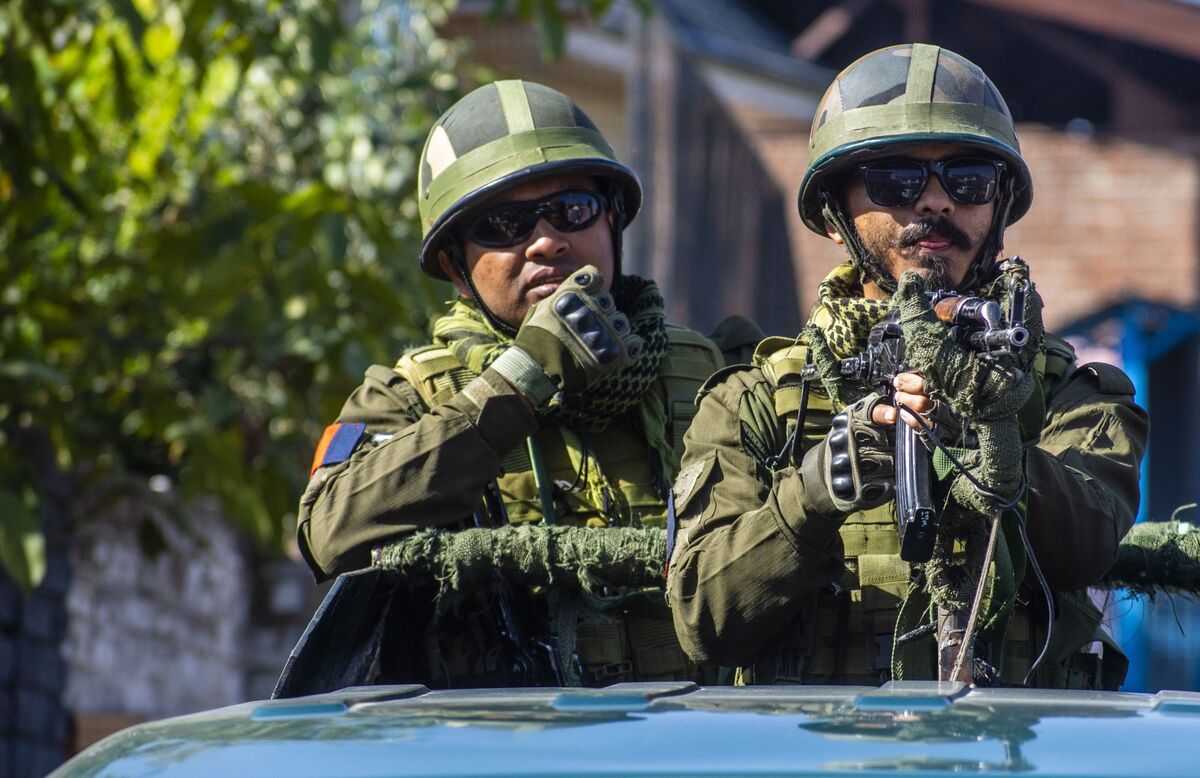
The 2025 Pahalgam attack on 22 April left 26 civilians dead after armed militants stormed the Baisaran Valley meadow near Pahalgam, in the deadliest attack on civilians in India since the 2008 Mumbai attacks.
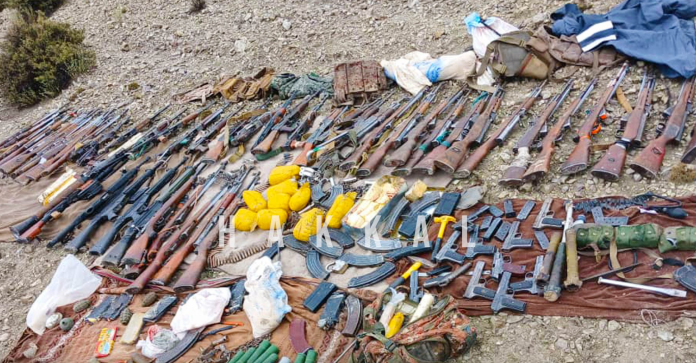
The assault was carried out by a group of armed militants who opened fire on tourists at the popular scenic site near Pahalgam. Witnesses and investigators said the attackers wore military-style uniforms and used automatic weapons, including M4 carbines and AK-47s. Victims were reportedly segregated by religion, with Hindu men singled out for execution-style killings. Some were allegedly asked to recite Islamic verses to prove their faith before being shot.
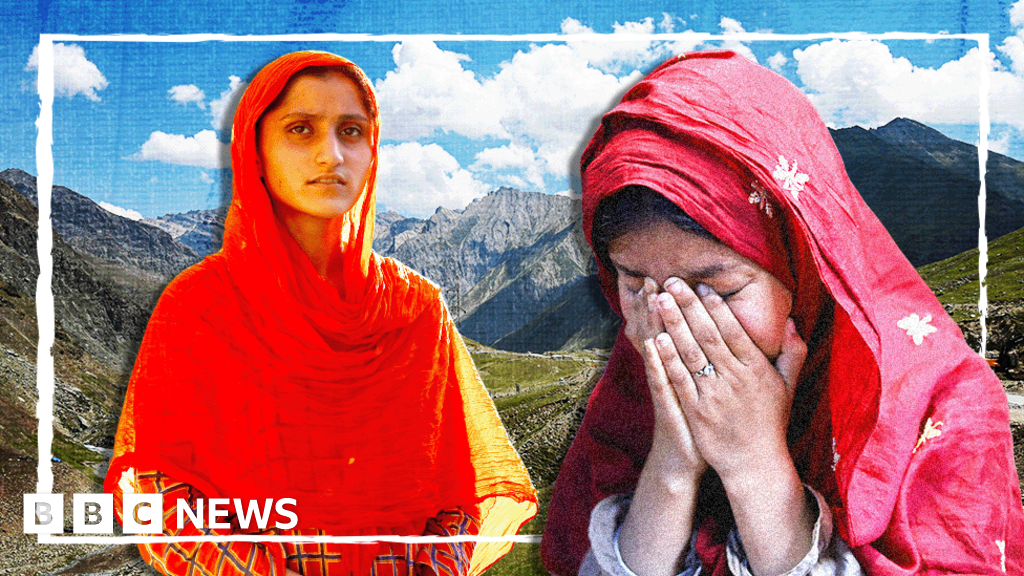
Among the dead were 25 tourists, mostly Indian citizens and one Nepali national, as well as one local Muslim pony handler who reportedly died while trying to protect visitors.
Who was responsible
The Resistance Front, a proxy of Pakistan-based Lashkar-e-Taiba, initially claimed responsibility before later retracting it. Indian investigators later identified Sajad Ahmad Sheikh, also known as Sajad Gul, as the mastermind, along with South Kashmir LeT operations chief Sajid Saifullah Jatt. In December 2025, India’s National Investigation Agency filed a 1,597-page chargesheet naming six people in the conspiracy and tracing the plot back to Pakistan-based operatives.
What happened next
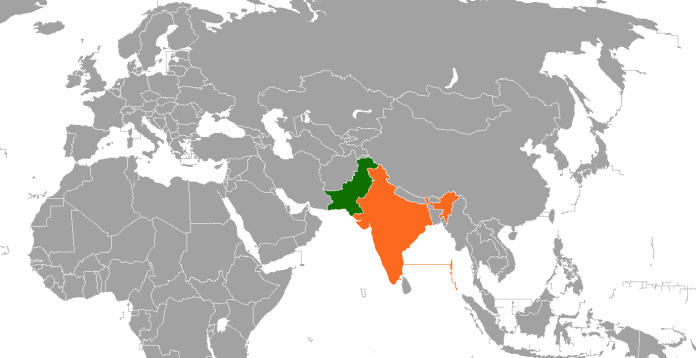
The attack triggered a sharp diplomatic and military crisis between India and Pakistan. India suspended the Indus Waters Treaty for the first time since 1960, expelled Pakistani diplomats and closed borders. Pakistan retaliated by suspending the 1972 Simla Agreement.
India launched Operation Sindoor on 7 May 2025, striking nine alleged terrorist infrastructure sites in Pakistan and Pakistan-administered Kashmir. Pakistan responded with Operation Bunyan-um-Marsoos, targeting Indian military bases. The conflict quickly escalated into heavy missile and drone exchanges and was described as the first drone war between the two nuclear-armed neighbours.
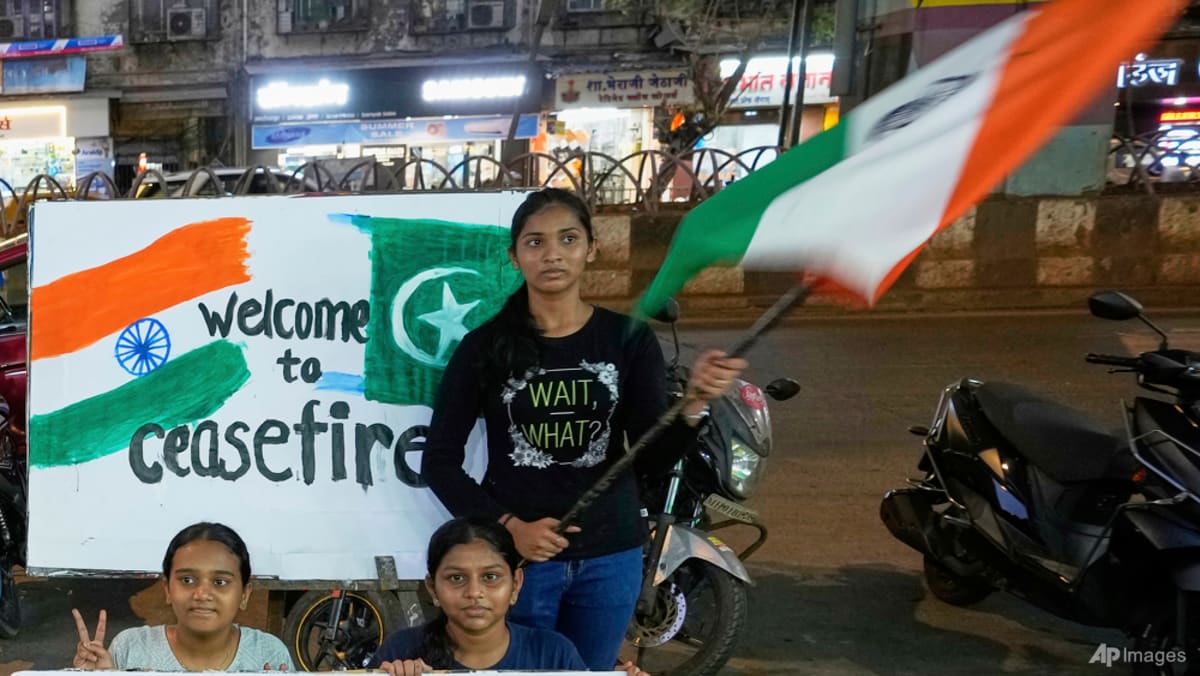
A fragile ceasefire was announced on 10 May 2025 after reported mediation by the United States and other international actors. Indian security forces later carried out Operation Mahadev on 28 July 2025, saying they had killed three of the main attackers.
Broader implications
The Pahalgam attack became the catalyst for the most severe India-Pakistan confrontation in years, reshaping regional security calculations and pushing both countries into a cycle of military escalation, diplomatic rupture and retaliatory measures. It also intensified scrutiny of militant networks operating across the Line of Control and deepened tensions over Kashmir’s already volatile political future.



Read more: India-Pakistan’s “100-hour War” in 2025