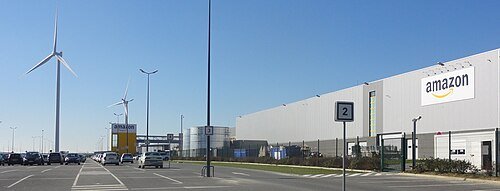
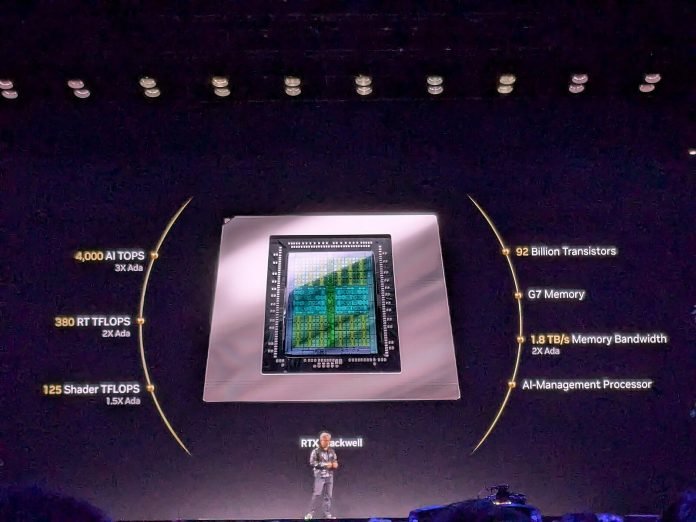
Eli Lilly became the first healthcare or pharmaceutical company to reach a $1trillion market capitalization on November 21, 2025, as investor enthusiasm for its obesity and diabetes drugs pushed the stock sharply higher. The milestone lifted Lilly into a club long dominated by technology giants such as Nvidia, Apple and Amazon.
The rally has been driven by explosive demand for Mounjaro and Zepbound, Lilly’s GLP-1 drugs for Type 2 diabetes and obesity. Combined sales of the two treatments topped $10billion in the third quarter of 2025, far above Wall Street expectations.
Lilly has also taken share quickly in the fast-growing incretin market, with analysts saying it now accounts for roughly two out of every three new U.S. prescriptions in the category. That market is widely expected to keep expanding, with some estimates placing its value above $150billion by the early 2030s.
What gives Lilly an edge
Unlike Novo Nordisk’s semaglutide-based drugs, Lilly’s tirzepatide targets both GLP-1 and GIP, giving it a profile investors believe may offer stronger efficacy. The company is also developing an oral obesity drug, orforglipron, which could broaden access and make manufacturing easier if approved.
Lilly has spent more than $50billion on manufacturing expansion since 2020 to meet demand and reduce the kind of shortages that have challenged rivals. It has also used direct-to-patient channels such as LillyDirect to expand access and strengthen its commercial reach.
The company’s valuation also reflects optimism about its wider pipeline, including oncology and Alzheimer’s treatments such as Kisunla, which could help diversify revenue beyond metabolic health.
Why it matters
Lilly’s rise underscores how quickly the obesity drug boom has reshaped global markets. What was once seen as a pharmaceutical growth story is now a mega-cap narrative, with Lilly emerging as one of the most valuable companies in the world.
Read also: Nvidia first to reach $5T market cap