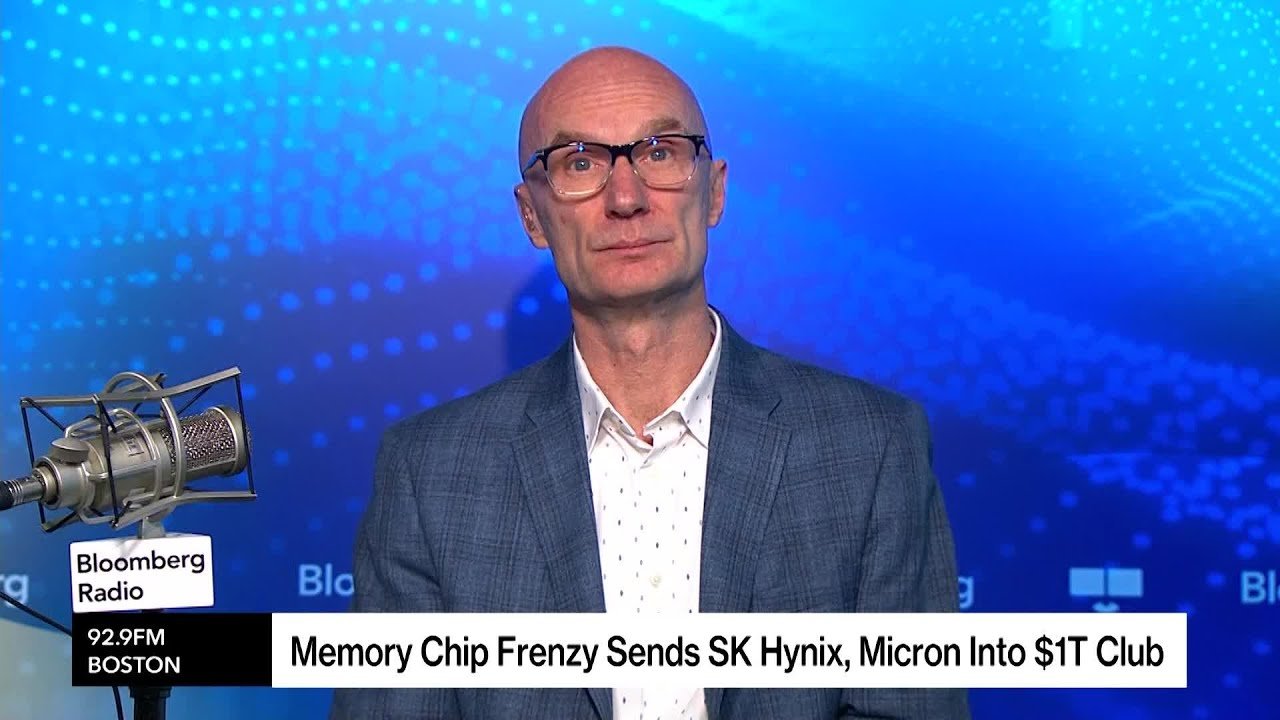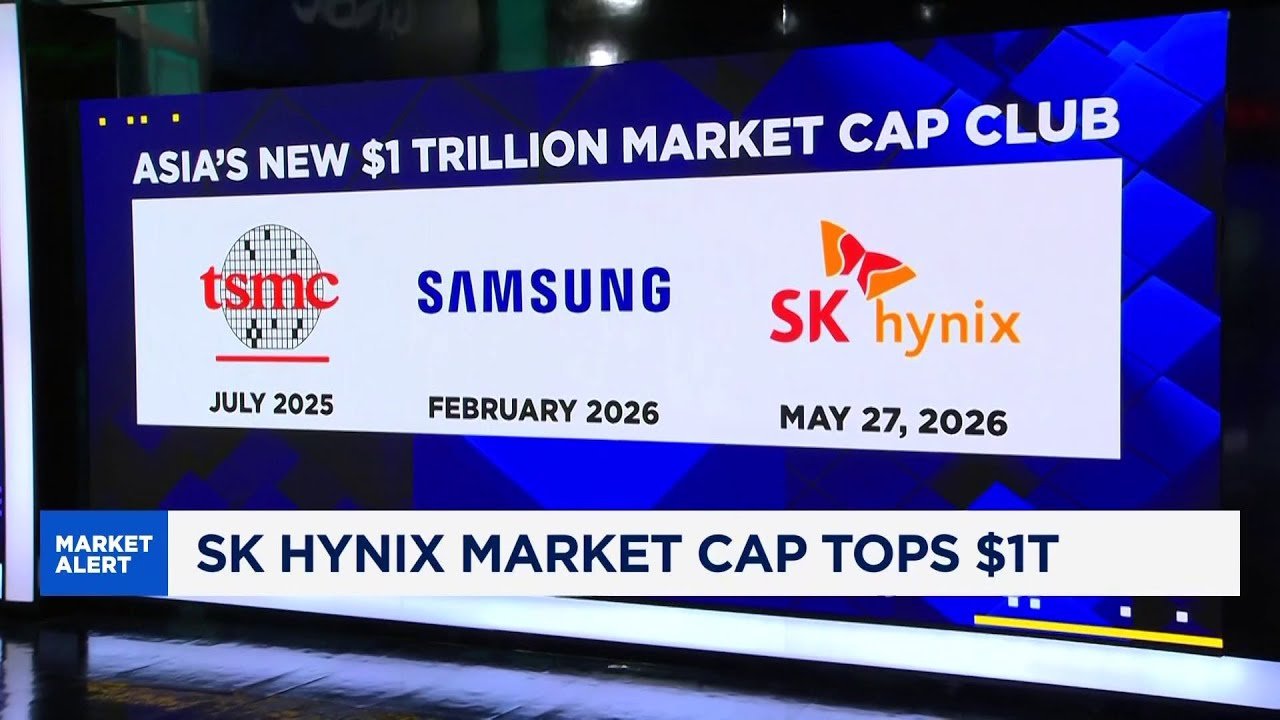



The global semiconductor hierarchy has been fundamentally reshaped. Within a span of just three weeks in May 2026, the world’s three dominant memory chipmakers — Samsung Electronics, Micron Technology, and SK Hynix — each surpassed a $1trillion market capitalization, marking an unprecedented consolidation of value in a once-cyclical industry.
The milestone reflects a structural shift driven by artificial intelligence infrastructure, where high-performance memory has become as critical as compute itself.
A three-week trillion-dollar sprint
Samsung Electronics was first to cross the threshold on May 6, 2026, signaling the beginning of a broader market re-rating of memory manufacturers.
The pace accelerated rapidly. On May 26, US-based Micron Technology surged into the trillion-dollar club following a nearly 20% single-day rally, fueled by aggressive analyst upgrades tied to AI-driven earnings forecasts.
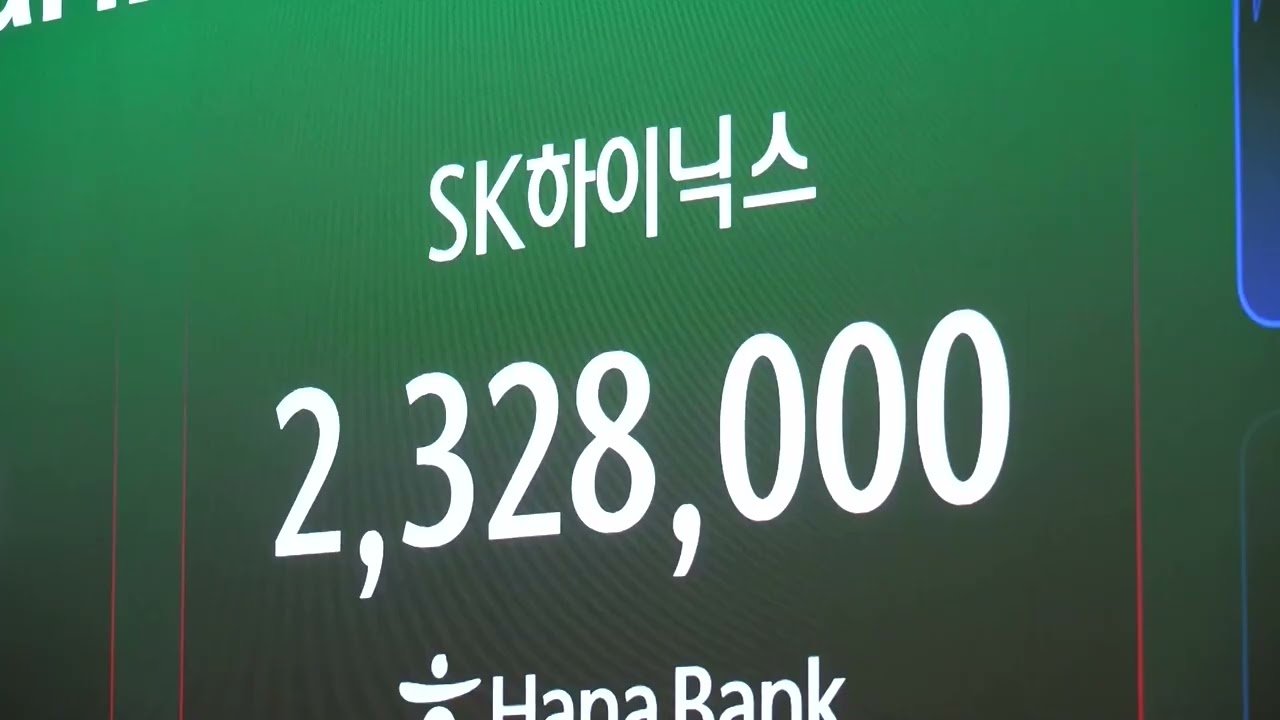
Less than 24 hours later, South Korea’s SK Hynix completed the sweep. Its shares jumped over 9% on May 27, pushing its valuation past 1,680 trillion won (approximately $1.12trillion), and cementing the emergence of what analysts now describe as the “memory triumvirate.”
Together, the three companies now sit at the core of the global AI supply chain — an extraordinary turnaround for a sector historically defined by boom-and-bust cycles.
From Commodity to Strategic Chokepoint
At the center of this transformation is High-Bandwidth Memory (HBM), a specialized class of DRAM that enables the massive data throughput required by AI accelerators.
Unlike traditional memory markets, which were fragmented and price-sensitive, the HBM segment is effectively controlled by just three suppliers: Samsung, SK Hynix, and Micron. This oligopolistic structure has turned memory from a commodity into a strategic bottleneck.
HBM is typically co-packaged with GPUs from companies like Nvidia and AMD, making it indispensable for training and running large-scale AI models. Without sufficient HBM supply, even the most advanced AI chips cannot operate at full capacity.
This dependency has shifted bargaining power decisively toward memory manufacturers.
Capacity locked, demand unrelenting
The supply-demand imbalance is stark. Production capacity for advanced HBM is effectively sold out years in advance, with hyperscalers and AI firms committing capital upfront to secure allocation.
Major buyers — including cloud providers and AI labs — are now entering long-term supply agreements, a departure from the short-term purchasing patterns that once dominated the memory market.
This has introduced a level of revenue visibility and pricing stability previously unseen in the sector.
In practical terms, memory makers are no longer reacting to cycles—they are shaping them.
Margins break historical limits
The financial impact has been dramatic. Micron reported gross margins approaching 85% in mid-2026, exceeding even leading AI chip designer Nvidia at certain points.
Such profitability would have been unthinkable in prior decades, when memory companies routinely endured periods of oversupply and collapsing prices.
The shift reflects not only strong demand but also tight control over leading-edge production, where technological barriers to entry are extremely high. Advanced HBM manufacturing requires cutting-edge lithography, packaging innovation, and deep integration with AI chip architectures — capabilities concentrated in just a handful of firms globally.
Momentum beyond the milestone
The rally has continued well beyond the trillion-dollar threshold.
By late June 2026, SK Hynix had overtaken Samsung Electronics to become South Korea’s most valuable listed company, with its valuation approaching $1.35trillion. The company has also moved to deepen its access to global capital markets, filing for a potential $29billion Nasdaq listing via American depositary receipts — one of the largest such listings on record.
Meanwhile, Micron and Samsung are accelerating capital expenditure to expand HBM capacity, with multi-year investment cycles underway to meet sustained AI demand.
Geopolitics is also playing a growing role. Governments in the US, South Korea, and elsewhere are increasingly viewing memory production as a strategic asset, leading to subsidies, export controls, and supply chain realignment efforts.
A new semiconductor order
The elevation of memory manufacturers into the trillion-dollar tier marks a broader reordering of the semiconductor industry.
For decades, value was concentrated in logic chip designers and foundries. Today, AI has redistributed that value across the stack, elevating memory to a first-class constraint and opportunity.
The result is a tightly interdependent ecosystem dominated by a small number of players with unprecedented pricing power and strategic influence.
If current demand trajectories hold, the “Big Three” memory giants are no longer just participants in the AI boom — they are among its primary gatekeepers.