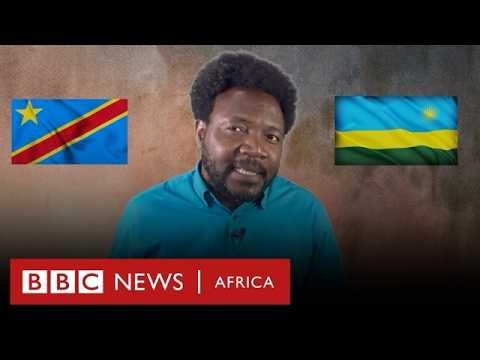
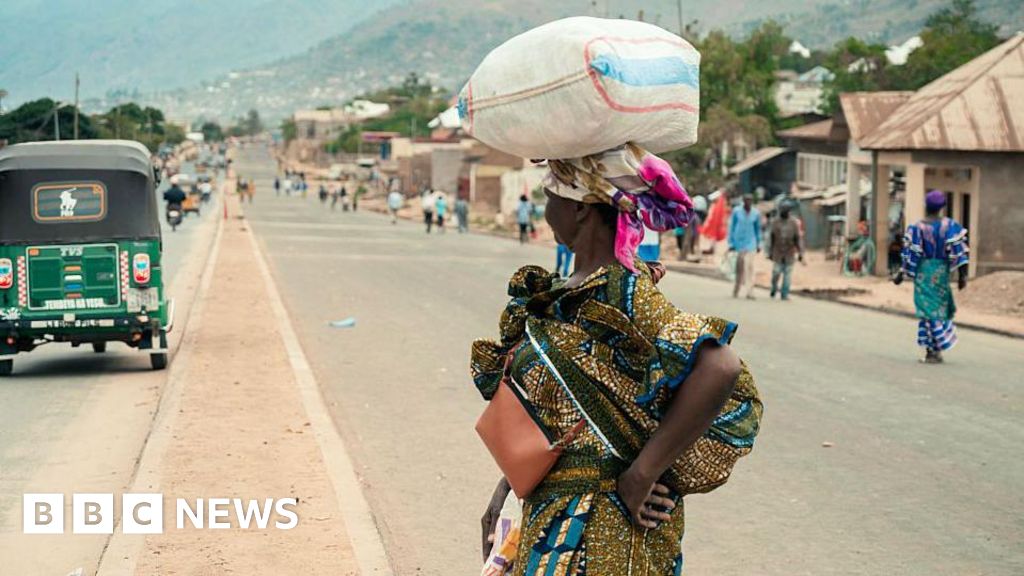
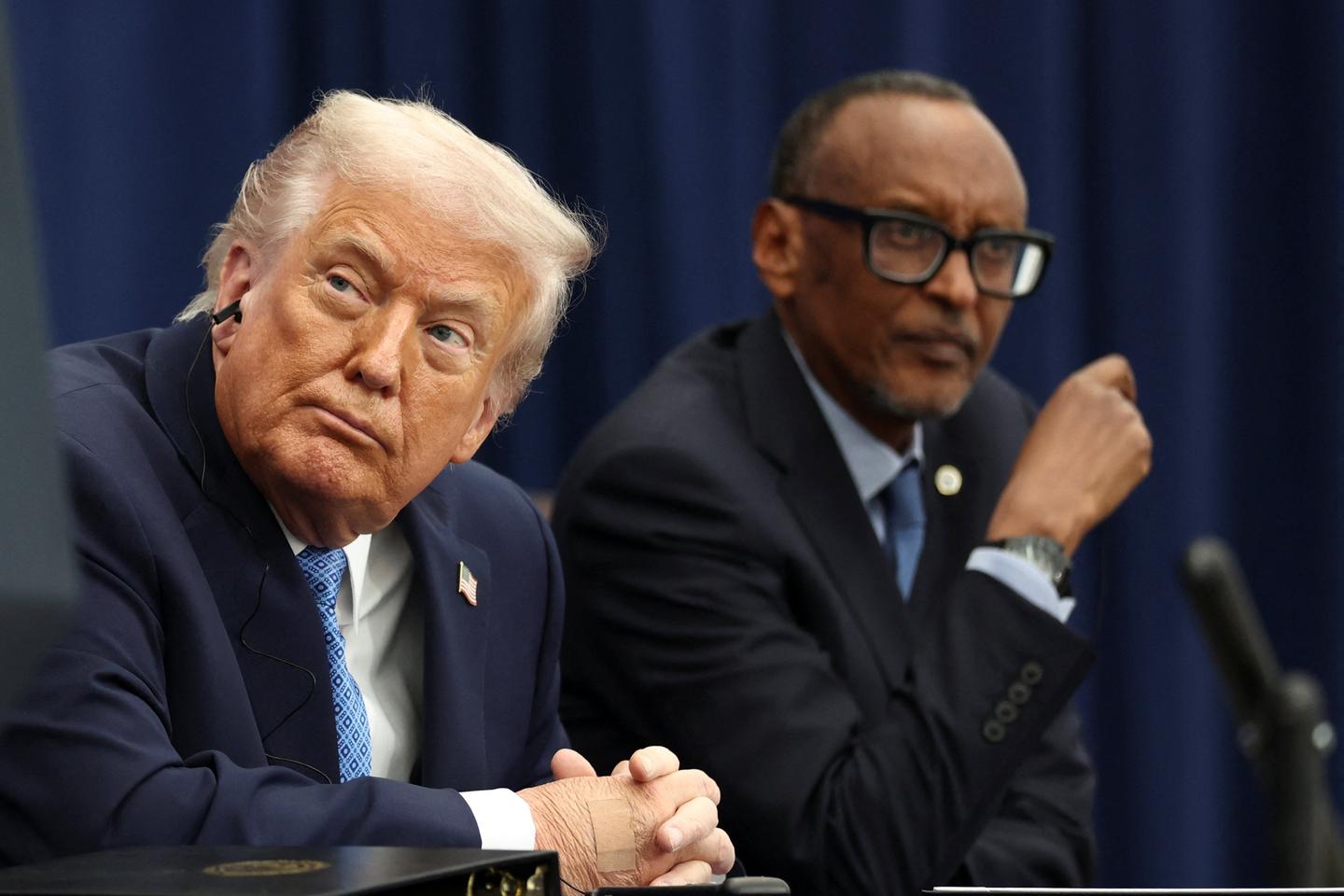
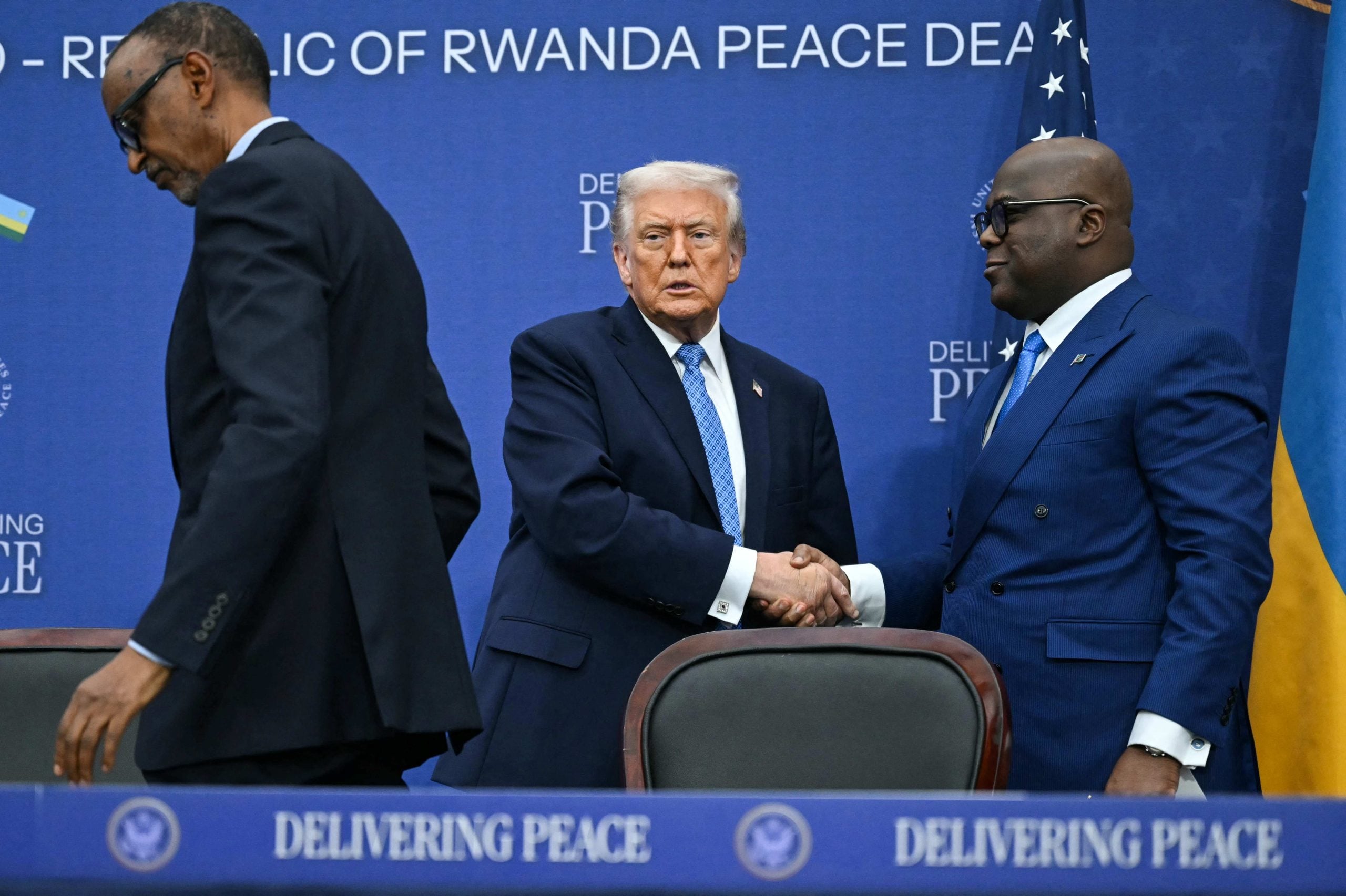
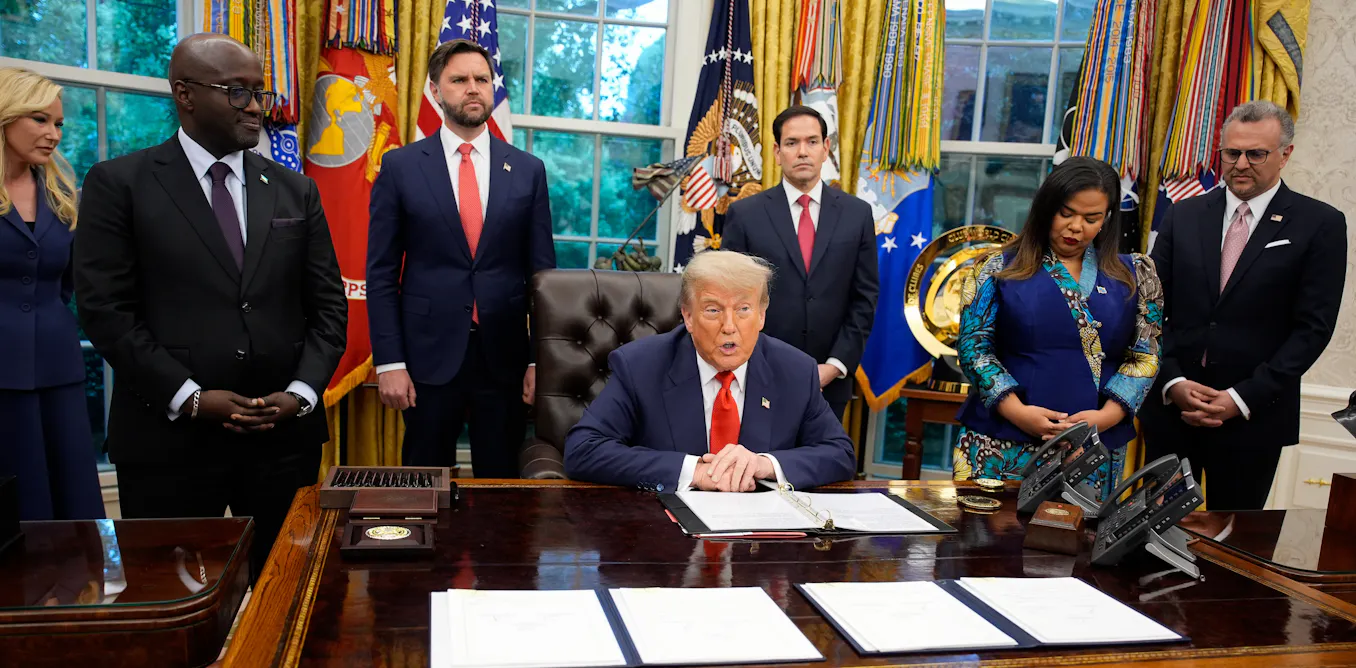
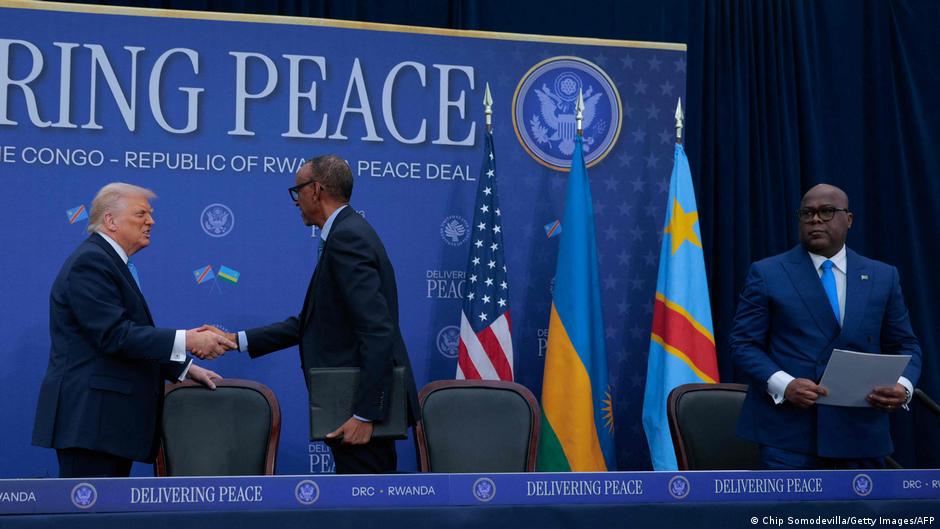
In December 2025, US President Donald Trump hosted the leaders of the Democratic Republic of the Congo and Rwanda in Washington for the signing of the Washington Accords, a peace deal meant to end decades of conflict in the Great Lakes region.
The accord committed Rwanda to withdraw its troops from eastern Congo, while the DRC pledged to neutralize the Democratic Forces for the Liberation of Rwanda, or FDLR, which Rwanda views as a security threat. It also established a formal ceasefire, a framework for disarming armed groups and a pathway for the return of refugees.
Economic partnership
The summit was not only about security. Trump also announced parallel economic agreements giving the US greater access to critical minerals, including cobalt, lithium and tantalum, in exchange for investment and deeper Western involvement in the region.
The US and the DRC also signed an expanded security partnership and a broader strategic agreement intended to formalize long-term cooperation.
How it came together
The Washington meeting was the third major agreement between the two countries in 2025. In April, foreign ministers from both sides signed a Declaration of Principles committing to respect territorial integrity and setting out a roadmap for talks.
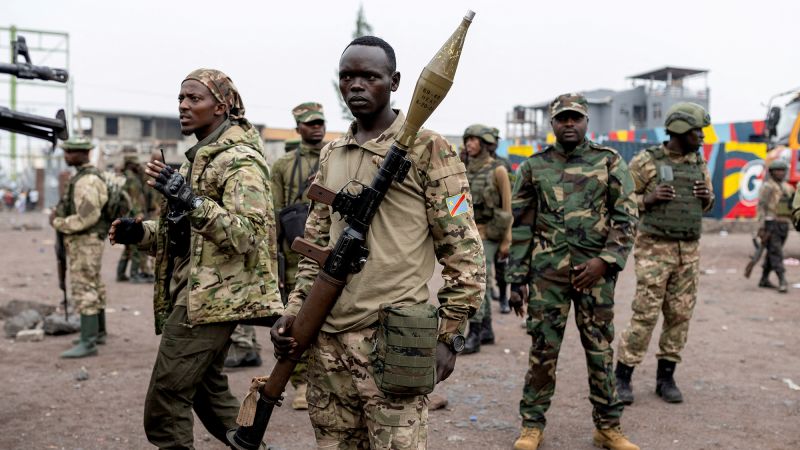
In June, a ministerial peace accord in Washington added technical ceasefire steps and a Joint Security Coordination Mechanism to monitor troop movements. But that agreement failed to stop the fighting on the ground, as M23 rebels kept advancing in eastern Congo.
The December 4 summit hosted by President Trump at the Donald J. Trump Institute of Peace served to finalize the previous agreements into a binding treaty and launch the Regional Economic Integration Framework (REIF), which focuses on securing US access to critical minerals (cobalt and lithium).
Regional Economic Integration Framework (REIF)
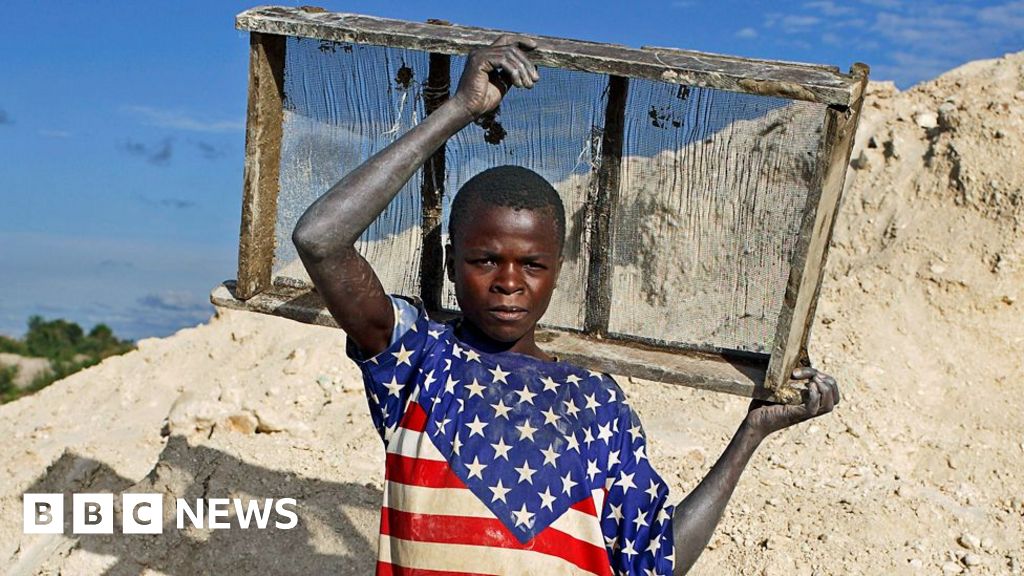
The REIF is designed to transform the Great Lakes region from a zone of conflict into a collaborative economic hub, primarily centered on securing mineral supply chains for the US. It aims to formalize artisanal mining, establish strict traceability to eliminate smuggling and ensure a “clean” supply of critical minerals (such as cobalt, lithium, and tantalum) to international markets.
The focus is on joint projects to upgrade transportation (roads, ports) and link them to the US-backed Lobito Corridor. A flagship project is the Ruzizi III hydropower plant, intended to provide electricity to 30 million people across the region.
The framework establishes cooperation in national park management (specifically the Greater Virunga Landscape) to promote high-end ecotourism and coordinated public health systems for disease outbreak prevention.
Why it matters
The framework reflects Washington’s push to counter China’s influence in African minerals while linking peace to commercial access. It also includes projects involving transport links, energy, park management and public health coordination, all meant to turn the Great Lakes region into a more integrated economic zone.
The US explicitly uses the REIF as a strategic tool to compete with China’s dominance over African minerals. Massive US private sector investment is contingent on the implementation of security measures, specifically the neutralization of the FDLR and the withdrawal of Rwandan troops. Concurrent bilateral deals, like the Strategic Partnership Agreement (SPA), grant US companies a “right of first offer” on designated Congolese mineral assets.
Analysts say the agreement may be more successful as a US economic and diplomatic framework than as a durable peace settlement.
Did the deal hold up?
Trump hailed the deal as a historic breakthrough, but the mood at the ceremony suggested deep mistrust. Tshisekedi and Kagame reportedly did not shake hands, and hostilities resumed between the Congolese military and the M23 rebels (allegedly backed by Rwanda) within 24 hours of the signing.
A report from the Barometer of Peace Agreements in Africa in February 2026 stated that implementation stands at only 23.3%. Core security obligations remain unfulfilled.
The M23 was not a signatory and is not bound by the terms. Rwanda continues to deny having troops in the DRC, while the DRC insists on their withdrawal before moving forward with economic integration. Rwanda continues to deny deploying troops inside Congo, while Kinshasa insists withdrawal must happen before deeper economic integration can move forward.
Congolese lawyers have also challenged the deal in court, arguing that it gives the US too much control over the country’s mineral wealth.