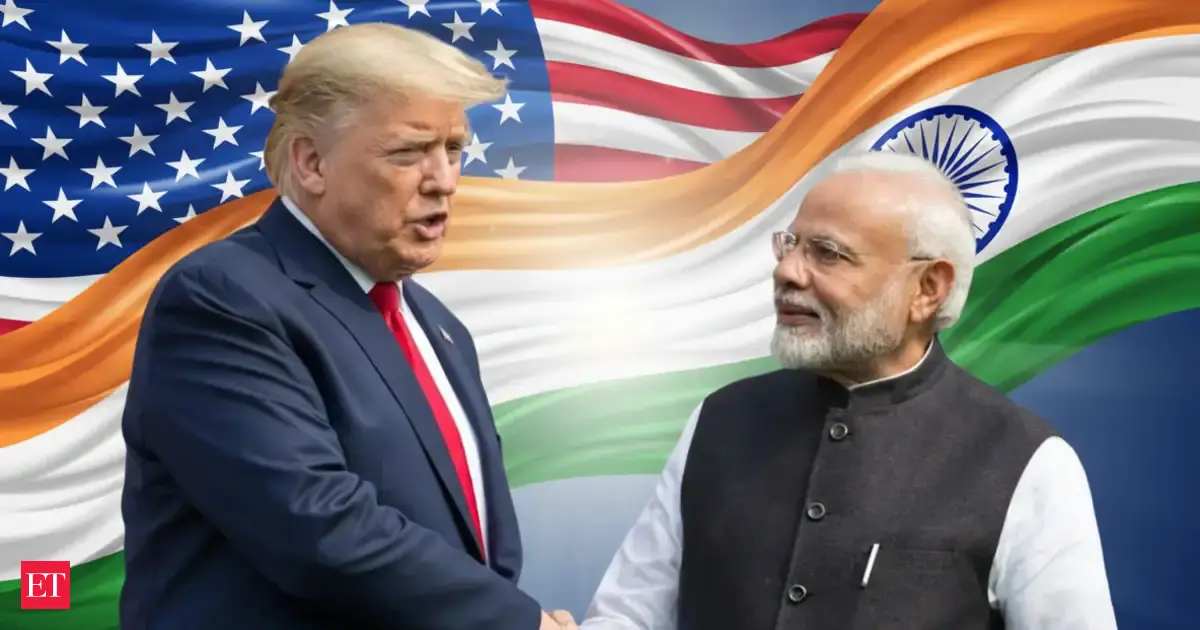
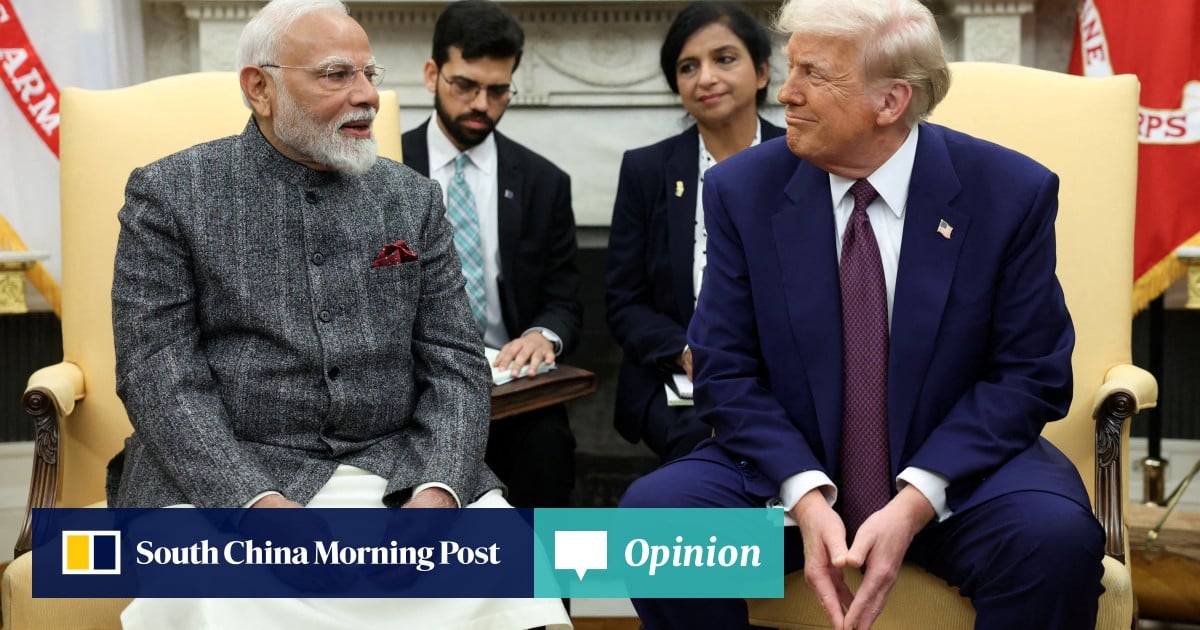
The United States and India have reached an interim trade agreement that lowers tariffs, eases tensions and ties economic concessions to a broader strategic reset. The deal marks a significant de-escalation in a months-long trade fight between the two countries and sets the stage for a fuller bilateral trade agreement in March.
Announced by President Donald Trump after a call with Prime Minister Narendra Modi, the framework cuts US tariffs on most Indian goods to 18% from as high as 50%, while India agreed to lower or eliminate duties on a wide range of American industrial goods, food products and agricultural imports. The agreement also followed Trump’s decision to rescind a separate 25% oil-related duty after India committed to ending purchases of Russian crude.
What the deal changes
The most immediate shift is on tariffs. Washington has reduced duties on most Indian exports to a uniform 18% rate, replacing the punitive level that had threatened a broad range of goods. India, for its part, has agreed to reduce barriers on US industrial products and selected food and farm items, while preserving protections for politically sensitive sectors.
The deal also links trade to energy policy. India signaled plans to halt purchases of Russian oil, a move that prompted the White House to drop the extra levy tied to those imports. Indian refiners have already begun adjusting sourcing plans ahead of the expected April cutoff.
Energy, aircraft and tech
The agreement places heavy emphasis on energy and industrial trade. India is expected to buy up to $500 billion in US goods over five years, with large purchases likely in oil, gas, coking coal, aircraft and technology. Boeing stands out as one of the clearest winners, with India expected to buy roughly $70 billion to $80 billion worth of aircraft over the next five years, including existing and potential new orders.
The deal also opens the door to expanded trade in high-end technology, including Nvidia GPUs and data-centre equipment, as India looks to support its AI ambitions. That has drawn attention from both US suppliers and Indian firms building out digital infrastructure.
Who benefits most
Several sectors are positioned to gain from the new framework. Boeing is expected to benefit from major aircraft orders, while Harley-Davidson should gain easier access to the Indian motorcycle market after import duties on premium bikes were removed. Indian drugmakers, textile exporters and manufacturers should also benefit from the lower US tariff structure.
The Indian IT sector also responded positively, even though services are not directly hit by customs tariffs. The deal reduced policy uncertainty and signaled closer cooperation in AI, cloud computing and digital trade, helping lift sentiment across the Nifty IT index.
What India kept off the table
India still drew firm lines around sensitive domestic sectors. Agriculture and dairy were largely protected, with no concessions for staple crops such as wheat, rice, maize and soya, and no opening for milk, cheese or paneer imports. Genetically modified farm products were also left out of the agreement.
Electric vehicles were another red line. Tesla and other EV makers were excluded from the tariff cuts, reflecting India’s desire to protect its domestic EV ecosystem and keep the benefits of its production-linked incentive program intact.
Political stakes
The deal comes after India and the European Union finalized their own landmark trade agreement, giving New Delhi more leverage and more options in its global trade strategy. For the Trump administration, the India deal offers a political win at a time when tariff policy remains central to its economic agenda.
The timing also mattered for markets. Investors welcomed the prospect of lower trade friction and clearer rules, particularly in sectors tied to exports, industrial supply chains and technology. The broader message was that Washington and New Delhi were not just lowering tariffs, but trying to reset the terms of their economic relationship.
What happens next
A formal bilateral trade agreement is expected in mid-March, after which India’s reciprocal tariff cuts are due to take effect. Until then, the interim framework serves as a bridge: part ceasefire, part negotiating platform, and part signal that both governments want a more durable trade relationship.
The big test now is whether the interim deal becomes the foundation for a lasting agreement, or just another pause in a relationship that has repeatedly swung between cooperation and confrontation.


Read also: