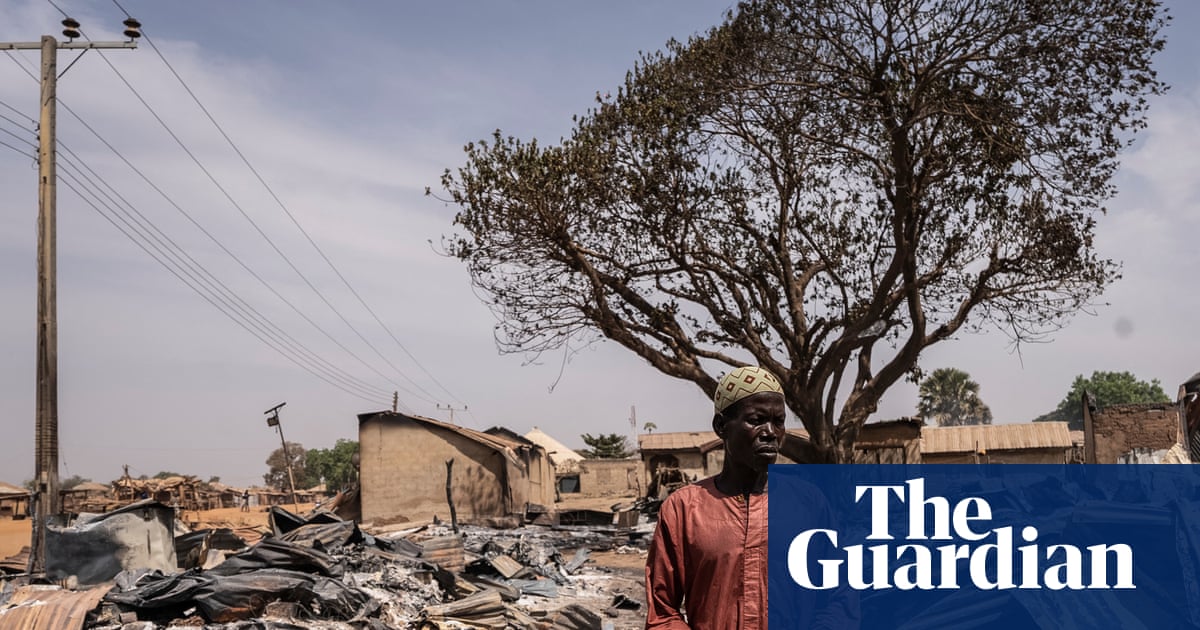
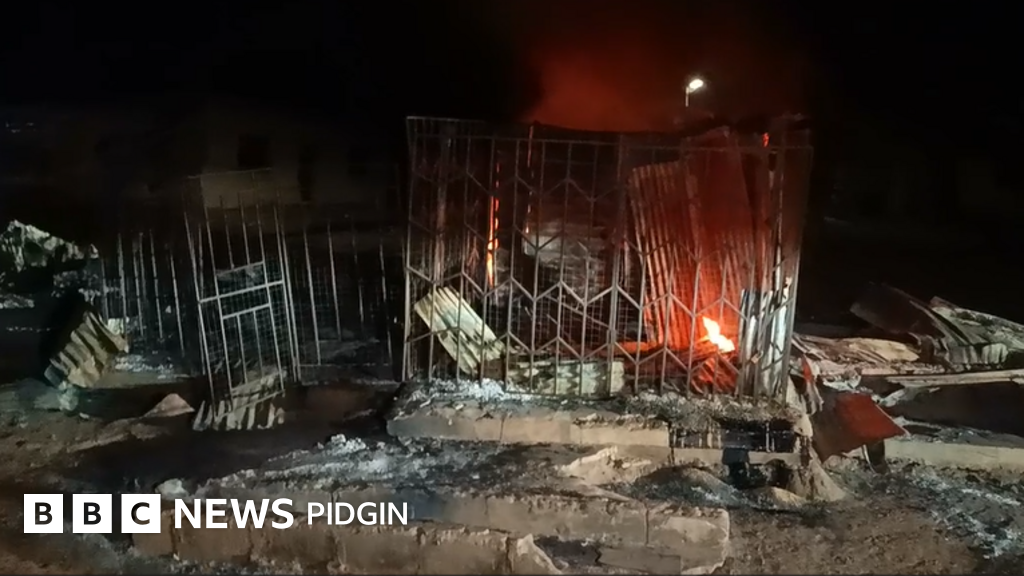
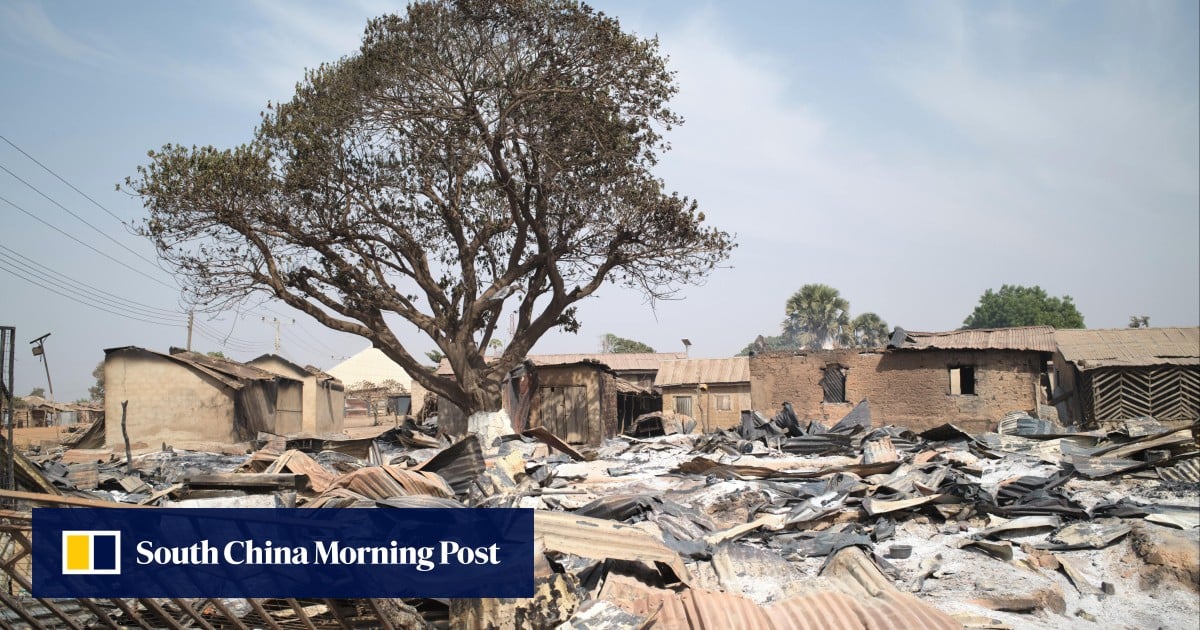
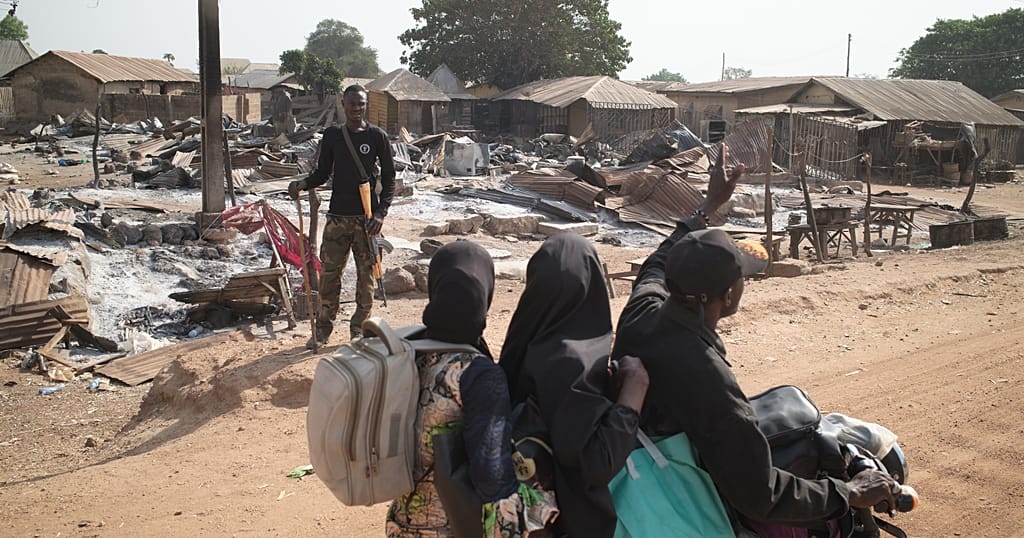
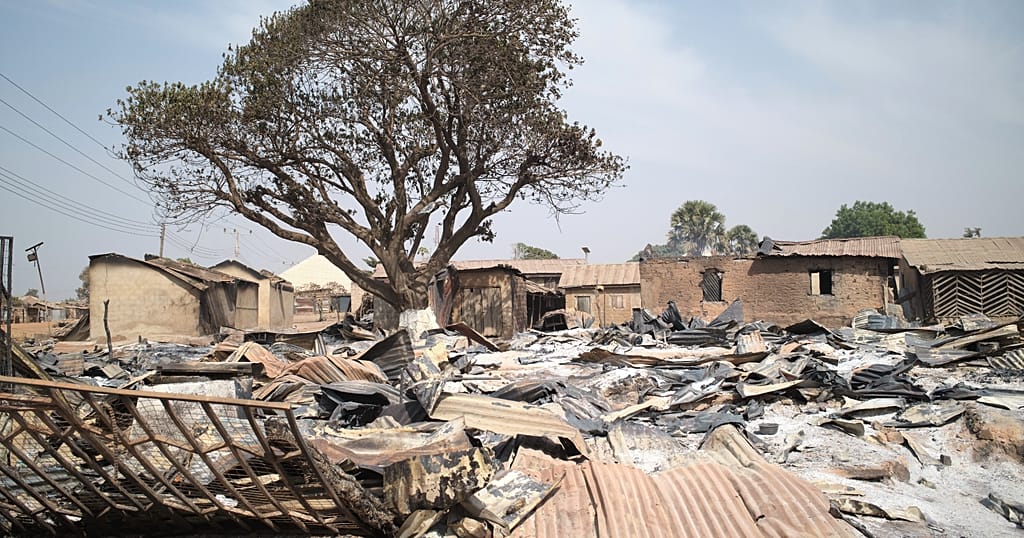
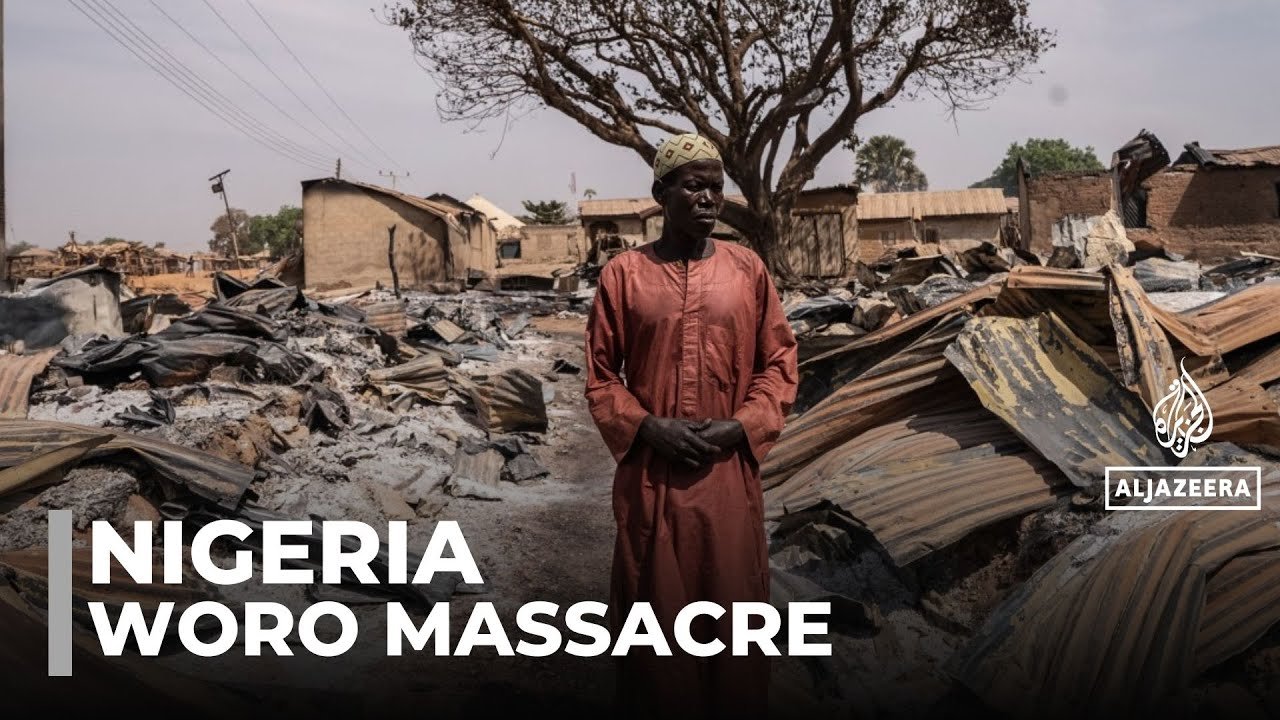
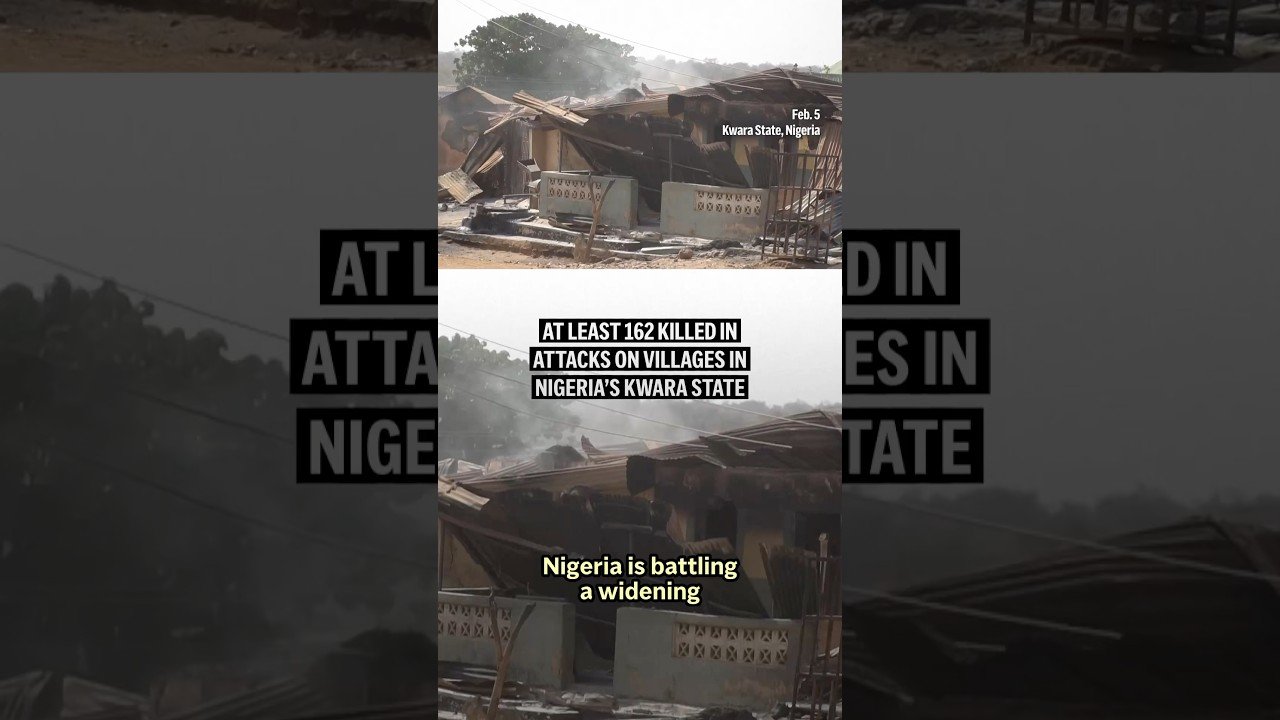
In early February 2026, extremist militants carried out coordinated attacks on the villages of Woro and Nuku in Kwara State, Nigeria, killing more than 100 residents.
The Incident
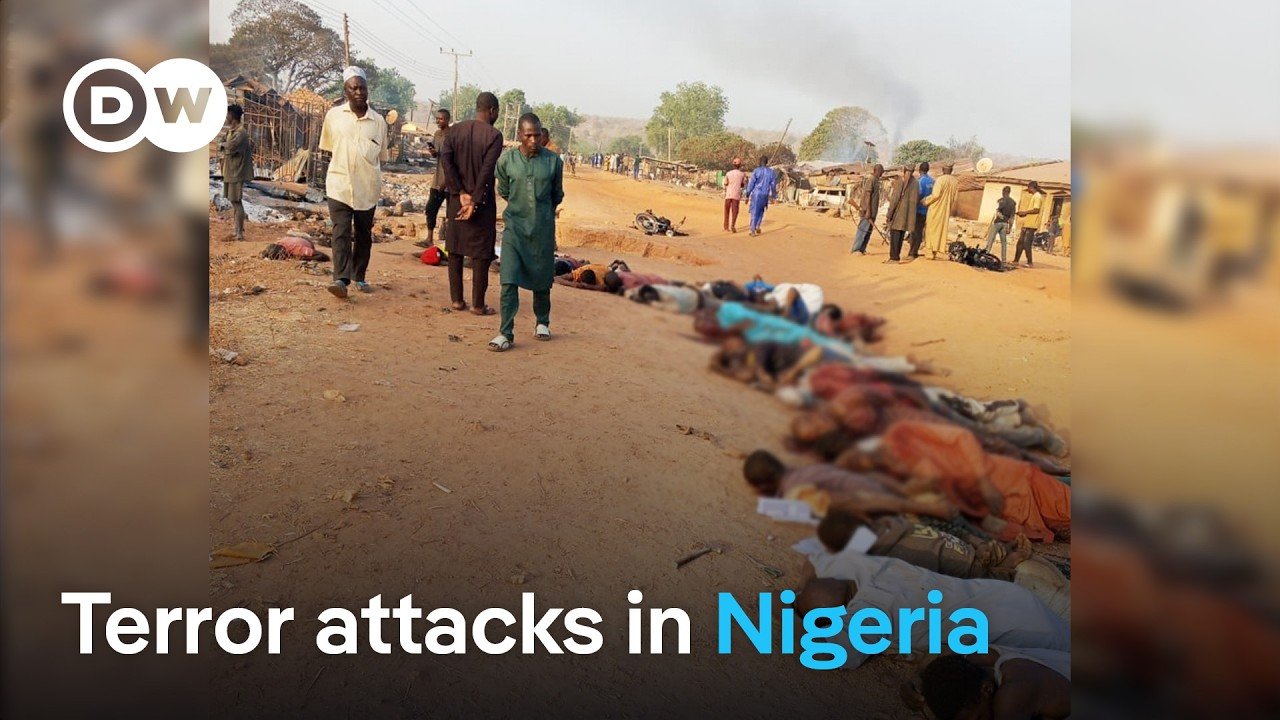
According to widely reported accounts from outlets including BBC, Reuters, The New York Times, and Al Jazeera, armed gunmen stormed Woro on February 3 at around 6 p.m. Residents were rounded up, bound, and executed—many shot at close range, others burned alive in their homes. Estimates of the death toll range from at least 160 to over 200 people.
The attackers are widely believed to be jihadist militants linked to Boko Haram or affiliated factions, although some local officials also referenced the Lakurawa group. Prior to the attack, residents reported receiving threats demanding they adopt Sharia law and reject state authority. The massacre followed the community’s refusal to comply.
On the same day, nearby Doma village was also attacked, leaving at least 25 civilians dead in similar house-to-house killings. Just days earlier, on January 30, another assault in Kasuwan-Daji in neighboring Niger State killed more than 30 people and led to multiple abductions.
In the aftermath, President Bola Tinubu deployed military forces under Operation Savannah Shield to the region. Once considered a relatively stable corridor between northern and southern Nigeria, the area has since seen mass displacement. In Woro alone, a town of roughly 17,000 people was reduced to fewer than 200 remaining residents as thousands fled.
Warning Signs and Failures
Local communities had long reported escalating insecurity, including attacks on travelers and intimidation of traditional leaders. These warnings, including written threats from militants, were reportedly not met with decisive action.
Security analysts have criticized the government’s response as reactive, noting that military deployment only came after the mass killings rather than preventing them. Officials, including Vice President Kashim Shettima, described the घटना as a national shock and pledged to restore order, while Kwara State Governor AbdulRahman AbdulRazaq characterized the massacre as ideologically driven rather than mere banditry.
Escalating violence
The attacks reflect a wider pattern of escalating violence across Nigeria. Amnesty International estimates that more than 10,000 people have been killed since 2023.
The Kwara massacre is seen as part of a longer-term southward expansion of jihadist groups. In the years leading up to 2026, factions linked to Boko Haram—particularly under a commander known as Sadiku—had established a growing presence in Niger and Kwara states, including bases in the Kainji Forest Reserve.
These groups reportedly imposed taxes, enforced extremist doctrines, and formed tactical alliances with criminal bandits before internal rivalries fractured those relationships. Analysts have drawn parallels to the early stages of the Boko Haram insurgency in the 2000s, when smaller incidents were initially underestimated before escalating into a full-scale crisis.
Global Reaction
The attacks prompted widespread international condemnation. The United Nations, African Union, and US State Department called for accountability. Religious and civil society groups within Nigeria also responded strongly, describing the killings as a moral crisis and urging a comprehensive overhaul of the country’s security strategy.
Read also: