

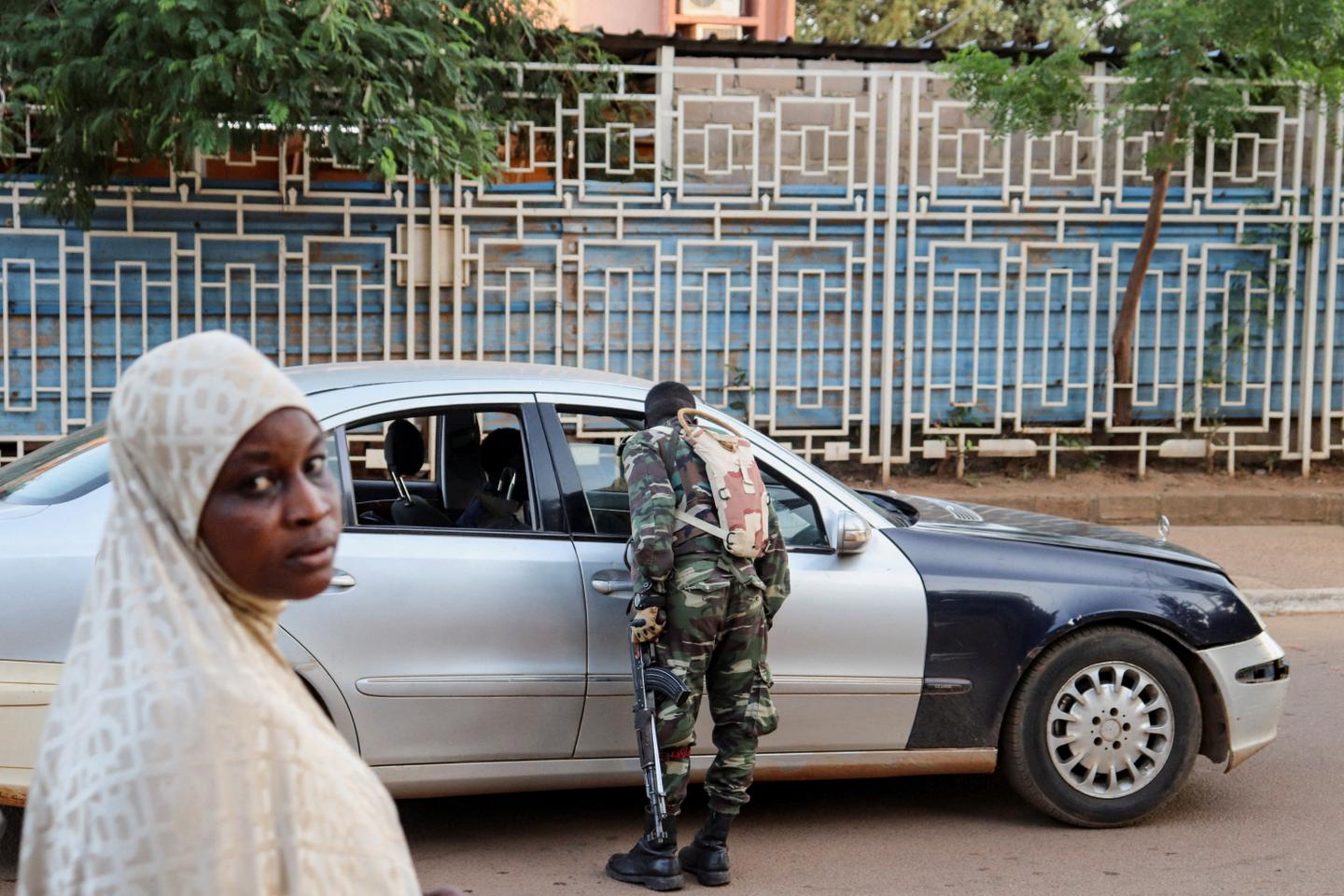
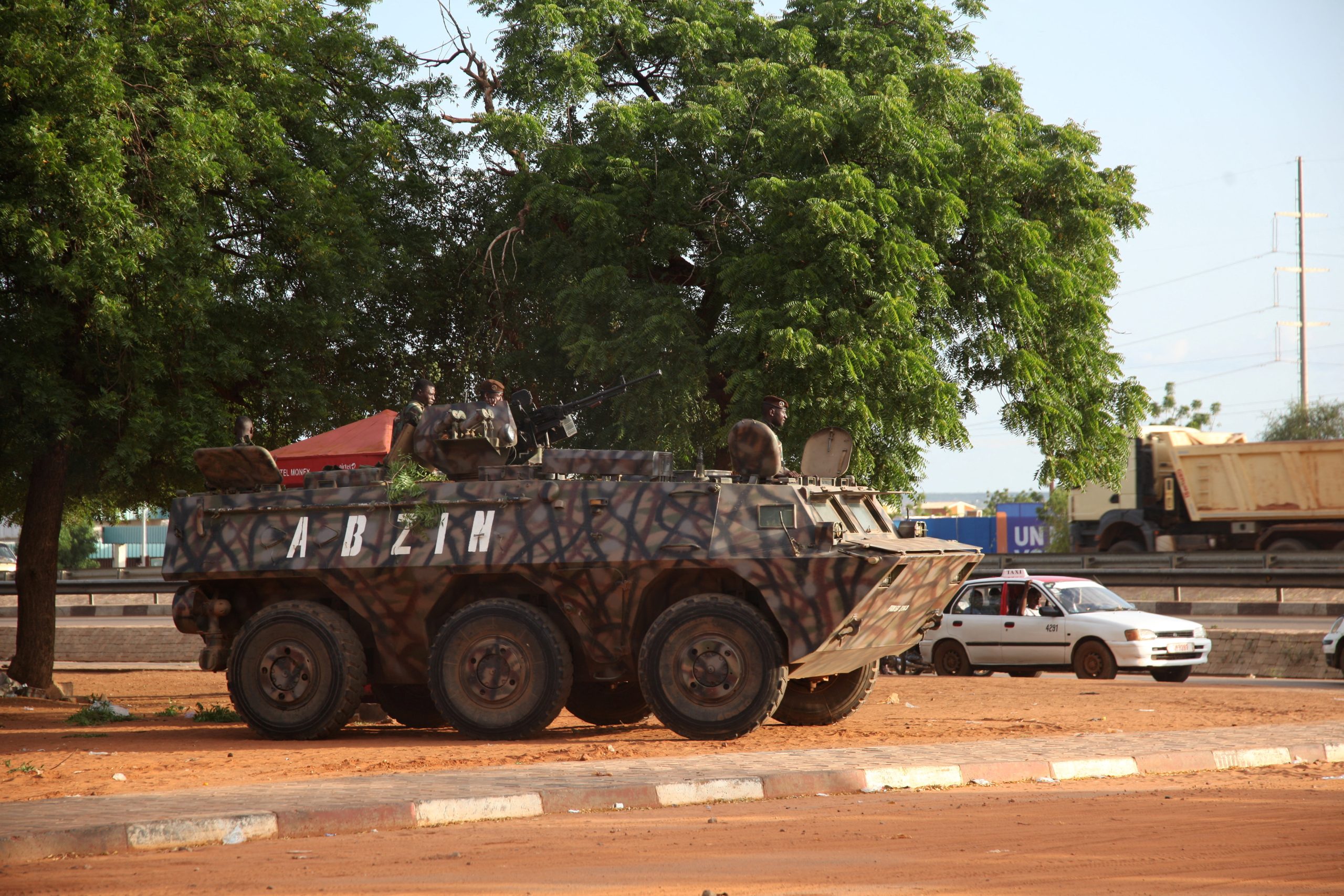

Niger’s military ruler, General Abdourahamane Tiani, remains in firm control after loyalist troops—backed by Russia’s Africa Corps—crushed a late-August mutiny that briefly seized a key airbase and struck at the presidential palace in Niamey.
The failed uprising underscores both the regime’s dependence on foreign security partners and the deep fractures inside an army stretched by jihadist insurgencies across the Sahel.
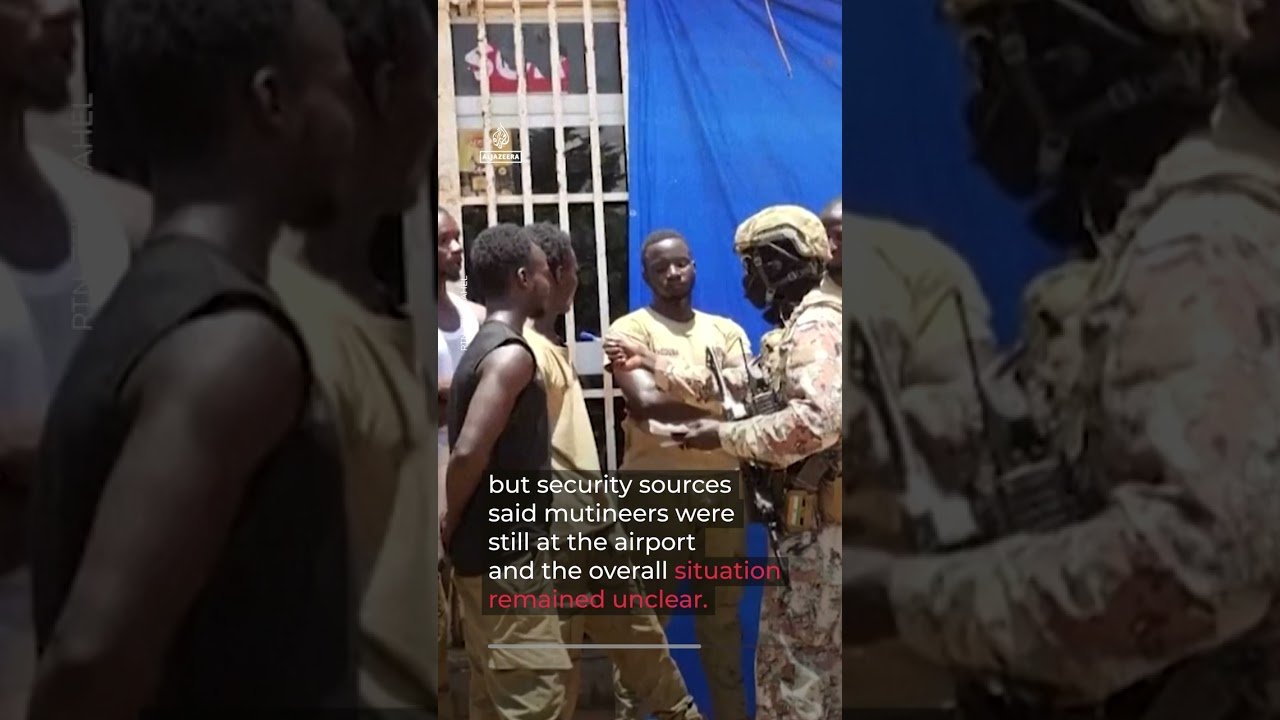
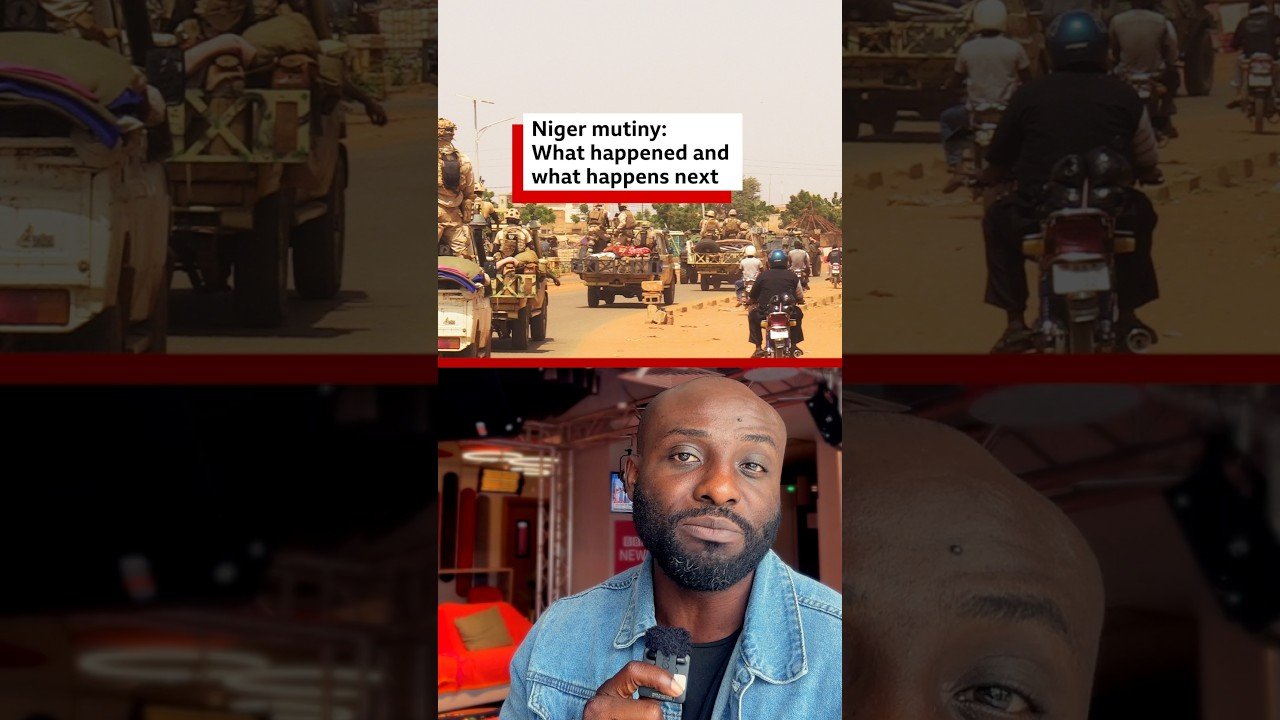
The mutiny erupted in the early hours of Saturday, 29 August 2026, with gunfire and explosions reported across central Niamey between roughly 1am and 7 am local time.
A breakaway faction of soldiers—described in reports as young special forces officers, some drawn from units deployed against jihadists in Tillabéri and Dosso—launched near-simultaneous attacks on several strategic sites.
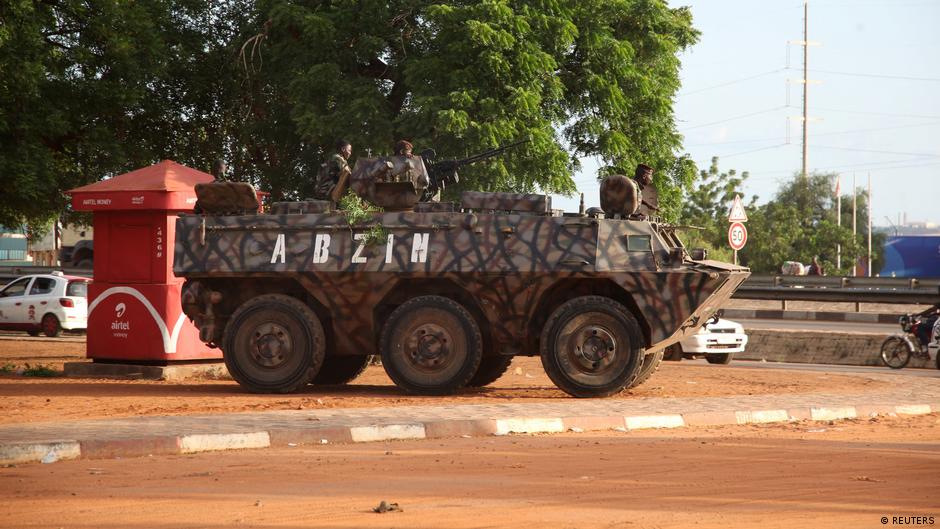
- Air Base 101 (Diori Hamani International Airport): Mutineers took control of parts of the base, detaining some personnel and opening fire on sensitive installations. The base houses significant military assets and is adjacent to Niger’s main international airport.
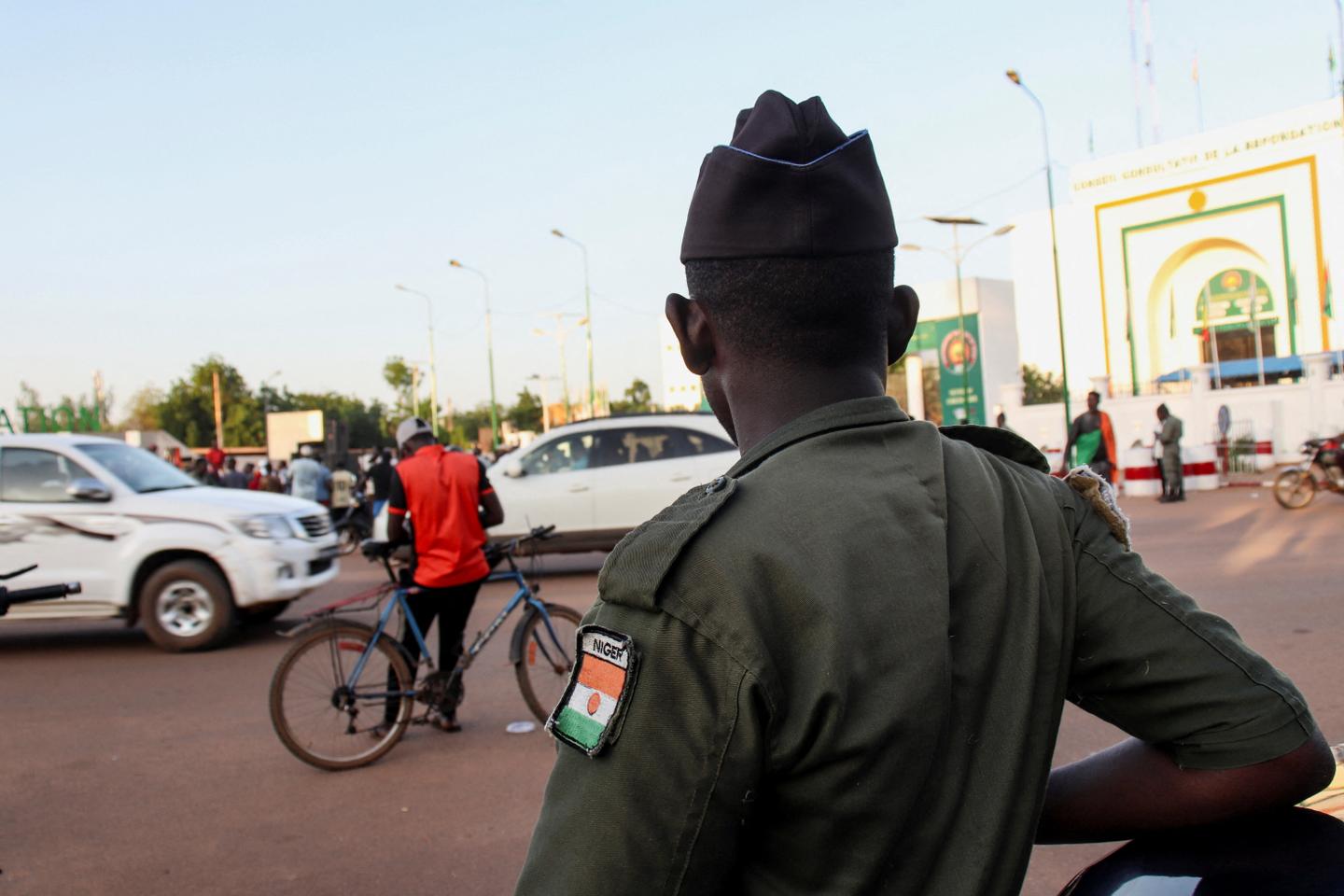
- Presidential palace: Rebels attacked the palace where Tiani resides but were repelled by the Presidential Guard. Tiani was in Niamey at the time and described by a government source as “in a secure location.”
- State broadcaster: The mutineers also tried to seize the headquarters of Radio Télévision du Niger; the station was knocked off air for a period before loyalists restored control.
By Saturday evening, defence ministry statements and security sources said loyalist forces had gradually retook the seized sites. Air Base 101 was fully recaptured around 9 p.m., though officials acknowledged that “several Nigeriens were killed” without providing detailed casualty figures. State media later reported dozens of arrests and displayed seized weaponry on national television.
How the junta retook control: Russian drones and Algerian jets
Russian involvement was decisive. Moscow’s foreign ministry said Nigerien forces repelled the attack “with the assistance of servicemen of the African Corps of the Russian Ministry of Defence,” framing it as part of ongoing support against “extremists”.
Multiple security and diplomatic sources told Reuters and other outlets that Africa Corps personnel played a major role in dislodging mutineers from Air Base 101.
- Tactics and tools: Africa Corps troops reportedly used kamikaze (loitering) strike drones to target rebel positions at the airbase, killing several mutineers and prompting others to surrender, according to three Reuters sources.
- Scale of rebel force: State media described the attackers as “hundreds of disaffected soldiers,” though independent verification of numbers and casualties was not possible.
Algeria also moved quickly to stabilise the situation. Algerian authorities deployed four Su-30 fighter jets, along with an Il-76 transport aircraft and an Il-78 aerial tanker, to Air Base 101 in the aftermath of the fighting—a visible show of diplomatic and logistical support for Tiani’s government.
Aftermath: arrests, rallies, and exposed fault lines
In the days following the crackdown, Nigerien authorities announced dozens of arrests and paraded confiscated arms on state TV as a signal of restored order. Thousands of pro-junta supporters gathered in Niamey to demonstrate backing for General Tiani, while the Alliance of Sahel States (Niger, Mali, Burkina Faso) issued a statement declaring the mutiny contained and failed.
Analysts caution that the episode reveals structural weaknesses inside the military rather than a one-off incident. The mutiny drew on discontent among frontline units engaged in counter-insurgency operations, highlighting tensions over strategy, resources, and the junta’s reliance on foreign partners.
Regional and strategic implications
The event reinforces two broader trends in the Sahel:
- Deepening Russian footprint: The Africa Corps’ operational role—using drones and direct combat support—signals Moscow’s function as a security guarantor for West African juntas, extending the model previously associated with Wagner.
- Fragile coalitions: Even as Tiani consolidates power domestically, the mutiny underscores how pressure from jihadist insurgencies and internal military grievances can quickly escalate in capitals dependent on external backing.
For now, the junta’s grip looks secure: the Presidential Guard stayed loyal, Russian paramilitary support proved decisive, and regional allies like Algeria offered tangible assistance. But the speed and coordination of the August 29 attacks suggest that the regime’s most immediate threats may come from within the very institutions it relies on to stay in power.