The 2026 Munich Security Conference unfolded against a bleak assessment of the global order, with organizers and European leaders warning that the post-1945 security framework is under strain and may be giving way to a more confrontational era.
The three-day gathering in Munich brought together more than 1,000 participants, including heads of state, foreign ministers and defense officials, as debates sharpened around Europe’s future security, the transatlantic relationship and the war in Ukraine.
Opening tone
The conference’s tone was set by the Munich Security Report 2026, titled Under Destruction, which argued that “wrecking-ball politics” is replacing gradual reform and eroding traditional alliances.
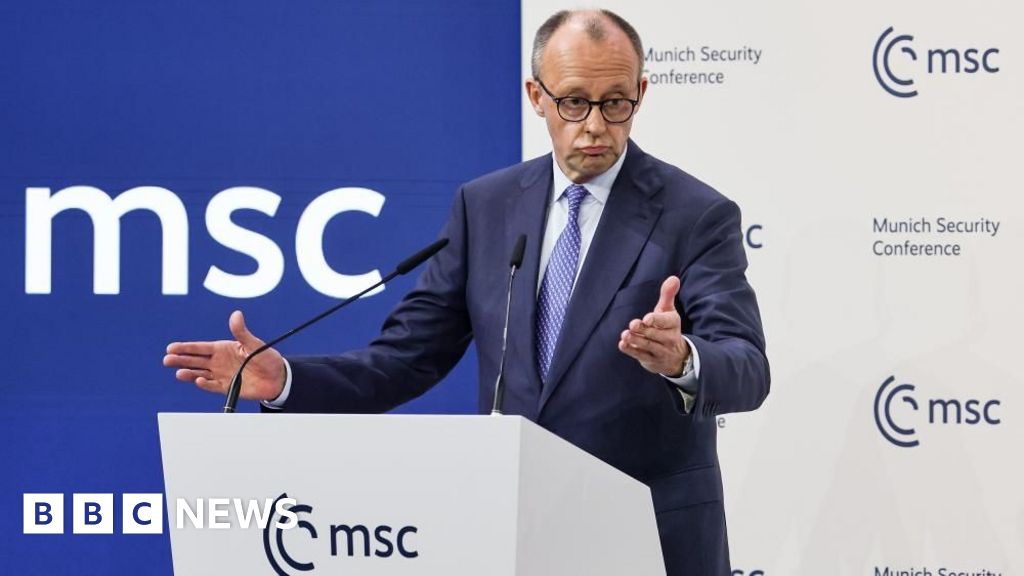
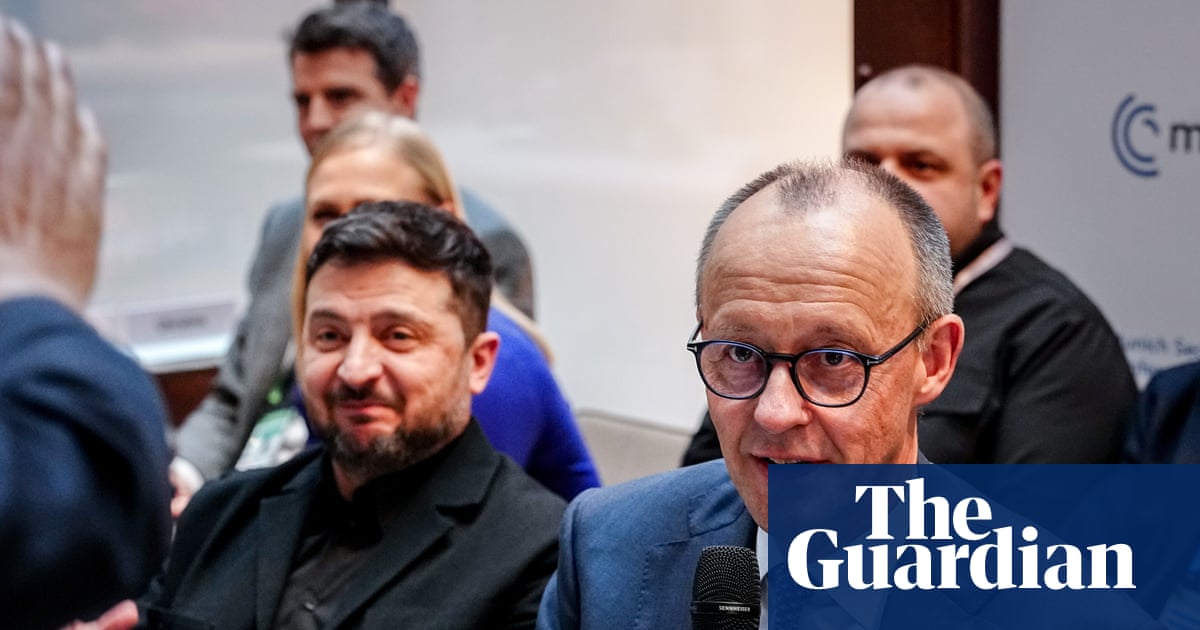
German Chancellor Friedrich Merz reinforced that message, saying the post-1945 international system “no longer exists,” while calling for Europe to take greater responsibility for its own defense.
The debate reflected growing concern that Washington’s role as Europe’s primary security guarantor can no longer be assumed.
Transatlantic divide
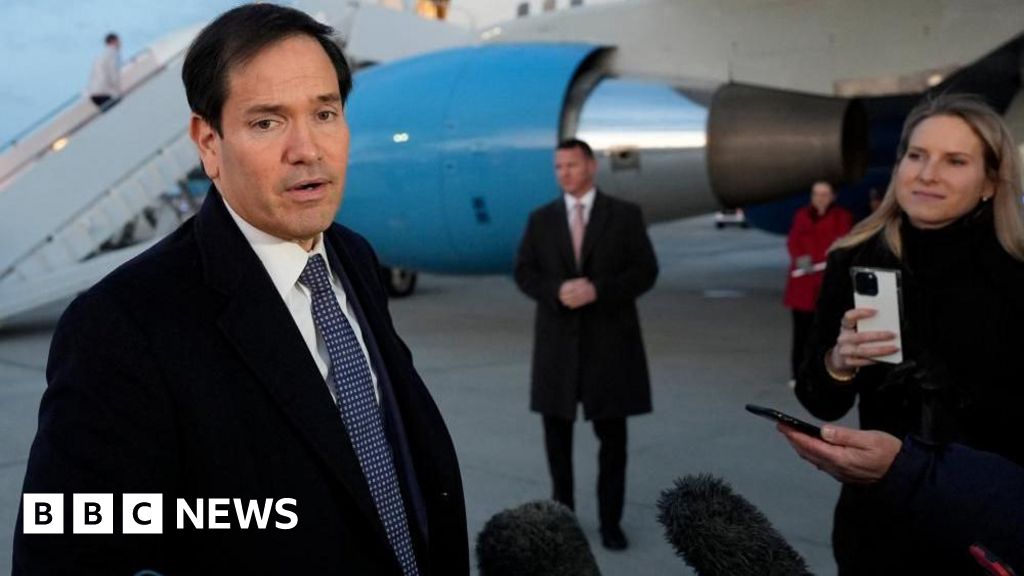
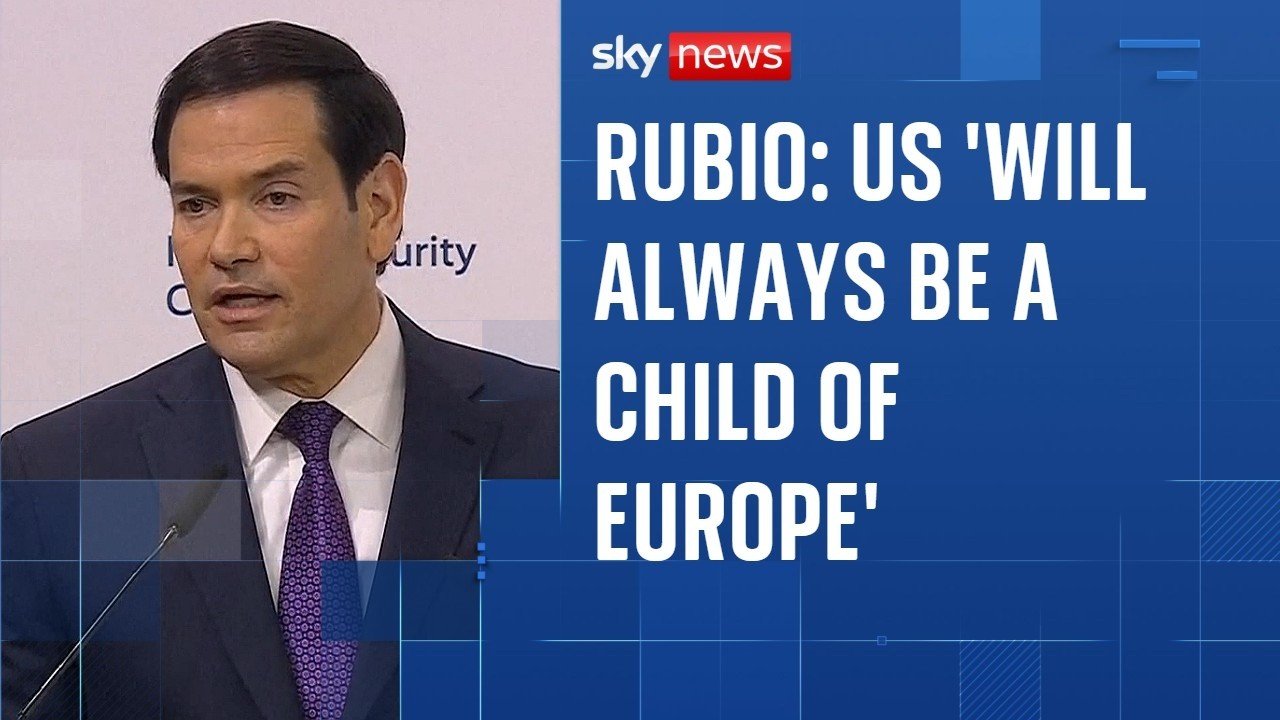
US Secretary of State Marco Rubio struck a more conciliatory note than some previous American speakers, telling Europeans that the US and Europe “belong together,” even as he acknowledged that Washington is on a different course and expects Europe to do more for its own security.
That message echoed the broader conference theme: cooperation remains intact, but trust in the old security bargain has weakened. European leaders responded by arguing that the continent must build more strategic autonomy rather than continue relying so heavily on the US.
Ukraine and security
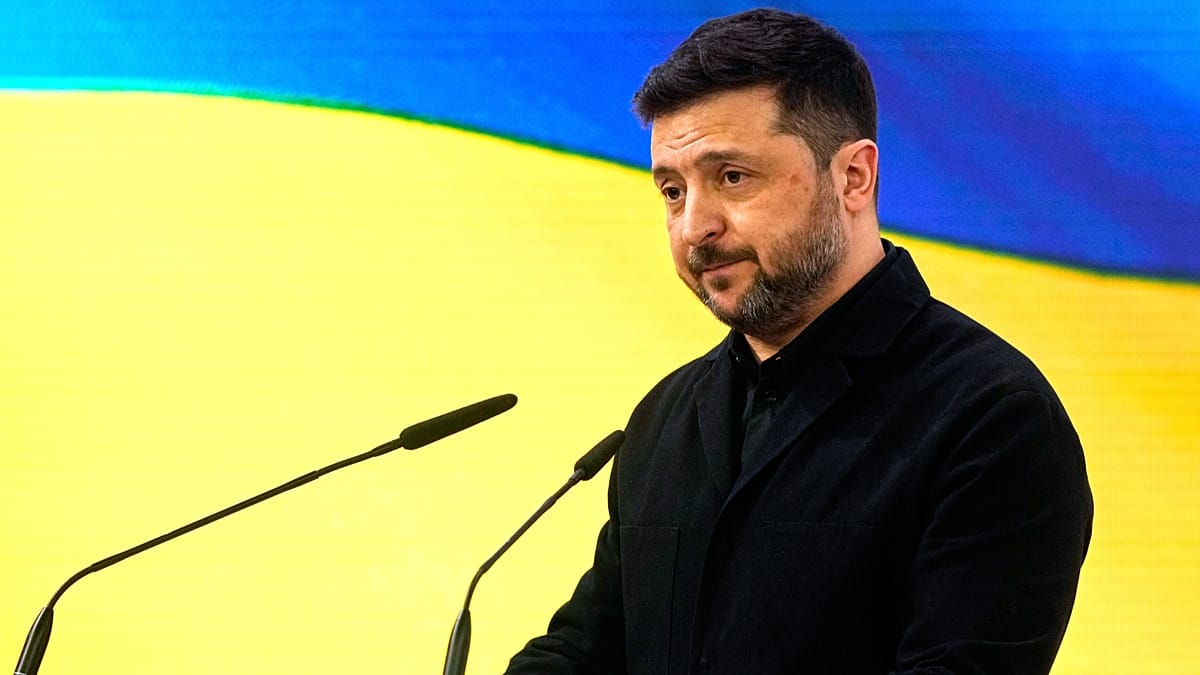
Ukraine remained central to the conference, with President Volodymyr Zelenskyy warning that his country’s air-defense stocks were running dangerously low and pressing allies to accelerate interceptor deliveries. He also warned against repeating the mistakes of 1938, arguing that peace deals without military strength are illusions.
The discussion underscored how the war has become a test of both European resolve and the credibility of Western deterrence.
Arctic Sentry
NATO also used the Munich gathering to signal a stronger posture in the Arctic. The alliance announced Arctic Sentry, a new framework to coordinate allied military activity and surveillance in the High North and around Greenland, with command centralized under Joint Force Command Norfolk.
Officials said the initiative is meant to counter Russian and Chinese activity while also easing tensions inside the alliance after renewed US interest in Greenland. Canada and Denmark also signed a separate bilateral defense agreement on the sidelines to strengthen Arctic monitoring and operations.
Nuclear debate
Another major thread in Munich was Europe’s nuclear future. Germany, France and the UK all pushed the idea of a stronger European pillar within NATO, while Merz and Macron said they had begun confidential talks on a possible European nuclear deterrent.
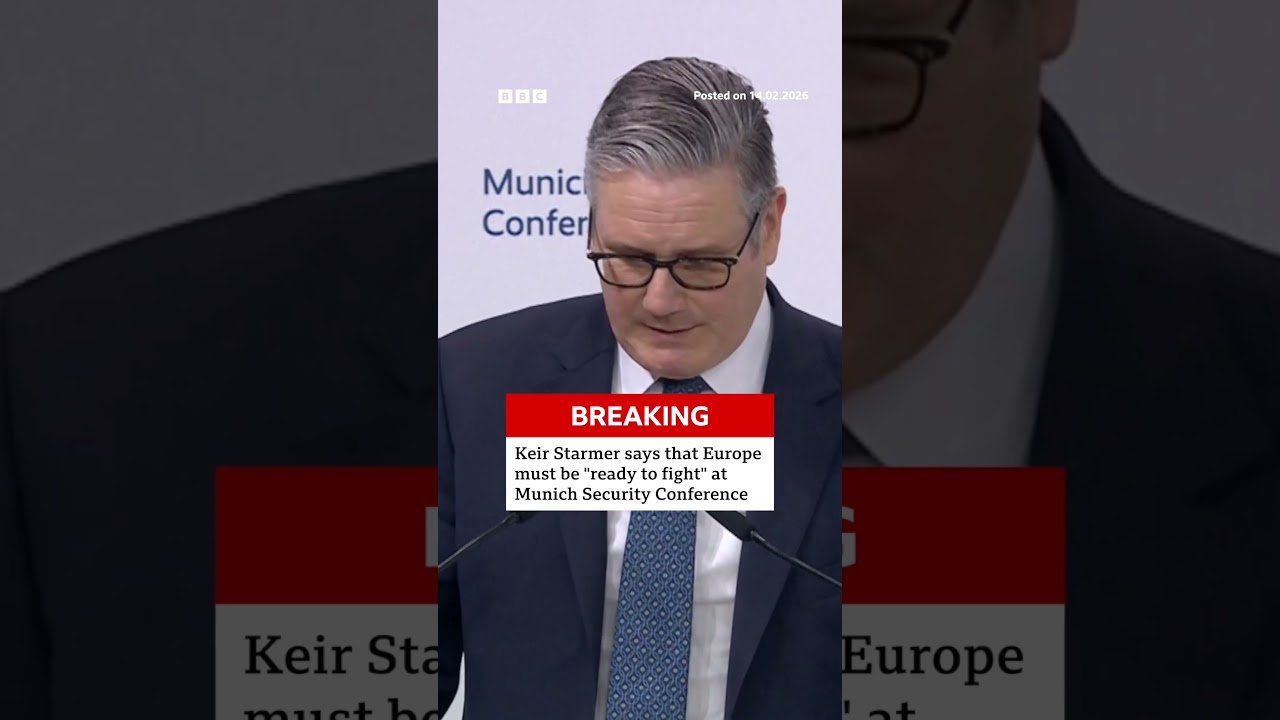
Macron said Europe must stop treating deterrence as something it can simply outsource, while Starmer said Britain is deepening nuclear cooperation with France. At the same time, leaders such as Spain’s Pedro Sánchez warned against nuclear rearmament and urged diplomacy instead.
China’s multi-lateral push
Foreign Minister Wang Yi positioned China as a “stabilizing force” in a world he described as “Under Destruction” by unilateralism. He urged European leaders to view China as a partner rather than a “systemic rival” and invited them to join China’s Global Governance Initiative.
Wang Yi warned against efforts to decouple economies or disrupt global supply chains. He argued that calls from Washington to distance itself from China and “attack and smear” the country were reactive rather than rational, urging for a “positive and pragmatic” approach instead.
The Chinese minister presented two prospects for bilateral relations: one based on objective understanding and cooperation, and the other based on this “knee-jerk” decoupling, which he warned would likely push the two countries toward conflict, especially if it involved crossing China’s “red lines” on Taiwan.
On the sidelines, Wang met with US Secretary of State Marco Rubio to manage differences, though Rubio noted that their national interests often remain misaligned.
Wang’s tone toward Japan was significantly more aggressive, leading to an official “stern demarche” (protest) from Tokyo. Responding to remarks by Japanese Prime Minister Sanae Takaichi that a Taiwan contingency could be a “survival-threatening situation” for Japan, Wang accused Tokyo of harboring “lingering ambitions for invasion and colonialism”.
He stated that Japan would “only bring destruction upon itself if it turns back the clock” and warned the Japanese people not to be “manipulated or deceived by far-right forces”. He drew a sharp parallel with Germany, praising its “thorough reckoning” with Nazi crimes while accusing Japan of still paying homage to “Class A war criminals” at the Yasukuni Shrine.
Navalny poisoning accusation
A joint statement from five European nations (Germany, France, UK, Sweden, Netherlands) “conclusively” accused the Russian government of using dart frog poison (epibatidine) to kill opposition leader Alexey Navalny in 2024.
The countries reported Russia to the Organisation for the Prohibition of Chemical Weapons (OPCW) for a “flagrant violation” of the Chemical Weapons Convention.
US Secretary of State Marco Rubio called the report “troubling” and stated the US has no reason to question its findings, while Russian officials dismissed the accusations as “propaganda” and a “mockery of the dead”
The episode added to the conference’s broader message that Europe sees itself entering a more dangerous, fragmented era.
European nuclear sovereignty
A central development was a push by Germany, France, and the UK to build a “European pillar” within NATO that could function independently if US security guarantees were withdrawn. Chancellor Friedrich Merz argued that Europe can no longer “outsource” its nuclear thinking, while President Emmanuel Macron opened the door to broader talks around France’s nuclear umbrella.
Merz and Macron announced they had entered “confidential talks” to articulate a joint European nuclear deterrent. Macron invited other European states into a “strategic dialogue” regarding the French nuclear umbrella, with plans to update France’s national doctrine as early as March 2026 to reflect this broader European dimension. Prime Minister Keir Starmer emphasized that the UK is “enhancing nuclear cooperation with France” to ensure adversaries face their “combined strength”.
The discussion reflected growing uncertainty over the reliability of U security guarantees, even as NATO officials stressed that any European effort would complement, not replace, the American umbrella. Spanish Prime Minister Pedro Sánchez, however, warned against “nuclear rearmament,” highlighting the political divisions that still surround the idea. Chancellor Merz warned that any shared deterrent must not create “zones of differing security” within Europe, ensuring smaller states are not left behind.
Wider signals
Other moments at Munich reinforced the sense of geopolitical realignment. A large protest in support of Iranian opposition figure Reza Pahlavi drew attention to the conference’s Middle East dimension, while Syrian Foreign Minister Asaad al-Shaibani said security talks with Israel were underway, though not over the Golan Heights.
Taken together, the conference showed European leaders trying to respond to a world they increasingly see as less rules-based, more unstable and more dependent on regional power balances than at any point in decades.
Read also: Antwerp Summit proposes “two-speed” Europe, Eurobonds