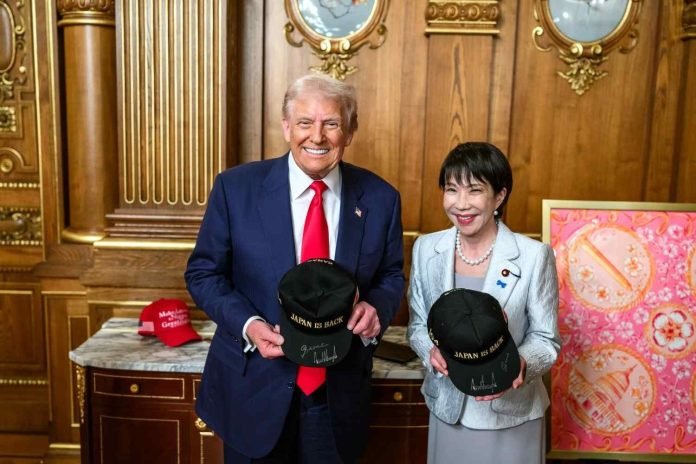
On March 19, 2025, the United States and Japan announced a $40billion nuclear energy partnership to build next‑generation reactors in the American South, part of a broader $550billion Japanese investment pledge aimed at boosting energy security and technological leadership. The deal is the centerpiece of the “second round” of a trade‑pact‑linked investment push, designed to secure stable power for AI data centers and advanced manufacturing while reducing reliance on foreign‑dominated supply chains.
Alongside the nuclear project, the two countries signed a $33billion natural‑gas power agreement and a critical‑minerals cooperation plan centered on deep‑sea rare‑earth deposits near Japan’s Minamitorishima Island. Analysts describe the package as a historic deepening of the US‑Japan economic and security partnership, even as critics warn it may slow the shift to renewables and raise questions about profit distribution between the two allies.
Significant of visit
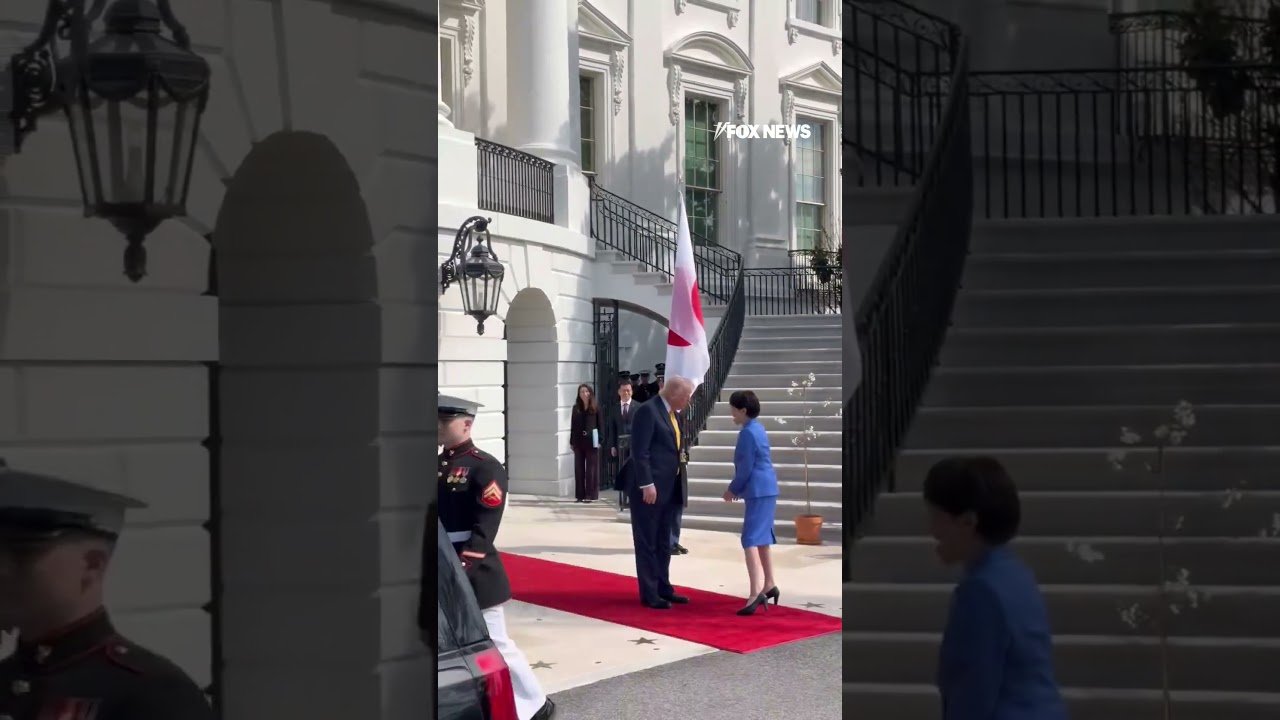
Japanese Prime Minister Sanae Takaichi’s visit was significant as she was the first G7 leader to meet with Trump at the White House since the launch of those attacks.
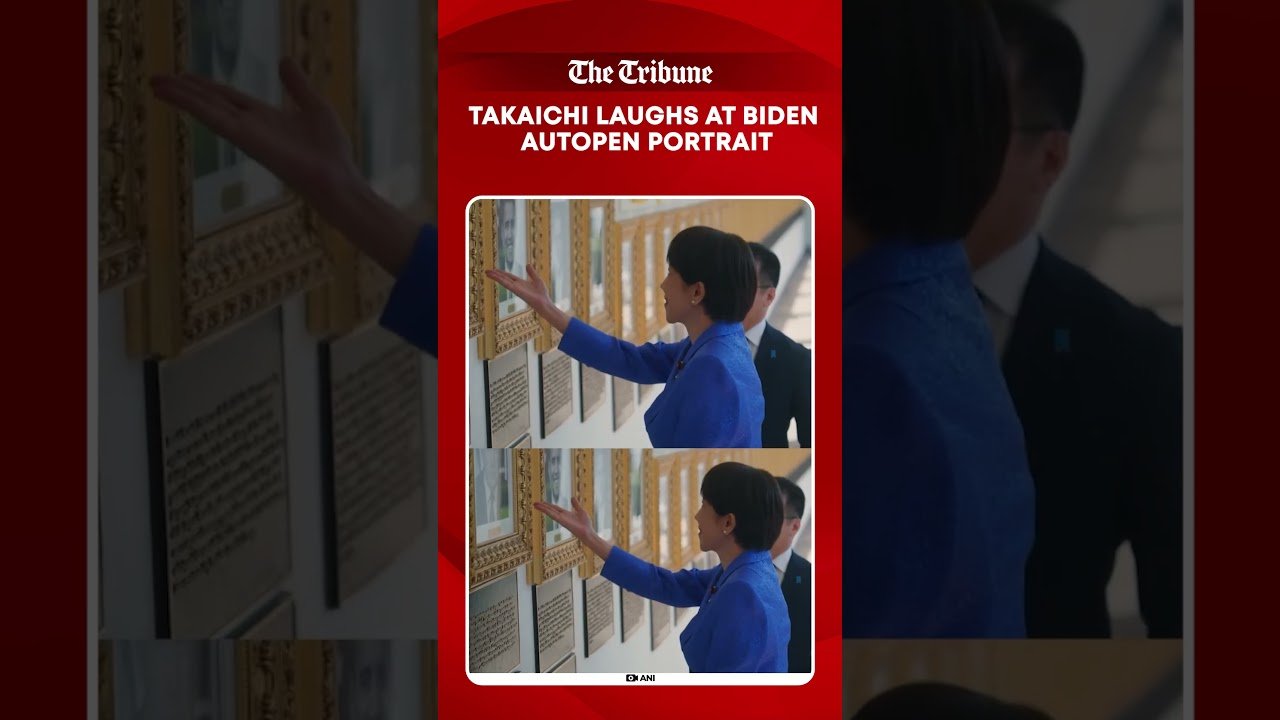
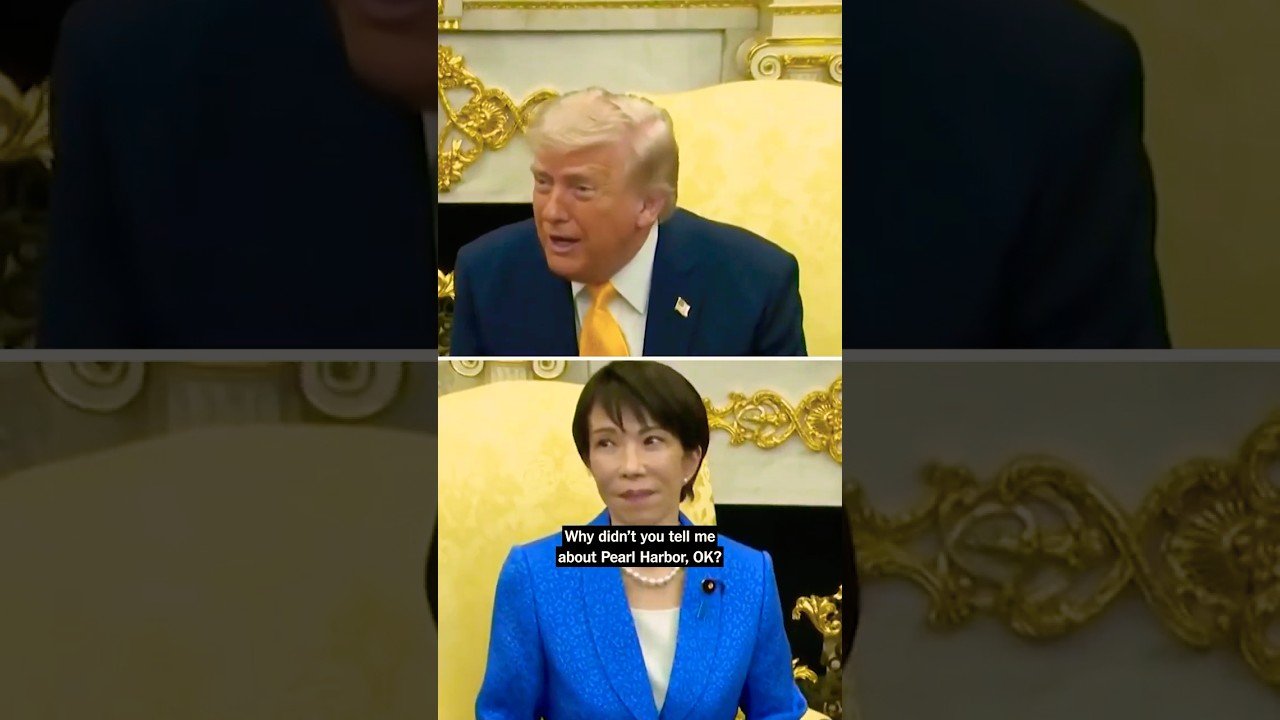
The visit was marked by significant economic agreements but was also punctuated by a viral diplomatic moment regarding the 1941 attack on Pearl Harbor.
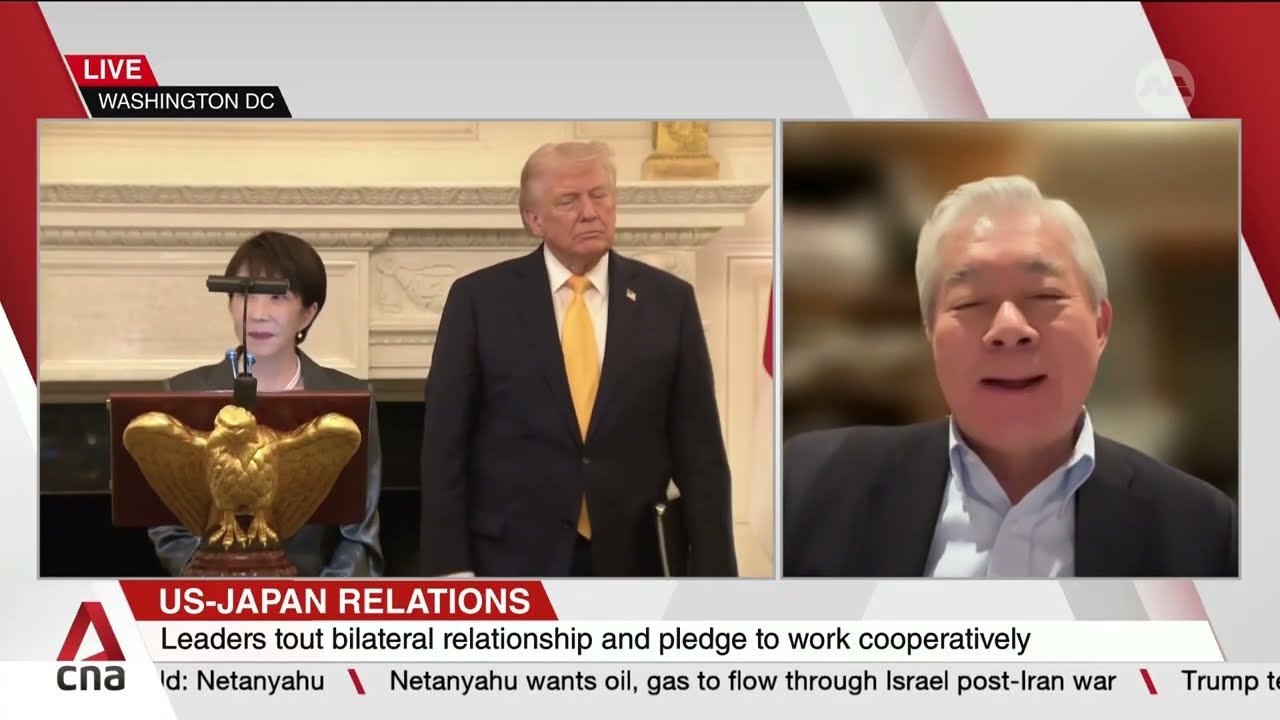
During the meeting, President Trump defended a lack of advance notice to allies regarding recent military strikes on Iran by emphasizing the value of “surprise.”
He then turned to PM Takaichi and asked, “Who knows better about surprise than Japan? Why didn’t you tell me about Pearl Harbor?”. Reports noted the room went silent and Takaichi appeared visibly tense.
It was revealed that Takaichi intended to recommend President Trump for the Nobel Peace Prize, citing his contributions to regional peace negotiations.
Takaichi reiterated her stance that a Chinese attack on Taiwan would constitute an “existential crisis” for Japan, signaling a more hawkish defense posture compared to her predecessors.
Nuclear partnership
The project aims to add 3 gigawatts of power, enough to supply nearly 3 million homes. It focuses on Small Modular Reactors (SMRs), specifically the BWRX-300 model.
The reactors are to be developed by GE Vernova Hitachi, a US-Japan joint venture, with involvement from other Japanese firms like IHI and Japan Steel Works. They are planned for sites in Tennessee (including Clinch River) and Alabama (Bellefonte).
The stable, 24/7 power provided by nuclear energy is intended to meet the surging electricity needs of AI data centers and manufacturing.
Amid global geopolitical tensions, the partnership aims to reduce reliance on unstable energy sources and stabilise electricity prices.
$33billion natural gas power agreement
This deal involves the construction of massive natural gas-fired power plants to meet the soaring electricity demands of AI data centers and advanced manufacturing.
These include a $17billion project (South Mon) in the southwest region of Pennsylvania, expected to generate 4.3 GW and a $16billion project in Anderson County (East Texas) with a 5.2 GW capacity.
Developed and operated by NextEra Energy, these plants will be jointly owned by the US and Japan.
Combined, these facilities will provide nearly 10 GW of power, roughly enough for 7.4 million homes, and are designed to create thousands of jobs while stabilizing regional energy grids.
How will the US and Japan cooperate on rare earths development?
To break reliance on Chinese supply chains, the two nations signed a Critical Minerals Action Plan and a Memorandum of Cooperation (MoC) focused on high-tech and defense materials.
The nations will accelerate joint research into rare-earth muds located 6,000 meters deep near Japan’s Minamitorishima Island. These deposits are believed to contain centuries’ worth of industrial demand for minerals like dysprosium and terbium.
They are discussing trade mechanisms, such as border-adjusted price floors, to protect new mining projects from being undercut by non-market manipulation. A joint task force will be established to address supply vulnerabilities and coordinate emergency stockpiling.
Beyond deep-sea mining, the agreement covers 13 specific projects, including rare-earth recycling (such as a Mitsubishi Materials project in Indiana) and securing metals like lithium, nickel and gallium.
Are the Japanese happy about the partnership?
The partnership is widely seen as a strategic move to reduce reliance on Chinese-dominated supply chains, particularly in critical minerals and energy technology. Many analysts view the deal as a “historic” deepening of the US-Japan relationship, providing a stable energy foundation for long-term security.
While Prime Minister Sanae Takaichi was praised for maintaining composure during high-stakes negotiations, she faced domestic criticism for not being vocal enough about historical sensitivities.
The Bank of Japan indicated that while the deal is positive for the economy, it would not immediately prompt interest rate hikes. Some Japanese business leaders and analysts expressed concern that the deal’s structure where the US reportedly retains 90% of profits is “anti-capitalist” and unfavorable for Japanese shareholders.
Opinion polls show a decline in Japanese public confidence in the US security commitment, with some surveys indicating that fewer than 25% believe in enhancing ties as a primary security measure. The deal sparked protests from citizens concerned about the country’s shift toward expanded nuclear power, despite the historical “nuclear allergy” following past disasters.
Experts have cautioned that the ambitious SMR (Small Modular Reactor) projects face significant hurdles, including high capital costs, regulatory delays, and potential US labor shortages.
Climate groups have criticized both nations for energy plans they claim are “inadequate” for meeting 1.5°C global warming targets, arguing the focus on nuclear and gas may slow the transition to renewables.