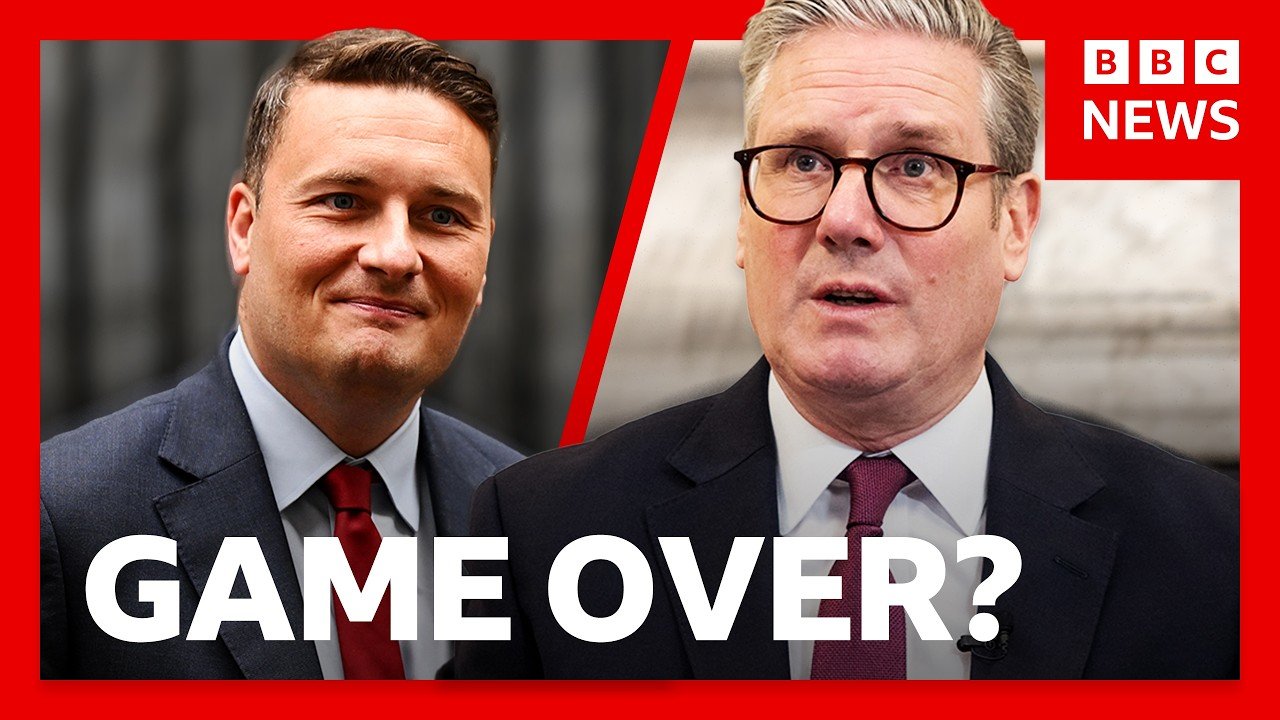
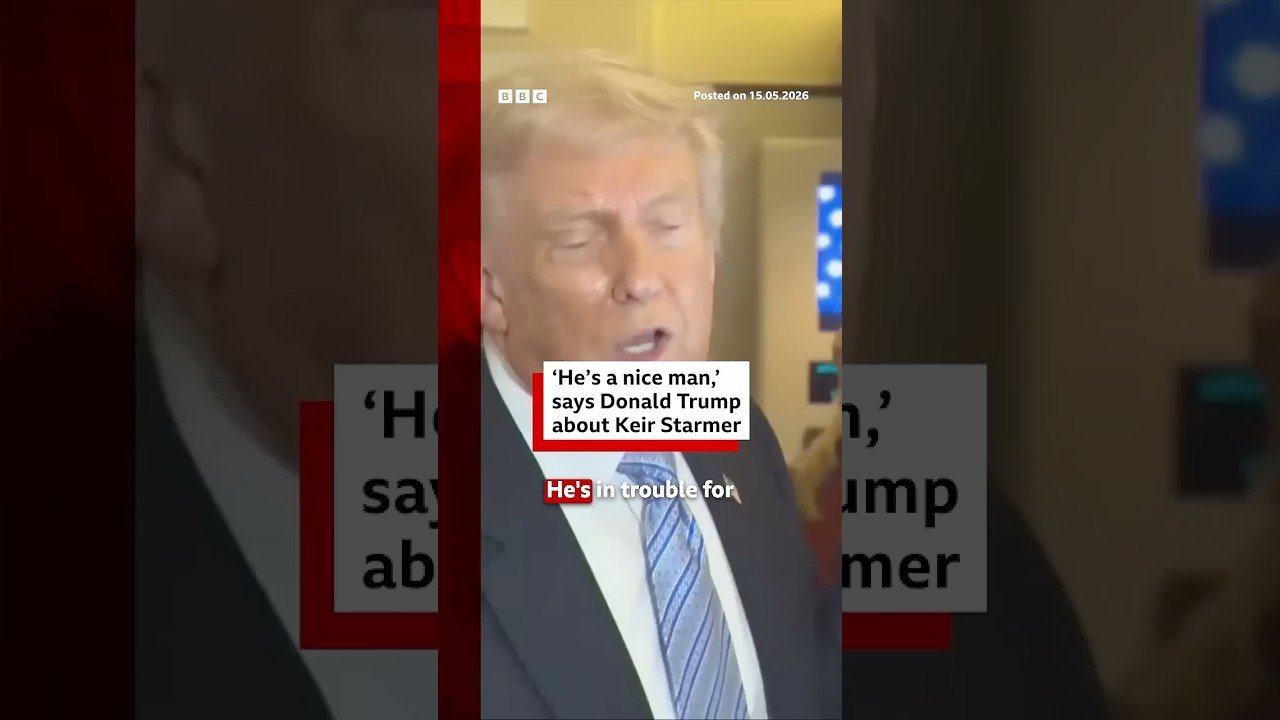
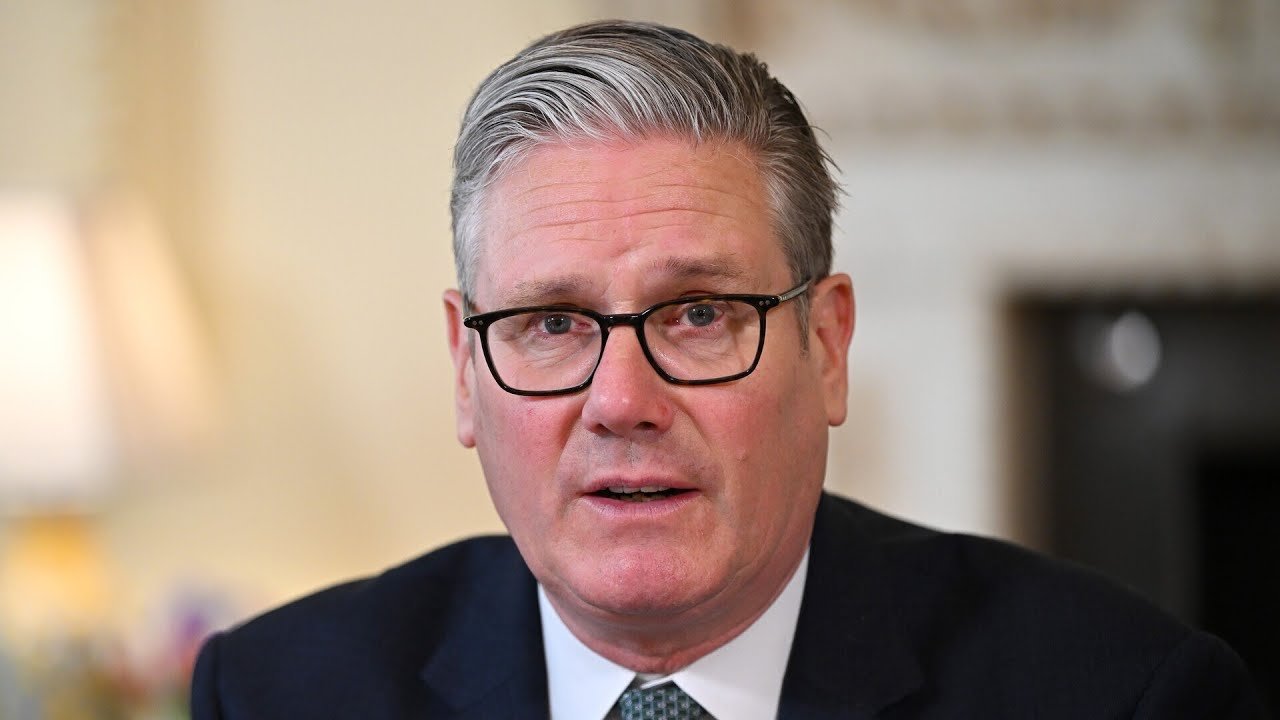
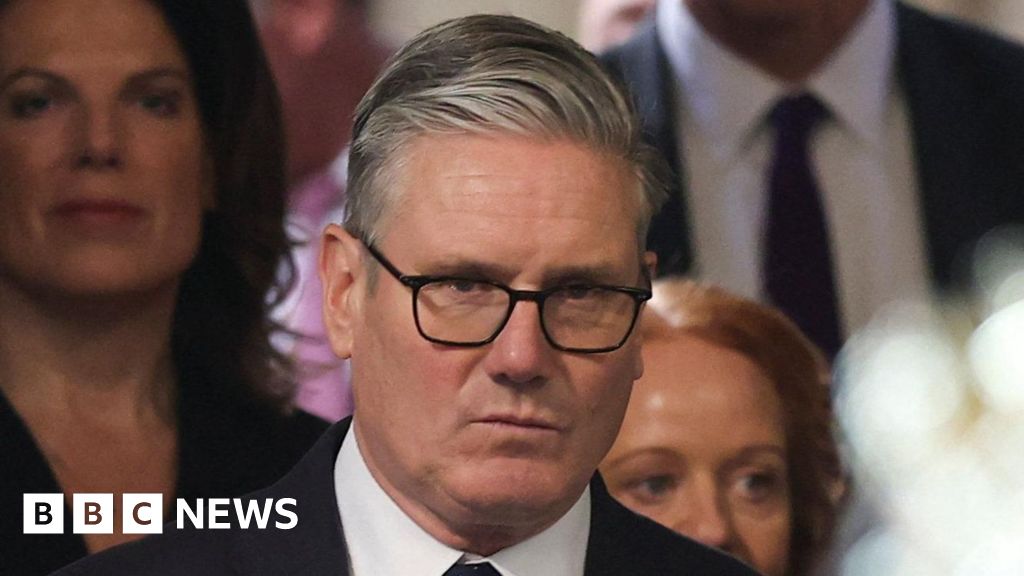
UK Prime Minister Keir Starmer is digging in as pressure mounts from within his own party, insisting he will not resign despite a widening internal revolt that now threatens his leadership.
In a defiant response to growing calls for his resignation, the UK prime minister has made clear he has no intention of stepping aside, telling allies he is “not going to walk away” and remains committed to leading Labour into the next general election. The statement comes as discontent within his party spills into the open, with dozens of lawmakers publicly questioning whether he can continue.
At the heart of the crisis is a combination of electoral collapse and a damaging scandal that has reignited concerns about judgment at the top of government.
A crushing electoral blow
The immediate trigger was Labour’s disastrous performance in the May 2026 local elections. The party lost more than 1,400 council seats in what has been described as one of its worst showings in recent history. Losses extended beyond local government, with Labour also suffering setbacks in both the Welsh Senedd and Scottish Parliament.
Perhaps more alarming for party strategists was where those votes went. Reform UK, the hard-right party led by Nigel Farage, emerged as a major beneficiary—signaling not just voter frustration, but a broader realignment that could complicate Labour’s electoral coalition ahead of a general election.
For many Labour MPs, the results were not just a midterm protest—they were a warning sign that Starmer’s political project may be faltering.
The Mandelson scandal
Compounding the electoral fallout is a controversy that has cut deeper into questions of leadership and oversight.
Peter Mandelson, a senior figure appointed by Starmer as envoy to the United States in 2025, was forced out after just seven months. At the time, his departure raised eyebrows. But newly released parliamentary documents have intensified scrutiny, revealing that Mandelson had failed security vetting before his appointment—and that concerns about his past associations were more serious than initially disclosed.
Those associations reportedly include deeper ties to convicted sex offender Jeffrey Epstein than had previously been made public.
The revelations have triggered outrage within Labour ranks, with critics arguing that the episode reflects a failure of due diligence at the highest levels of government. For some MPs, it has become a symbol of broader concerns about Starmer’s decision-making and inner circle.
A party in open revolt
The backlash is no longer confined to private grumbling.
More than 80 Labour lawmakers have now either called for Starmer to resign or demanded a clear timetable for his departure. Several government figures have stepped down in protest, including Safeguarding Minister Jess Phillips and junior minister Miatta Fahnbulleh, signaling that dissatisfaction extends into the ministerial ranks.
Behind the scenes, potential successors are beginning to position themselves. Health Secretary Wes Streeting is widely seen as a leading contender should a leadership contest be triggered, and reports suggest he is actively preparing for that possibility.
Yet the rebellion is far from unified.
In a sign of how divided the party has become, more than 100 Labour MPs have signed a counter-letter warning against launching a leadership challenge. Their argument: forcing a contest now could fracture the party further and weaken it ahead of a national vote.
The result is a tense stalemate, one that leaves Starmer politically wounded but not yet toppled.
What comes next
Starmer’s strategy appears to be one of endurance. By refusing to resign, he is betting that the rebellion will fail to consolidate and that fears of internal chaos will ultimately keep enough MPs on his side.
But the risks are mounting. The combination of electoral losses, reputational damage from the Mandelson affair, and visible party infighting has created a narrative of instability that opponents are likely to exploit.
For now, Starmer remains in office. But the question is no longer whether he faces a challenge, it is whether he can outlast it.