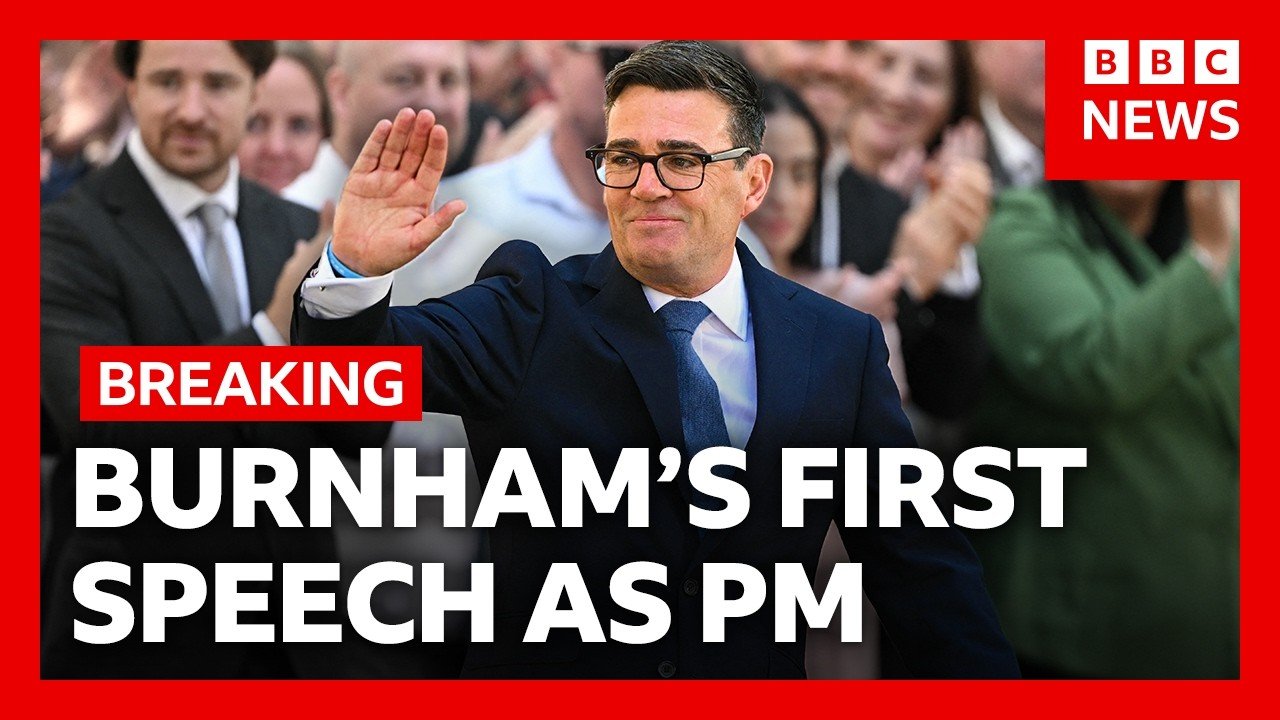


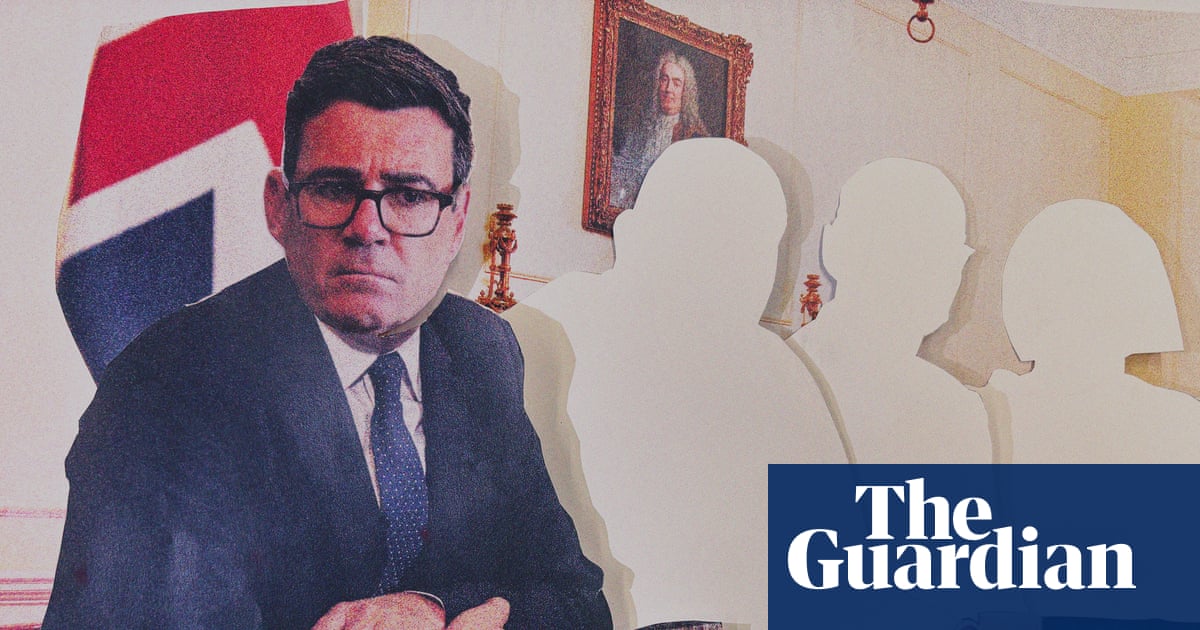



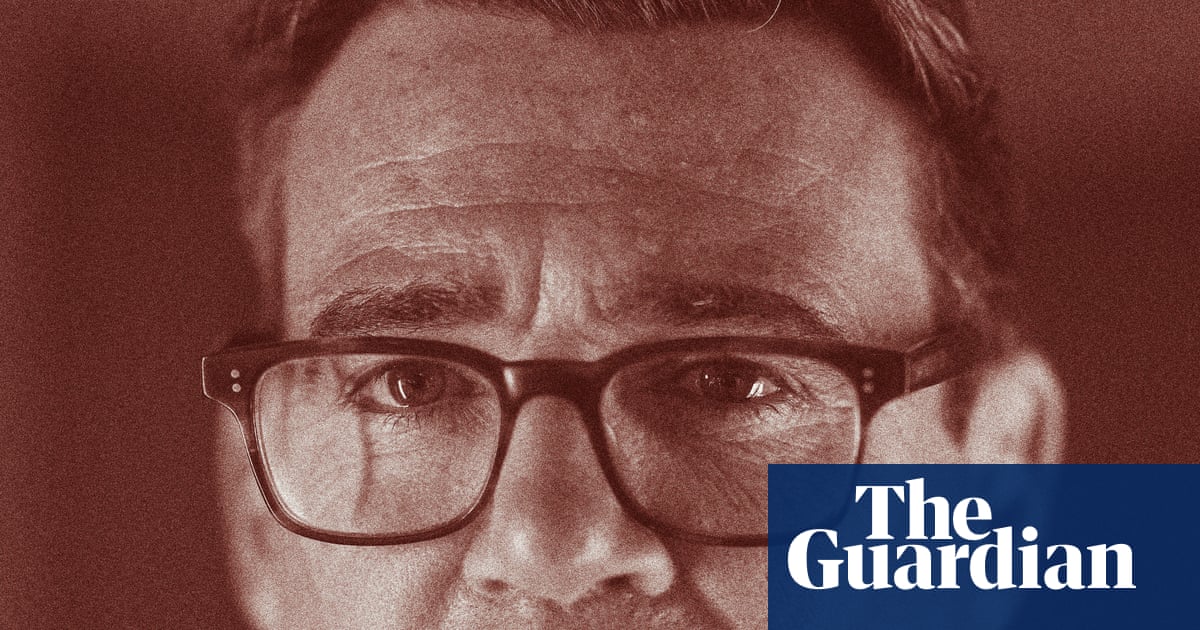

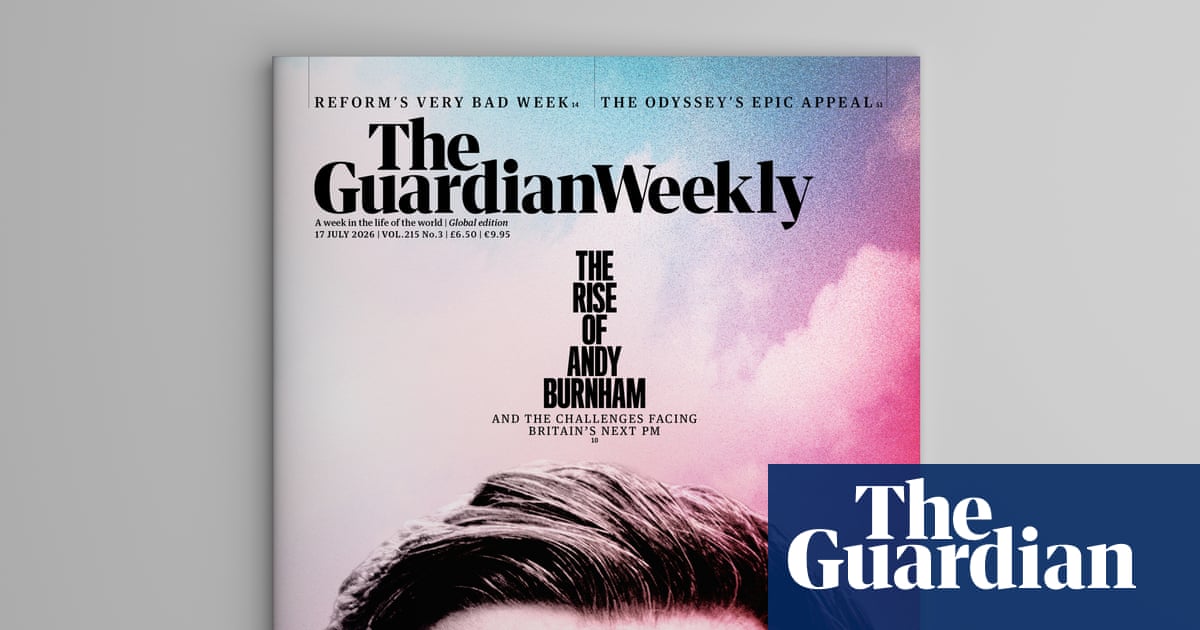
Andy Burnham was formally appointed Prime Minister of the United Kingdom on Monday after being invited by King Charles III to form a government at Buckingham Palace, succeeding Keir Starmer in a leadership transition that did not require a general election.
Burnham, the former Mayor of Greater Manchester, won the Labour Party leadership contest uncontested after returning to Parliament as an MP in June 2026, consolidating support across the party amid declining confidence in Starmer’s leadership.
Burnham’s first speech: A “Circuit Breaker” for Britain
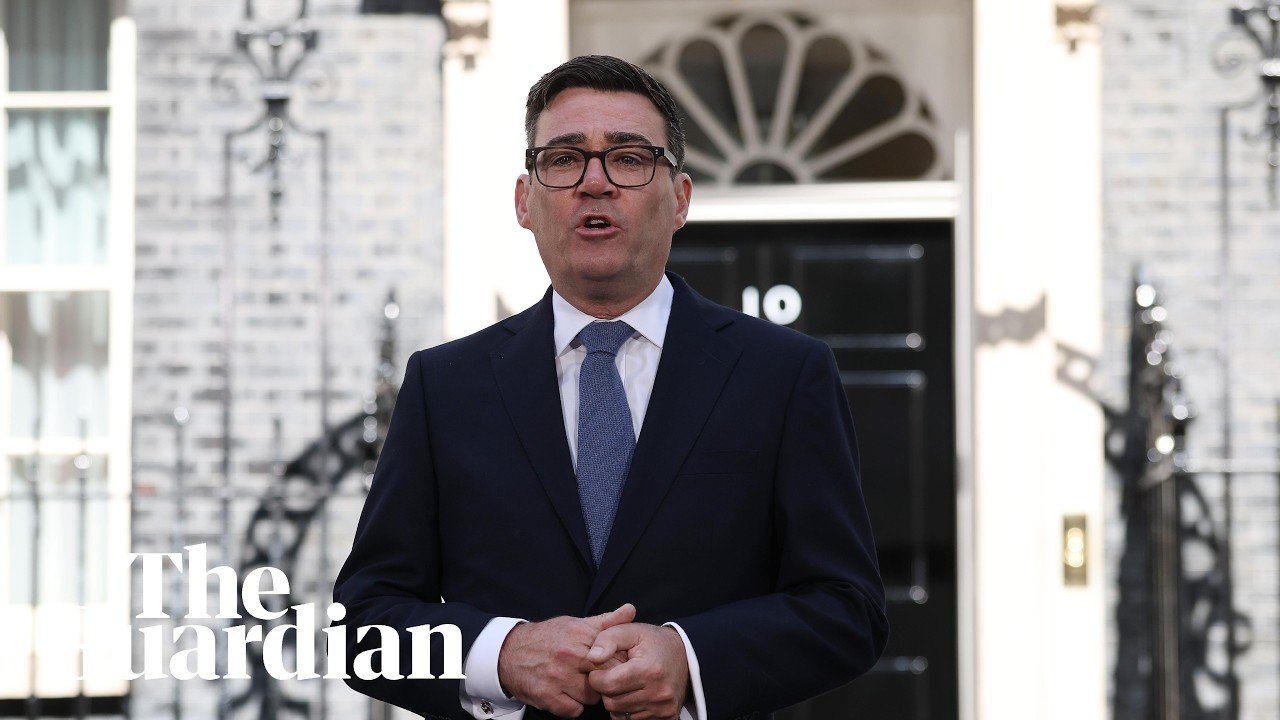
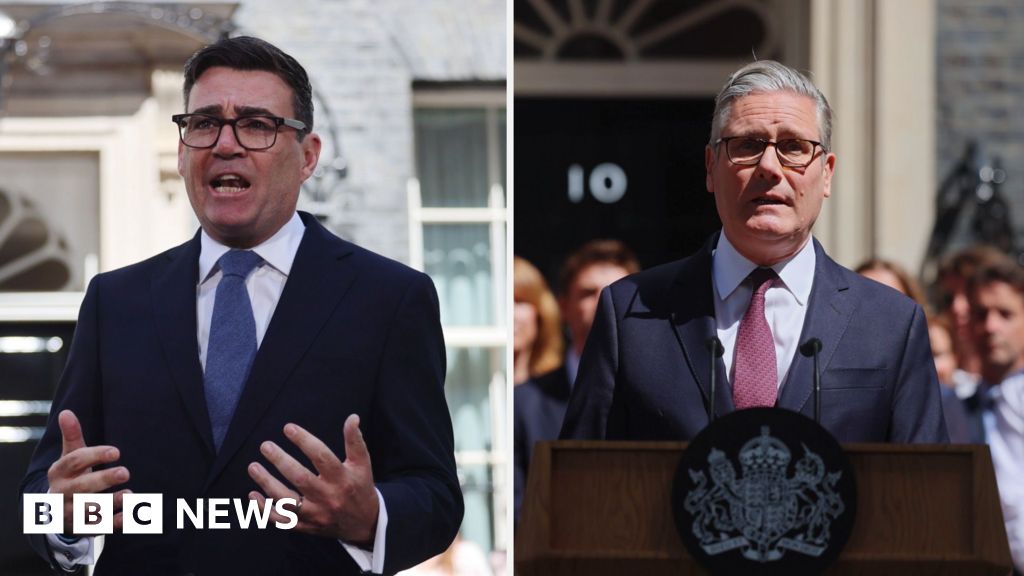
Speaking without notes outside 10 Downing Street shortly after his appointment, Burnham described his arrival in power as a “circuit breaker” moment for the country, promising the biggest changes in British politics and economics in 40 years.
“I am acutely conscious that I am the sixth person in the last 10 years to walk up this street, the seventh prime minister since 2016, making this a moment for reflection and new resolution,” Burnham said, acknowledging the public’s frustration with political instability.
He called on politicians to “raise our game” and shift from point-scoring to problem-solving, vowing to decentralise power from Westminster and deliver “good growth in every postcode”.
Burnham also announced his first instruction as Prime Minister would be to end rough sleeping, a pledge he reinforced after visiting homeless people in central London earlier that morning.
Core Pledges and Policy Priorities
Immediate Cost-of-Living Relief
Burnham promised to set out measures within the week to help households tackle the cost-of-living crisis, including support for energy bills and bus fares, and explained how they would be funded.
He said the government would provide “some breathing space now” for families struggling with rising living costs, positioning this as an urgent priority before unveiling a broader 10-year plan for national renewal later in the year.
Housing and Public Ownership
The new Prime Minister pledged to oversee the largest council house building programme since the postwar period, aiming to reverse the loss of nearly 1.5 million council homes since the 1980s.
Burnham also committed to expanding public control of key utilities, starting with water. He indicated that Thames Water, which serves 16million customers and has faced repeated financial crises, would be placed into a special form of administration until a buyer is found.
His proposals include radical plans to cut household energy bills by up to £130 a year by restructuring gas charges and removing certain policy levies, at an estimated cost of £3.2billion annually to the taxpayer.
Education and Welfare Reform
Looking further ahead, Burnham said his government would help more young people into work by reforming the education system, expanding mental health support, and building a fairer, more sustainable approach to welfare that reduces long-term costs while meeting fiscal rules.
Major challenges ahead
Burnham takes office at a time of significant economic and political uncertainty. The UK faces:
- Tepid economic growth, with sluggish expansion weighing on public finances and household incomes.
- High government borrowing costs, limiting fiscal flexibility and raising concerns about debt sustainability.
- Rising irregular migration, continuing to drive political debate and policy pressure.
- Volatile global energy markets, which remain a key risk to inflation and energy security.
In addition, Burnham must navigate internal party dynamics after a period of upheaval, rebuild public trust in politics, and deliver tangible improvements in living standards ahead of the next general election, due in 2029.
Internationally, he has pledged to maintain support for Ukraine and honour the UK’s defence commitments to allies, while also seeking to restore confidence in Britain’s global standing.
What happens next
Burnham began making cabinet appointments on Monday afternoon, with key roles expected to go to close allies from his time as Greater Manchester Mayor, including Steve Rotheram, the Liverpool city region mayor.
Later this year, he will unveil a 10-year national plan outlining his vision for transforming the UK’s political and economic model, with a focus on decentralisation, public investment, and regional rebalancing.
For now, Burnham’s immediate task is to stabilise the government, deliver on his cost-of-living promises, and begin restoring a sense of hope and purpose after years of political turbulence.
Let us make this the moment when Britain starts to believe again, the moment we bring back hope.
PM Andy Burnham