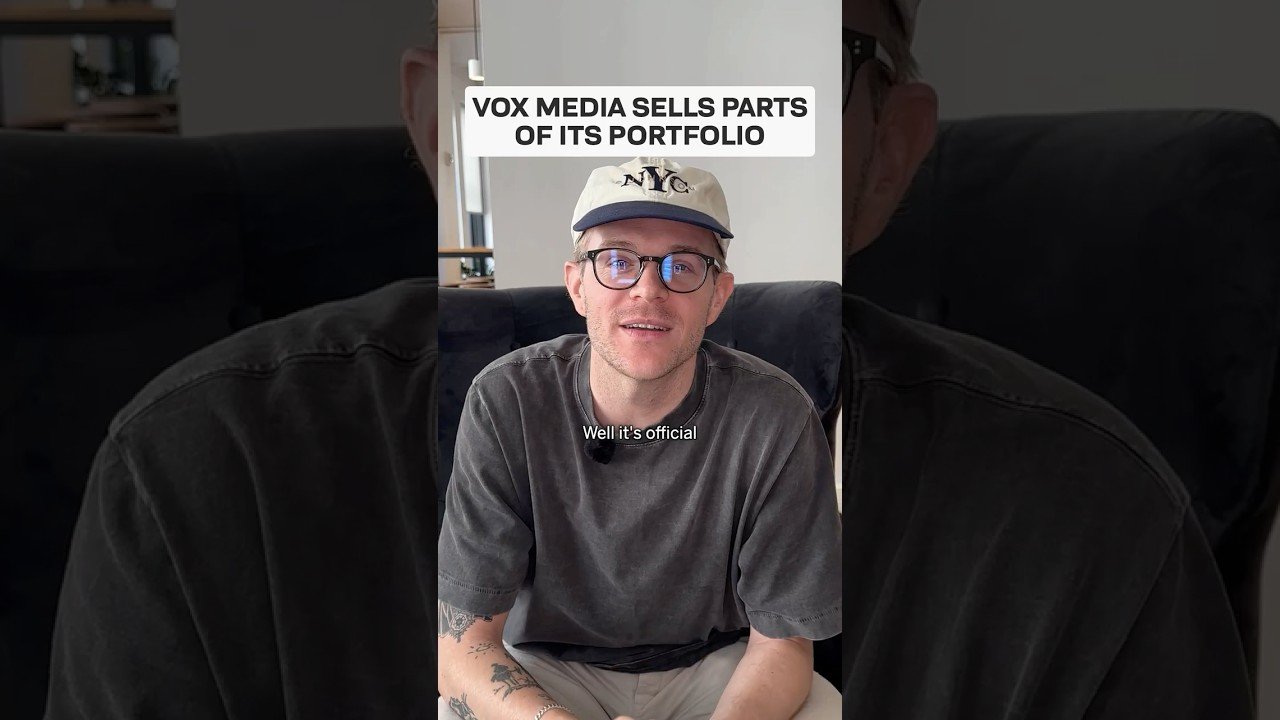
On May 20, it was announced that James Murdoch’s private firm Lupa Systems is acquiring New York Magazine (including The Cut, Vulture, and Intelligencer), the Vox.com editorial site, and the Vox Media Podcast Network for more than $300 million.
Murdoch didn’t just buy a few websites. He bought a counter‑narrative—a whole new version of the Murdoch brand, this time one that leans into long‑form left‑ish, idea‑driven culture rather than right‑wing cable‑y outrage.
The rest of Vox — The Verge, Eater, Popsugar, SB Nation, The Dodo — spins off as a separate, independent company, leaving James with the prestige titles and the high‑margin audio business.
A split in the Murdoch script
Strip away the price tags and what you’re really watching is a clean break from the “Succession” playbook. James walked away from the Murdoch family trust with a $1.1 billion cashout, a divorce from his father’s conservative editorial fortress, and now a blank canvas: New York Magazine, Vox.com, and a podcast network that rivals cable‑news demos.
The twist is that Rupert once owned New York Magazine himself; he sold it in 1991. James publicly downplays the nostalgia, saying he’s after “a great business” built on long‑form journalism, not dynasty‑signaling. But in public‑opinion terms, the optics are louder than the quotes: James is reclaiming a property his father once controlled, then rebranding it as a very different kind of Murdoch product.
Why the podcast network matters more than the price
The $300‑plus million headline is one thing; the economics behind it tell the real story. The Vox Media Podcast Network alone generated over $80 million in revenue in 2025, powered by shows like Pivot and a stable of creator‑led programs that attract premium‑brand advertisers. That unit is what turns this from a “prestige vanity project” into a credible, margin‑dense media business overnight.
Pair that with Vox.com’s explanatory‑style coverage and New York’s Rolodex‑level cultural access, and you suddenly have a media stack that can:
- Draw coveted 25–45‑year‑old audiences for high‑end ad buys,
- Feed each other with content (podcast episodes become articles, features become podcast angles),
- and coast on the “cultural‑commentary” halo that New York Magazine still carries.
If you squint, it looks less like a media mogul move and more like a product‑market‑fit play: long‑form + audio + cultural IP, wrapped in a recognisable brand.
The “New” Vox vs. the “Old” Vox
The deal also quietly rewrites the map of digital media in the US. The part that stays with Lupa — New York, Vox.com, and the podcasts — will keep the Vox Media name under Jim Bankoff as CEO, preserving the existing editorial and sales relationships.
Meanwhile, the excluded brands—The Verge, Eater, Popsugar, SB Nation, and The Dodo—form a separate, independent company under a new corporate name, led by current Vox Media president Ryan Pauley. That spin‑off gives each stack a cleaner identity:
- Lupa’s stack: prestige‑longform, politics, culture, and high‑margin podcasts.
- The new company: vertical‑driven, commerce‑ and community‑oriented, with less “brand ideology” attached.
For writers and editors, that means fewer overlapping mandates; for advertisers, it means simpler, more distinct buying lanes.
What this means for the Murdoch brand
If you map the family’s holdings today, the Murdoch brand now runs in two parallel tracks:
- Lachlan’s side: Fox News, News Corp, and the institutionalized right‑wing wing.
- James’s side: New York Magazine, Vox.com, and a podcast network that punches above its weight in smart‑liberal circles.
James positions this as a “build a great business” move, not a political crusade, but the contrast is hard to miss. He’s swapping the inherited conservative‑media machine for a portfolio that better reflects his own, more centrist profile while still leveraging the same family name, same capital, and same playbook for scaling.
Whether this is a genuinely new era for the Murdochs or just a more polished version of the same power‑and‑influence game will depend less on the press release and more on what James actually lets those newsrooms do when the checks are in.