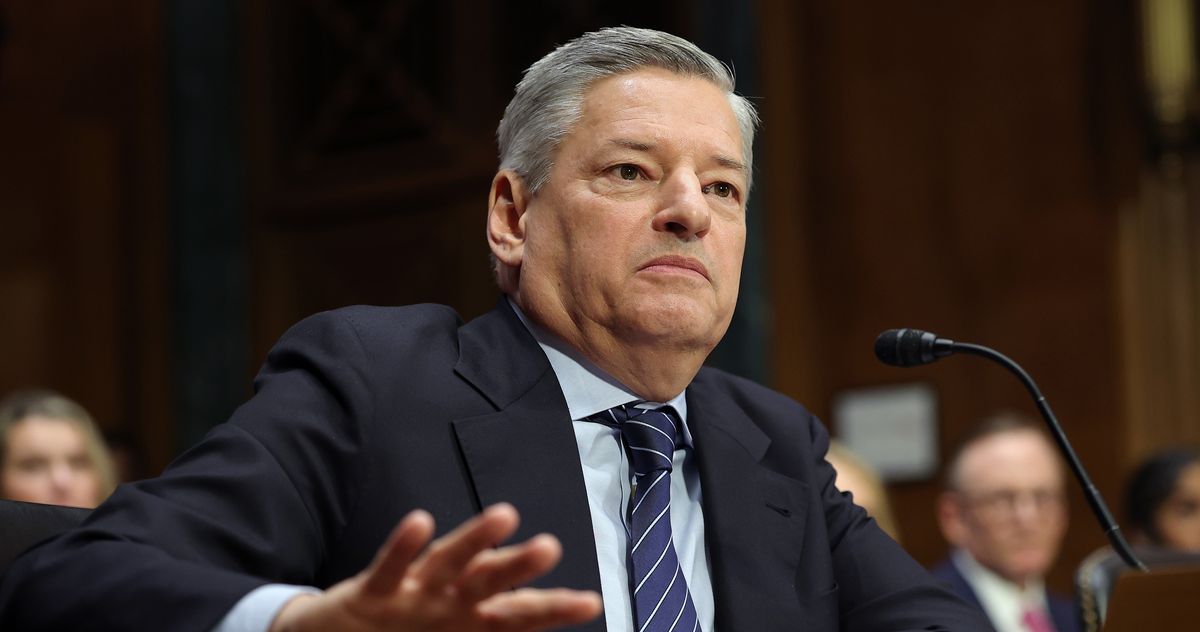
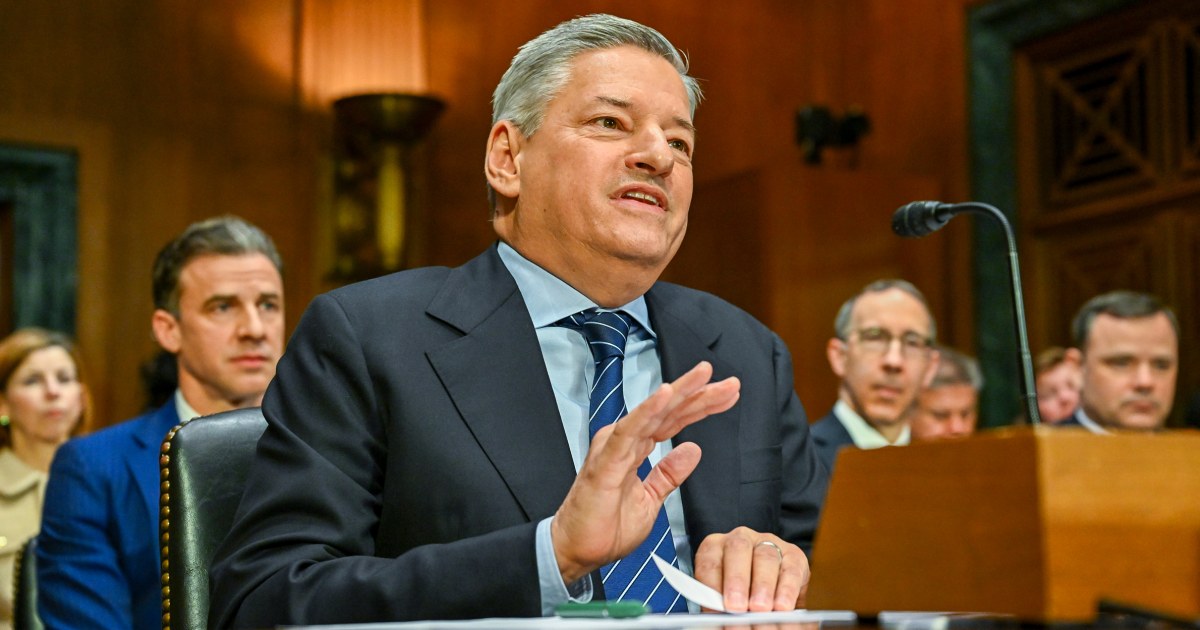
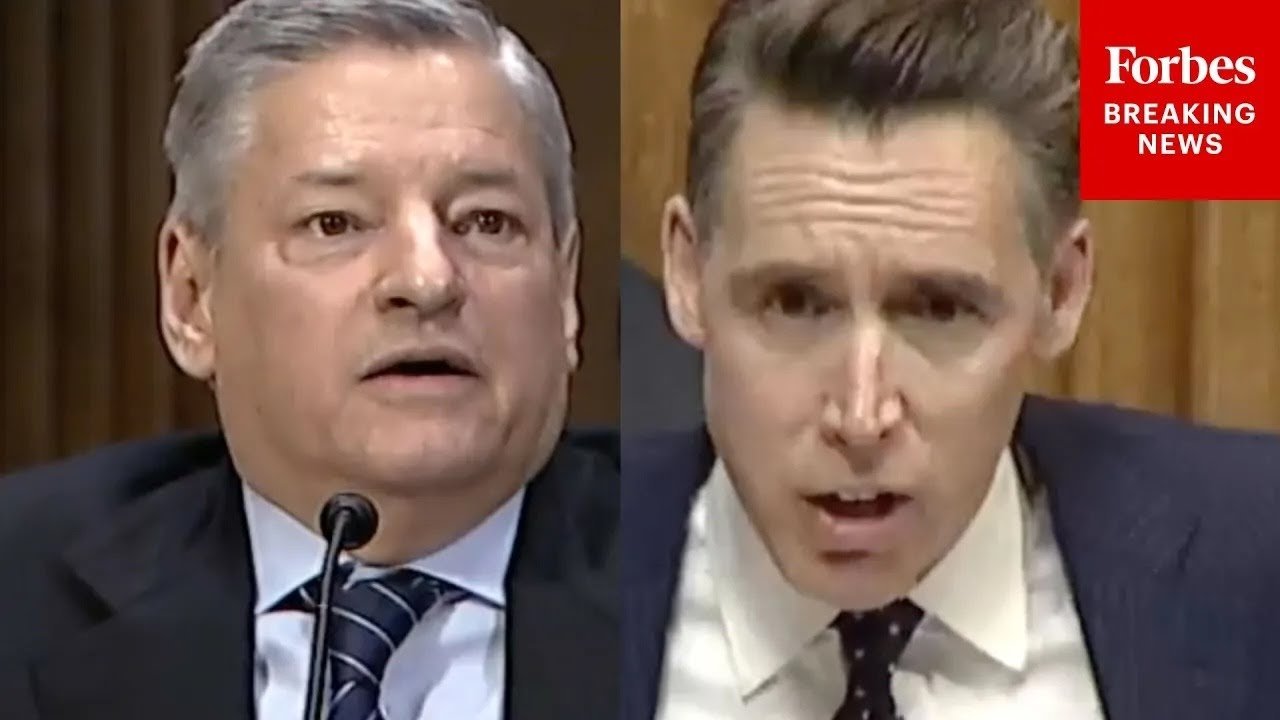
The Senate Judiciary Subcommittee on Antitrust, Competition Policy and Consumer Rights held a hearing on Feb. 3, 2026, to examine Netflix’s proposed $82.7 billion acquisition of Warner Bros. Discovery’s film and television studios, HBO and HBO Max. Lawmakers used the session to press Netflix co-CEO Ted Sarandos and Warner Bros. executive Bruce Campbell on the deal’s impact on competition, consumers and the entertainment workforce.
Antitrust concerns
Subcommittee chair Mike Lee warned that the merger could create a streaming “behemoth” with too much control over production and distribution, potentially driving up subscription prices and reducing opportunities for writers, actors and other creative workers. Democrats, including Cory Booker, Adam Schiff and Amy Klobuchar, echoed concerns about consolidation, job losses and consumer harm.
Culture war angle
Republicans Josh Hawley and Ted Cruz steered part of the hearing toward culture-war issues, questioning whether the combined company would amplify “woke” programming and political bias.
Lee also suggested Netflix may be trying to become “the one platform to rule them all”, reflecting skepticism that extended beyond traditional antitrust worries. Cory Booker (D-NJ) questioned the impact on “art, culture, and the moral imagination of a nation”.
Rival bid and White House
The hearing also reflected the wider battle for Warner Bros., with Paramount Skydance pursuing a rival hostile bid. Cory Booker criticized Paramount CEO David Ellison for not testifying, while lawmakers questioned Sarandos about a November 2025 meeting with President Donald Trump and whether the administration could shape the Justice Department’s review.
Industry response
Sarandos defended the merger as pro-consumer, arguing it would combine Netflix’s global distribution with Warner Bros.’ production strength and deliver more content at lower cost. He also pledged to keep a 45-day theatrical window for Warner Bros. films, while Warner Bros. executives argued the deal would expand the studio’s reach through Netflix’s platform.
Cinema United, representing theatrical exhibitors, labeled the merger “catastrophic,” arguing that Netflix’s 45-day theatrical window commitment is misleading and would irreversibly harm movie theaters.
CEO David Ellison did not attend the hearing but issued an open letter to the creative community, vowing an “anti-monopoly” approach and promising to produce at least 30 theatrical features annually if his rival bid succeeds.
Creative unions raised concerns that the merger would reduce bargaining leverage for writers, actors, and directors by concentrating power in a single global distributor.
Market & Public Interest Reactions
Netflix shares fell approximately 11% in the weeks leading up to and following the hearing as the Department of Justice (DOJ) expanded its antitrust probe beyond the merger to include Netflix’s broader business practices.
Groups like NetChoice defended the deal, characterizing it as a “forward-thinking alignment” that would lower costs for Americans and strengthen the domestic creative economy.
What happens next
The Senate cannot block the transaction, but the hearing increased political pressure on the Justice Department, which is already reviewing the deal alongside Paramount Skydance’s rival offer. Warner Bros. Discovery shareholders are expected to vote on the proposal in April 2026.
Read also:
Netflix ups Warner Brothers bid to all-cash offer