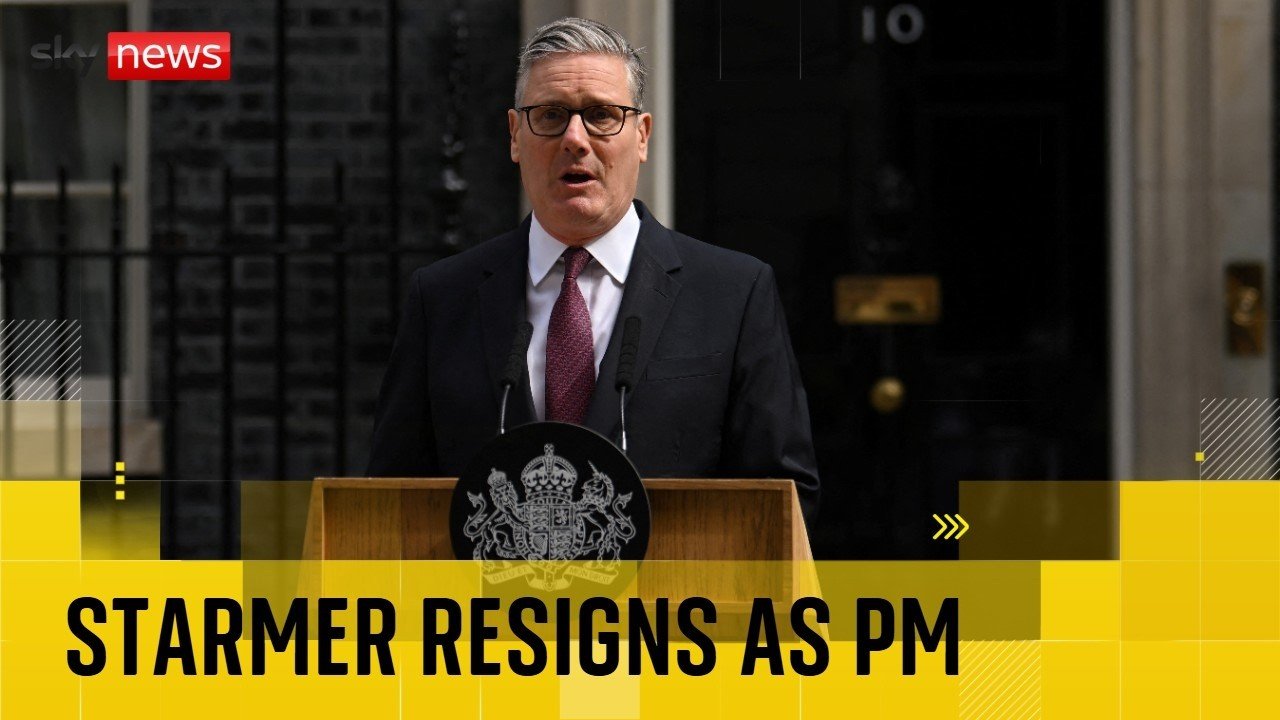
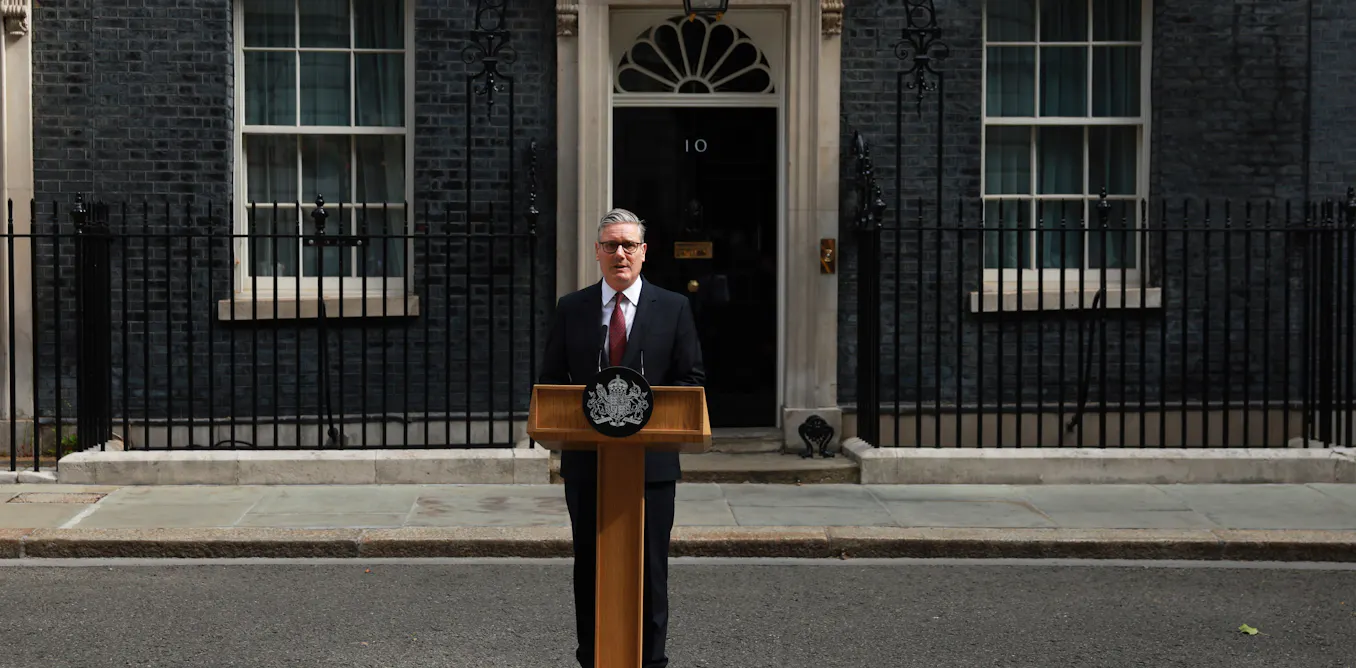

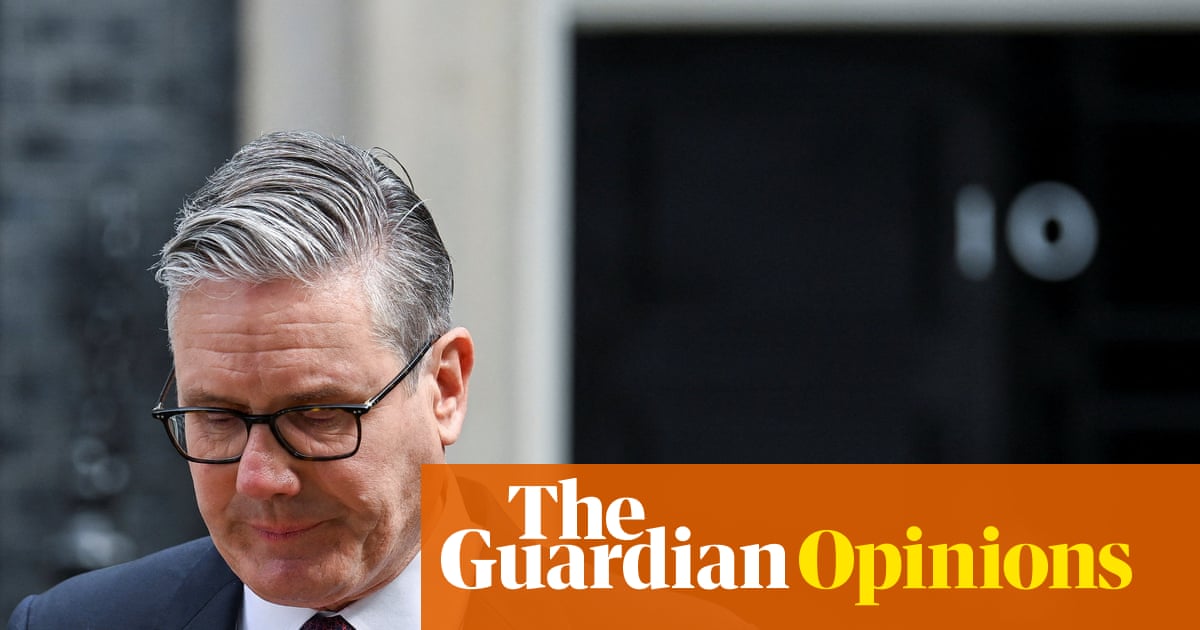
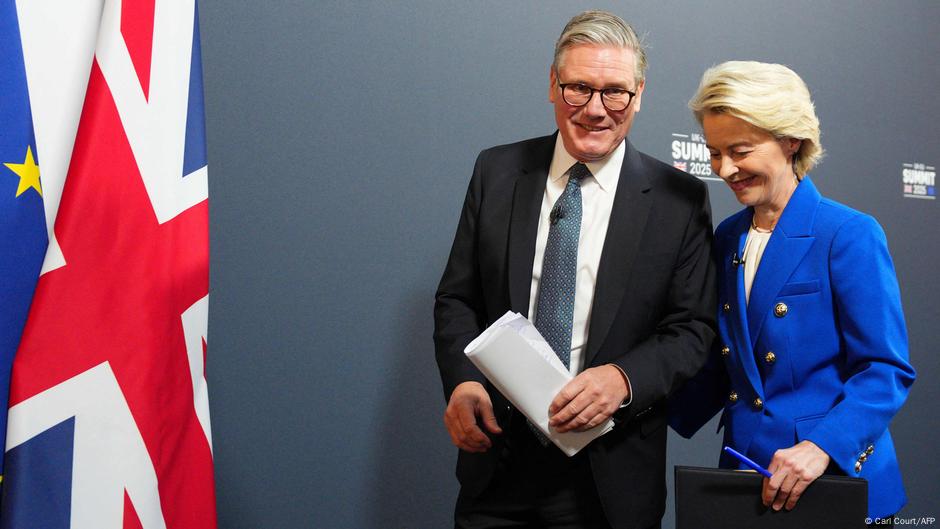
British Prime Minister Keir Starmer announced on Monday that he will resign as leader of the Labour Party, triggering a leadership contest that could install a new prime minister within weeks. He said he would remain in office as caretaker prime minister until a successor is chosen.
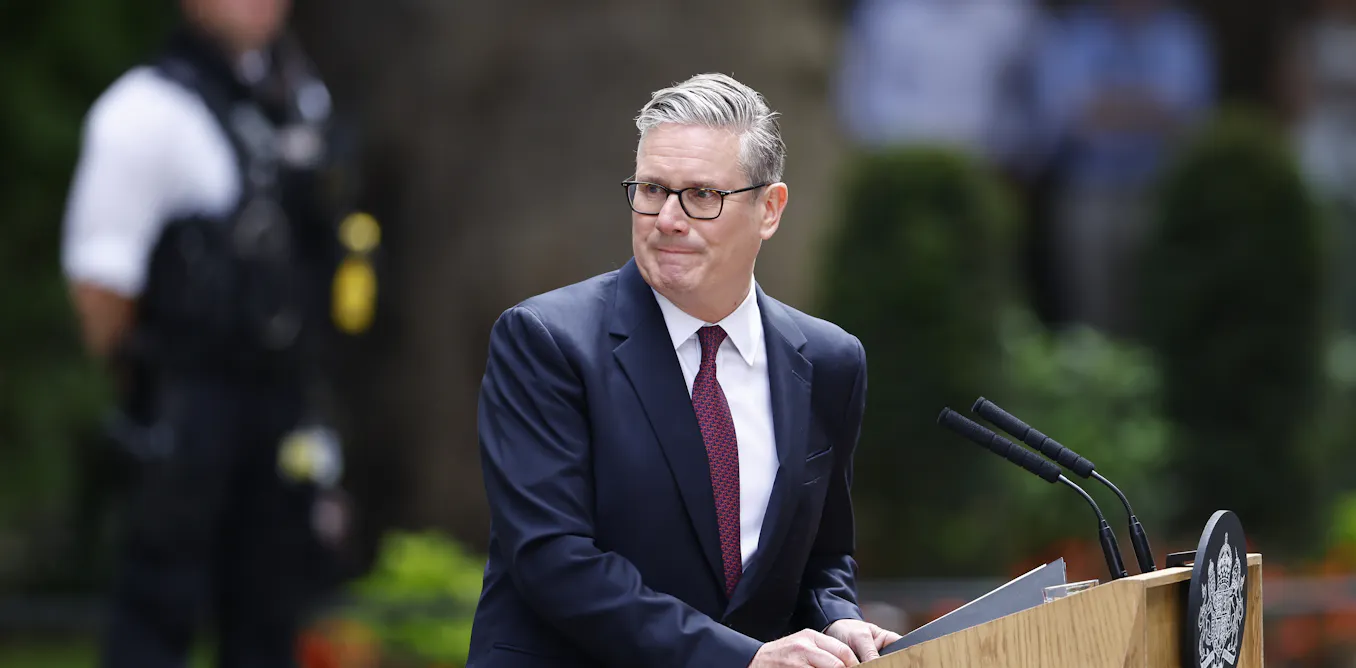
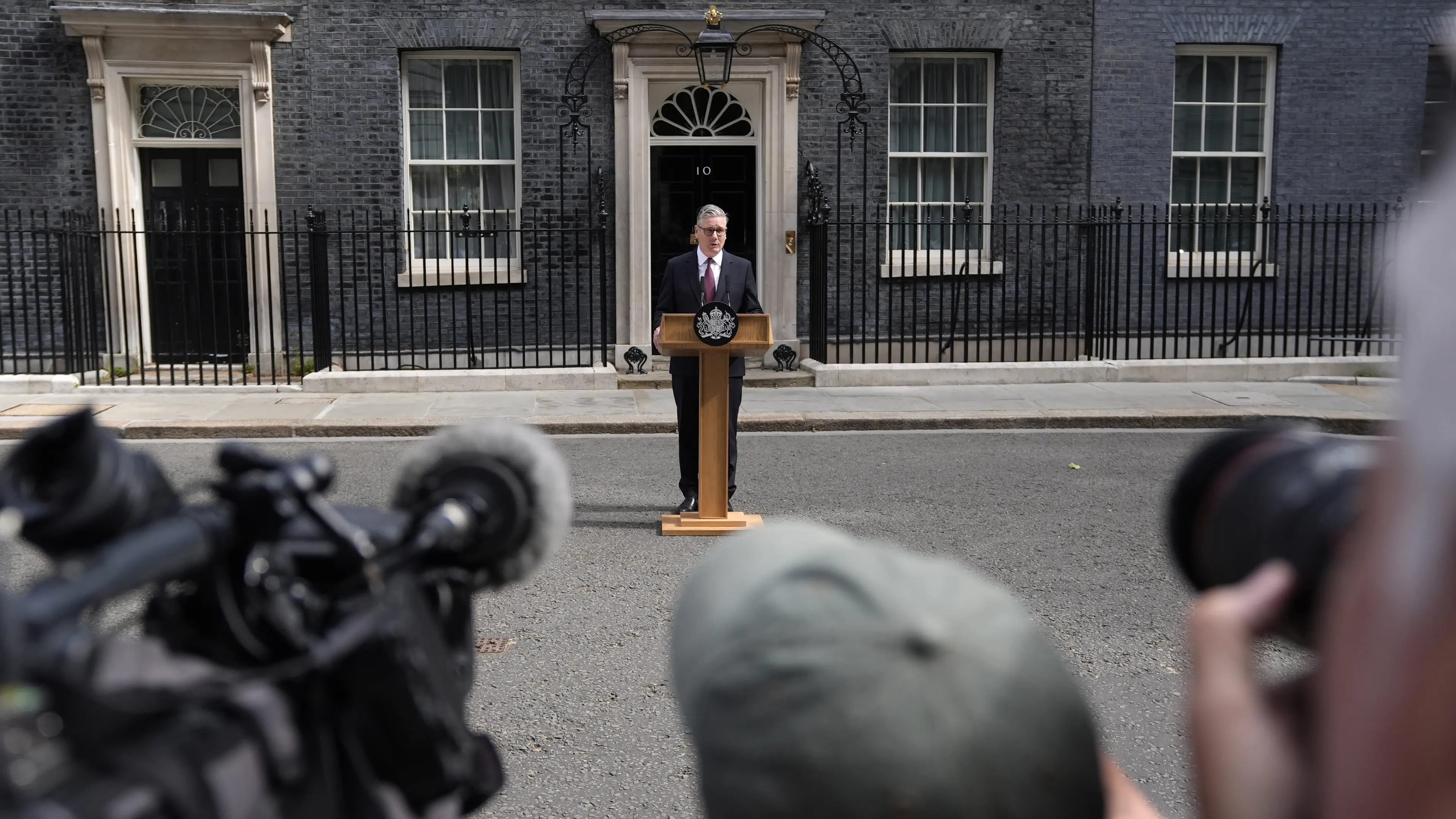
In an emotional statement outside 10 Downing Street, Starmer said his party no longer believed he was the right person to lead Labour into the next general election. His departure comes less than two years after Labour won a landslide victory, but after months of rising internal pressure and worsening political conditions.
Pressure inside Labour
Starmer’s authority eroded sharply amid a series of political setbacks, including backlash over domestic policy decisions and a damaging scandal around his appointment of Lord Peter Mandelson as ambassador to the United States. The fallout deepened mistrust within the party and contributed to resignations among senior staff.
Labour’s losses in May’s local and municipal elections further intensified the revolt, with Reform UK under Nigel Farage making major gains and sharpening doubts about Starmer’s leadership. Public frustration also grew over unpopular measures such as cuts to winter fuel support for older people and contentious tax rises.
A look back at the events leading up to Starmer’s resignation
The prime minister’s authority eroded rapidly due to a combination of policy missteps and political scandals:
- The Mandelson Scandal: Starmer faced catastrophic backlash for appointing Lord Peter Mandelson as the UK ambassador to the United States, despite warnings about Mandelson’s close, deep ties to convicted sex offender Jeffrey Epstein. The fallout led to senior staff resignations and a severe loss of trust.
- Electoral Obliteration: The Labour Party suffered devastating losses in the May 2026 local and municipal elections, driven by the rapid ascent of Nigel Farage’s populist-right Reform UK party.
- Domestic Policy Backlash: Unpopular decisions to cut winter fuel allowances for the elderly and implement contentious tax hikes severely damaged Starmer’s public approval ratings, which plummeted to historic lows.
- The Final Blow: Former Greater Manchester Mayor Andy Burnham won a decisive parliamentary by-election in Makerfield, returning to Westminster with massive momentum to mount an immediate leadership challenge.
Market reactions
Financial markets initially reacted cautiously, with sterling slipping and gilt yields ticking higher before stabilizing as investors viewed Starmer’s resignation as a step toward an orderly transition. Reuters later reported that the pound and UK government bonds recovered somewhat after the announcement, while the FTSE 100 remained little changed.
Burnham emerges
Andy Burnham, the former Greater Manchester mayor and now MP for Makerfield, has emerged as the clear frontrunner to succeed Starmer. BBC and Reuters reporting indicate Burnham has already confirmed he will stand, while former Health Secretary Wes Streeting has stepped aside and endorsed him.
Burnham’s victory in the Makerfield by-election gave him a strong political launch pad and renewed momentum inside Labour. If he ends up unopposed, party officials could bypass a full contest, potentially allowing him to be invited by King Charles to form a government as soon as mid-July.
What happens next
Labour is expected to open nominations for its leadership contest on July 9, with the window closing on July 16. Candidates will need the backing of at least 20% of Labour MPs — 81 lawmakers — to get onto the ballot.
If more than one candidate qualifies, party members will vote over the summer, with a new leader expected to be in place before Parliament returns on September 1. That would make the next leader Britain’s seventh prime minister in a decade, underscoring the volatility that has defined recent UK politics.