After years of corporate upheaval and the long decline of its cable television business, Warner Brothers Discovery (WBD) found itself up for sale after an unexpected takeover bid from Paramount Skydance triggered a broader auction that also drew in Comcast. Netflix, meanwhile, saw a rare chance to buy a storied library of intellectual property and strengthen its already dominant position in streaming.
Netflix agreed to acquire WBD’s film and television studios, HBO, HBO Max and DC Studios in a cash-and-stock deal valued at $72billion in equity and $82.7billion in enterprise value. The deal gives Netflix control of one of Hollywood’s most valuable content libraries while outbidding Paramount, Skydance and Comcast in the process.
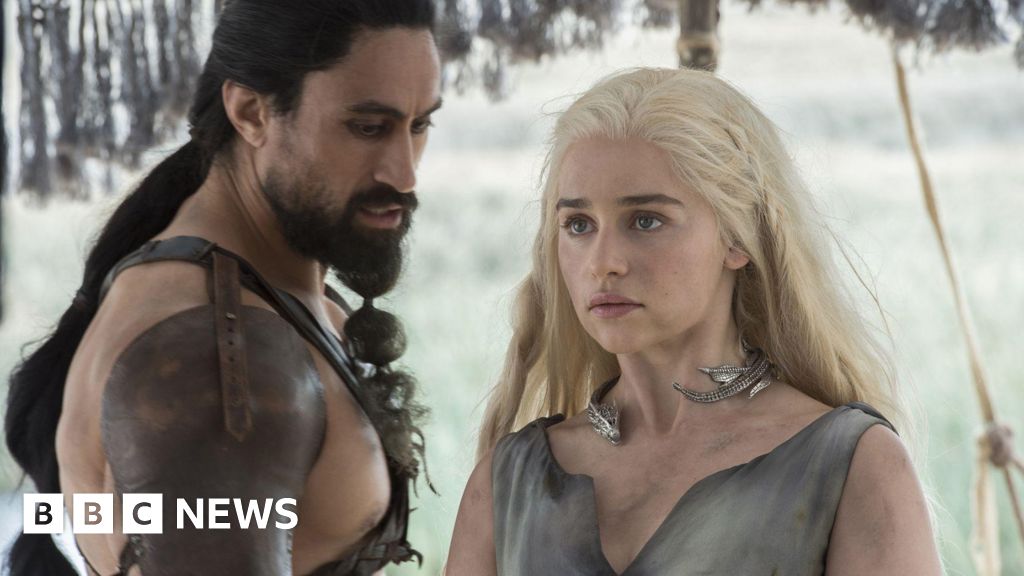
Warner’s best-known franchises — including Harry Potter, Game of Thrones, The Wizard of Oz, DC, Friends, The Sopranos and The Big Bang Theory — would join Netflix’s catalog alongside originals such as Stranger Things and Squid Game.
Warner’s film and TV studios would still be allowed to release movies theatrically and license some shows to third parties, while Netflix would keep its own in-house productions as streaming exclusives.
Discovery splits off
The deal covers Warner’s TV/film production, HBO, HBO Max, and DC Studios but excludes the linear networks.
Those assets — including CNN, TNT and Discovery — are expected to be spun off into a separate public company called Discovery Global by the third quarter of 2026. That would leave Netflix with the studios and streaming assets, while the declining cable business is carved away from the rest of the company.
Why Netflix moved
The acquisition marks a sharp pivot for Netflix, which historically built its business as a “builder” of original content rather than a buyer of legacy studios. By taking control of Warner’s library, Netflix gains a deep catalog of franchise IP and reduces its dependence on outside studios and licensing deals.
Netflix expects the transaction to generate $2billion to $3billion in annual cost savings once it closes. Supporters say that could make the company stronger and more efficient, while critics argue it would further consolidate power in Hollywood.
If I was tasked with doing so, I could not think of a more effective way to reduce competition in Hollywood than selling WBD to Netflix.
Jason Kilar (former WarnerMedia CEO)
Regulatory and industry pushback
The merger has sparked debate, with some viewing it as a transformative powerhouse boosting content options. Netflix, historically a “builder” of original content rather than a major acquirer, is making a significant pivot to gain a vast, established library of multi-generational franchises and reduce reliance on outside studios.
Others in Hollywood call it a potential disaster for competition and creativity. It could reshape streaming by consolidating major libraries under one platform.
An open letter submitted to Congress by key industry players has sounded the alarm, cautioning that it might lead to a catastrophic economic collapse in Hollywood. The anonymous filmmakers asserted that Netflix would “effectively hold a noose around the theatrical marketplace,” effectively shrinking the cinematic footprint and slash the licensing revenue collected during post-theater releases.
The world’s largest streaming company swallowing one of its biggest competitors is what antitrust laws were designed to prevent. The outcome would eliminate jobs, push down wages, worsen conditions for all entertainment workers, raise prices for consumers, and reduce the volume and diversity of content for all viewers. Industry workers along with the public are already impacted by only a few powerful companies maintaining tight control over what consumers can watch on television, on streaming, and in theaters. This merger must be blocked.
The Writers Guild of America
The deal still needs regulatory approval and is likely to face intense antitrust scrutiny from the Trump administration. Trump said he would be personally involved in the review and has praised Netflix CEO Ted Sarandos, but he also warned the combined company’s market share “could be a problem”.
Read also: Paramount Skydance’s $108.4b counter-bid for Warner Bros Discovery