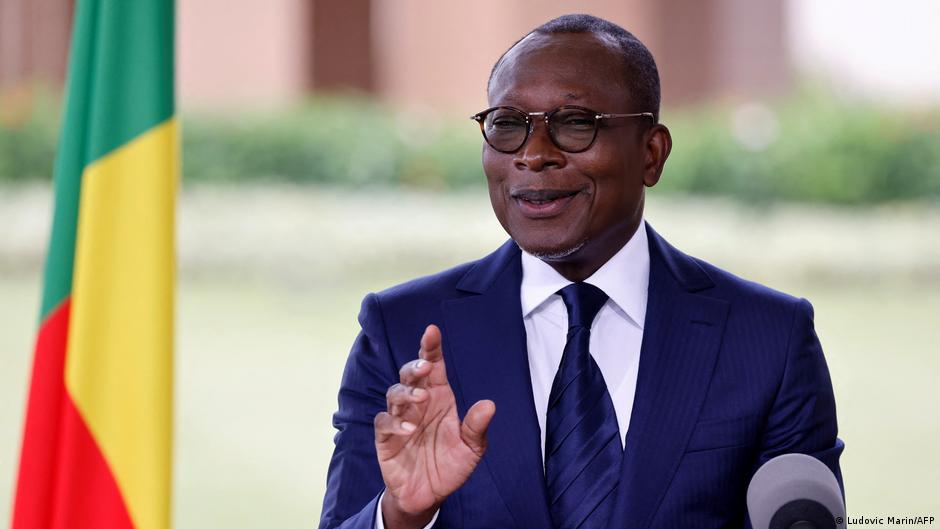
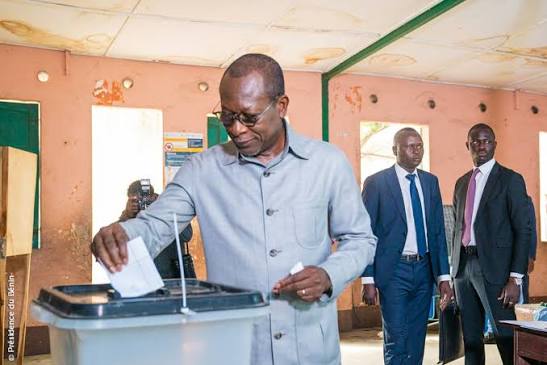
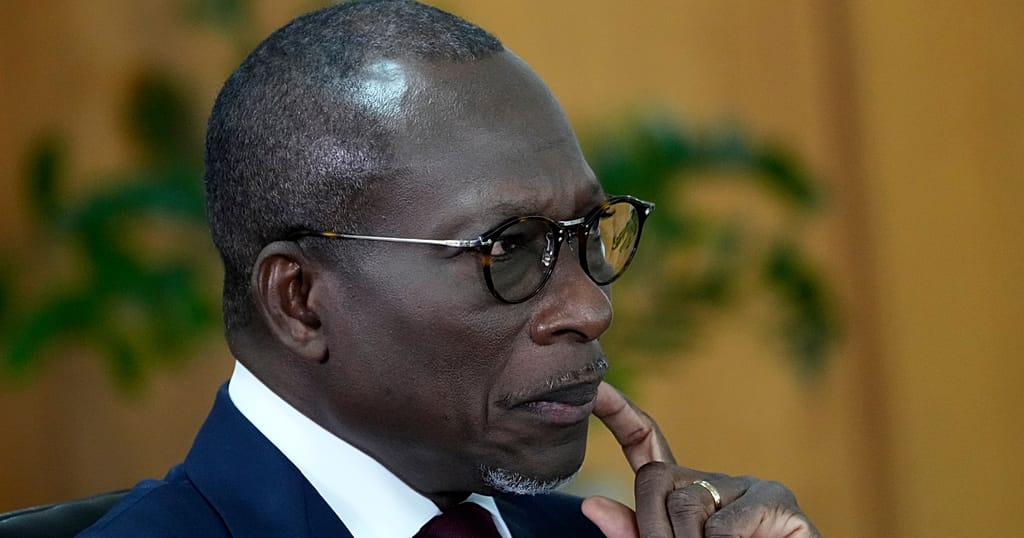
In Benin’s parliamentary elections held on 11 January 2026, the ruling coalition secured a complete sweep of the National Assembly, winning all 109 seats and eliminating opposition representation. The result significantly strengthens President Patrice Talon’s position ahead of the presidential election scheduled for 12 April 2026.
A clean sweep
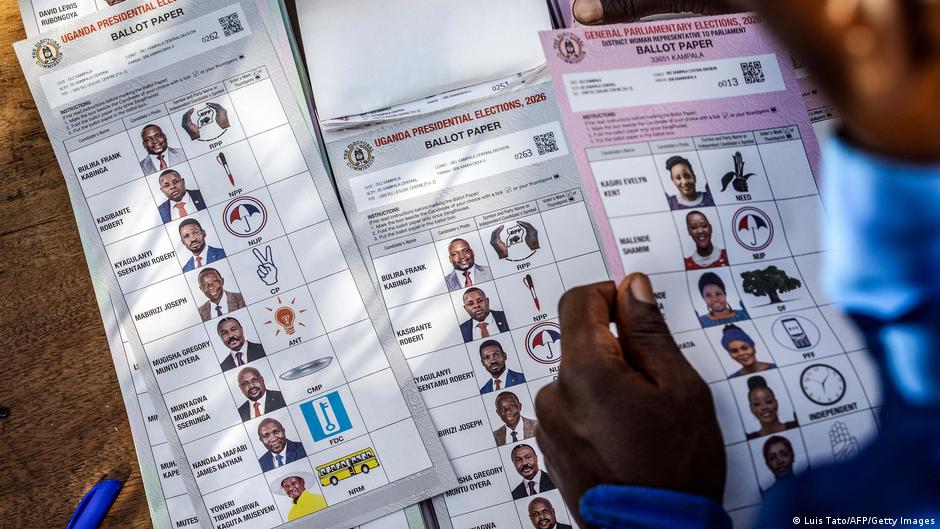
Five parties contested the legislative elections, including three aligned with the government and two from the opposition. However, only two pro-government parties—the Progressive Union Renewal (UPR) and the Republican Bloc (BR)—met the country’s stringent electoral thresholds, which require at least 20% of the national vote and 20% in each of the 24 electoral districts.
UPR secured 60 seats with 41.15% of the vote, while BR won 49 seats with 36.64%. All opposition parties, including The Democrats (LD), failed to meet the thresholds and lost their parliamentary representation. Critics, particularly from opposition ranks, argue that the electoral framework is structurally exclusionary.
A vote under tension
Voter turnout was reported at 36.73%, marking a slight decline from the 2023 legislative elections. The vote took place in a tense environment, just weeks after a foiled coup attempt on 7 December 2025. Despite these conditions, the election was widely described as peaceful by the government and international observers, including ECOWAS.
Rules rewritten
The elections followed major constitutional amendments passed in November 2025. These reforms extend both parliamentary and presidential terms from five to seven years and establish a new Senate, with some members including former presidents.
While authorities have framed these changes as efforts to strengthen institutional continuity, critics argue they may entrench political influence beyond formal mandates. The newly elected 10th Legislature was inaugurated on 8 February 2026 in Porto-Novo and is expected to begin implementing these reforms.
Growing disconnect
The campaign revealed a growing disconnect between macroeconomic performance and everyday economic realities. The government emphasized strong growth — estimated at around 7.5% —and favorable credit ratings, while opposition groups focused on rising living costs, inflation, and declining purchasing power.
Labor issues also featured prominently, with criticism of employment reforms viewed as weakening worker protections and limiting the right to strike. At the same time, opposition parties and civil society organizations raised concerns about shrinking civic space, citing high financial barriers to candidacy, strict electoral thresholds, and the use of the Digital Code to regulate dissent.
Security and stability
Security concerns played a central role in shaping voter sentiment. The spillover of jihadist violence from Burkina Faso and Niger has increasingly affected northern Benin, leading to more than 27,000 internally displaced persons and around 30,000 refugees by late 2025. Against this backdrop and in the wake of the December coup attempt, the ruling coalition campaigned on maintaining stability and preventing further unrest.
All eyes on April
Attention now shifts to the presidential election on 12 April 2026. With full control of the National Assembly, the ruling coalition holds all the sponsorships required for presidential candidates, giving it decisive influence over who can contest the vote. Finance Minister Romuald Wadagni is widely seen as the frontrunner to succeed President Talon.
The opposition faces significant constraints. Without parliamentary representation, its ability to field candidates may depend on whether the ruling bloc grants access to the necessary sponsorships.
Meanwhile, the new legislature is expected to begin implementing the constitutional overhaul, including the formation of the Senate and preparations for the transition to seven-year electoral cycles. The Constitutional Court is also expected to issue final rulings on any remaining electoral appeals, formally concluding the legislative process and clearing the way for the presidential race to dominate the political calendar.
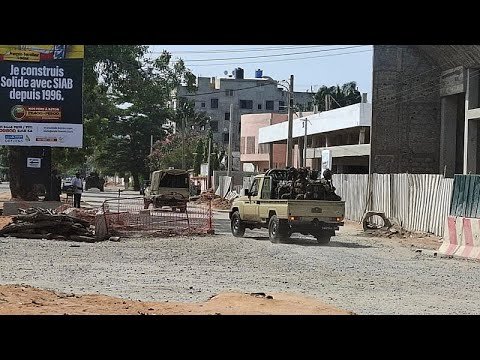
Read also: 2025 Beninese coup attempt