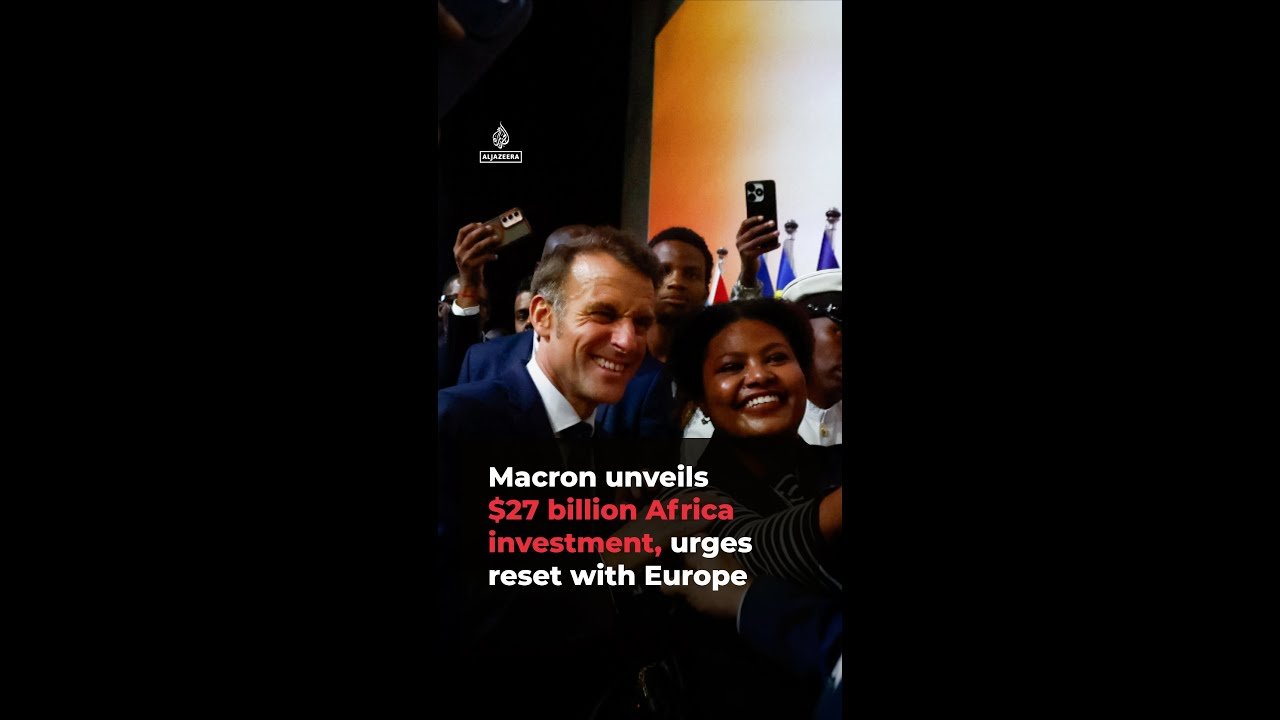
France is trying to pull off one of its biggest foreign-policy resets in decades, unveiling a €23billion investment drive across Africa as it seeks to redefine its role on the continent after losing influence in several longtime strongholds. President Emmanuel Macron has framed the effort as a move away from the old “Françafrique” model and toward what he calls a “partnership of equals”.
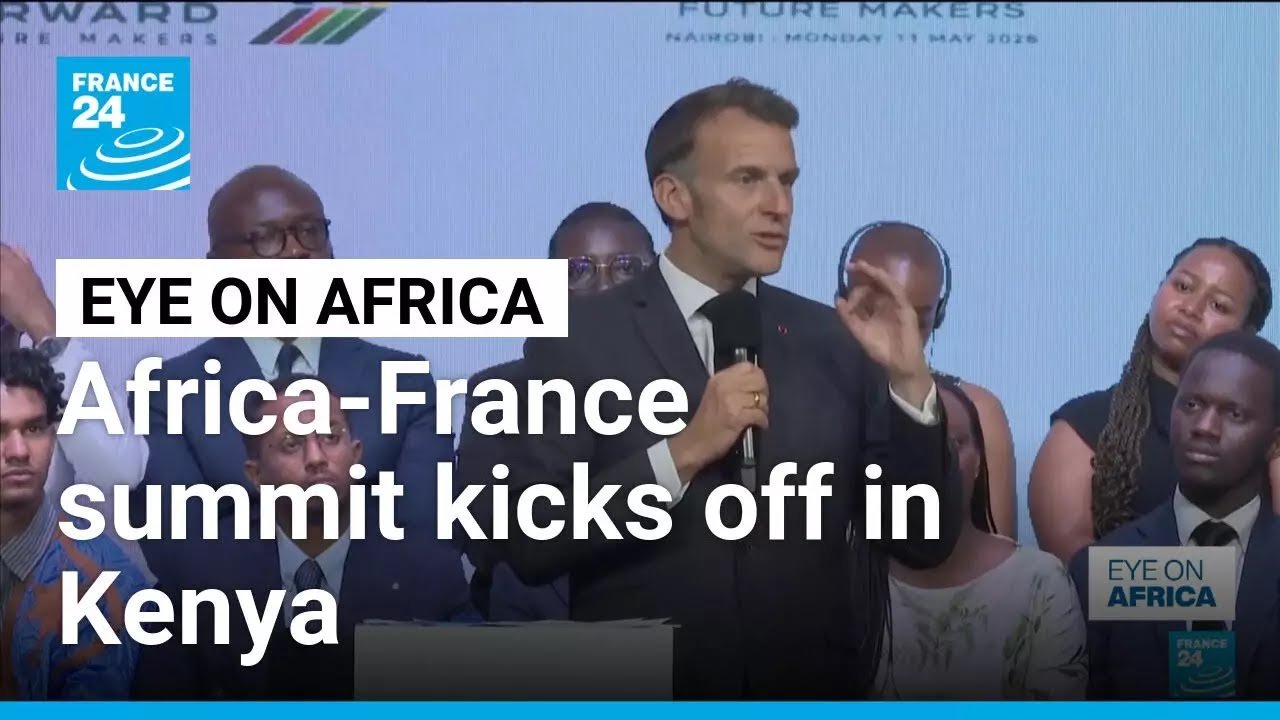
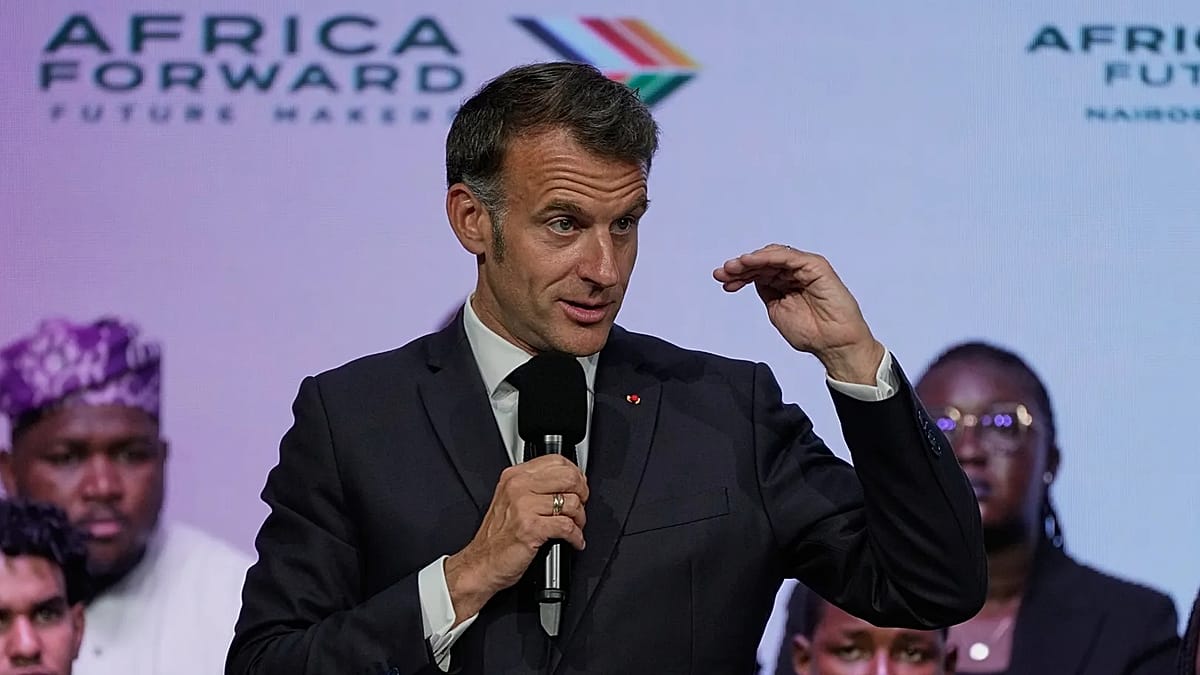
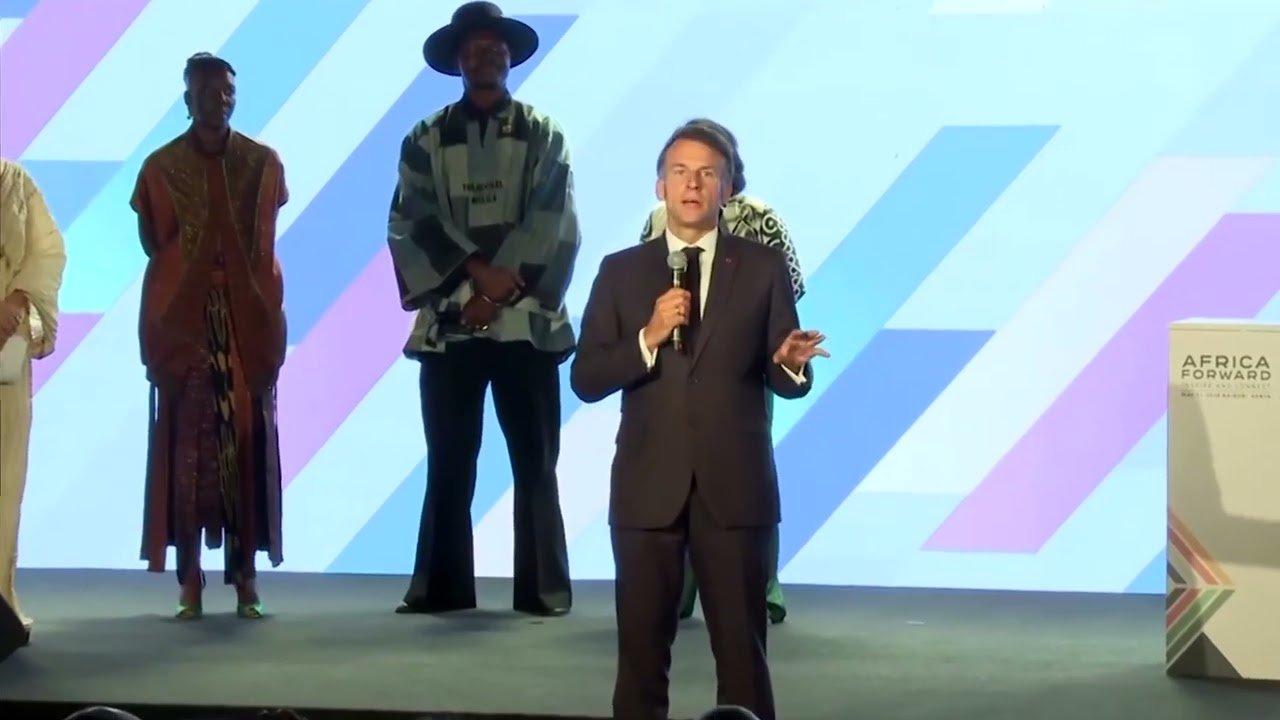
The symbolism of that reset was visible in Nairobi in May 2026, where Macron appeared at the Africa Forward Summit in Kenya — a notable venue choice outside France’s traditional Francophone sphere of influence. During one session, Macron abruptly took the microphone to scold a noisy audience, calling the disruption a “total lack of respect” and insisting the speaker be allowed to continue, a moment that quickly spread online and underscored the tensions surrounding France’s attempt to reintroduce itself to African audiences on new terms.
From Françafrique to “Equal Partnership”
For decades, France maintained deep political, military and economic influence across large parts of West and Central Africa, especially in former colonies tied to Paris through what critics long described as “Françafrique”. But that framework has come under growing pressure as anti-French sentiment intensified and military juntas in Mali, Burkina Faso and Niger pushed French forces out following a wave of coups between 2020 and 2023.
Rather than trying to restore the old order, France is now pitching a different model centered on investment, commercial ties and strategic cooperation. At the Nairobi summit, France and its partners announced more than $11billion in renewable-energy agreements as part of the broader €23billion package, with additional focus on artificial intelligence, agriculture and infrastructure.
Macron’s new approach emphasizes mutual investment, economic collaboration, and African agency — including encouraging African companies to invest in France, a notable reversal of traditional flows of capital and influence.
Billions in Green and Strategic Investments
The focus on green energy reflects both Africa’s growing importance in the global energy transition and Europe’s push to secure sustainable partnerships beyond its borders.
For France, the strategy serves multiple purposes: strengthening economic ties with fast-growing African markets; positioning French firms in future-facing industries like AI and clean energy; and competing more effectively with other global players, including China, the Gulf states, and Turkey.
Strategic Pivot to Anglophone Africa
Hosting the summit in Kenya — an Anglophone country outside France’s traditional sphere of influence — signals a deliberate geographic and diplomatic shift.
France is increasingly targeting partnerships in East Africa, with countries like Kenya and Egypt emerging as key anchors in its new Africa strategy. Alongside economic deals, France has also signed security and defense agreements, including provisions for joint military training.
This marks a more flexible and diversified approach: less reliance on legacy relationships in Francophone West Africa, and more emphasis on building new alliances across the continent.
Security role, reimagined
While France has scaled back its military footprint in the Sahel, it is not retreating from security engagement altogether.
Instead, Paris is repositioning itself as a cooperative partner rather than a dominant force. New defense agreements — such as those with Kenya — focus on training, coordination, and capacity building rather than direct intervention.
This shift reflects both political necessity and strategic recalibration. In regions where French troops once operated unilaterally, local governments are now asserting greater control over security partnerships.
A contested reset
France’s repositioning comes at a time of intensifying global competition in Africa.
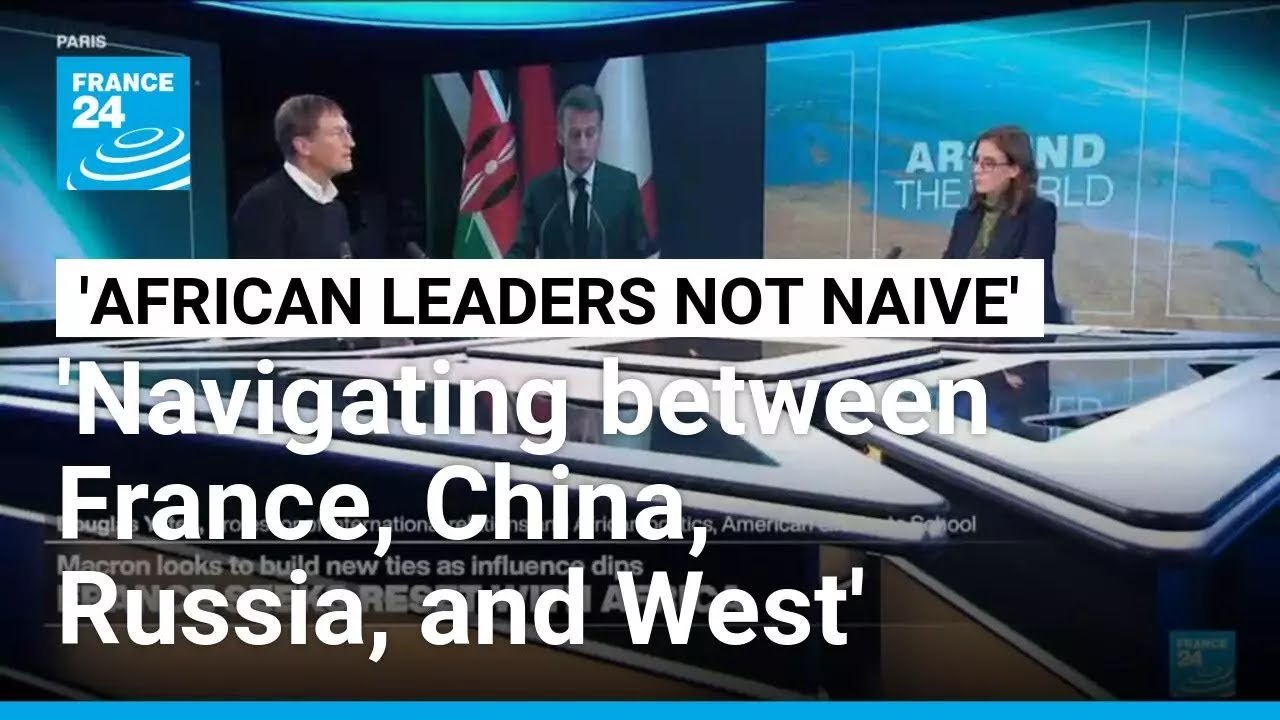
China remains deeply embedded through infrastructure financing, while Russia has expanded its influence in parts of the Sahel. Meanwhile, Gulf states and Turkey are increasing their economic and diplomatic presence.
Against this backdrop, France’s success will depend on whether its “partnership of equals” framing translates into tangible benefits for African economies — and whether it can overcome lingering distrust tied to its colonial past.
The Nairobi summit suggests that France is serious about rewriting the terms of engagement. But the durability of this new strategy will ultimately be tested not in announcements, but in execution — and in how African partners respond.
As Africa’s geopolitical importance continues to rise, France is betting that a reset built on investment, diversification, and diplomacy can secure it a place in the continent’s future — even as its old model fades into history.