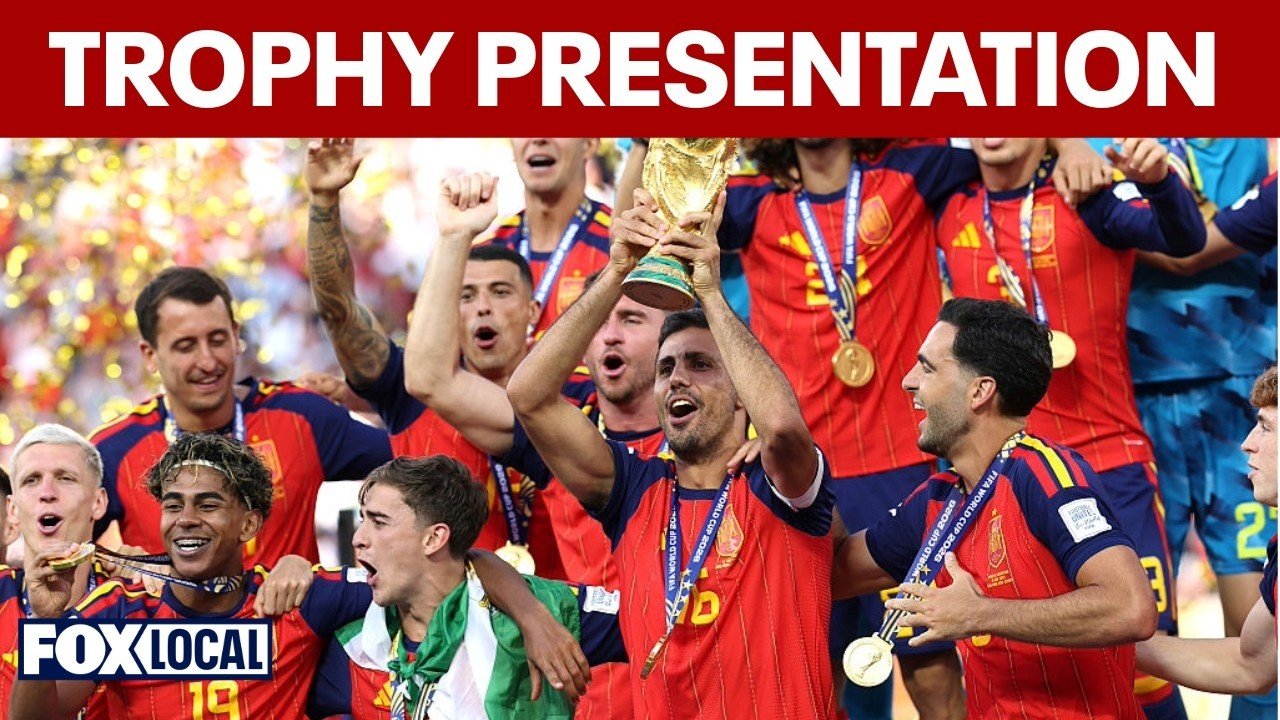
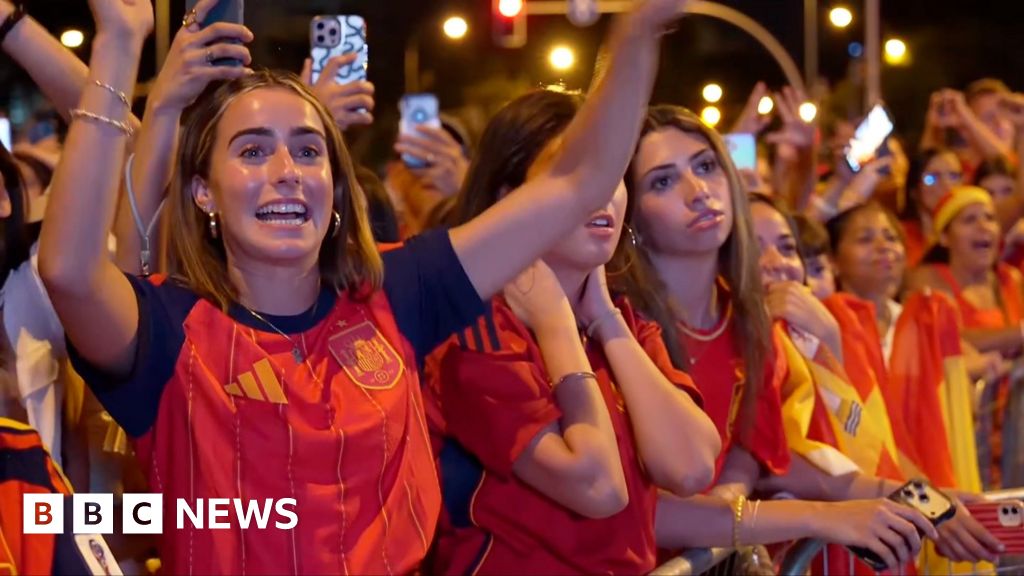

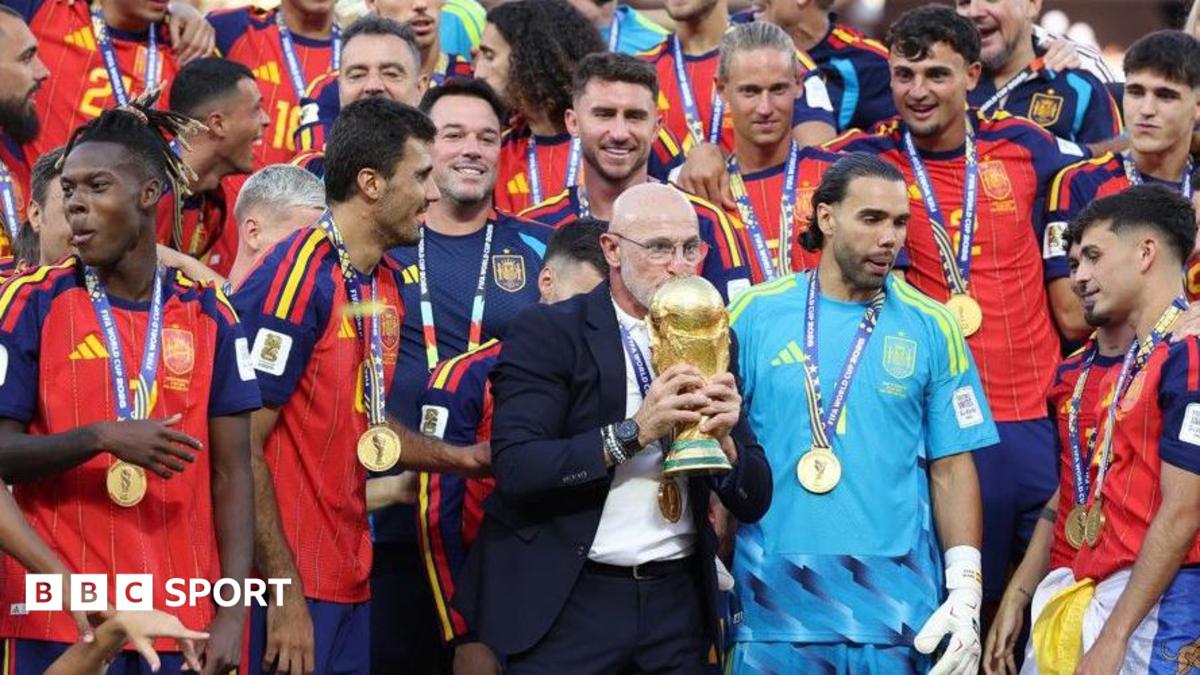


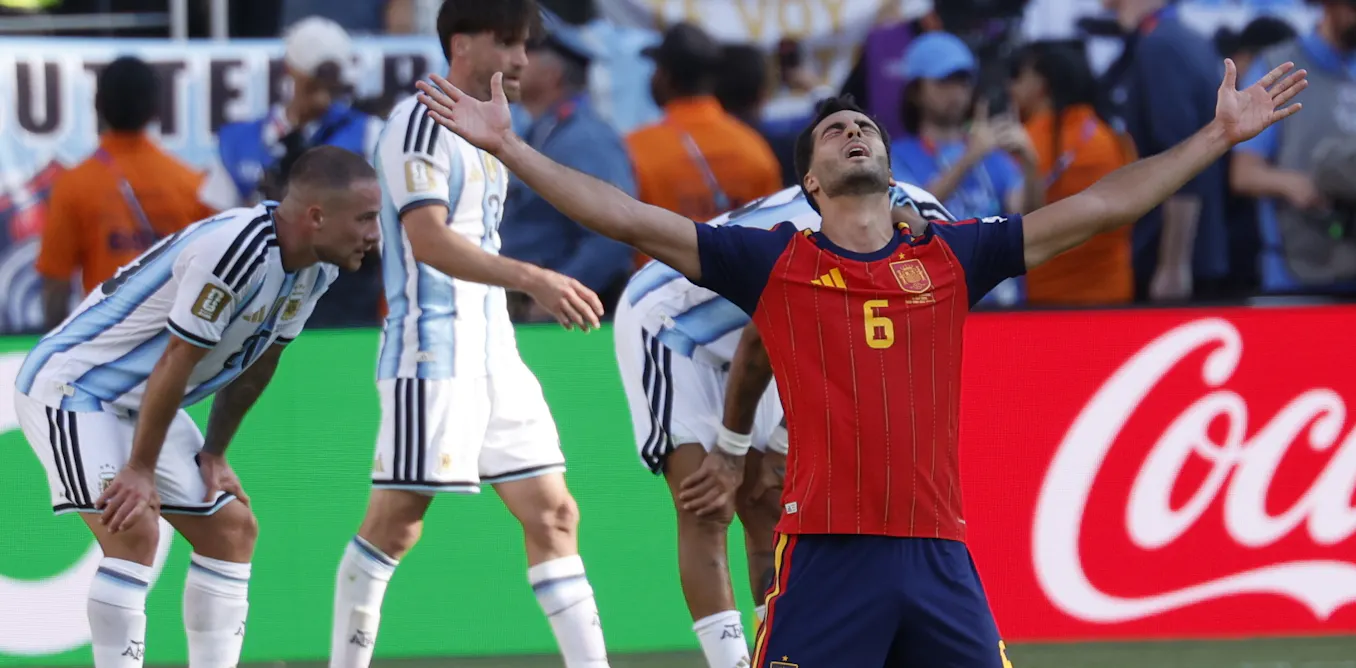


Spain ended a 16-year wait for a second World Cup triumph with a narrow but commanding win over Argentina, reclaiming football’s biggest prize for the first time since their 2010 victory in South Africa. The final, played in front of a capacity crowd at MetLife Stadium in the United States, remained goalless through 90 minutes before being decided deep into extra time.
Substitute Ferran Torres delivered the decisive moment in the 106th minute, rising to meet a precise cross from Nico Williams and heading past the Argentine goalkeeper. The goal capped a sustained period of Spanish pressure and ultimately settled a match in which La Roja controlled proceedings for long stretches.
Spanish control, Argentine frustration
Spain dictated the tempo throughout, finishing with approximately 68 percent possession and limiting Argentina to no shots on target — a remarkable defensive performance against the reigning champions. Their structured midfield, anchored by Rodri, and disciplined defensive line neutralised Argentina’s attacking threats and prevented any sustained momentum.
Argentina, who entered the final aiming to defend their 2022 title, struggled to break through Spain’s compact shape. Their approach grew increasingly physical as the match wore on, reflecting mounting frustration at their inability to create clear chances.
Late flashpoints and red card
Tensions escalated in the closing stages of extra time. Argentina’s Enzo Fernández was sent off during stoppage time, reducing his side to 10 men and effectively ending any hopes of a comeback. Moments after the final whistle, tempers boiled over into a brief on-pitch confrontation reportedly sparked by Leandro Paredes, underlining the intensity of the contest.
Individual honours sweep
Spain’s dominance extended beyond the final result, as they swept the tournament’s major individual awards:
- Rodri was named Golden Ball winner as the tournament’s best player, reflecting his central role in Spain’s control of matches.
- Unai Simón claimed the Golden Glove after conceding just one goal throughout the tournament, highlighting Spain’s defensive solidity.
- Pau Cubarsí was awarded Best Young Player, signalling the emergence of a new generation within the Spanish squad.
A generational statement
The victory marks a significant milestone for Spain’s evolving squad, blending established leadership with emerging talent. Their performances throughout the tournament were characterised by possession-based control, defensive discipline, and tactical maturity — a formula that culminated in one of the most statistically dominant finals in recent World Cup history.
For Argentina, the defeat ends their reign as world champions, while Spain’s triumph signals a resurgence on the global stage and the possible start of a new era in international football.