.JPG?branch=production)
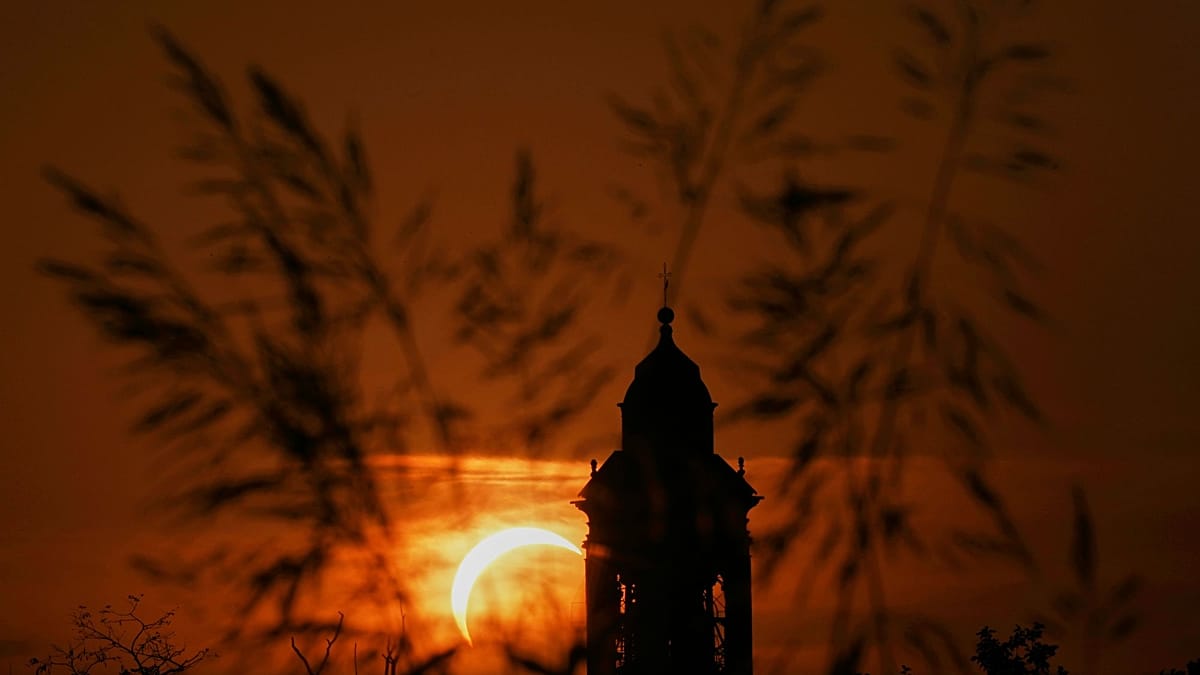
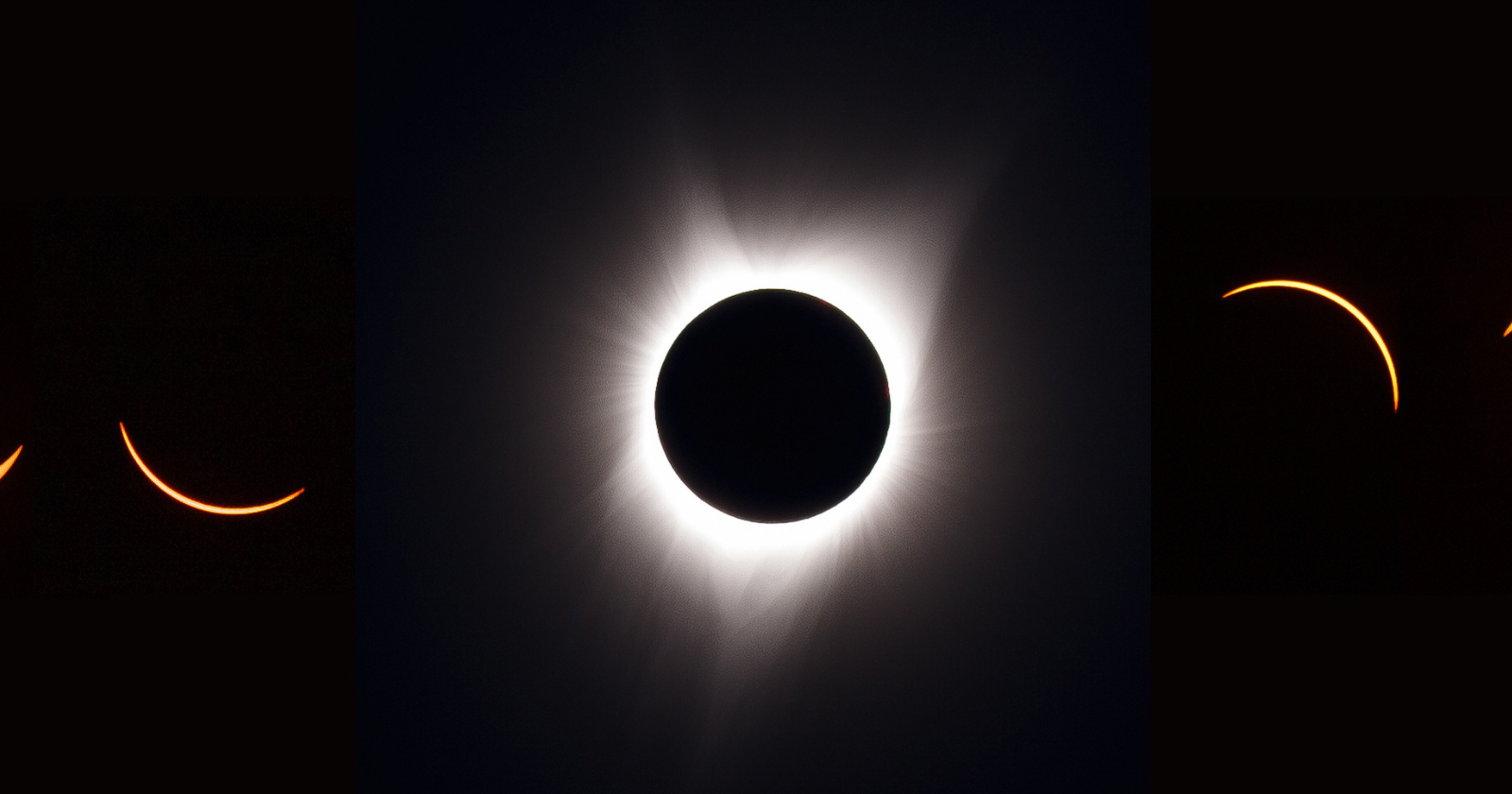



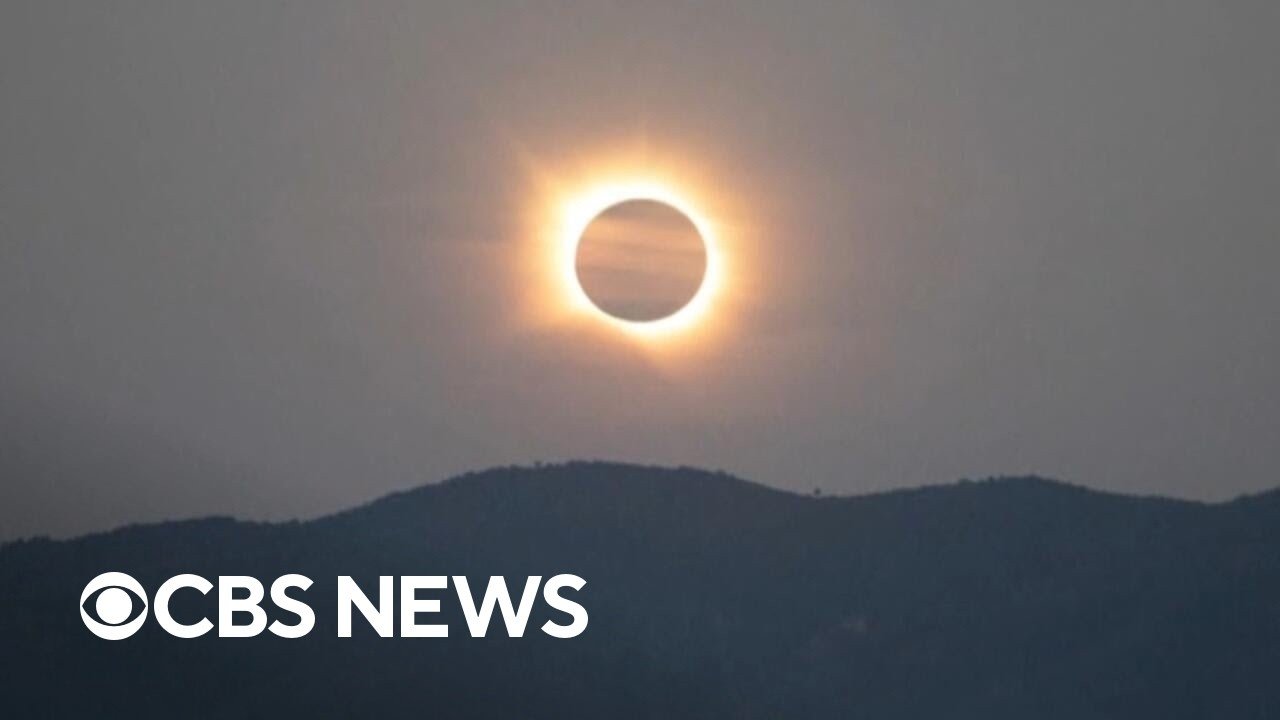
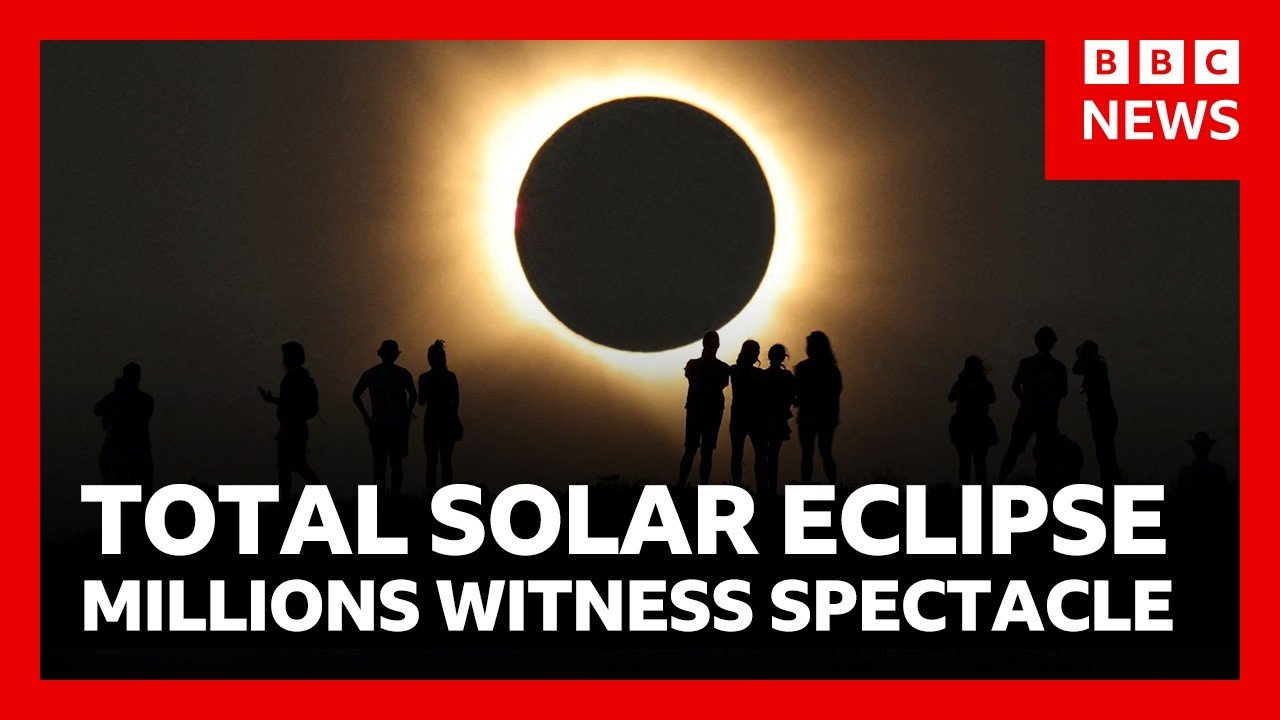
On 12 August 2026, Europe experienced its first total solar eclipse in 27 years.
As the Moon’s shadow swept across the Arctic, Greenland, Iceland, and northern Spain, daylight faded for spectators. Millions of skywatchers briefly witnessed the event.
During the solar eclipse, the event began in northern Russia at 1 pm Eastern Time. It reached northeast Greenland about half an hour later and crossed the Atlantic for 45 minutes. It arrived in Spain at approximately 2:30 pm ET.
The entire event lasted about 4.4 hours, with the umbra racing along its 8,260-kilometer course in roughly 1.5 hours.
This was the first total solar eclipse visible from mainland Western Europe since 1999, and the first for mainland Spain in more than a century. The 2026 eclipse is also notable for occurring just before the peak of the annual Perseid meteor shower, adding to the celestial spectacle.
The path of totality: A narrow band of darkness
The Moon’s umbral shadow traced a narrow corridor—roughly 180 miles (290 kilometers) wide and 5,100 miles long—across the Northern Hemisphere. This path began in northern Russia, crossed the Arctic Ocean, passed over eastern Greenland, then western Iceland, before reaching the Iberian Peninsula and ending at sunset over Spain’s Mediterranean coast and the Balearic Islands.
Maximum totality—lasting 2 minutes and 18 seconds—occurred over the North Atlantic, just off Iceland’s western coast.
Iceland: First total eclipse since 1954
Iceland experienced its first total solar eclipse since 1954, with the capital, Reykjavik, seeing totality at 5:48 p.m. local time (GMT) for about 60 seconds. The Snæfellsnes peninsula enjoyed a longer duration of up to 2 minutes and 10 seconds.
Spain: A sunset spectacle
The solar eclipse reached northern Spain before sunset, as A Coruña and Bilbao entered totality around 8:28 p.m. local time. León, Soria, and Mallorca also saw totality lasting between 1 minute 36 seconds and 1 minute 45 seconds.
However, Madrid and Barcelona, though outside the path of totality, experienced a partial eclipse with 99.9% and 99.8% obscuration, respectively.
Greenland and Portugal
Eastern Greenland, including Scoresby Sund, saw up to 1 minute 46 seconds of totality in the late afternoon. A tiny sliver of extreme northeastern Portugal also clipped the path of totality, marking a rare celestial event for the region.
Partial Eclipse Across Europe
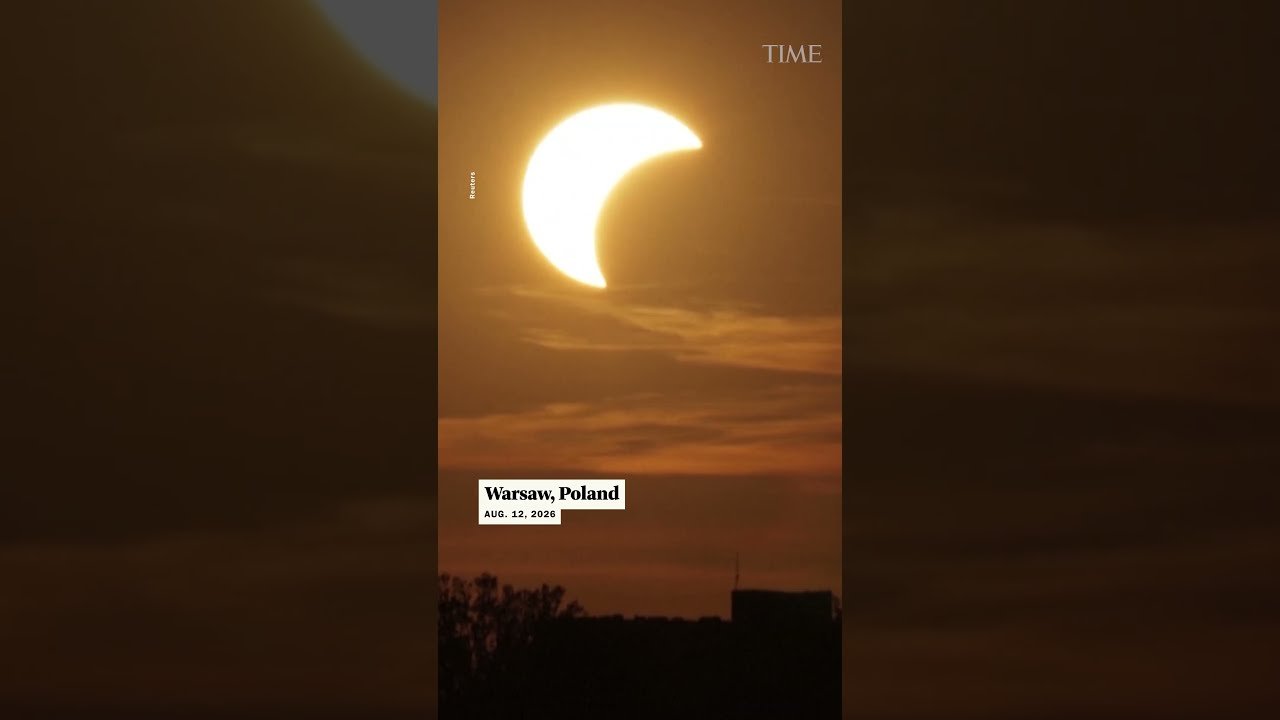
During the solar eclipse, only a narrow band experienced total darkness. Much of Europe witnessed a spectacular partial eclipse. People across many cities observed substantial shading of the sun. The event brought a dramatic display of sunlight and shadow across the continent.
In the United Kingdom, London saw 91% of the Sun obscured during the event. Edinburgh, Cardiff, and Belfast reached 91–93%. Dublin experienced 94% obscuration, while Paris saw 92%. This regional variation underscored the path of totality.
Major crowds gathered in cities like London, Paris, and Brussels, many equipped with protective eyewear, to watch the Moon gradually cover the Sun.
Visual legacy
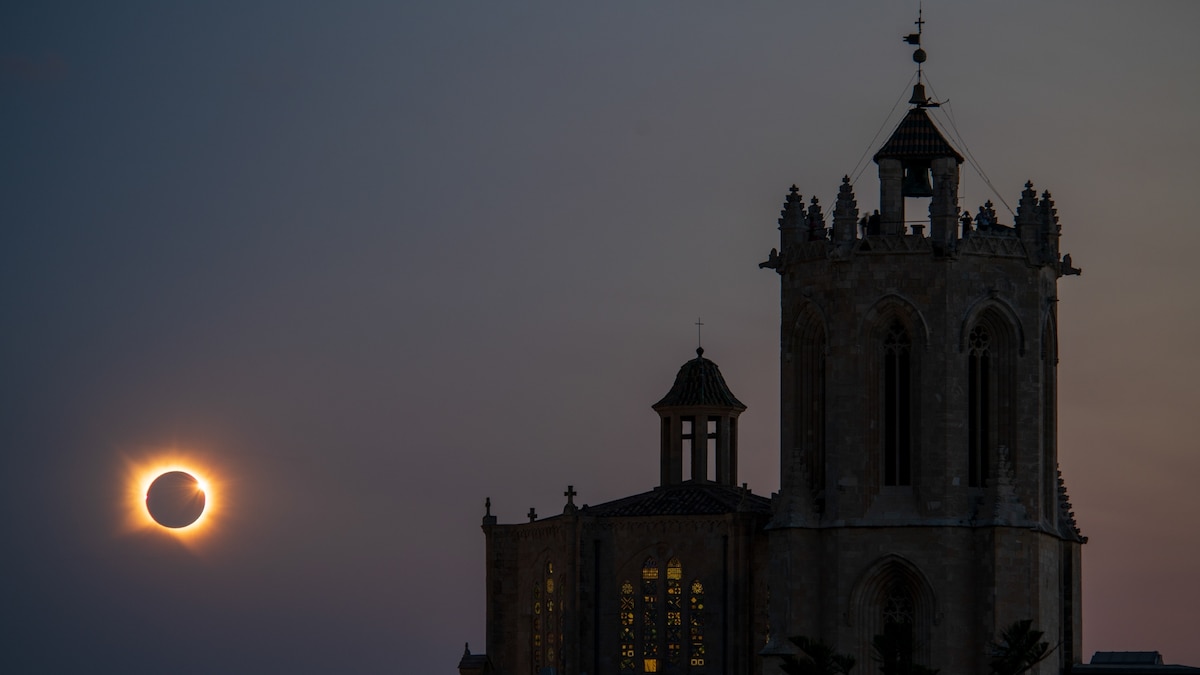
From Iceland to Spain, crowds were dazzled by the rare event, with photographers capturing dramatic images of the eclipsed Sun against twilight skies. The eclipse’s timing near sunset in Spain offered particularly striking photographic opportunities, as the darkened Sun hung low on the horizon.