In mid-March 2025, North America was hit by two major storm systems: an early March blizzard from March 4 to 6 and Winter Storm Nyla from March 17 to 21. Together, they brought a mix of blizzard conditions in the north, severe tornadoes in the south, power outages, wildfires and widespread travel disruption.
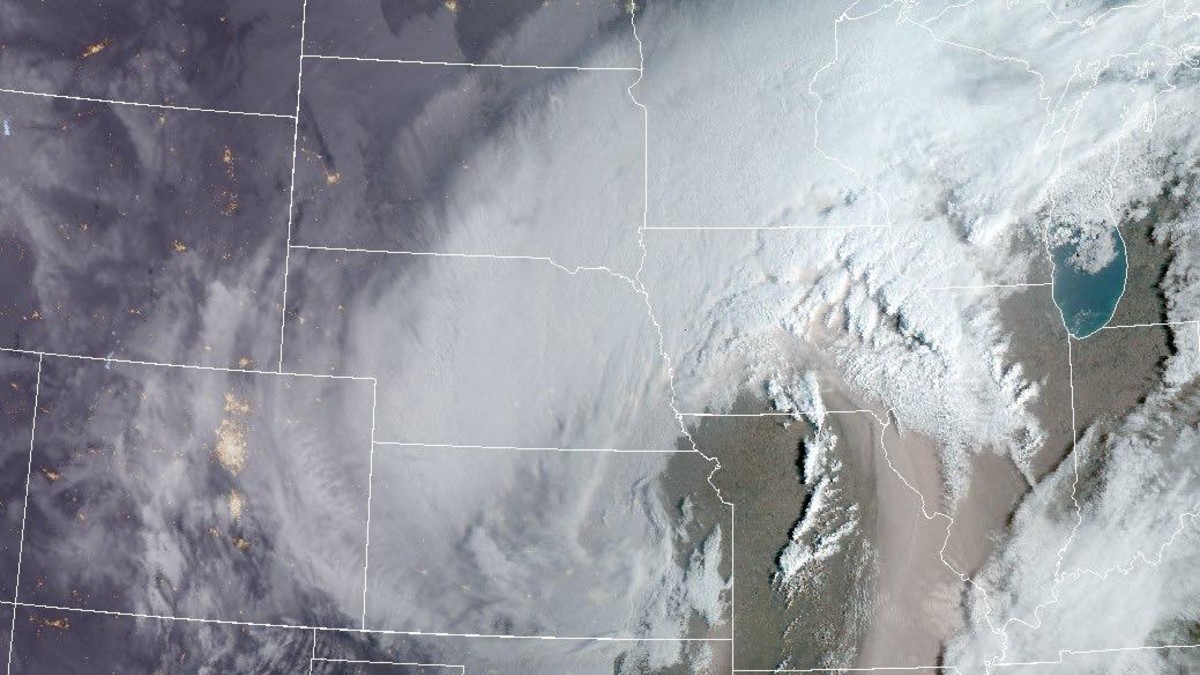
The first system was a powerful extratropical cyclone that hit the Midwest and Great Plains hard. Marquette, Michigan, recorded as much as 24 inches of snow on March 5, while violent wind gusts reached 105 mph in Haltom City, Texas, and 93 mph near Hugoton, Kansas.
The storm was blamed for at least six deaths, including three in Nebraska and three in Mississippi, and caused an estimated $2.5billion in damage. It also triggered a tornado outbreak of 39 tornadoes between March 3 and 6, while major highways such as I-35 and I-80 were shut down by pileups and near-zero visibility.
Winter Storm Nyla
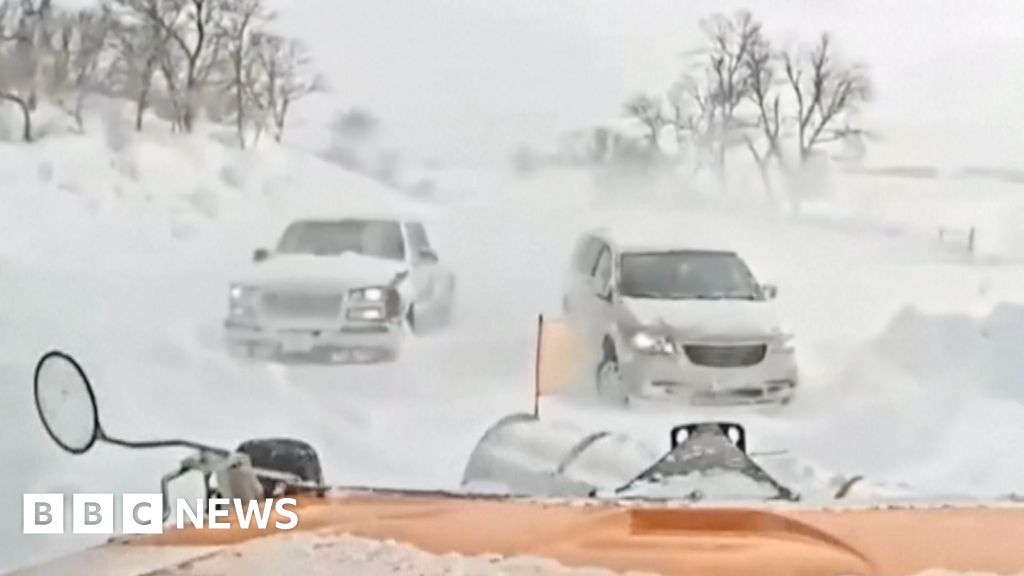
Winter Storm Nyla began on March 17 and swept across the High Plains and Midwest with a narrow band of heavy snow from Kansas to Wisconsin. Snow fell at rates of 1 to 2 inches per hour in some areas, cutting visibility to almost nothing and creating blizzard conditions in parts of the Upper Midwest.
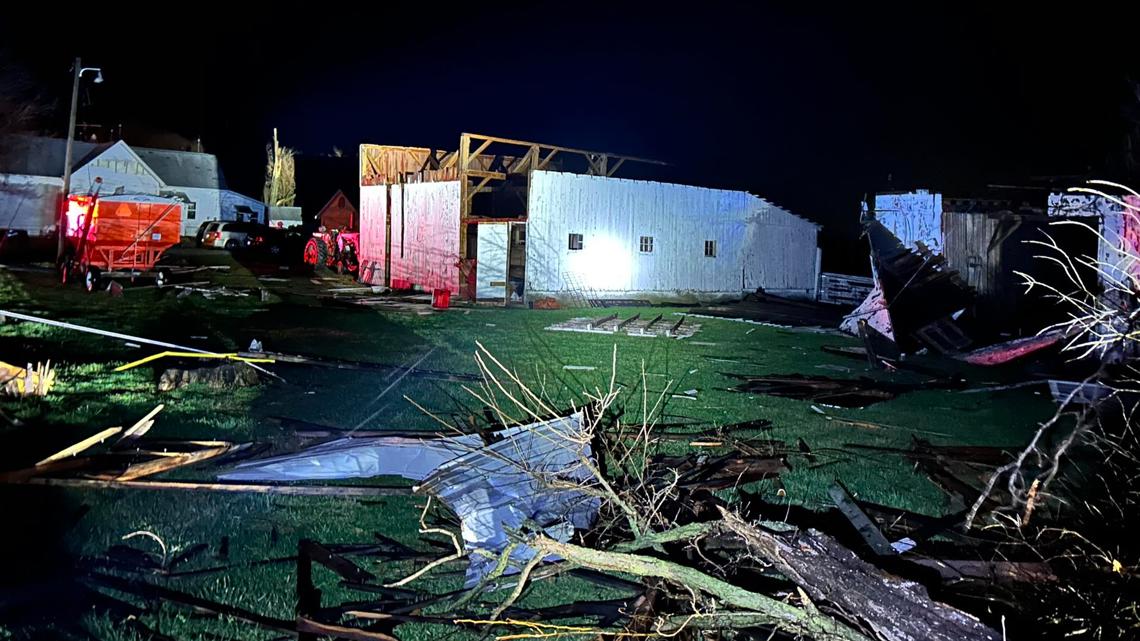
On the storm’s warm side, 15 tornadoes struck Illinois and Indiana on March 19, including a low-end EF2 tornado in Bartholomew County, Indiana. The system also knocked out power to more than 250,000 customers from Texas to Illinois and left rural Iowa with drifts exceeding 10 feet in some places.
“Dirty rain” phenomenon
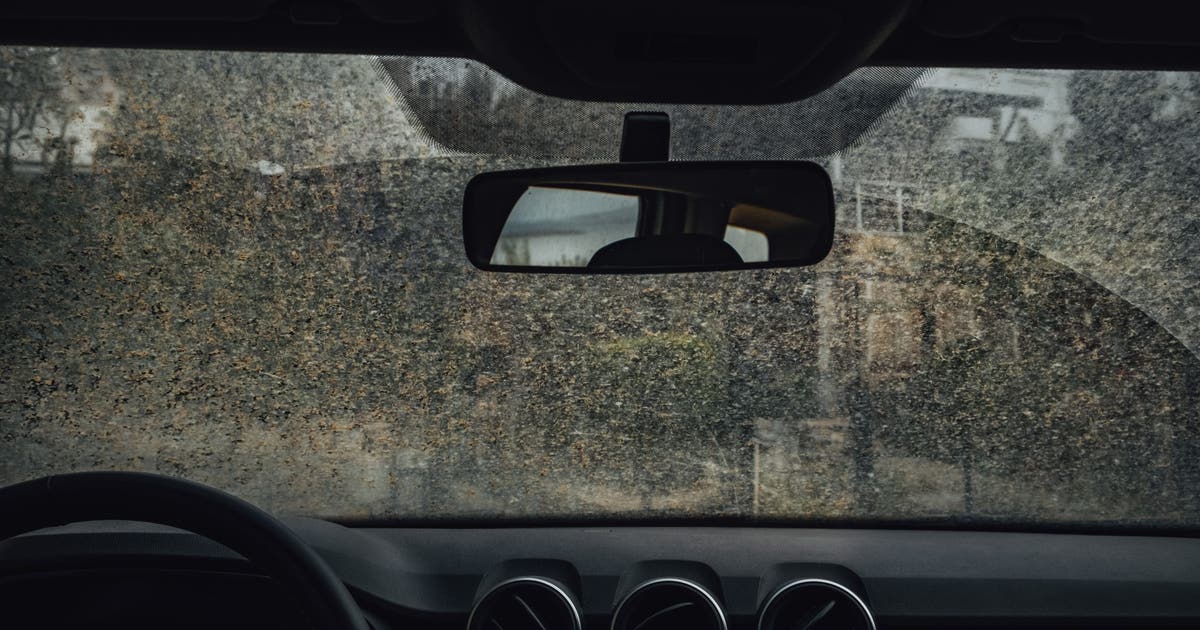
The March 19 storm also fueled hazardous dust storms across parts of New Mexico and Texas, while Arkansas saw at least 38 wildfires sparked by strong winds and dry conditions. One unusual side effect was “dirty rain,” as dust lifted from Texas and northern Mexico traveled more than 1,300 miles and tinted skies brown in cities like Chicago and Des Moines.
The result was a rare late-winter and early-spring combination of hazards: snow, tornadoes, dust storms, fire risk and major infrastructure disruption all at once.


Read more: 2025 Central Texas floods