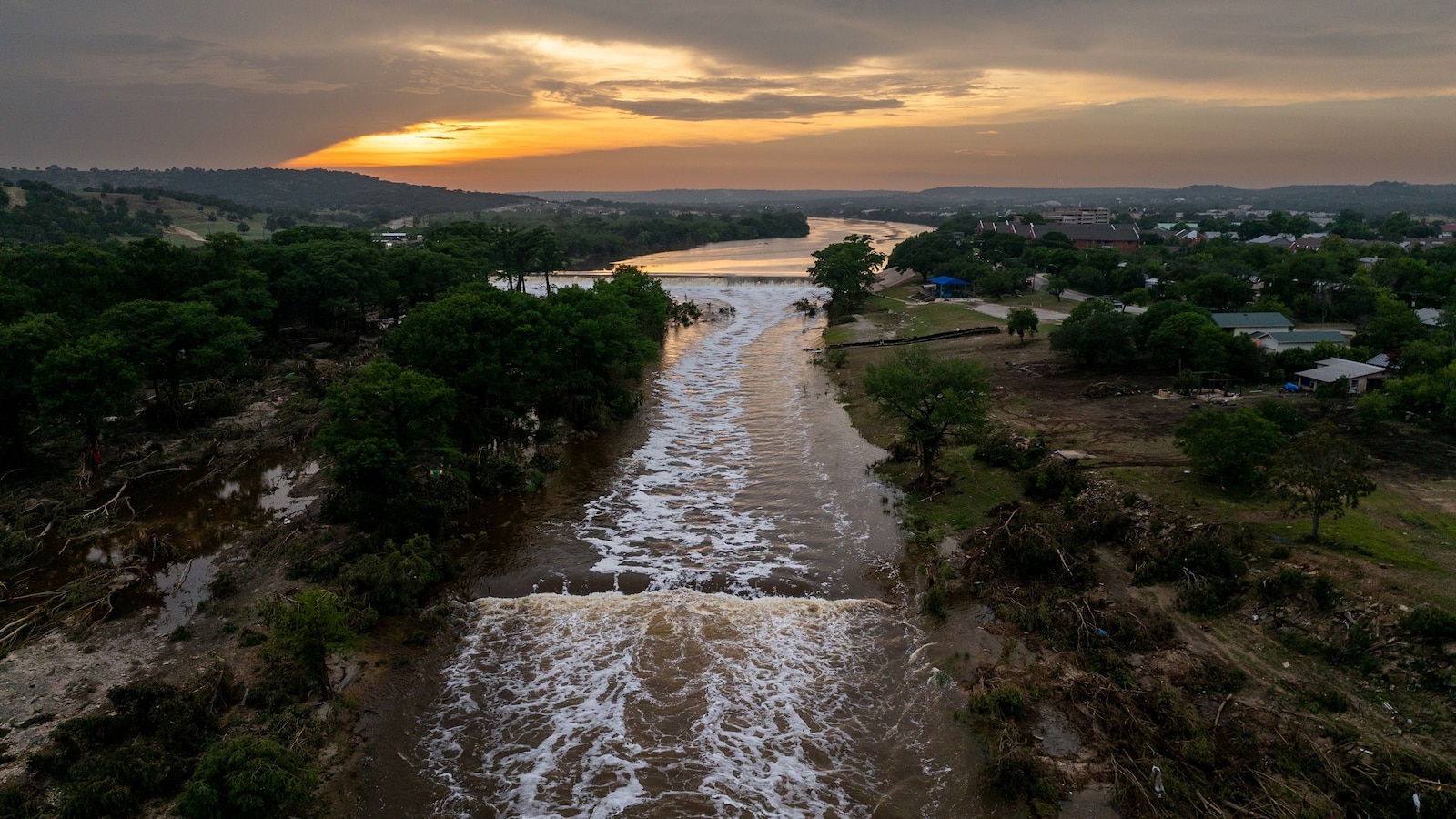
Central Texas experienced one of the deadliest flash flood events in US history in early July 2025, when extreme rainfall from the remnants of Tropical Storm Barry stalled over the Hill Country region, dropping up to 20 inches of rain in some areas over the July 4th holiday weekend.
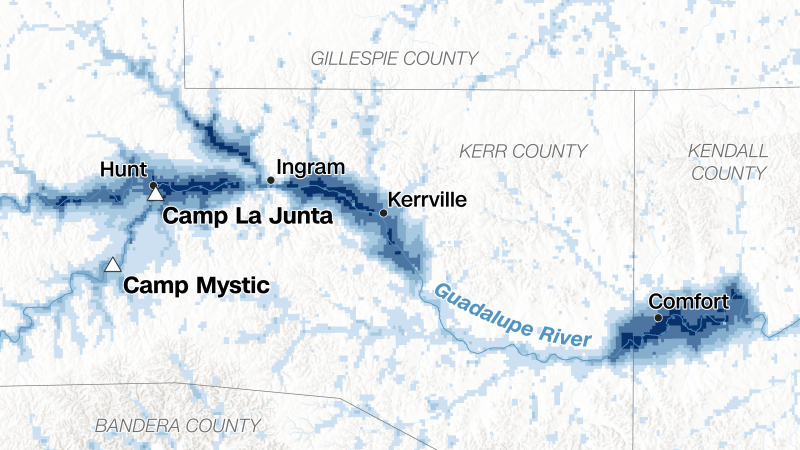
On 4 July 2025, destructive and deadly flooding struck the Hill Country region of Texas. After significant rainfall accumulated across Central Texas, six flash flood emergencies were issued the same day, including for the cities of Kerrville and Mason.
At least 135 people were confirmed dead across six counties. Kerr County suffered the most significant loss of life, with over 100 fatalities reported.
A private Christian girls’ summer camp near Hunt, Texas, was devastated when the Guadalupe River rose over 20 feet in less than two hours. Twenty-seven campers and staff members, including camp director Dick Eastland, lost their lives at Camp Mystic.
Early estimates placed total damage and economic losses between $18billion and $22billion.
What led to this
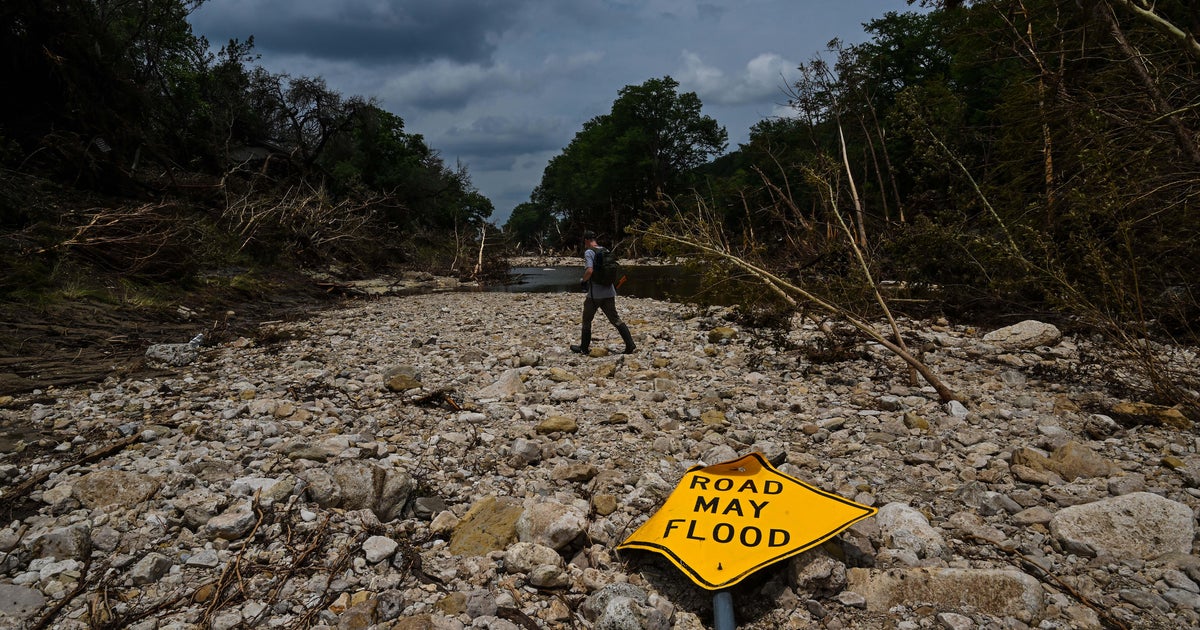
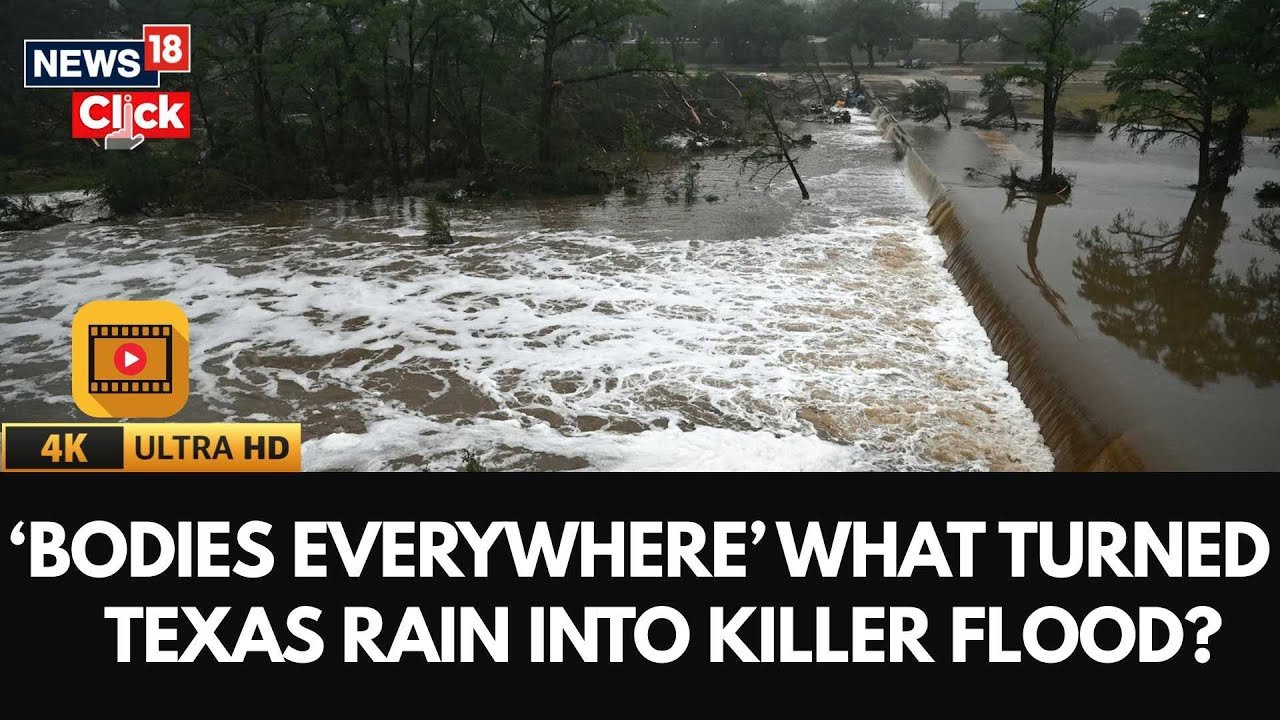
The disaster was fuelled by a convective vortex of tropical moisture meeting a stalled front. The Guadalupe River at Kerrville rose 26 feet in just 45 minutes. In Hunt, the river crested at a record 37.52 feet, surpassing historic 1987 flood levels.
The region’s steep limestone hills and thin soils act as a funnel, causing rainwater to sheet off the terrain and rapidly fill river basins. This area is known as Flash Flood Alley.
A multi-year exceptional drought preceding the storm had hardened the soil, potentially increasing runoff and accelerating the flood wave.
Emergency response and scrutiny
Despite the National Weather Service issuing over 20 alerts, local authorities in Kerr County faced intense criticism for not activating sirens or the CodeRED emergency push system in a timely manner.
Governor Greg Abbott issued disaster declarations for 15 counties, and federal aid was authorized following a presidential visit to the region. By November 2025, several lawsuits were filed against Camp Mystic alleging negligence in planning and delayed evacuations.
Recovery efforts
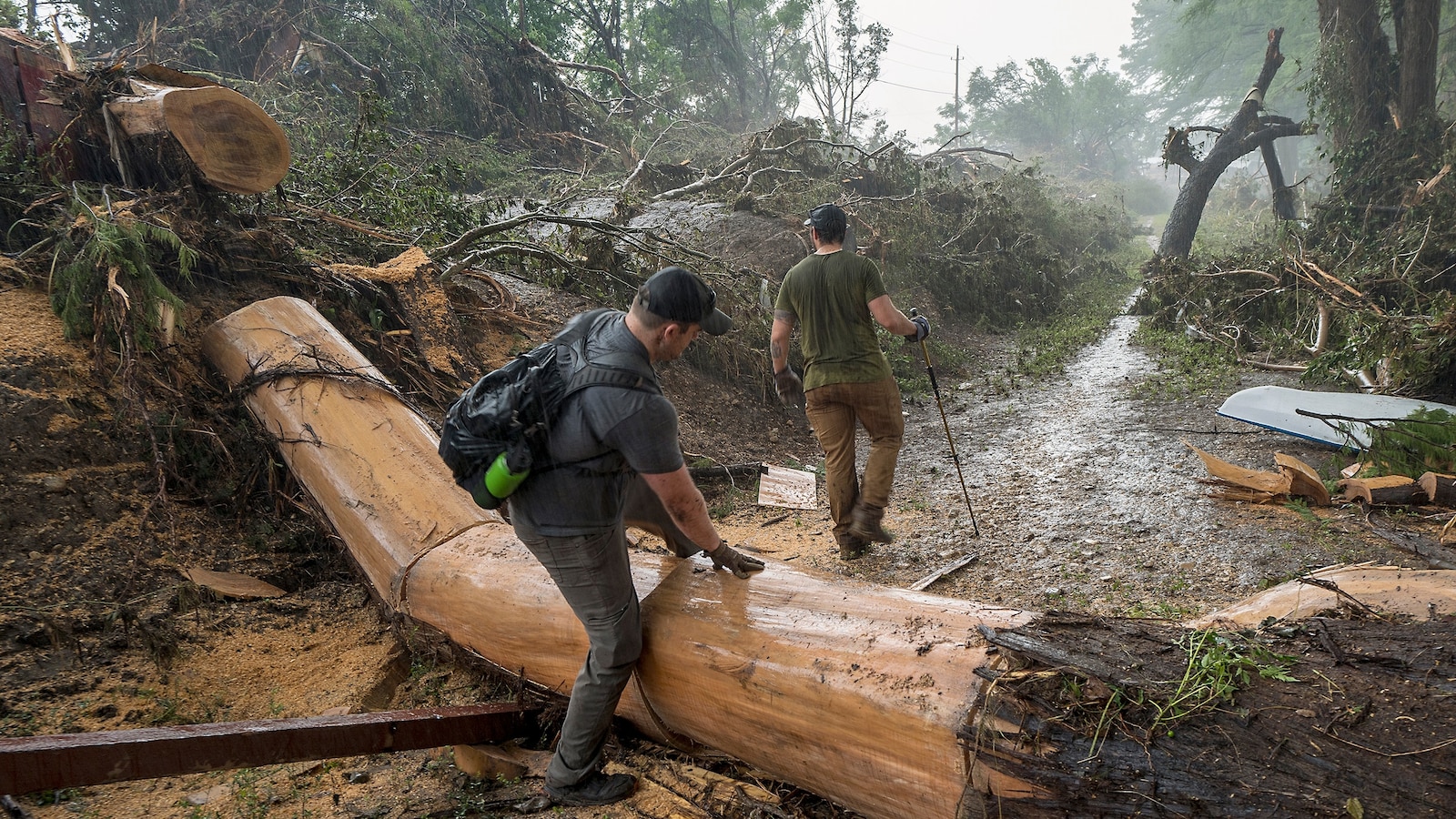
More than 2,000 volunteers and units from 12 states assisted in recovery efforts. The Texas Department of Transportation expedited the reconstruction of key bridges, completing some projects in under 30 days.
In September 2025, new state laws were signed to improve camp safety and flood protection standards.
Dinosaur footprints uncovered
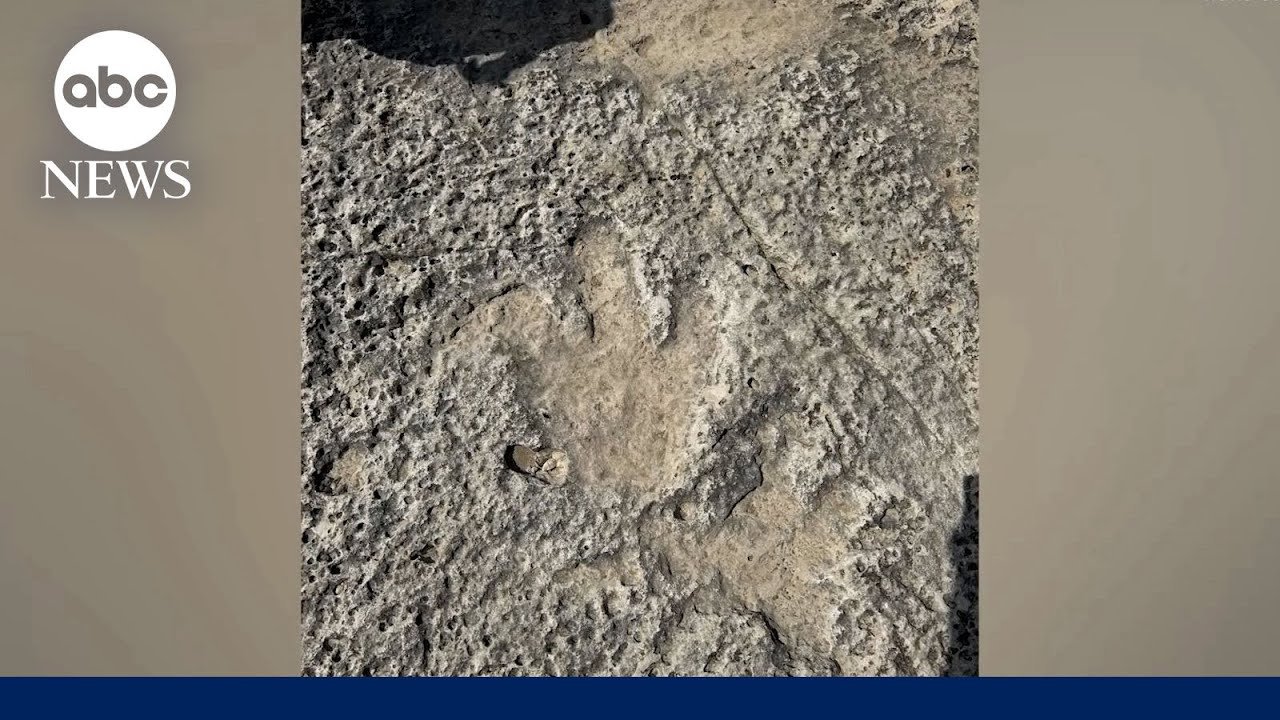
Following the devastating July 2025 floods, at least 15 individual dinosaur footprints were uncovered in Central Texas. The tracks emerged in the Big Sandy Creek area of northwest Travis County, near Austin.
Paleontologists from the University of Texas at Austin dated the footprints to approximately 110 to 115 million years ago. Most tracks were three-toed, 18-to-20-inch prints likely left by Acrocanthosaurus, a 35-foot-long bipedal carnivore. Nearby prints were identified as potentially belonging to Paluxysaurus, a large herbivorous sauropod and the official state dinosaur of Texas.
The tracks appeared in a crisscross pattern, suggesting multiple animals may have been traveling together along what was then a prehistoric coastline. While some tracks in this area had been documented in the 1980s, many of the 2025 finds were previously unknown.
Broader context
The disaster highlighted the growing frequency of extreme weather events and the vulnerability of communities in Flash Flood Alley. It also sparked debates about emergency warning systems, camp safety regulations, and climate-driven weather whiplash between drought and catastrophic rainfall.
Read more: Mid-March 2025 North American Blizzard