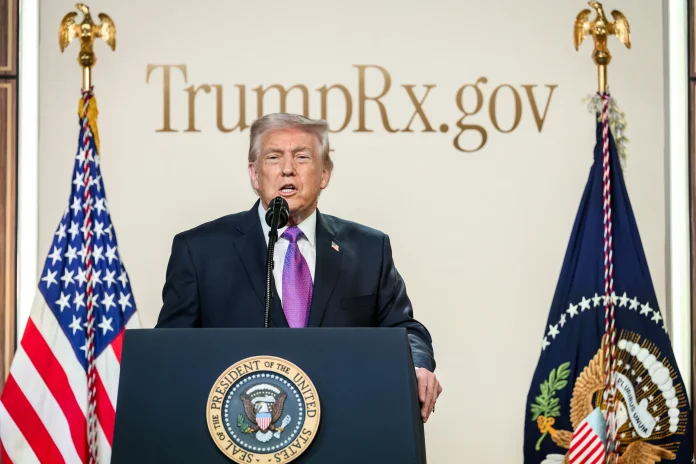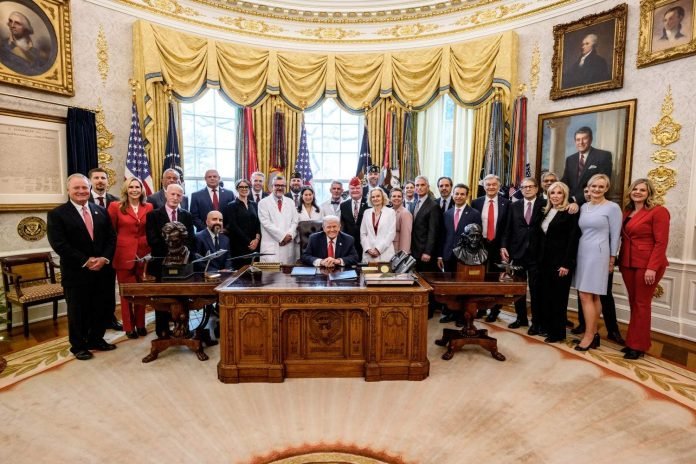
President Donald Trump’s May 18 expansion of TrumpRx marked a significant attempt to recast the administration’s drug-pricing effort from a narrow discount portal into a broader consumer-facing pricing hub, but the policy and business model still leave important limits in place. The new version of the site adds more than 600 generic drugs, integrates major pharmacy and discount partners, and expands the platform’s utility for patients who pay cash rather than use insurance.
TrumpRx was first launched in February 2026 with a smaller set of brand-name medications, but the May expansion nearly septupled the number of drugs listed and shifted the emphasis toward widely used generics such as treatments for cholesterol, diabetes, and fertility. The White House framed the move as a win for transparency, saying the site helps consumers compare the most competitive cash prices and see when a discounted pharmacy price may beat an insurance copay.
How the platform works
TrumpRx is not a traditional online pharmacy, and that distinction matters. The site does not directly sell medications; instead, it routes users to partner services such as Amazon Pharmacy, GoodRx, and Mark Cuban’s Cost Plus Drugs, or provides discount coupons that can be used at local pharmacies. That structure makes TrumpRx more of a front-end comparison and referral layer than a standalone retailer, which is why the administration has emphasized price transparency and search tools rather than inventory fulfillment.
The platform also appears designed to lower friction for consumers who want to pay out of pocket. Reuters reported that Trump said the new rollout would let people compare the lowest cash prices through one central source, while the White House said the site would integrate local pharmacy pricing and delivery options from private partners. In practical terms, that means TrumpRx is trying to solve a discovery problem as much as a pricing problem: finding where the lowest price is, then pointing the user there.
What changed in May
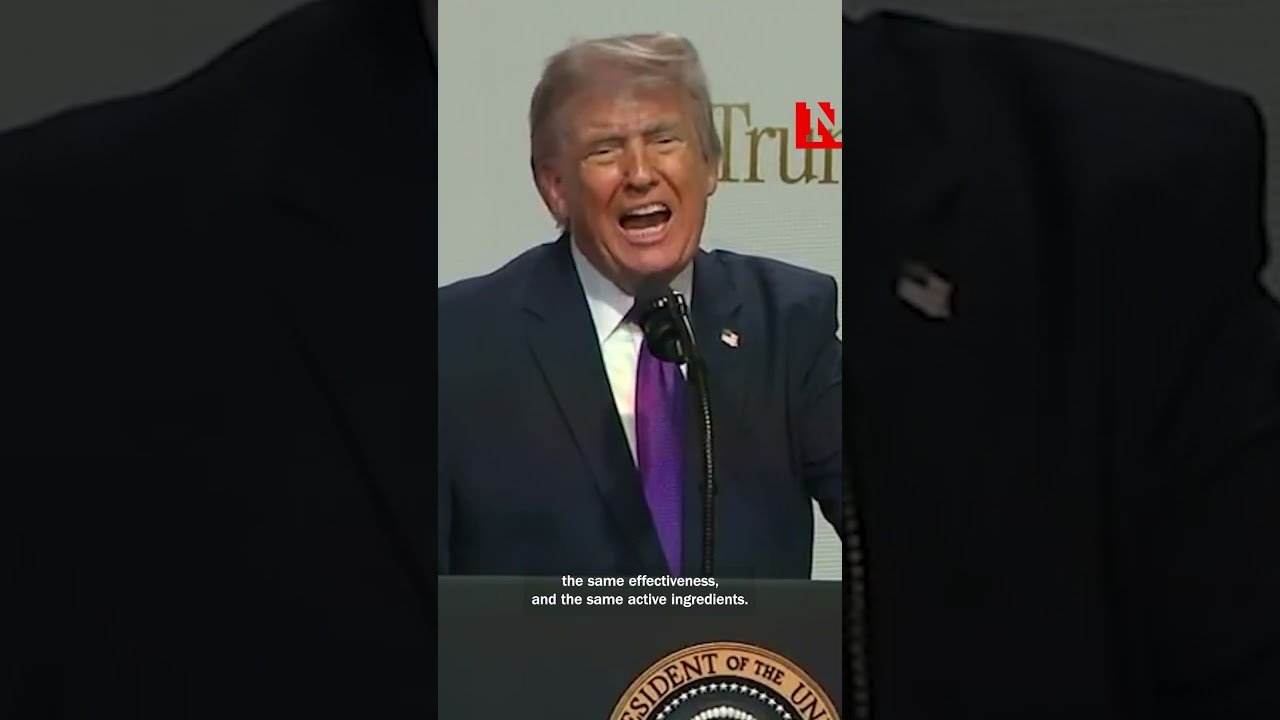
The largest change is the addition of more than 600 generic drugs, a major jump from the original rollout. Reuters said Trump described the increase as “nearly seven times” the prior number of drugs, while AP and the White House both said the expansion is enabled by partnerships with Amazon Pharmacy, GoodRx, and Cost Plus Drugs. The administration also said the generic listings are being separated from TrumpRx’s branded-drug discounts negotiated under its “Most Favored Nation” pricing approach.
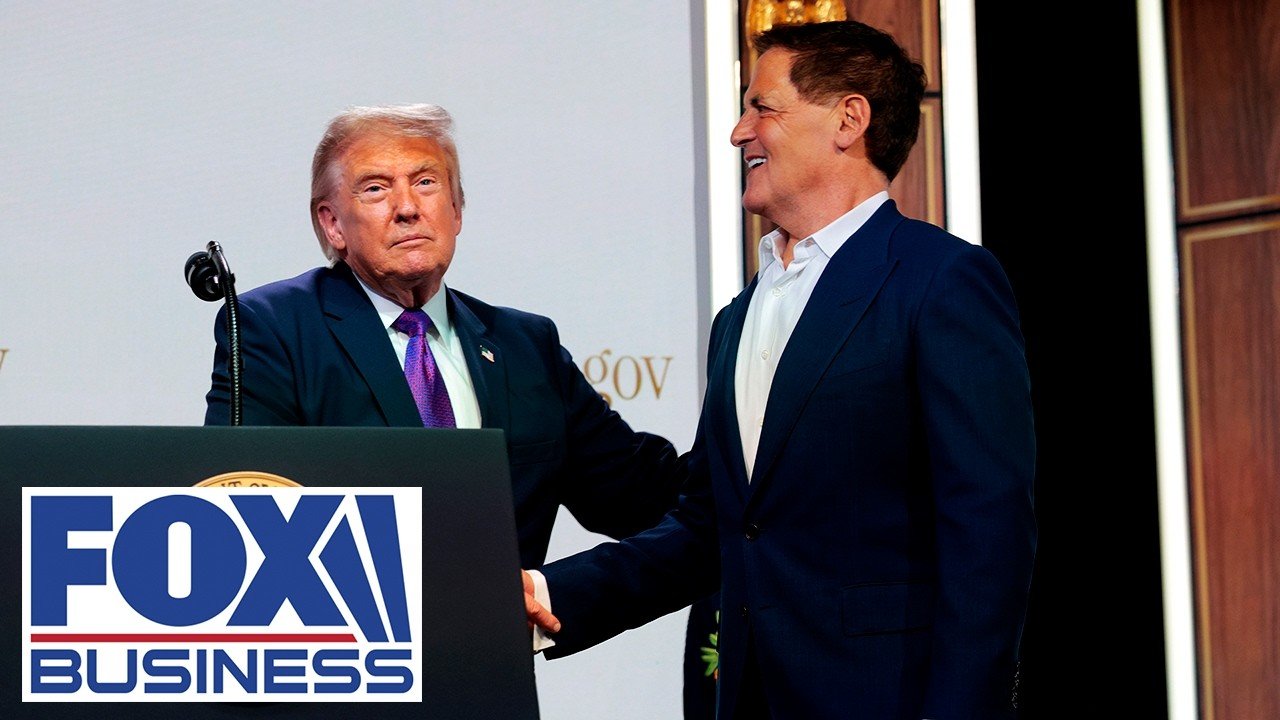
Trump’s partnership with Mark Cuban’s Cost Plus Drug Company is perhaps the most politically notable element of the rollout. Cuban had been a vocal critic of Trump for years, at times openly opposing the former president and using his platform to rally Democratic voters. That Cuban’s Cost Plus platform now aligns with the TrumpRx expansion is a significant development, signaling a rare moment of political pragmatism on drug pricing: two figures who have spent years in public ideological conflict finding common ground on a shared goal of lowering prescription drug costs for consumers.
That separation is important because it suggests two different policy stories are now running in parallel. One is a consumer-access story centered on common, low-cost generics, and the other is a high-profile political story about negotiated brand-name drug prices and international reference pricing. By grouping those together on one site, the administration gains visibility and traffic, but it also risks confusing the public about which savings come from market competition and which come from government-negotiated discounts.
Who benefits most
The strongest value proposition is for uninsured patients, cash-paying patients, and people whose insurance coverage is weak or does not cover a particular drug. KFF noted that TrumpRx’s discount pages explicitly tell insured customers to check their copay first, because a plan’s negotiated cost-sharing can still be lower than the cash price shown on the site. NPR similarly reported that TrumpRx and similar cash-pay discounts are most useful when a medicine is not well covered by insurance, such as some fertility or weight-loss drugs.
That limitation is central to evaluating the platform’s policy impact. If a patient has comprehensive drug coverage, TrumpRx may function more as a benchmarking tool than a direct savings mechanism, because out-of-pocket cash purchases generally do not count toward deductibles or out-of-pocket maximums. In other words, the platform can produce real savings, but not always for the same patients or in the same circumstances, which complicates the administration’s broad claims of affordability.
Why the rollout matters
Politically, the expansion gives the White House a tangible consumer-facing example of prescription-drug action ahead of a high-stakes election cycle. The administration has framed TrumpRx as evidence that it is lowering costs without waiting on Congress, and the large drug count creates a more newsworthy, easier-to-market product than the original February launch. That helps explain the event’s emphasis on scale, partnerships, and savings rather than on the technical limits of a cash-pay comparison site. The Cuban partnership amplifies that political win, turning a once-hostile political figure into a de facto ally on a high-visibility consumer issue.
At the same time, the rollout reveals a tension in the administration’s messaging. It presents TrumpRx as both a public-interest transparency tool and a quasi-marketplace for private discount programs, yet the site itself stops short of actually selling drugs directly. That makes the program easier to expand quickly, but it also means the government is relying on private platforms and consumer behavior to turn listed discounts into actual savings.
Bottom line
TrumpRx’s May expansion is best understood as a hybrid policy move: part political showcase, part price-comparison engine, and part referral layer for cash-paying patients. The new 600-plus generic listings and partner integrations make it more useful than the original launch, but the site’s real-world benefit still depends heavily on whether a patient is uninsured, underinsured, or paying cash by choice.
TrumpRx is growing fast, but its biggest promise is also its biggest constraint: it can reveal lower prices, yet it cannot guarantee that the best price is better than insurance for every patient. The unexpected Mark Cuban partnership also signals that drug pricing may be one of the few policy areas where political adversaries can still find common political ground, even if the longer-term impact on affordability remains uncertain.
Read also: US launches online platform TrumpRx for discount drugs