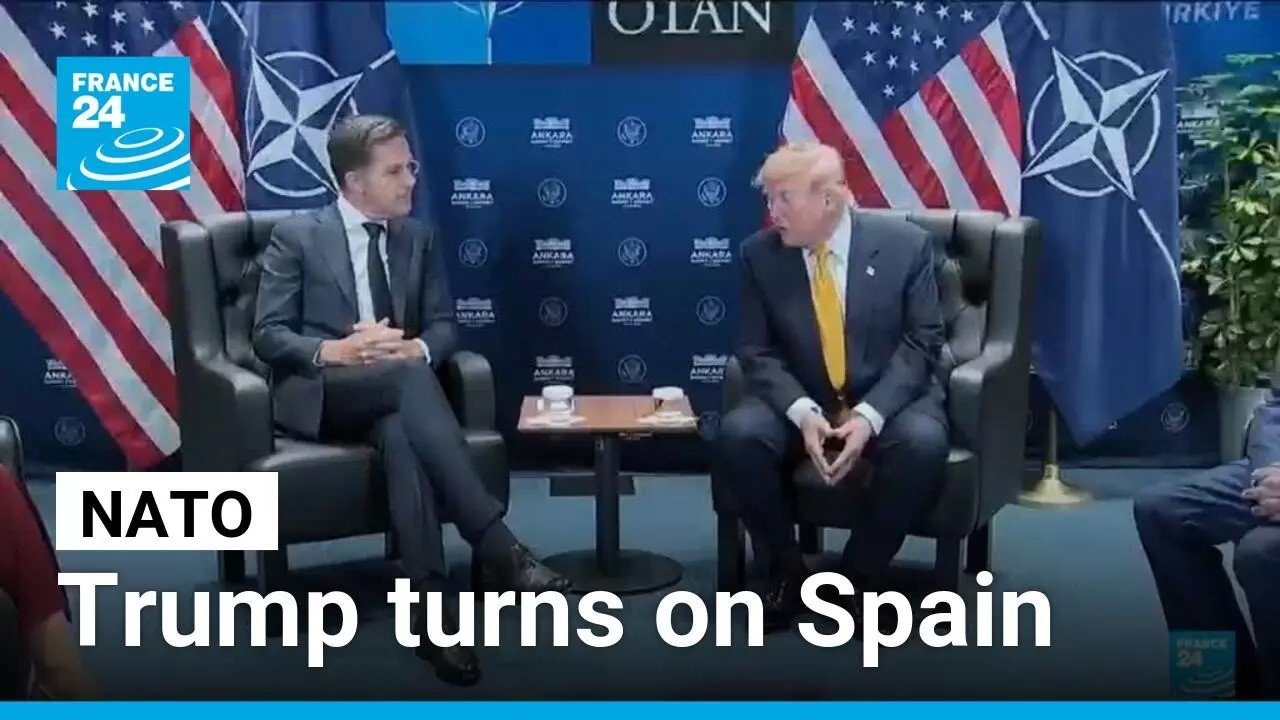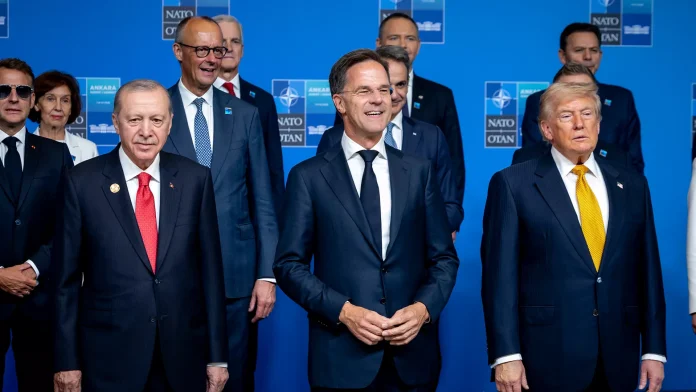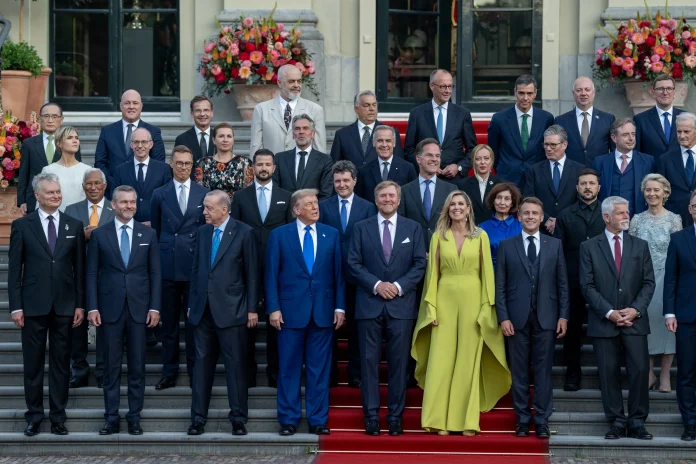






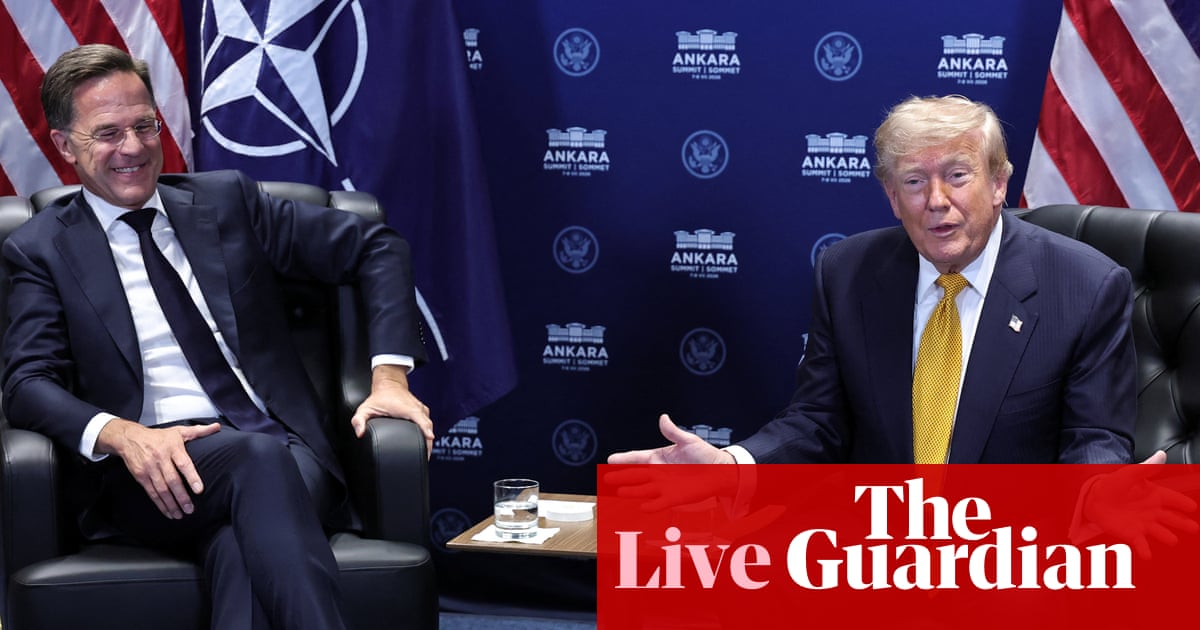






President Donald Trump has reignited a diplomatic row over Greenland, using the NATO summit in Ankara to repeat his claim that the Arctic territory should be controlled by the United States rather than Denmark.
The standoff has now widened beyond rhetoric, with Trump linking Greenland to the future of US troop deployments in Europe and drawing fresh pushback from Danish and Greenlandic leaders.
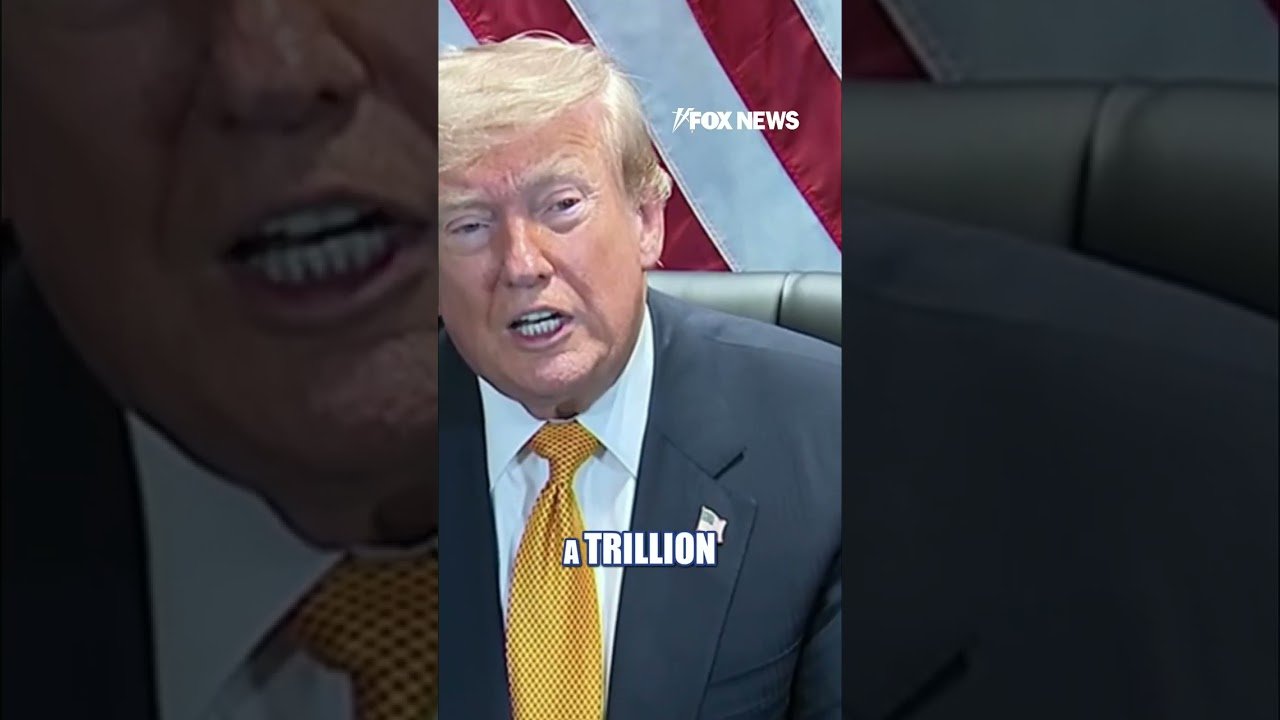
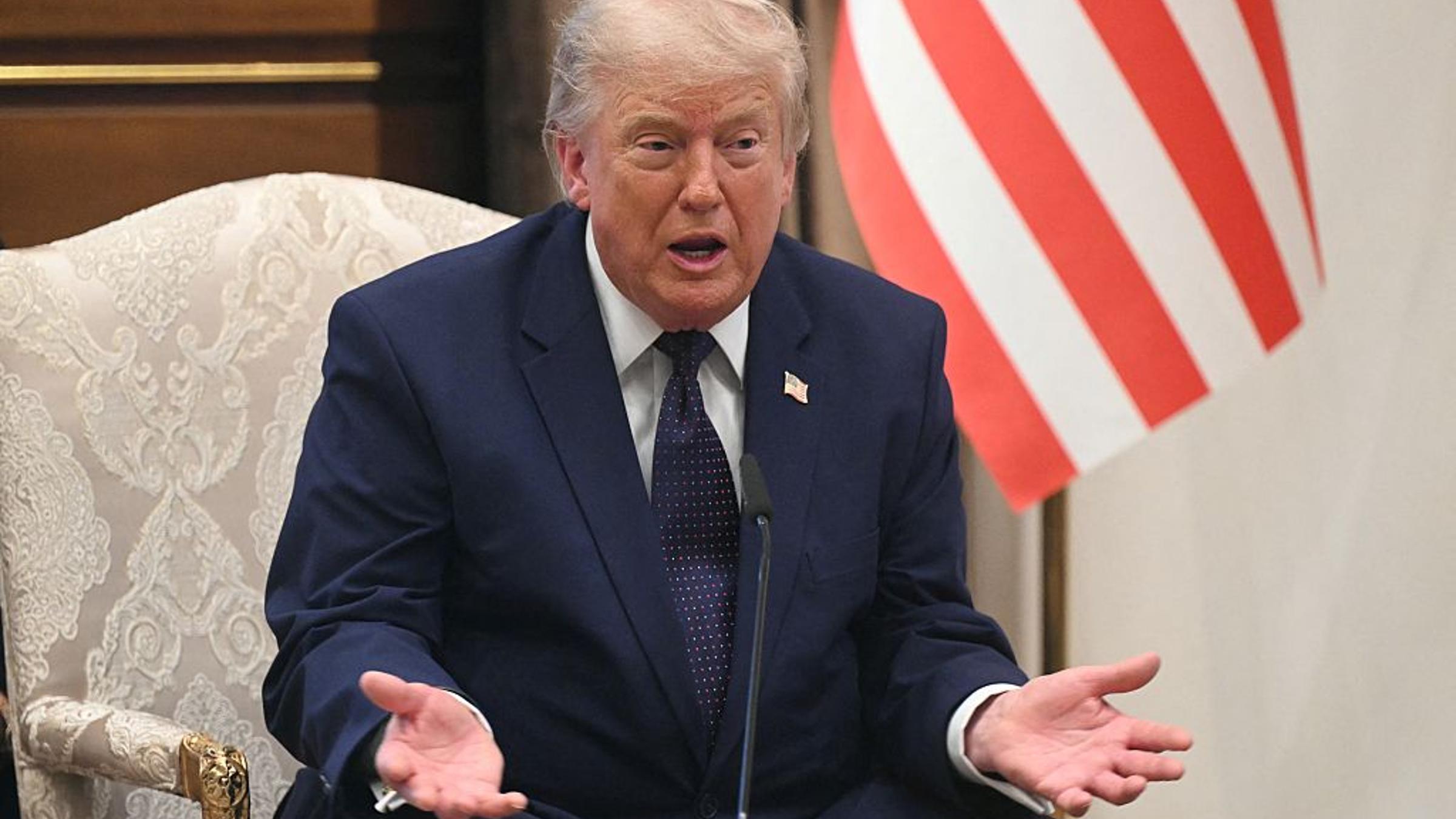
At the summit, Trump said Greenland “should be controlled by the United States, not by Denmark,” arguing that the island matters to US security because of its Arctic location and the presence of Chinese and Russian ships in the region.
Reuters also reported that Trump said the issue had hurt his relationship with NATO. On the return flight to the United States, he said any decision on US troops in Europe would depend on whether he secured a “very good deal on Greenland”.
Why it matters
The episode has intensified strains inside NATO because Trump is tying a territorial dispute involving one ally, Denmark, to broader alliance commitments.
European leaders were already trying to keep Trump focused on defense spending, Ukraine, and alliance unity at the Ankara summit, and his Greenland remarks reopened a fight that NATO had been trying to manage through diplomacy. Reuters said the issue has moved onto a diplomatic track, but not into a resolution.
Why Trump wants Greenland
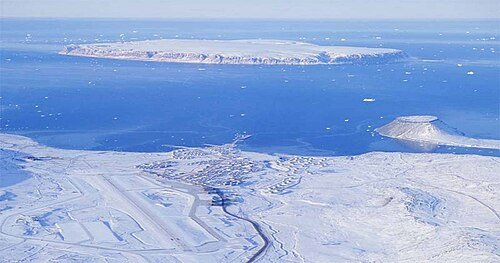
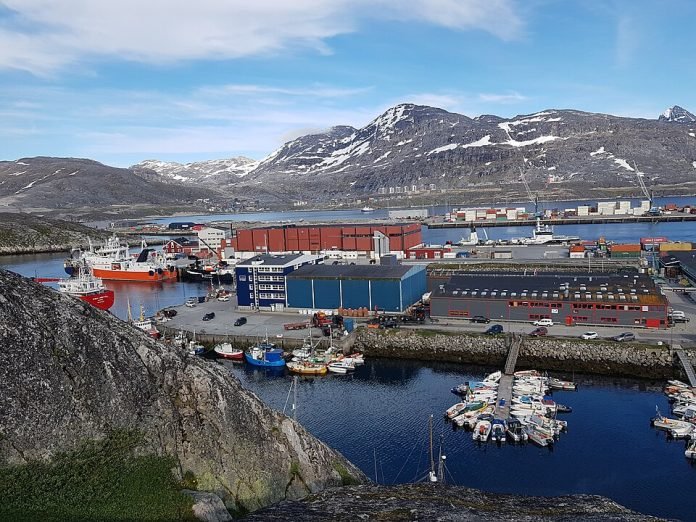
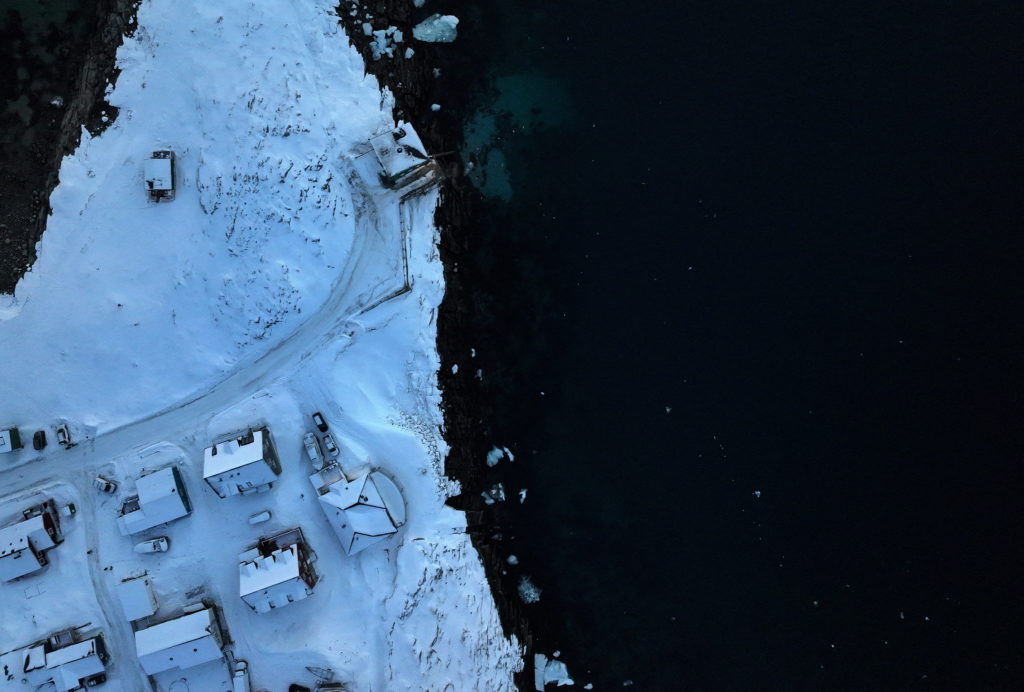
Trump’s push for Greenland is rooted in a mix of military strategy, great-power competition, and control over resources. The island sits in a key Arctic corridor where melting ice is opening faster shipping routes and making the region more important for surveillance, naval movement, and missile defense.
For Trump, Greenland is not just land; it is a strategic platform that could help the United States watch Russian and Chinese activity in the high north and strengthen its Arctic posture.
Missile defense is another major factor. Reports have linked Trump’s interest in Greenland to the proposed “Golden Dome” shield, with the island’s geography seen as useful for radar coverage and early-warning infrastructure. That makes Greenland valuable not only as territory, but as part of a broader defense architecture stretching across the Arctic and into Europe.
Resources are also a major attraction. Greenland is widely seen as a potential source of rare earths and other critical minerals needed for electronics, batteries, and defense technologies, even though extraction is costly and politically sensitive. Reuters has reported on major rare-earth projects and licensing disputes on the island, showing why outside investors and governments are paying close attention. That resource angle has added a commercial layer to what began as a security and sovereignty fight.
Trump has also framed Greenland in historical terms, arguing that the United States had a wartime responsibility for the island during World War II and that it was later “given back” too easily. That claim helps him cast Greenland as a matter of unfinished national business rather than a normal foreign-policy dispute. In practice, it gives his argument a nationalist framing that blends security, history, and leverage over allies into one message.
“Greenland is not for sale”
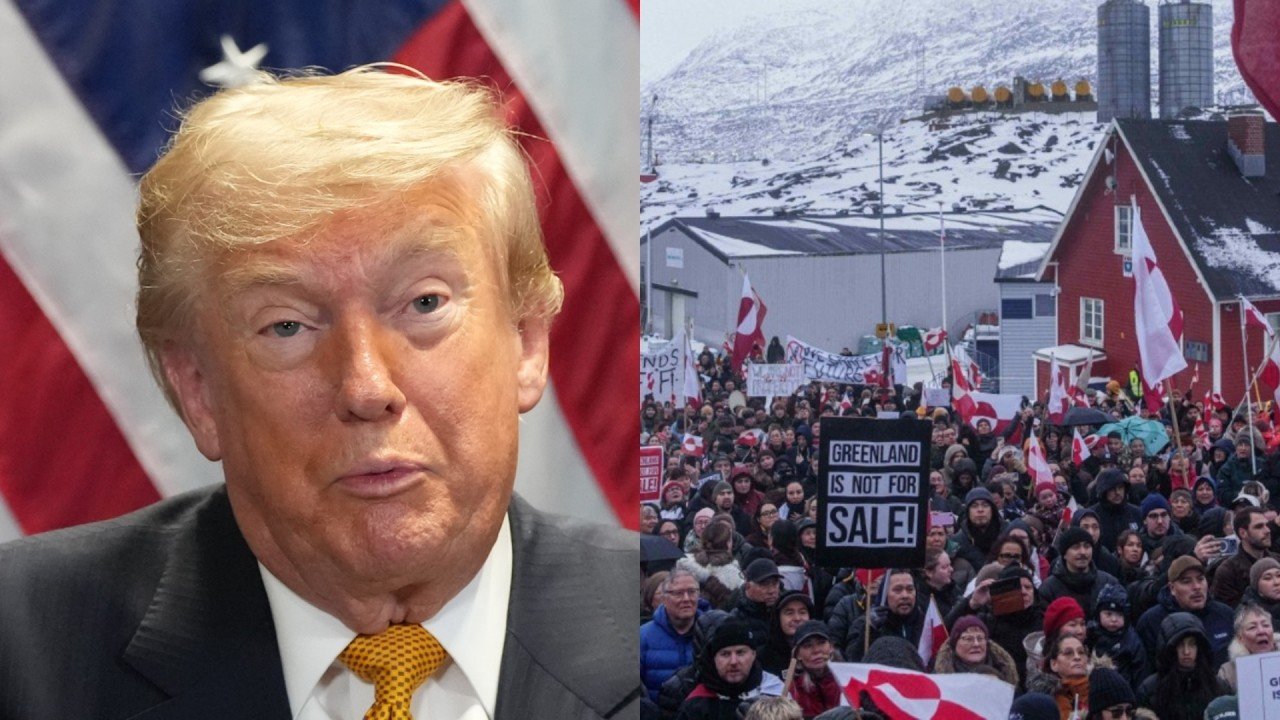
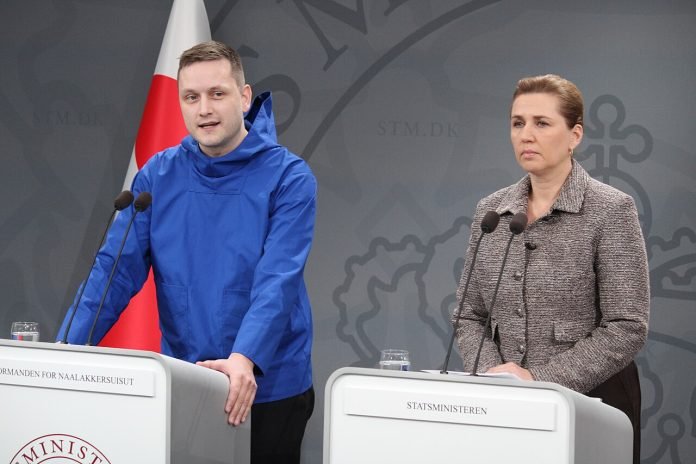
Both Copenhagen and Greenlandic leaders have rejected the renewed US pressure, presenting a united front against Trump’s push for control of the island. Danish officials have repeatedly said the territory is not for sale, while Greenlandic leaders have insisted the island’s future belongs to its own people.
Danish Prime Minister Mette Frederiksen pushed back directly, saying “Greenland is, of course, not for sale” and stressing that allies should respect sovereignty and Greenlanders’ right to self-determination. She also signaled that Denmark is prepared to defend its territory if the dispute escalates, underscoring how seriously Copenhagen is treating the confrontation.
On the Greenlandic side, officials have echoed that message and rejected any suggestion that Washington should determine the island’s future. Reporting from local visits by Trump allies showed public resistance as well, including visible discomfort with pro-Trump symbolism and no indication that Greenland’s political class wants closer alignment with the United States.
Why it matters
Greenland has become a test case for the health of the transatlantic alliance, not just a geopolitical curiosity.
The story is no longer only about one president’s obsession with an Arctic territory. It is about whether Washington can use military commitments as leverage against NATO partners and whether Europe can resist that pressure without fracturing the alliance.