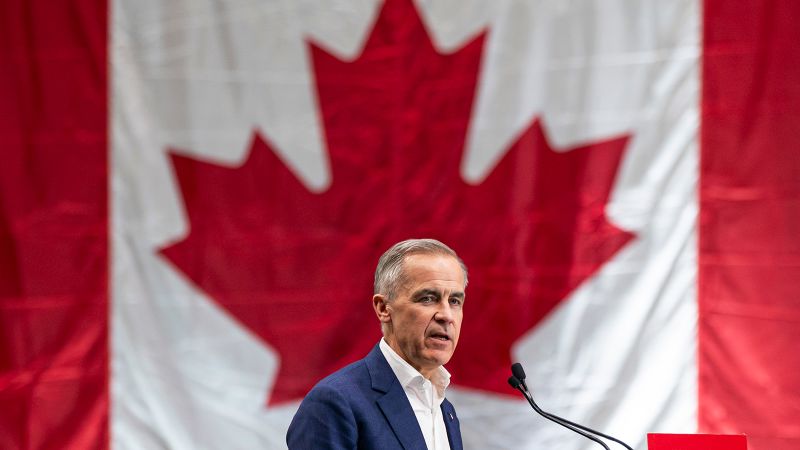
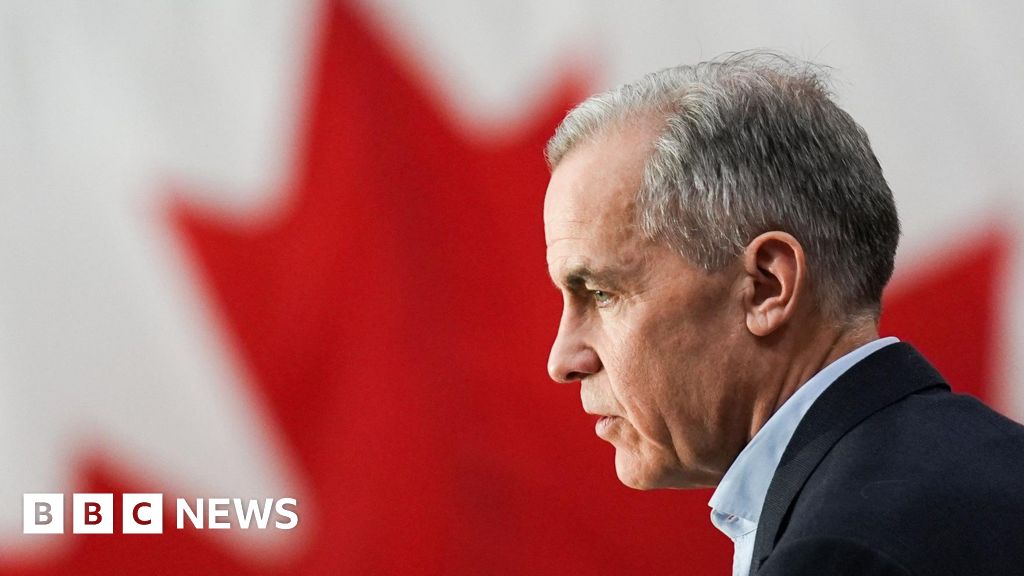
Mark Carney’s path to office was unusually fast, shaped by a political crisis that pushed the Liberal Party into a leadership race after Justin Trudeau’s resignation in early January 2025. Carney won the party contest on March 9, 2025, then was sworn in as prime minister on March 14.
The leadership race unfolded against the backdrop of a trade war and annexation threats from US President Donald Trump, which created a strong rally-around-the-flag effect inside Canada. Carney, a former governor of the Bank of Canada and the Bank of England, won in a landslide, taking 85.9 percent of the allocated points and finishing first on the initial ballot.
He also won the majority of votes in all 343 electoral districts, while former finance minister and deputy prime minister Chrystia Freeland finished a distant second with about 8 percent. Carney became the first Canadian prime minister to take office without having previously held elected office.
Key candidates
The final field included four approved candidates: Carney, Freeland, Karina Gould and Frank Baylis. Carney’s win positioned him as the clear choice of the party membership at a moment of external pressure and domestic uncertainty.
Campaign agenda
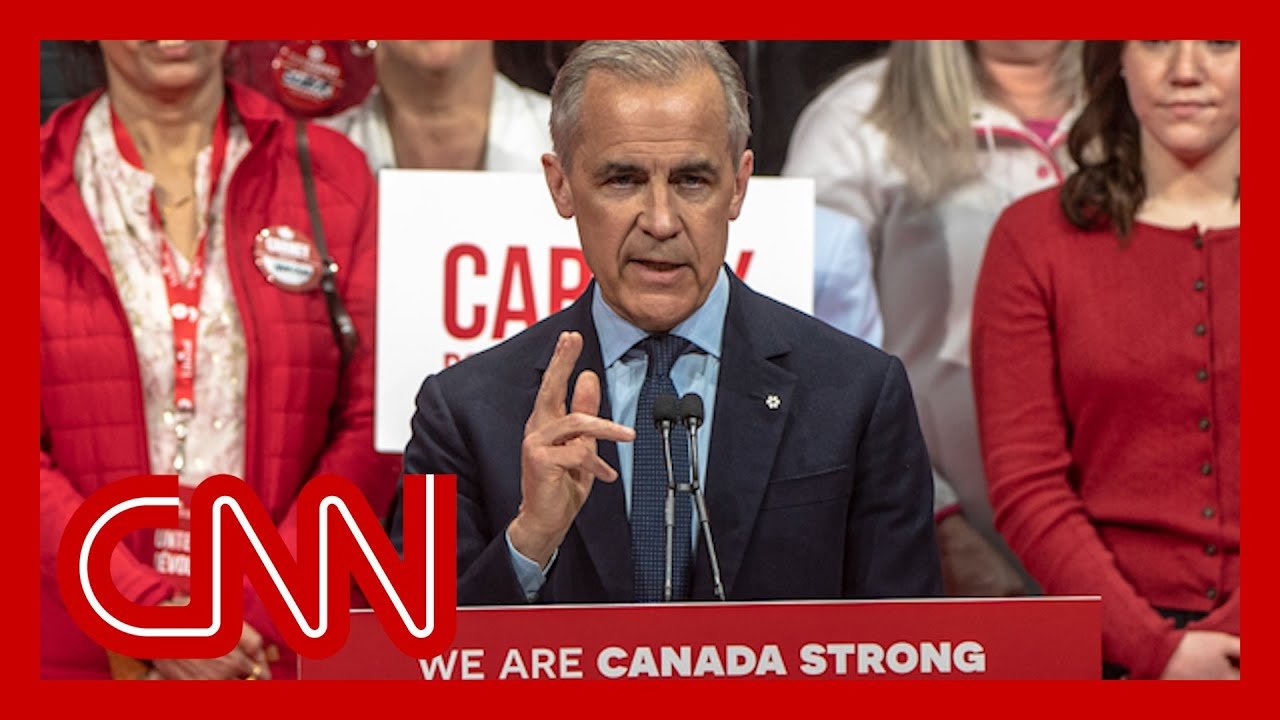
Carney ran on a “Canada Strong” platform built around economic resilience, nation-building and faster infrastructure investment. He pledged to scrap the consumer carbon tax, stand firm against U.S. tariffs and reduce Canada’s dependence on the United States by expanding trade with other markets.
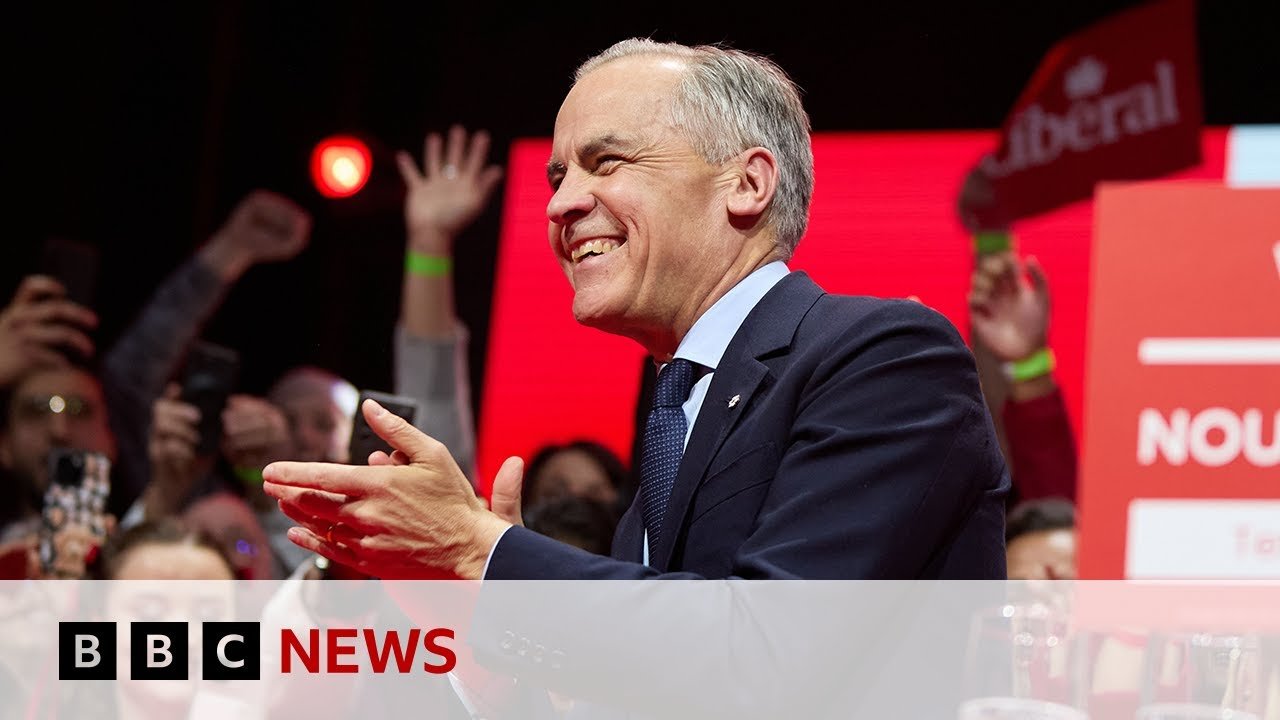
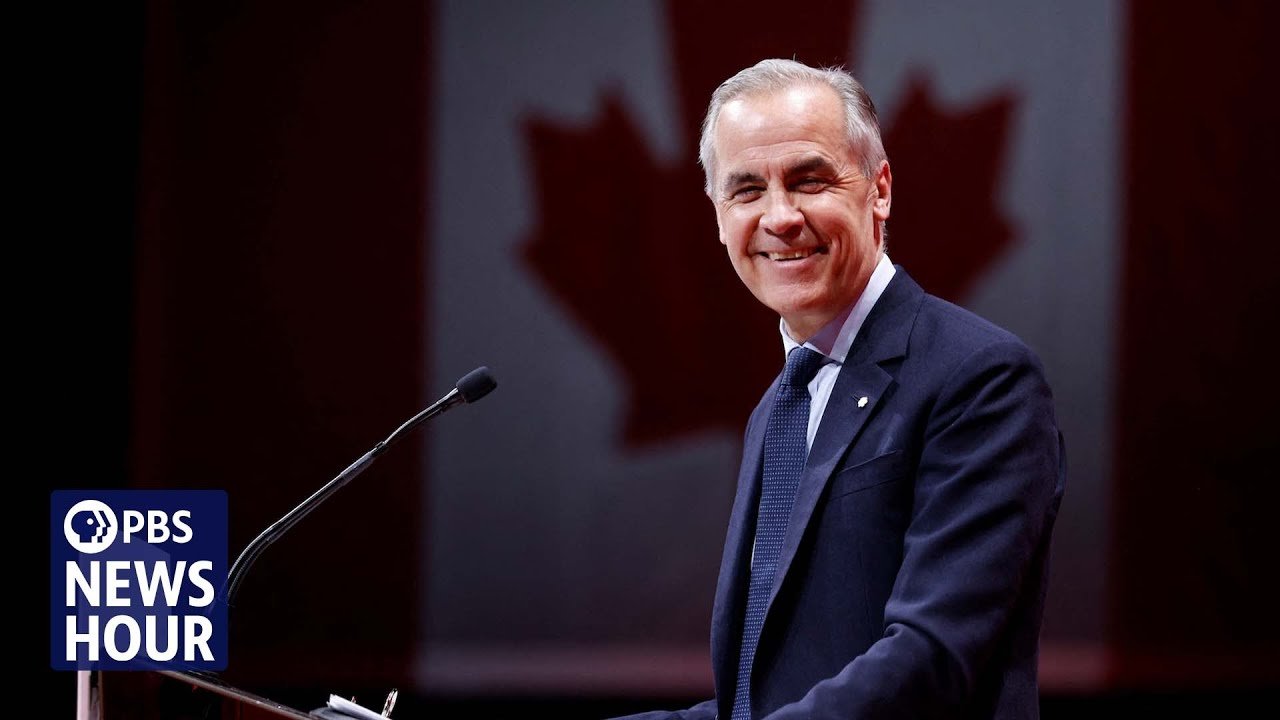
His broader agenda also included a new “Build Canada Homes” program, a push to double non-U.S. exports over 10 years, support for both clean and conventional energy, and a commitment to reach NATO’s 2 percent defense spending target [Reuters][The Globe and Mail]. In his victory speech, Carney drew a sharp line between the two countries, saying Canada “never, ever will be part of America”.
Why it matters
Carney’s rise marked a rare case of a central banker moving directly into national political leadership at a moment of international tension. His victory signaled continuity on fiscal credibility, but also a more forceful posture on trade, sovereignty and industrial policy.
America is not Canada. And Canada never, ever will be part of America in any way, shape, or form.
Canadian PM Mark Carney in his victory speech
Read also: Justin Trudeau steps down after nearly a decade as Canada’s PM