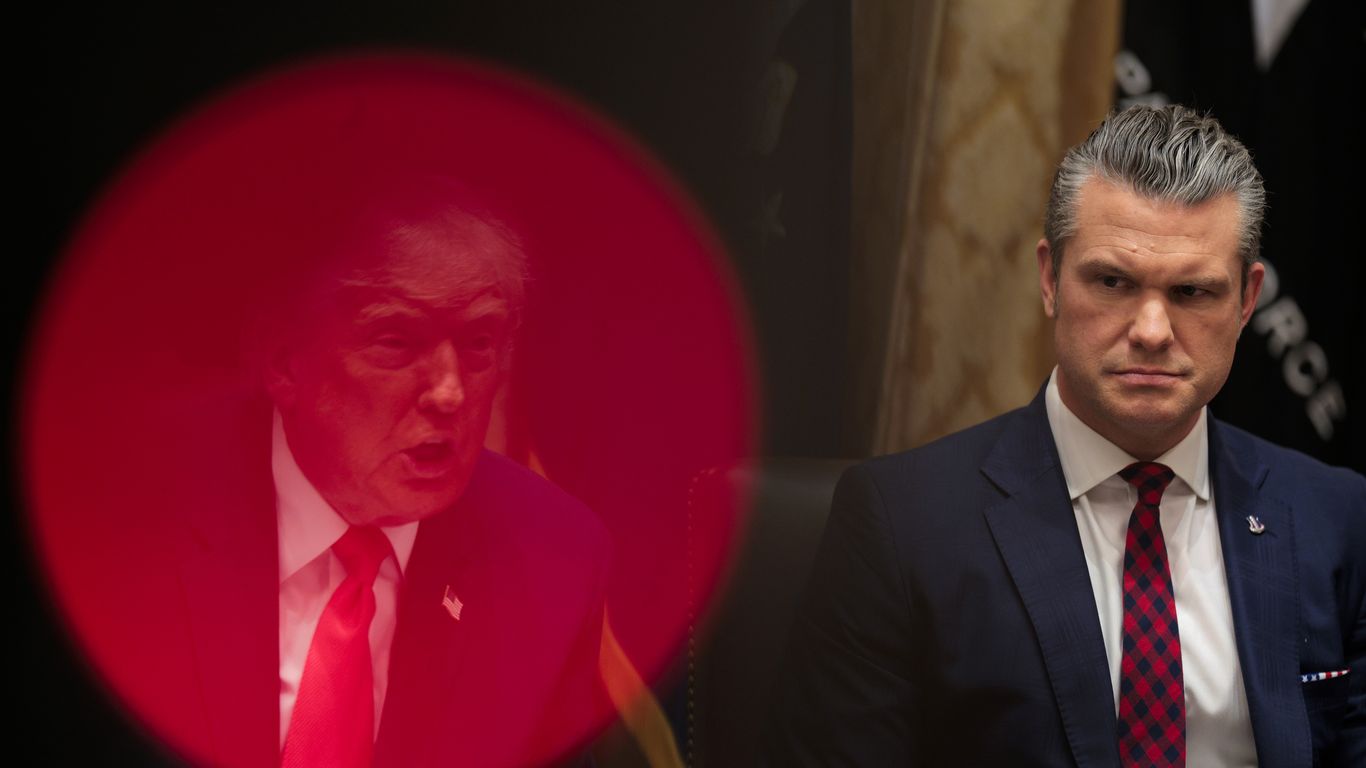
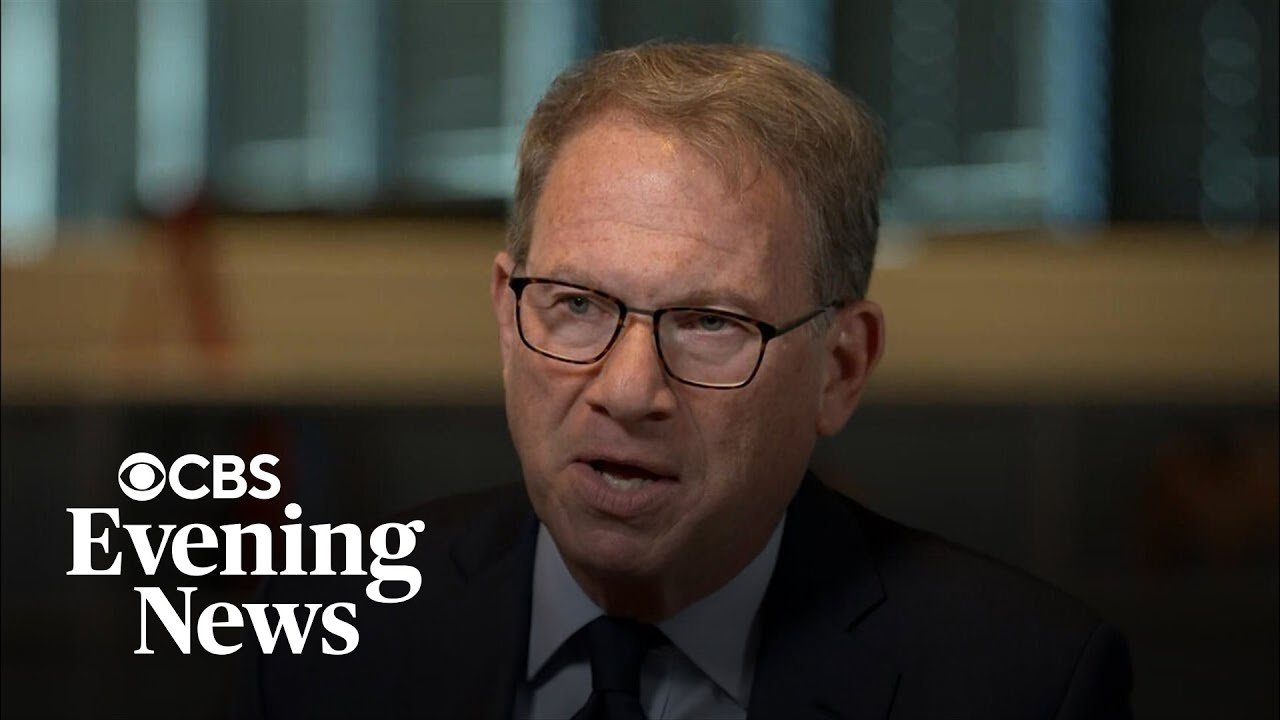
In March 2025, a group of top US national security officials used the Signal messaging app to discuss sensitive details about imminent strikes on Houthi targets in Yemen, later code-named Operation Rough Rider. The episode escalated into a major scandal after The Atlantic revealed that its editor-in-chief, Jeffrey Goldberg, had been accidentally added to the chat.
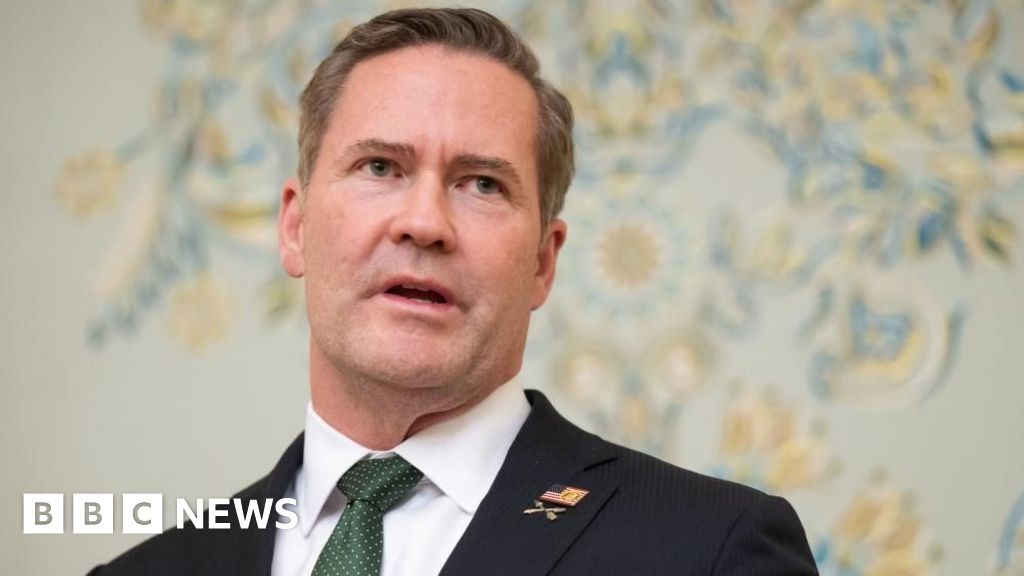
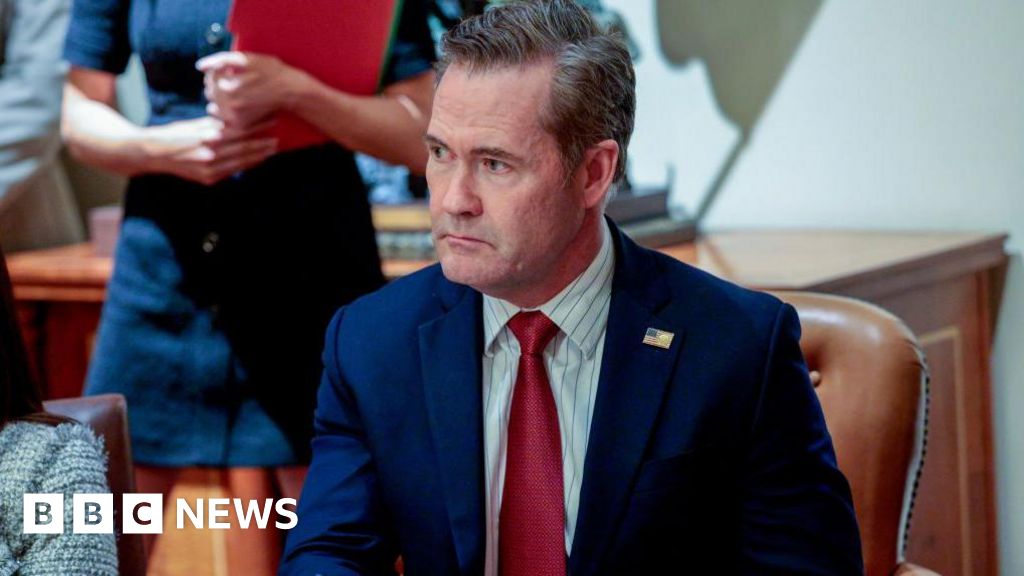
National Security Adviser Mike Waltz accidentally included Goldberg in the group, apparently because Goldberg’s phone number had been saved under the wrong contact name. The chat reportedly included Vice President JD Vance, Defense Secretary Pete Hegseth, Secretary of State Marco Rubio and Director of National Intelligence Tulsi Gabbard.
Messages published by The Atlantic described targets, weapons, timing and attack sequencing roughly two hours before the strikes began. That fueled criticism that officials had used a consumer app to discuss operationally sensitive matters outside approved government channels.
Why it mattered
Signal is encrypted, but it is not authorized for sharing classified information. Critics also argued that the use of disappearing messages suggested an effort to avoid federal records requirements and transparency rules.
The Trump administration denied that classified information had been shared and dismissed the episode as a media-driven hoax. Still, the scandal became a broader test of White House discipline, recordkeeping and national-security procedures.
Fallout
A Pentagon inspector general report later concluded that Hegseth’s use of the app violated military regulations for handling sensitive information and may have put US troops at risk. Waltz left his post as national security adviser in May 2025 amid the continuing fallout.
The leak became one of the administration’s most embarrassing early security scandals, raising questions about how senior officials handled operational planning.
Read also: 2025 United States attacks on Yemen