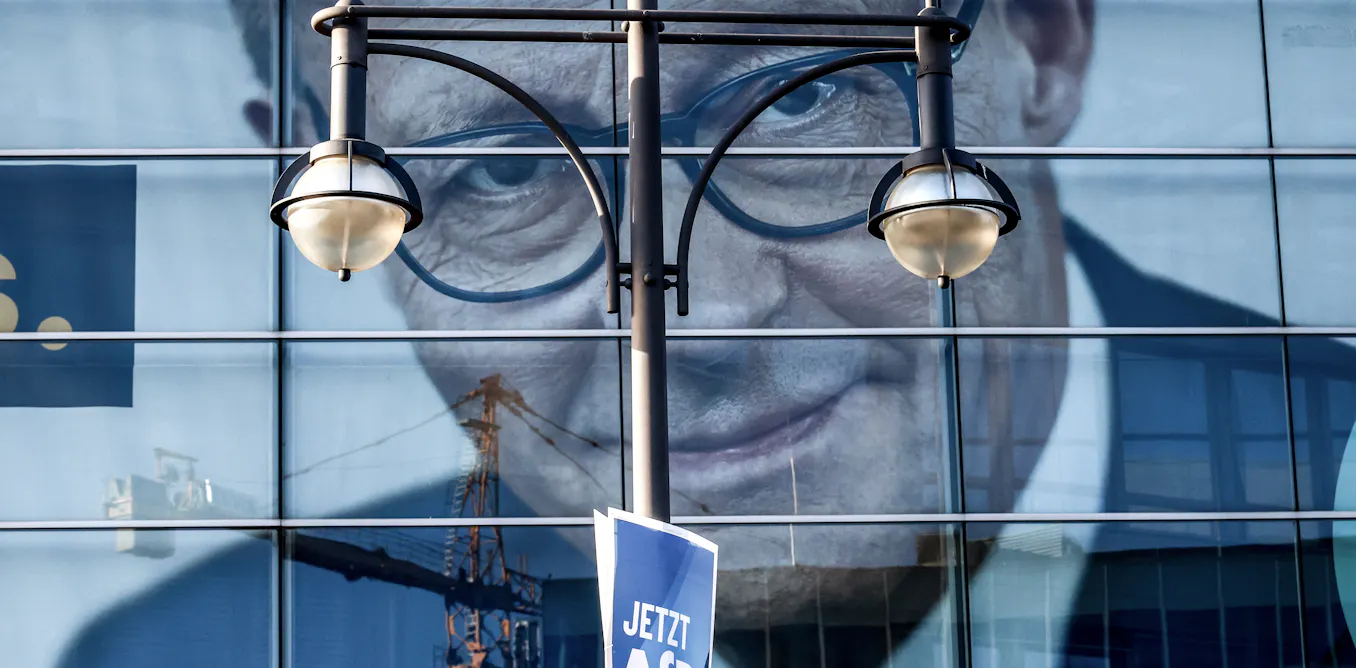
Germany’s 2025 snap federal election, held on February 23 after the collapse of Olaf Scholz’s coalition late in 2024, produced a sharp shift to the right and opened the door to a new conservative-led government. Friedrich Merz’s CDU/CSU emerged as the strongest force, while the far-right AfD posted its best result yet and the SPD suffered a major setback.
The CDU/CSU won 28.5 percent of the vote and 208 seats, putting Merz on course to become chancellor. The AfD finished second with 20.8 percent and 152 seats, more than doubling its 2021 performance and becoming the Bundestag’s second-largest party.
The SPD fell to 16.4 percent and 120 seats, its worst result since the 19th century, while the Greens won 11.6 percent and 85 seats. Die Linke surged late in the campaign to 8.8 percent and 64 seats. The FDP and BSW both failed to clear the 5 percent threshold and entered no seats, leaving the Bundestag with fewer parties than before.
Merz becomes chancellor
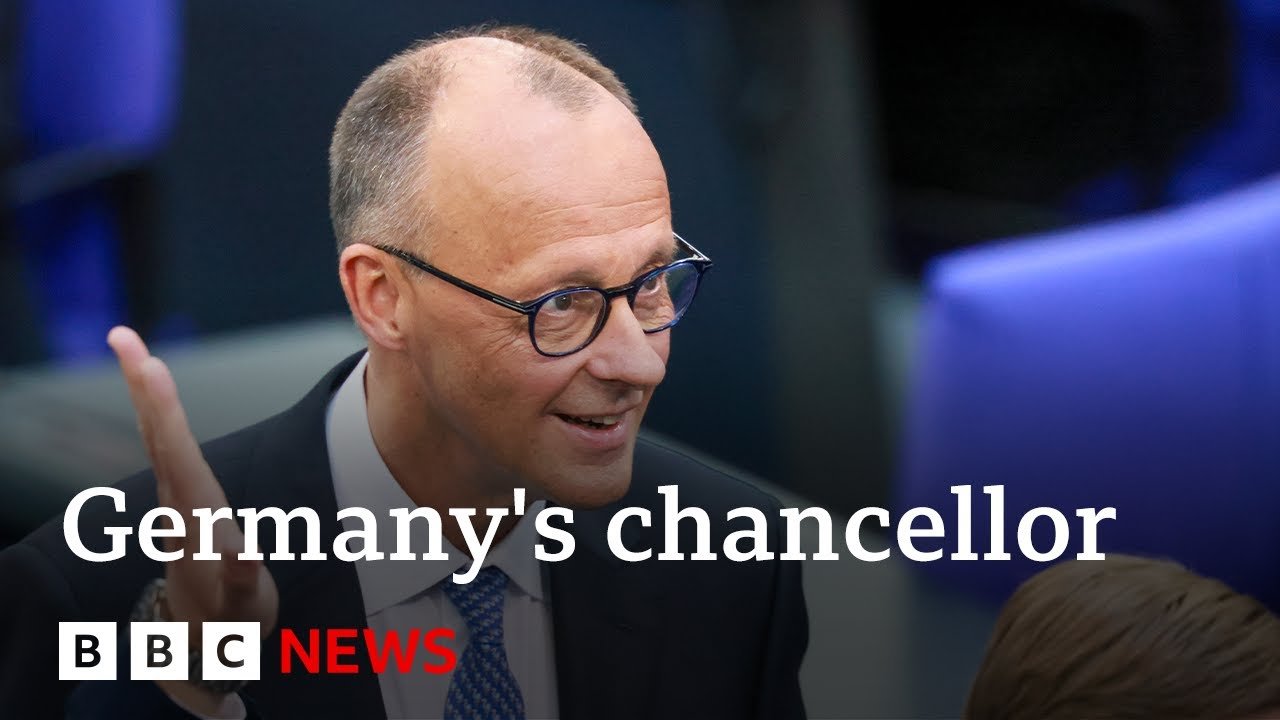
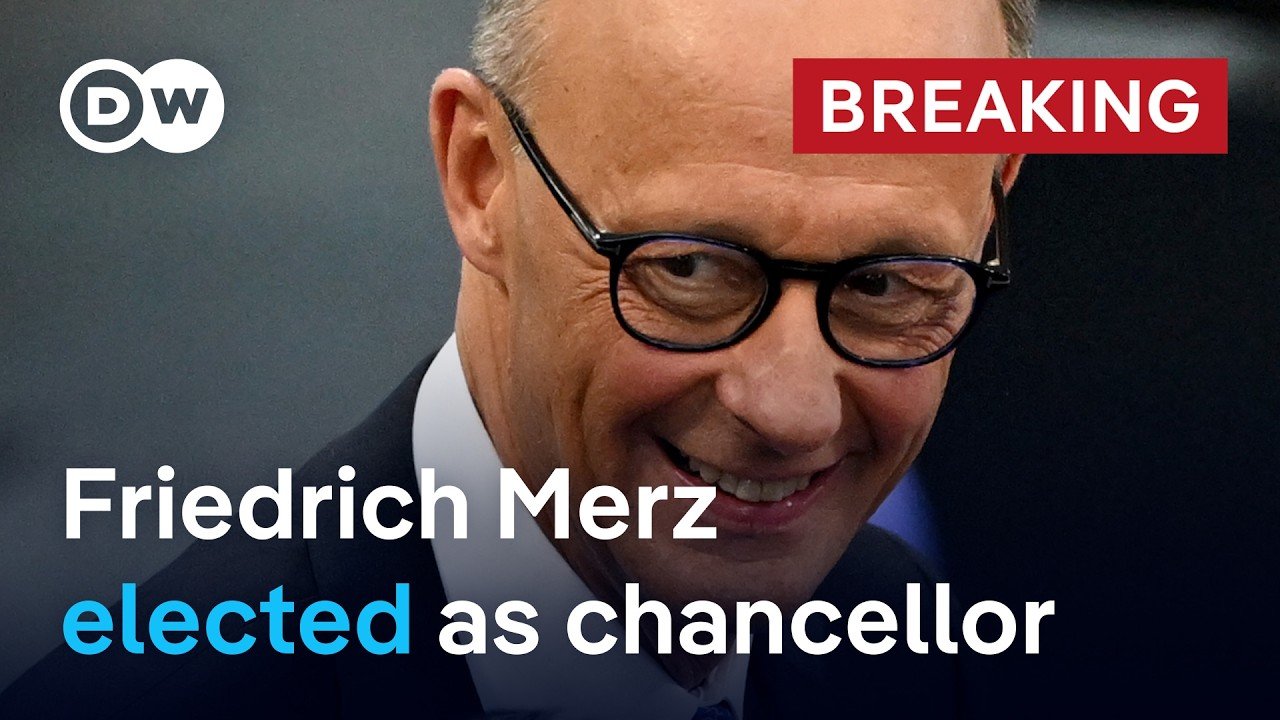
On May 6, Merz was elected chancellor by the Bundestag after initially failing to secure a majority in the first round of voting. He was confirmed in a second round later the same day and began leading a grand coalition between the CDU/CSU and SPD.
His election marked the end of months of political uncertainty after the collapse of Scholz’s government and the snap vote that followed.
Why the coalition collapsed
The “traffic light” coalition unraveled in 2024 amid a deep budget and ideology clash between the SPD, Greens and FDP. A constitutional court ruling had blocked the use of unspent pandemic funds, creating a large budget hole and intensifying disputes over whether Germany should loosen the debt brake to finance investment, aid to Ukraine and the energy transition.
Tensions sharpened as economic growth slowed, energy costs stayed high and state election results worsened the coalition’s standing. Scholz fired finance minister Christian Lindner on November 6, 2024, and the breakdown eventually led to a confidence vote on December 16, which triggered the snap election.
Campaign themes
Merz campaigned on “Policy Change for Germany,” promising tax cuts, deregulation and a more business-friendly economic agenda. He also pushed tougher migration policy, stricter border controls, faster deportations and a rollback of several reforms introduced by the previous government.
On security, Merz argued for stronger defense spending, the return of conscription and a more assertive European security role. He also pledged strong support for Ukraine and Israel, alongside closer coordination with the United States, France and Poland.
Why it matters
The election highlighted both voter frustration with the old coalition and the growing strength of Germany’s right wing, especially in the east where the AfD became dominant. High turnout, fragmentation in the party system and the return of a conservative-led government all point to a more polarized political landscape.
The new government’s early focus on defense, migration and economic revitalization suggests a clear break from the Scholz era, even as the coalition’s narrow base could limit how far it can go.
Read more: French Government Collapse 2025