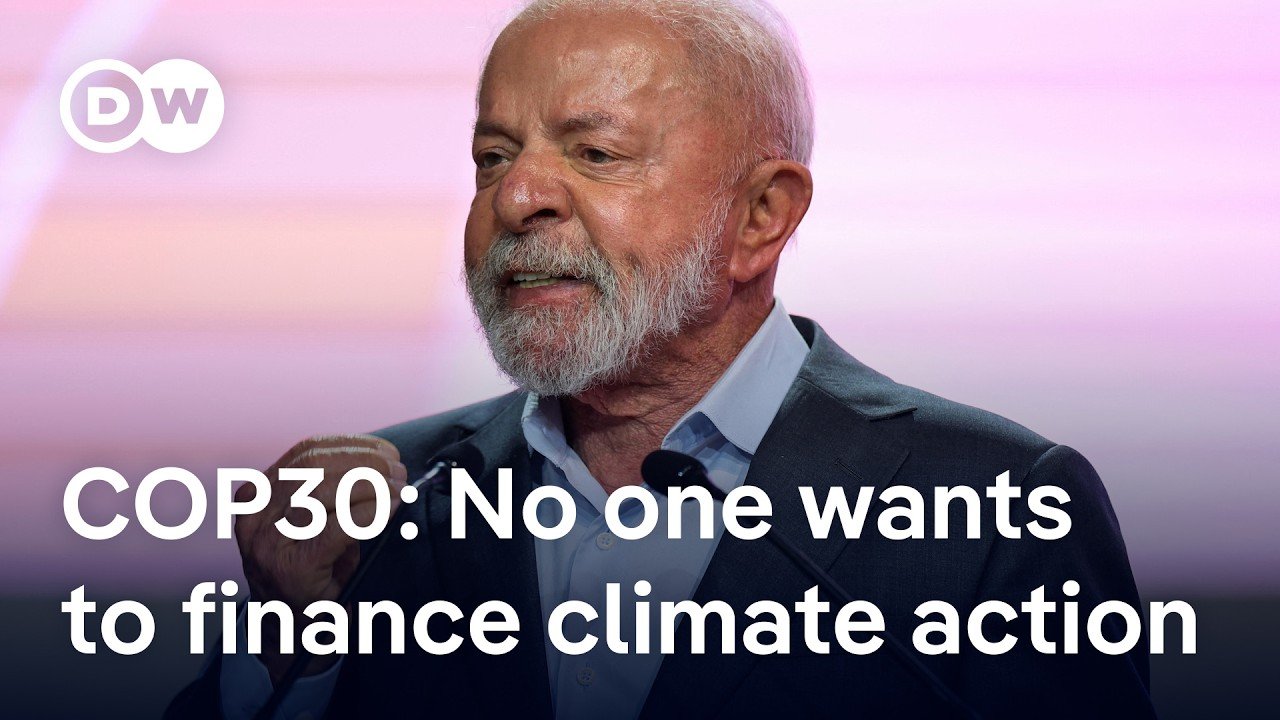
COP30, the 30th UN climate summit, ran from November 10 to 21, 2025 in Belém, Brazil and ended with a fragile deal that avoided explicit language on fossil fuels while still delivering a set of climate finance and adaptation measures.
The summit’s main decision, the “Global Mutirão”, reaffirmed the Paris Agreement and called for stronger collective action, even as negotiators fell short of the most ambitious expectations.
Delegates agreed to triple global adaptation finance by 2035, with the goal of mobilizing at least $120billion a year for vulnerable countries. They also created the Belém Action Mechanism to support workers and communities through the transition away from fossil fuels, and adopted new indicators under the Global Goal on Adaptation to track progress on resilience.
The talks also marked the first time trade was formally linked to climate action, with countries agreeing to continue discussions on how trade policy can support Paris Agreement goals.
What was left out
The biggest deadlock was over fossil fuels. Despite pressure from more than 80 countries, including the EU and UK, the final text did not include a roadmap for phasing out fossil fuels or direct language on “transitioning away” from them.
That omission reflected resistance from major oil producers such as Saudi Arabia and Russia. It left the summit vulnerable to criticism that it produced process wins without a clear path to cutting emissions fast enough.
Pressure outside the room
The summit was shaped by unrest inside and outside the negotiating halls. A fire in the Blue Zone on November 20, 2025, forced the evacuation of thousands of delegates and briefly suspended talks at a critical stage.
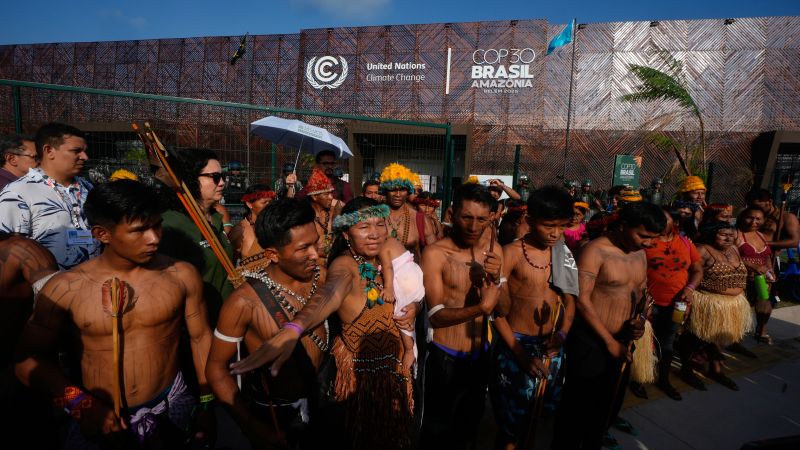
Earlier in the conference, indigenous protesters breached security on November 11. Groups like the Munduruku demanded an end to extractive projects in the Amazon and the demarcation of their lands. Protesters called for the Global North to “pay up” for climate damages, symbolized by a 30-metre-long snake (the cobra) carried through the streets
Protesters also targeted the host government, criticizing President Lula for allowing oil exploration at the mouth of the Amazon while hosting the climate summit.
The protests highlighted recurring demands from Indigenous groups, activists and civil society for stronger climate action, greater recognition of land rights and more accountability from wealthy countries on climate debt.
Finance and side deals
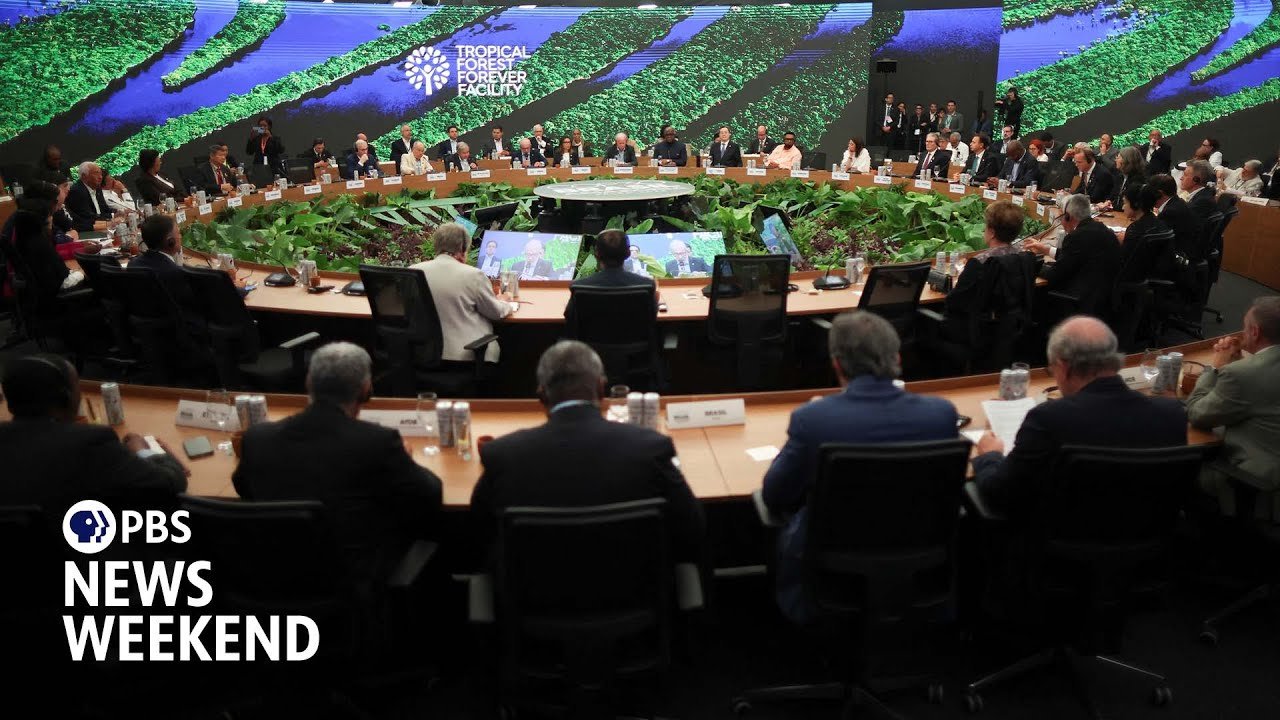
Outside the formal negotiations, Brazil launched the Tropical Forest Forever Facility, a funding mechanism designed to reward tropical forest conservation, with billions in early pledges. A separate coalition led by Brazil, Colombia and the Netherlands also began work on a voluntary fossil-fuel roadmap after the issue was excluded from the final accord.
Another major outcome was a Declaration on Information Integrity, aimed at combating climate disinformation.
The US absence
The United States did not send an official delegation, the first time in three decades it had skipped a COP. The absence followed the Trump administration’s broader anti-climate stance and was widely seen as weakening the summit’s political momentum.
At the same time, Washington moved in the opposite direction at home, rolling back environmental protections and freezing clean-energy funding. The contrast underscored how far US policy had drifted from the direction of the negotiations in Belém.
The EPA announced a rule that would leave approximately 81% of the country’s wetlands unprotected from development and destruction.Federal agencies rewrote rules to allow “economic impacts” — such as lost oil and gas revenue — to be considered when deciding whether to protect a species, a major departure from previous science-only standards.
The Interior Department announced plans to open 1.3billion acres of federal waters to oil and gas leasing. Rules aimed at reducing carbon emissions from coal plants and tailpipes were repealed or weakened. The administration halted the distribution of billions in clean energy funds, including $5billion intended for EV charging stations.