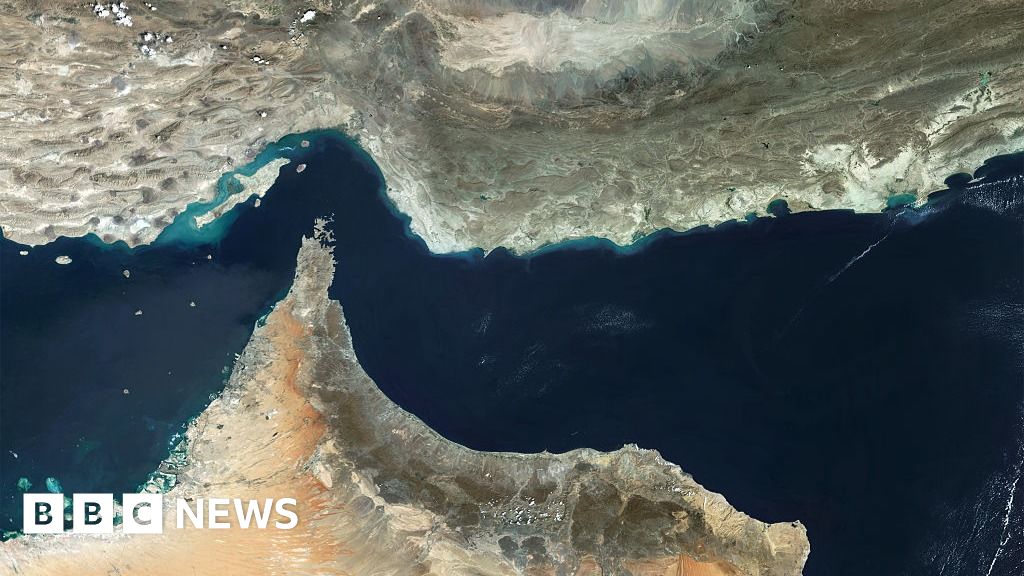
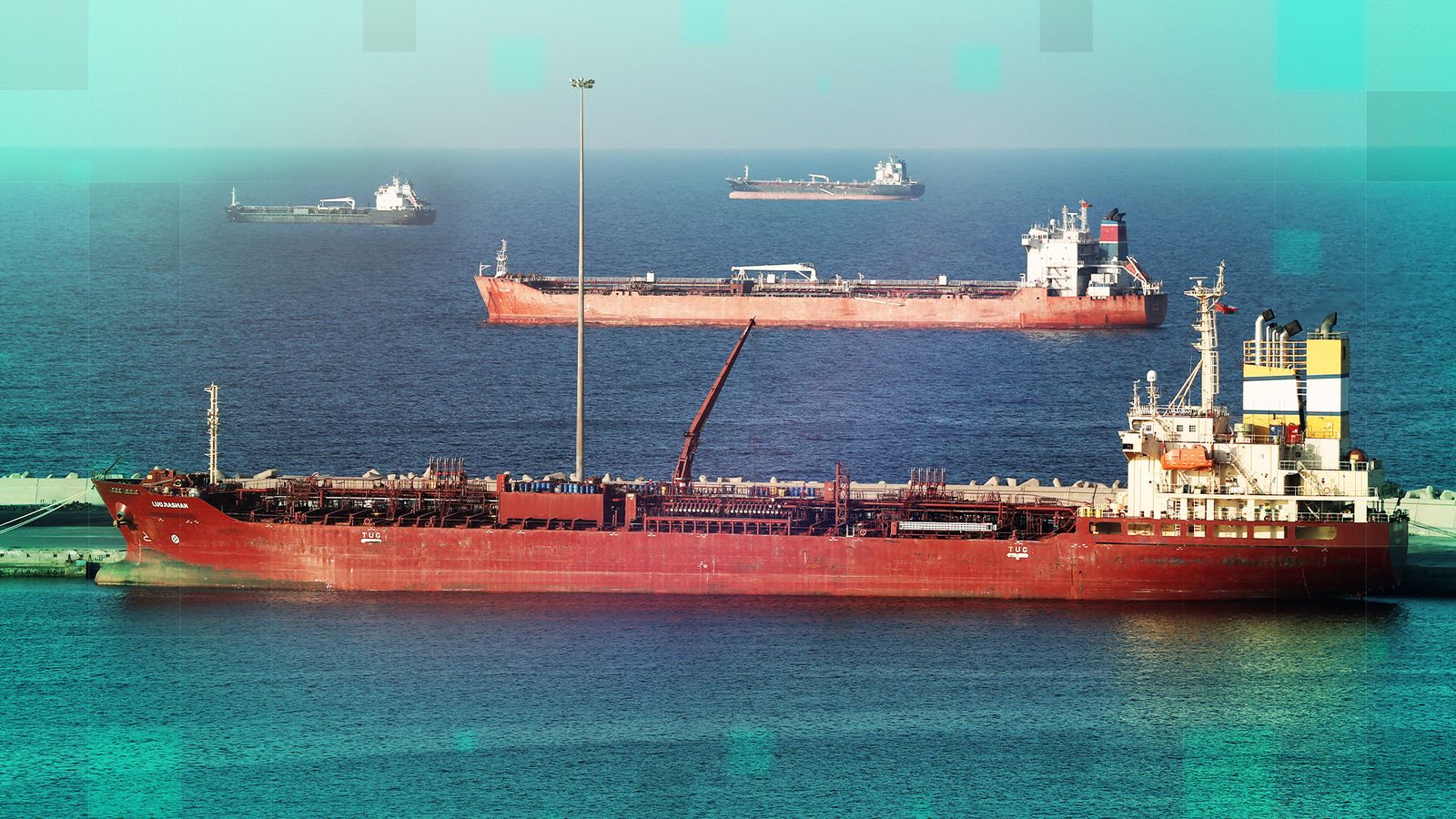
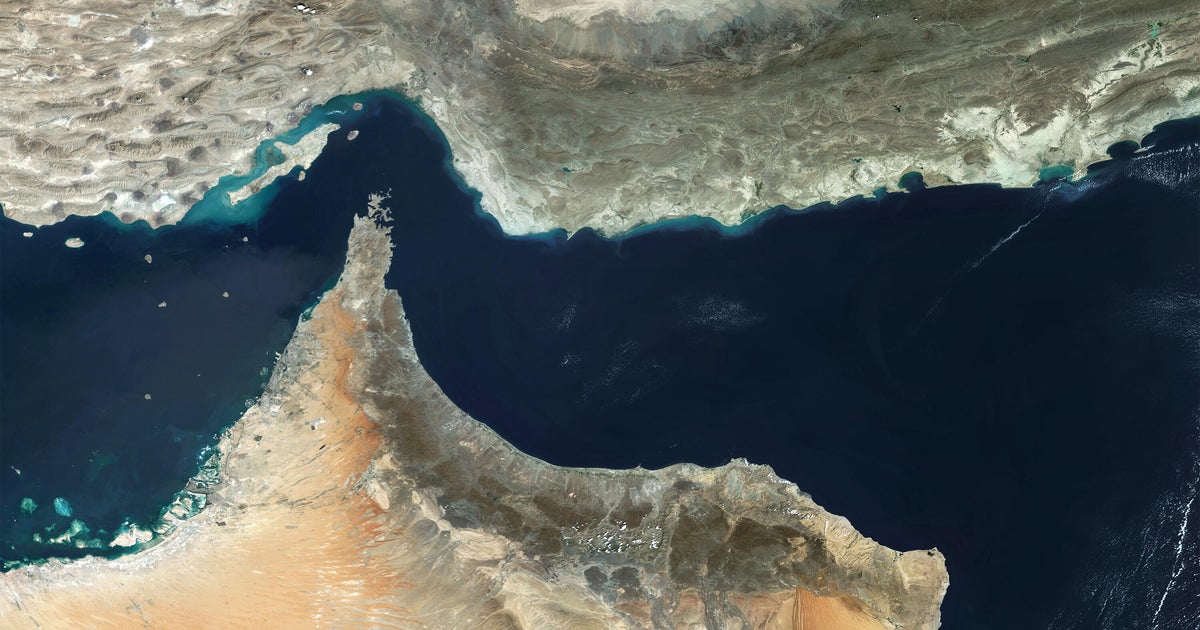
The Strait of Hormuz has entered a state of “near-total collapse” for commercial traffic, with the waterway effectively closed to most international shipping due to ongoing military strikes and threats from Iran’s Islamic Revolutionary Guard Corps (IRGC).
Commercial transit through the strait has plummeted by 90 to 97 percent. Major shipping lines including Maersk, Hapag-Lloyd and MSC have suspended all crossings.
President Donald Trump has encouraged ships to continue transits and stated the United States is assessing military escort missions for commercial tankers. France is leading an initiative to establish a defensive escort mission, while the G7 is exploring additional security measures.
Saudi Arabia is redirecting trade to its Red Sea ports to bypass the strait, though experts warn that existing pipelines cannot fully replace the 20 million barrels of oil that normally pass through the waterway daily.
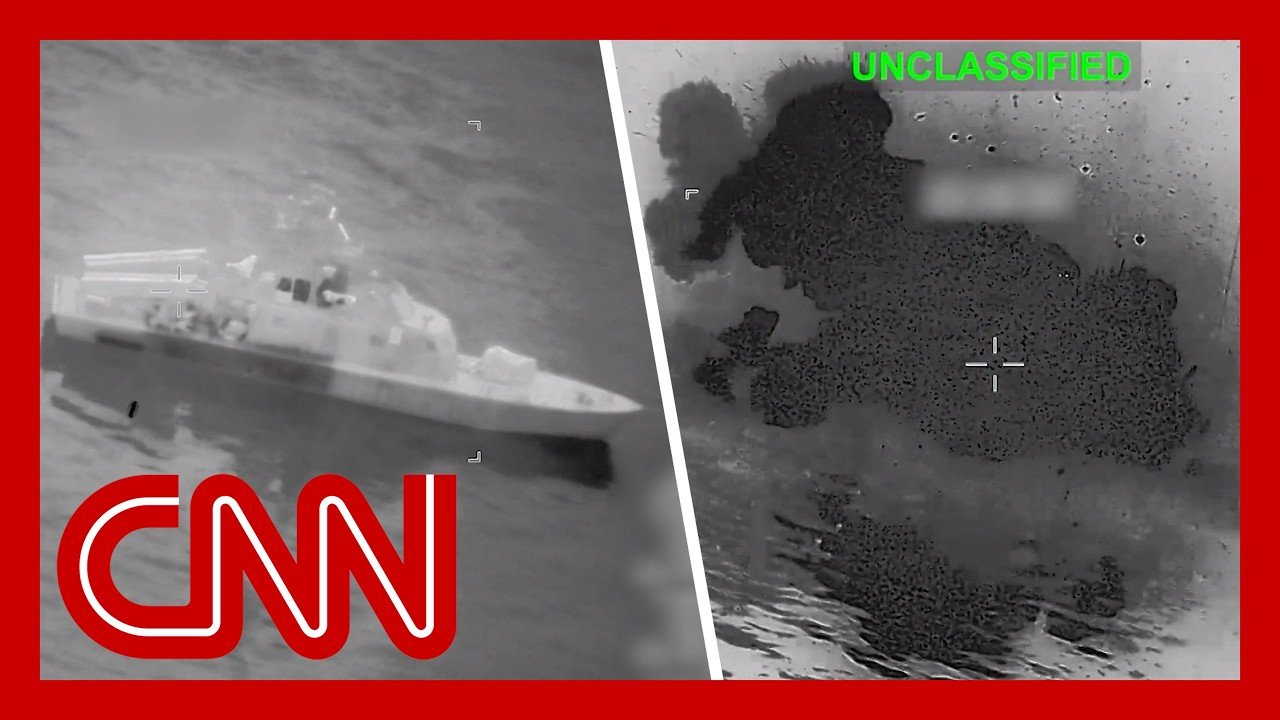
Reports indicate Iran has begun laying naval mines in the strait. In response, the US military reported it “eliminated” 16 Iranian mine-laying vessels on March 10 and 11.
Iran warns of $200-a-Barrel oil
Iran has declared it will not allow “even a single litre of oil” to pass through the strait for the benefit of the United States, Israel or their allies.
Beyond military strikes, Iran has threatened to target economic centers and banks that do business with the US or Israel.
US President Donald Trump has dismissed the threat as a “bluff” that will be “temporary,” though the United States has authorized the release of 172 million barrels from its Strategic Petroleum Reserve.
“Get ready for oil to be $200 a barrel, because the oil price depends on regional security, which you have destabilised,” said Ebrahim Zolfaqari, spokesperson for Iran’s Khatam al-Anbiya military command.
Get ready for oil to be $200 a barrel, because the oil price depends on regional security, which you have destabilised.
Ebrahim Zolfaqari, Iran’s Khatam al-Anbiya military command spokesperson
IEA unveils record oil release
On March 11, all 32 member countries of the International Energy Agency voted unanimously to release a record 400 million barrels of oil from strategic reserves, more than double the previous record release of 182 million barrels in 2022.
This is the largest coordinated release in the agency’s history, aimed at stabilizing global energy markets following supply disruptions.
The United States will contribute 172 million barrels from its Strategic Petroleum Reserve. Japan will release 80 million barrels, starting as early as next week. South Korea will contribute 22.5 million barrels, Germany 19.5 million barrels, France 14.5 million barrels and the United Kingdom 13.5 million barrels.
Supply disruption and Gulf production cuts
Approximately 20 million barrels per day, or 20 percent of global consumption, is currently stranded.
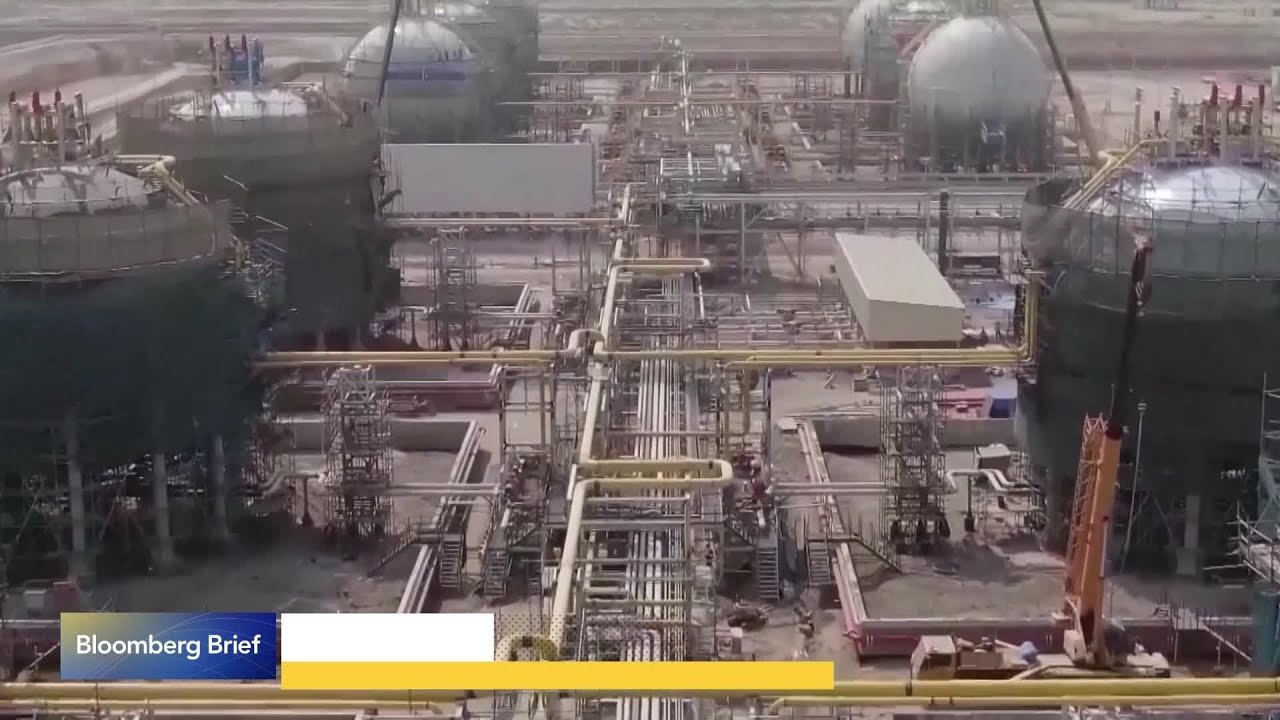
Gulf producers including Kuwait, Iraq and Saudi Arabia have begun cutting output as they run out of storage space for oil that cannot be exported.
Existing pipelines through Saudi Arabia and the United Arab Emirates can redirect only about 3 million barrels per day, leaving 85 percent of regional exports stuck.
Tankers attacked in the Strait
At least two oil tankers carrying Iraqi fuel were attacked by Iranian explosive-laden boats in Iraqi territorial waters on March 11.
The strikes occurred near the port of Al Basrah during a ship-to-ship transfer operation, leaving both vessels in flames and resulting in at least one reported death. Iraq’s oil ports have completely halted operations following these assaults.
The Mayuree Naree was hit by projectiles north of Oman, causing a major fire and leaving three crew members missing. The Japan-flagged ONE Majesty and the Marshall Islands-flagged Star Gwyneth sustained minor damage from projectiles while at anchor near the UAE.
Market impact and price scenarios
Following the threat and reports of strikes on tankers, Brent crude surged to approximately $119 to $126 per barrel before fluctuating as markets processed the news.
The closure of the strait has removed roughly 20 million barrels per day from the global market.
Analysts suggest that while $200 per barrel is an extreme scenario, it remains a “lower bound” if Iran successfully cripples the export infrastructure of neighboring Gulf states.
Read also:
Iran War enters ‘most intense’ phase after Trump’s comments on near completion
Strait of Hormuz ‘effective closure’ triggers global energy shock