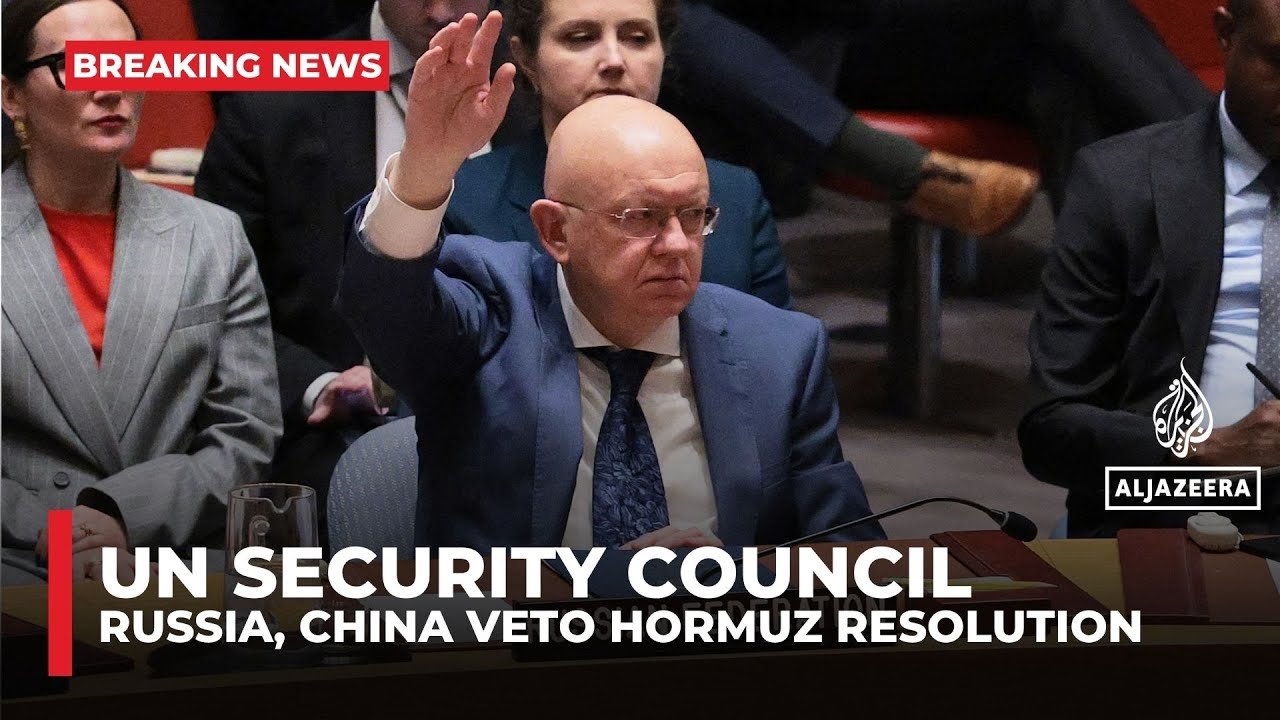
On 7 April 2026, the UN Security Council failed to pass a Bahrain-sponsored resolution aimed at securing commercial shipping in the Strait of Hormuz, vetoed by Russia and China. The vote saw 11 in favor, two vetoes, and abstentions from Colombia and Pakistan.
Russia and China argued the text was biased against Iran and failed to address the “root causes” of the conflict, namely military actions by the US and Israel. They described the resolution as a potential “blank check” for further military escalation.
The resolution was presented by Bahrain on behalf of the Gulf Cooperation Council (GCC).
The revised UN Security Council resolution on securing the Strait of Hormuz faced a vote on Tuesday, April 7, 2026 (New York time). Russia and China vetoed it hours before a US-set deadline, with 11 votes in favor and abstentions from Pakistan and Colombia.
Key Provisions of the Proposed Resolution
The initiative’s primary goals were to strengthen defensive coordination, secure a ceasefire, and protect vital infrastructure.
The draft had been significantly “watered down” during negotiations to avoid a veto, ultimately removing any explicit authorization of force.
Offensive language was removed, shifting to “defensive measures” only; scope narrowed to the Strait itself, excluding adjacent waters; and Security Council authorization was dropped, making it non-binding encouragement for coordination like vessel escorts. Final provisions demanded Iran cease attacks and impediments to navigation.
It called on participating states to collaborate on defensive measures aimed at ensuring maritime safety, including the use of naval escorts for merchant vessels. At the same time, it demanded that Iran immediately cease all attacks on commercial shipping and end any actions that threaten freedom of navigation in the strait. The plan also stressed the need to halt strikes against civilian infrastructure, particularly key facilities such as desalination plants and oil and gas installations.
How did the international community react?
Bahrain Foreign Minister Abdullatif bin Rashid Al Zayani expressed deep regret, warning the failure sends the “wrong signal” that threats to vital waterways might go unanswered.
The Secretary-General of GCC Secretariat, Jassim al-Budaiwi, condemned the continued Iranian attacks as a “flagrant violation” of international law and called for immediate collective action to ensure uninterrupted navigation.
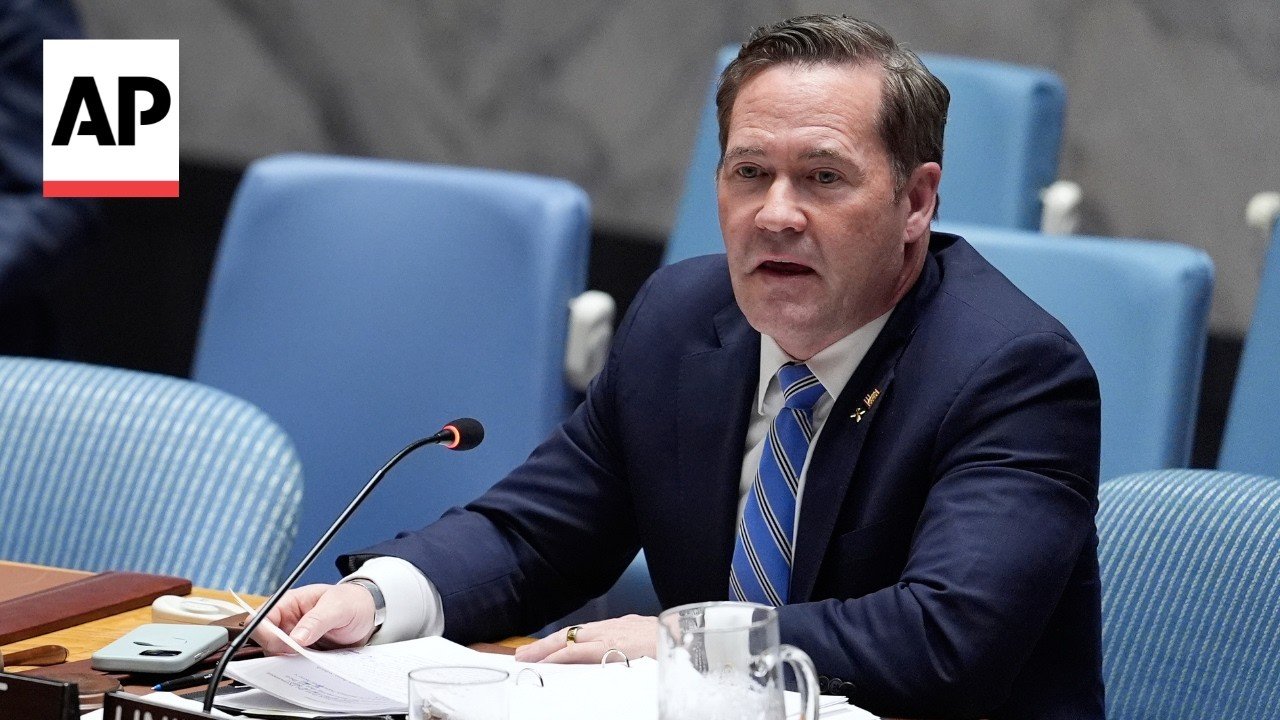
US Ambassador Mike Waltz slammed the vetoes as a “new low” and accused Russia and China of holding the global economy “at gunpoint”. He urged “responsible nations” to join US-led efforts to secure the waterway outside of the UN framework.
Iranian Ambassador Amir Saeid Iravani praised the vetoes, stating they prevented the Security Council from being “misused to legitimize aggression” by Western powers.
French Ambassador Jerome Bonnafont “deplored” the outcome, arguing the resolution was purely defensive and aimed at preventing further escalation rather than fueling it.
Western officials warned that the continued blockade is preventing critical medical aid from reaching conflict zones in Sudan, Gaza, and the Congo.
Crude prices spiked following the vote as traders realized a UN-sanctioned solution was no longer on the table. Analysts noted that with roughly 20% of global oil and LNG stalled in the strait, the veto significantly increased the risk of a prolonged global energy crisis.
US and Iran agreed to a ceasefire
The US and Iran agreed to a fragile two-week ceasefire on April 7, 2026, mediated by Pakistan, hours before President Trump’s deadline. Iran committed to allowing safe vessel transit through the Strait of Hormuz during this period, paving the way for talks in Islamabad.