Conservative candidate Nasry Asfura of the National Party won Honduras’ 2025 presidential election and was sworn in on January 27, 2026, following a deeply contested vote marked by delays, fraud allegations and unusually direct U.S. involvement.
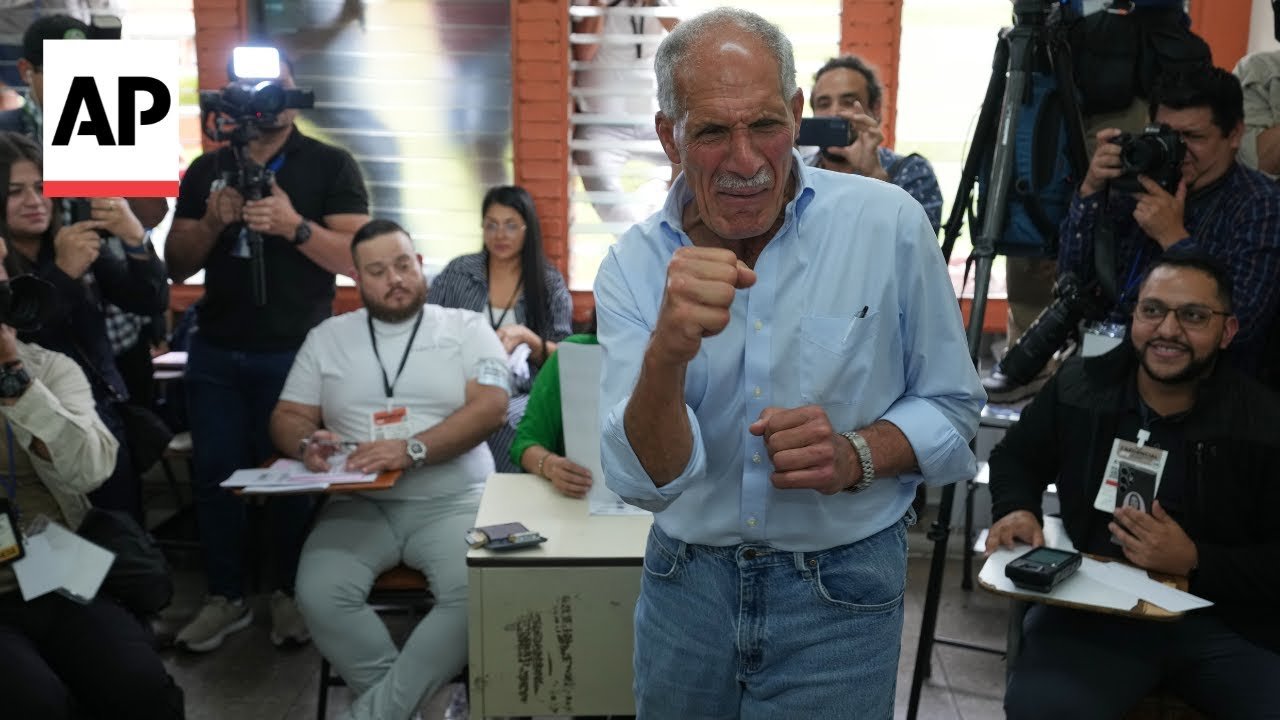
The election, held on November 30, 2025, unfolded in a tense and polarized environment. Early results showed Asfura narrowly ahead, with about 41% of the vote compared to roughly 39% for Liberal Party candidate Salvador Nasralla and around 20% for ruling-party contender Rixi Moncada.
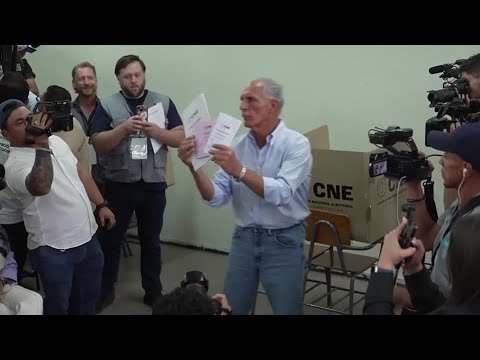
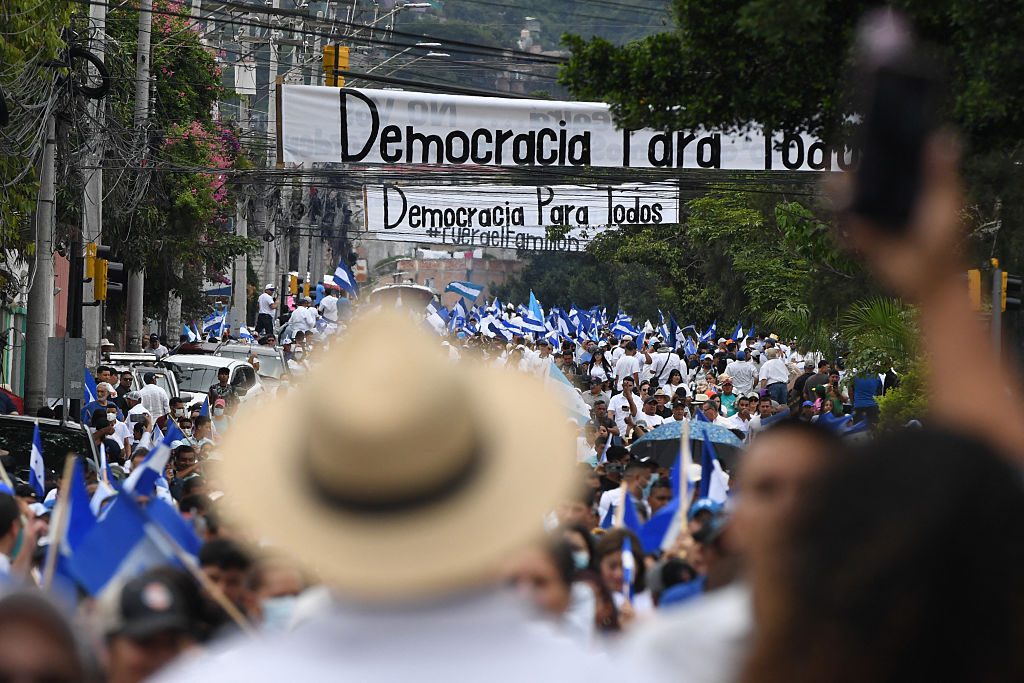
Technical failures and inconsistencies in the vote-counting process forced a manual recount of about 15% of tally sheets. A significant number of those records were flagged for irregularities and set aside for special review, triggering protests and competing claims of victory.
Both Asfura and Nasralla declared themselves the winner, while the ruling LIBRE party called for the election to be annulled. Outgoing President Xiomara Castro denounced the process as an “electoral coup”, citing alleged manipulation and intimidation.
Weeks-long standoff before result
After weeks of disputes, the National Electoral Council (CNE) declared Asfura the winner on December 24. His margin in preliminary counts had been just 1 to 1.5 percentage points.
The National Party also secured a plurality in the National Congress, while the Liberal Party emerged as the second-largest bloc, overtaking LIBRE.
Trump’s intervention raised stakes
Asfura, a former mayor of Tegucigalpa, ran as the conservative candidate and received explicit backing from US President Donald Trump. Nasralla positioned himself as a centrist, anti-corruption figure, while Moncada, backed by Castro, framed the race as a choice between entrenched elites and democratic socialism.
The campaign was dominated by personal attacks, disinformation and mutual accusations of fraud, with limited focus on policy.
Trump endorsed Asfura days before the vote, labeling Nasralla a “borderline communist” and warning that US aid could be suspended if Asfura lost. The move drew criticism for its directness and timing.
In a separate but related development, Trump pardoned former Honduran president Juan Orlando Hernández on December 2, 2025, as Hernández was serving a 45-year US prison sentence for drug trafficking.
Why it matters
The election exposed ongoing weaknesses in Honduras’ electoral system, despite reforms introduced after the disputed 2017 vote. Weeks of delays, recounts and legal challenges underscored the fragility of public trust in the process.
The outcome is expected to shape Honduras’ direction on corruption, migration, security and its relationship with the United States through the 2026 to 2030 term.