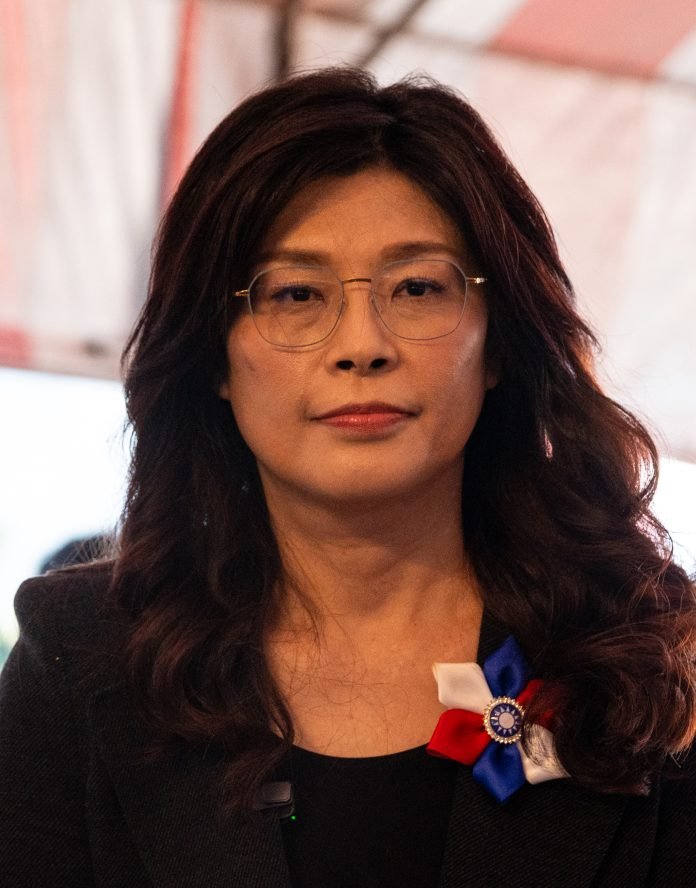
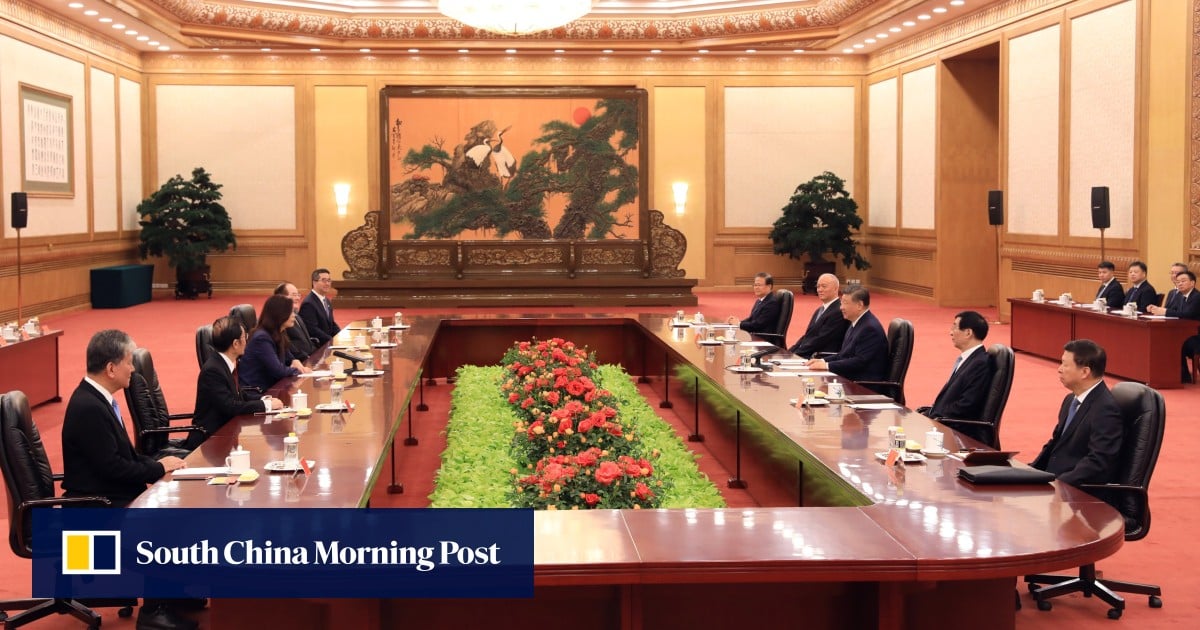
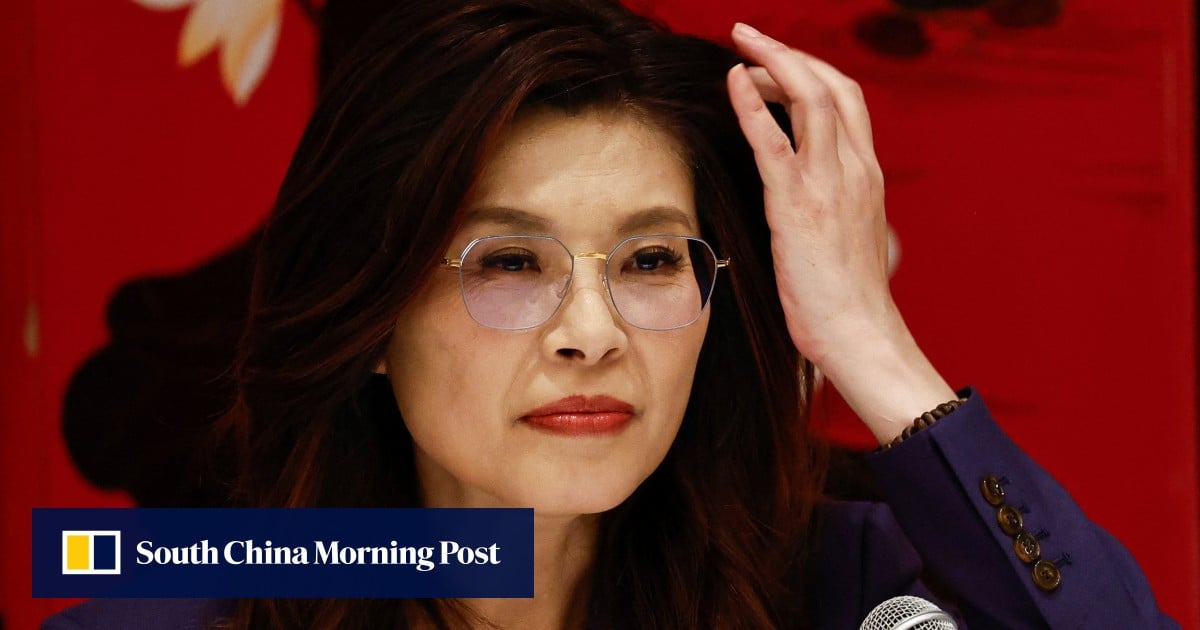
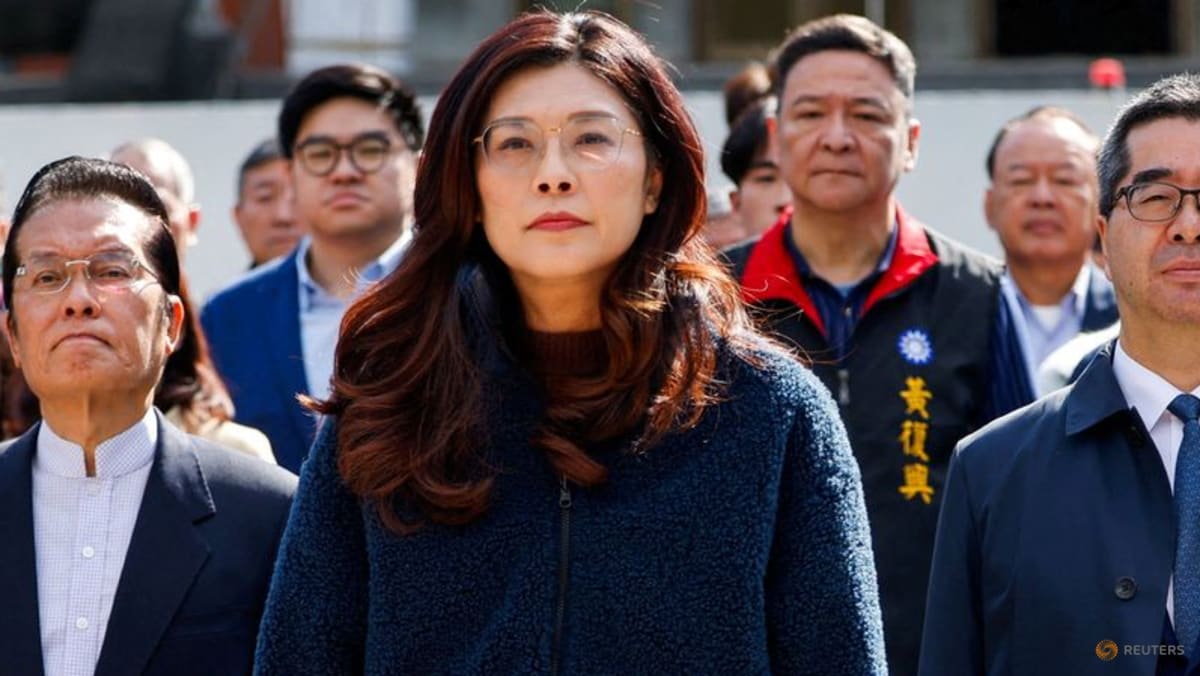
In a historic meeting on 10 April 2026, Chinese President Xi Jinping met with Cheng Li-wun, the chairwoman of Taiwan’s main opposition party, the Kuomintang (KMT), at the Great Hall of the People in Beijing. This was the first face-to-face meeting between the sitting leaders of the two parties in nearly a decade.
Cheng framed the trip as a “journey for peace” to reduce tensions through dialogue. The visit occurred while the KMT-dominated legislature in Taiwan was stalling a proposed $40 billion special defense budget for US arms.
Xi: We are “all Chinese”
Both leaders emphasized a desire for cross-strait peace and stability. Xi stated that “compatriots on both sides of the strait are all Chinese” and belong to “one family”.
As reported by SCMP, President Xi Jinping told KMT Chairwoman Cheng Li-wun that “the larger trend of compatriots on both sides of the strait walking nearer, closer, and together will not change,” calling it a “historical necessity”. Xi further emphasized that despite differing political systems, no one can “stop the historical trend of national unification”.
Xi reaffirmed that China would “absolutely not tolerate” Taiwan independence, labeling it the “chief culprit” behind regional instability. Cheng echoed Xi’s calls for a shared political foundation based on the “1992 Consensus” and opposition to Taiwan independence.
Following the meeting, Beijing announced 10 incentive measures to promote ties, including resuming individual travel from Fujian and Shanghai to Taiwan, and easing imports of Taiwanese agricultural and fishery products.
Cheng invited Xi Jinping to visit Taiwan in the future, suggesting this could occur if the KMT returns to power in the 2028 election.
What were the 10 incentives?
Beijing’s Taiwan Affairs Office (TAO) unveiled a 10-point incentive package designed to bypass the current DPP government and strengthen ties with the opposition.
The 10 incentive measures are as follows:
Direct Dialogue Mechanism: Establishing a “regularized communication mechanism” between the Kuomintang (KMT) and the Chinese Communist Party (CCP) to discuss policy.
Resumption of Individual Travel: Allowing residents from Shanghai and Fujian province to travel to Taiwan as individual tourists.
Expanded Air Links: Fast-tracking the full resumption of regular direct passenger and cargo flights across the Taiwan Strait.
Agricultural & Fishery Imports: Easing inspection standards and promoting the import of Taiwanese farm and fishery products that meet mainland standards.
Cultural Access for Media: Allowing the broadcast of Taiwanese TV dramas, documentaries, and animations on mainland platforms, provided they have “correct orientation”.
Micro-Drama Participation: Opening the mainland’s booming micro-drama industry to Taiwanese creators and production teams.
Support for Small Businesses: Special measures to help Taiwanese small and medium-sized enterprises (SMEs) expand their operations and investments in the mainland market.
Infrastructure Connectivity: Proposing sea bridges and shared utility links (water, electricity, and gas) between Fujian and the Taiwan-controlled islands of Kinmen and Matsu.
Kinmen Airport Access: Offering residents of Kinmen access to the new international airport under construction in Xiamen.
Youth Exchange Programs: Funding and expanding programs to encourage Taiwanese youth to study, work, and start businesses on the mainland.
These measures are explicitly conditional on the “1992 Consensus” and opposition to Taiwan independence.
What were the reactions?
The ruling Democratic Progressive Party (DPP) and the Mainland Affairs Council (MAC) condemned the meeting. They criticized Cheng for acting as a “united front accomplice” and described Beijing’s economic incentives as “sugarcoated poison” designed to bypass Taiwan’s democratically elected government.
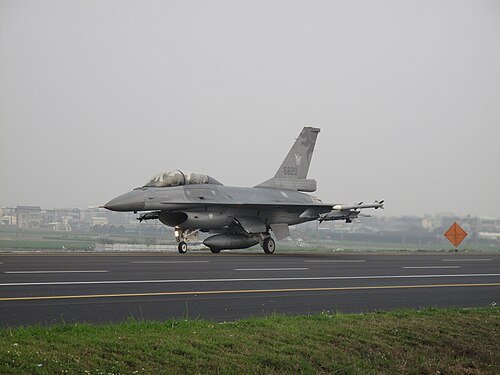
While the meeting took place, Taiwan’s defense ministry reported spotting several Chinese warplanes around the island, leading critics to question the sincerity of Beijing’s “peace” rhetoric.
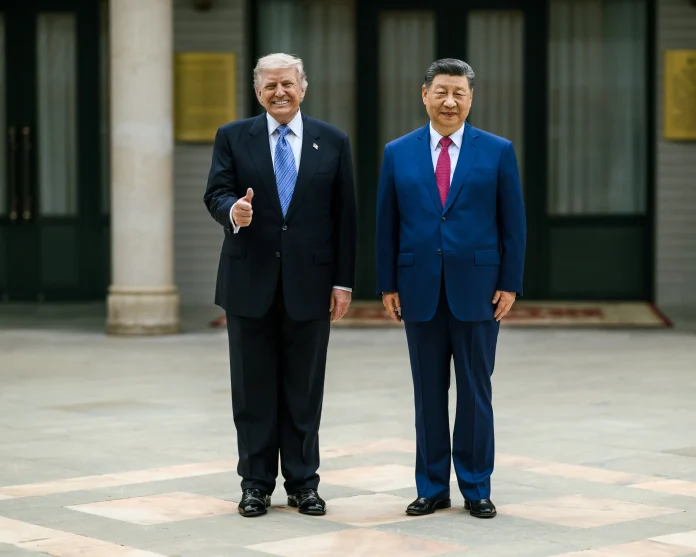
Analysts noted the meeting gave Xi leverage ahead of a planned summit with US President Donald Trump in May, signaling that significant political forces in Taiwan favor closer ties with the mainland.
The Taipei Times reported on April 14, 2026 that various civic organizations accused KMT Chairwoman Cheng Li-wun of serving as a “political puppet” for Beijing. These groups called for a formal investigation into her trip, alleging collusion with external enemies and claiming her actions undermined Taiwan’s sovereignty by bypassing the central government to negotiate with the CCP.