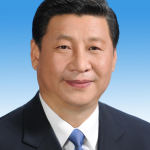
US President Donald Trump concluded a high-profile two-day state visit to Beijing, China from 13 to 15 May 2026, which he hailed as a “tremendous success” and a “historic moment,” even though analysts noted the summit was heavy on pageantry but light on concrete policy breakthroughs.
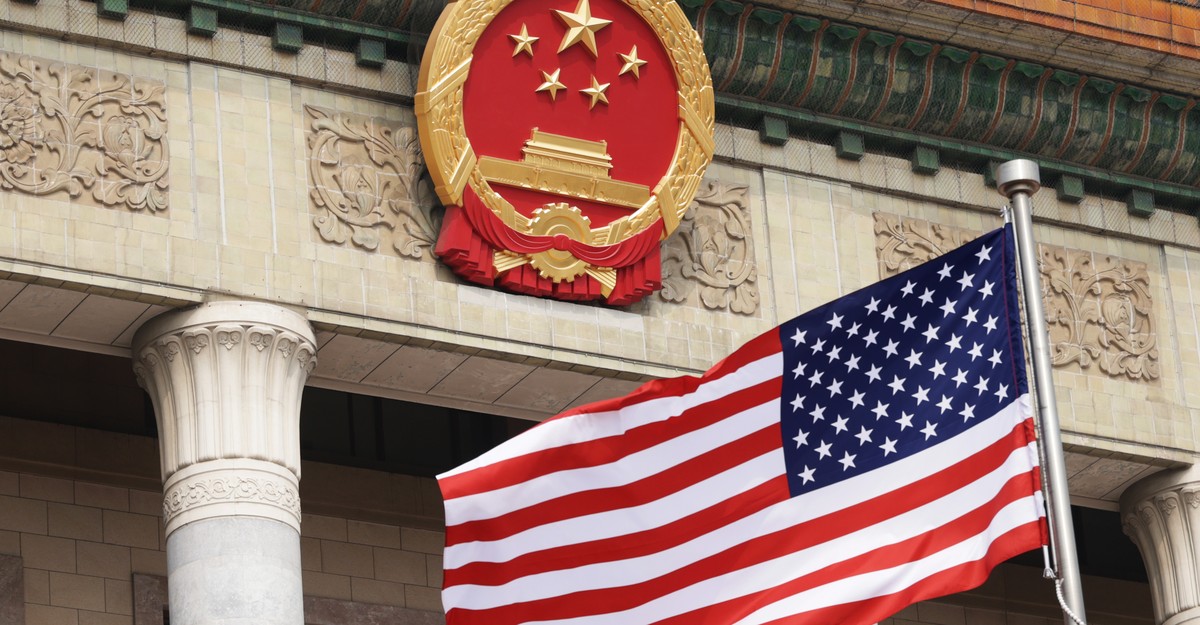
The visit, Trump’s first to China since returning to office, centered on trade, agriculture, Taiwan, artificial intelligence, and the war involving Iran. Chinese President Xi Jinping gave Trump a highly choreographed welcome that included a military honor guard, a ceremonial reception at the Great Hall of the People, and a rare visit to Zhongnanhai, the compound where China’s top leaders live and work.
Who attended?
Unlike standard diplomatic missions, Trump’s entourage leaned heavily on corporate executives to emphasize an economic agenda. High-profile US tech leaders including Elon Musk (Tesla), Tim Cook (Apple), and Jensen Huang (Nvidia) traveled aboard Air Force One. Their prominent inclusion inside closed-door meetings directly boosted global tech and AI-related stocks.
CEOs including Elon Musk, Jensen Huang and Tim Cook attend a state banquet for President Donald Trump and China's President Xi Jinping at the Great Hall of the People in Beijing https://t.co/u5Qo9svCuD pic.twitter.com/gjsiDcq6Tj
— Bloomberg (@business) May 14, 2026
The US government delegation included Secretary of State Marco Rubio, Treasury Secretary Scott Bessent, Defense Secretary Pete Hegseth, Trade Representative Jamieson Greer, and US Ambassador to China David Perdue. Also on the trip were senior White House aides Stephen Miller, James Blair, and Steven Cheung, as well as Eric and Lara Trump.
Other business leaders in the delegation included Dina Powell McCormick of Meta; Larry Fink of BlackRock; Stephen A. Schwarzman of Blackstone; David Solomon of Goldman Sachs; Jane Fraser of Citigroup; Kelly Ortberg of Boeing; Larry Culp of GE Aerospace; Cristiano Amon of Qualcomm; Sanjay Mehrotra of Micron Technology; Jim Anderson of Coherent; Ryan McInerney of Visa; Michael Miebach of Mastercard; Brian Sikes of Cargill; and Jacob Thaysen of Illumina.
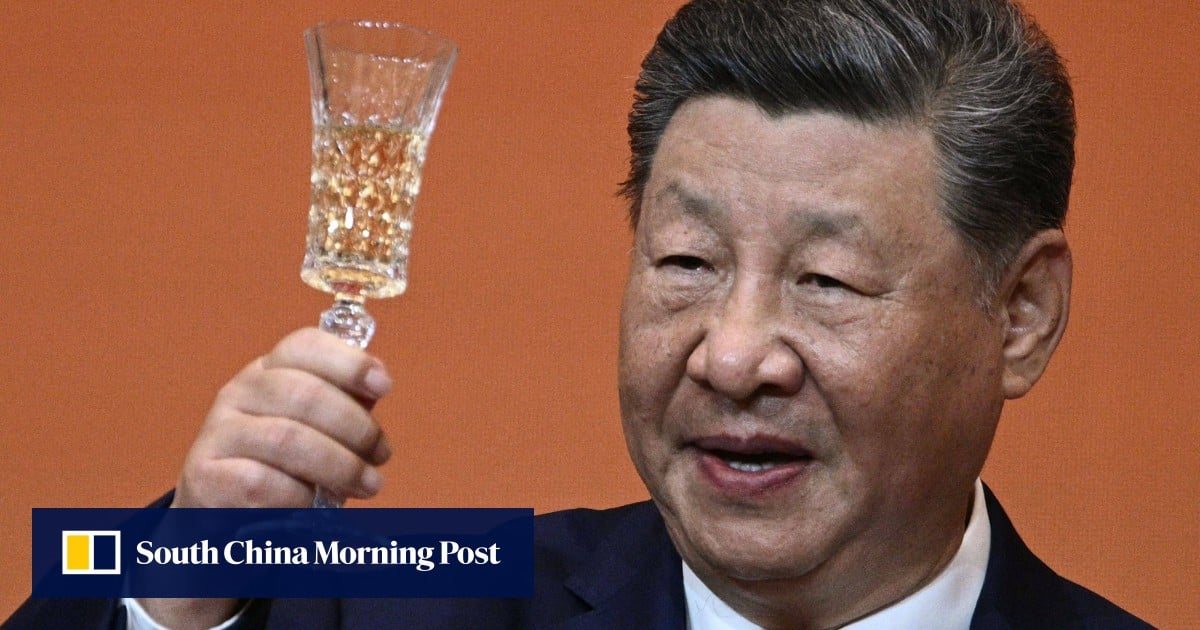

Key moments
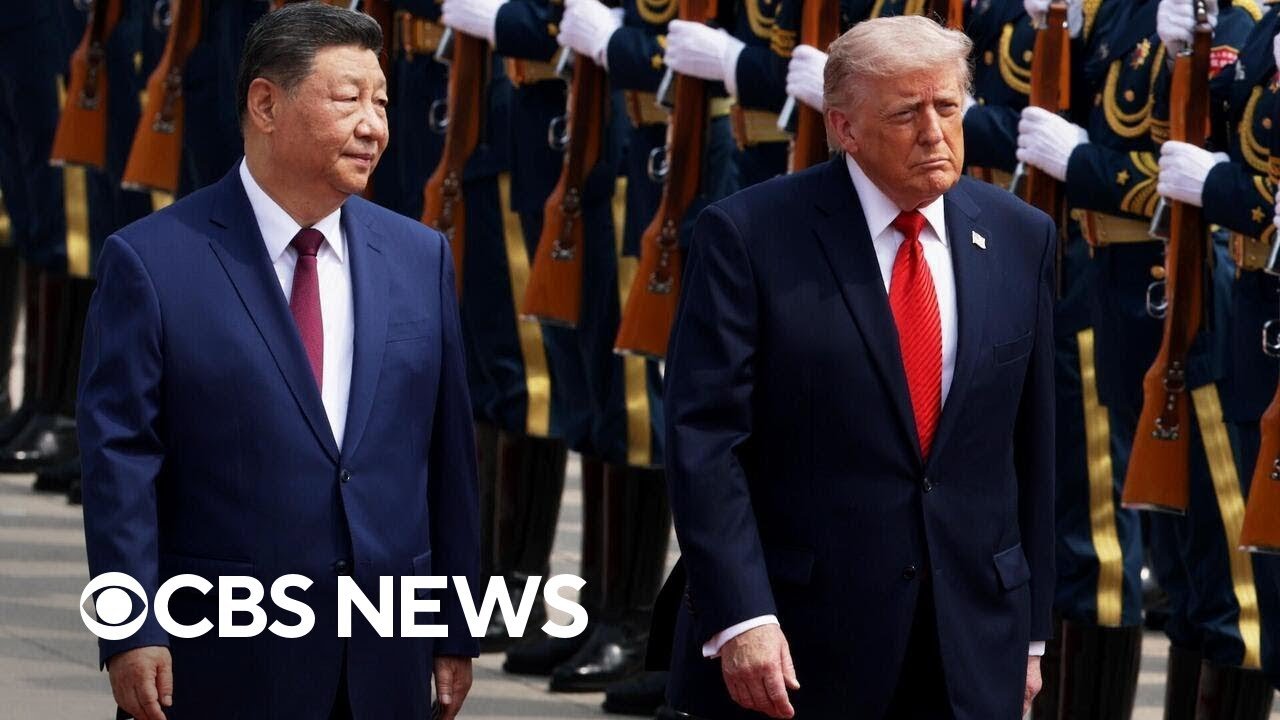
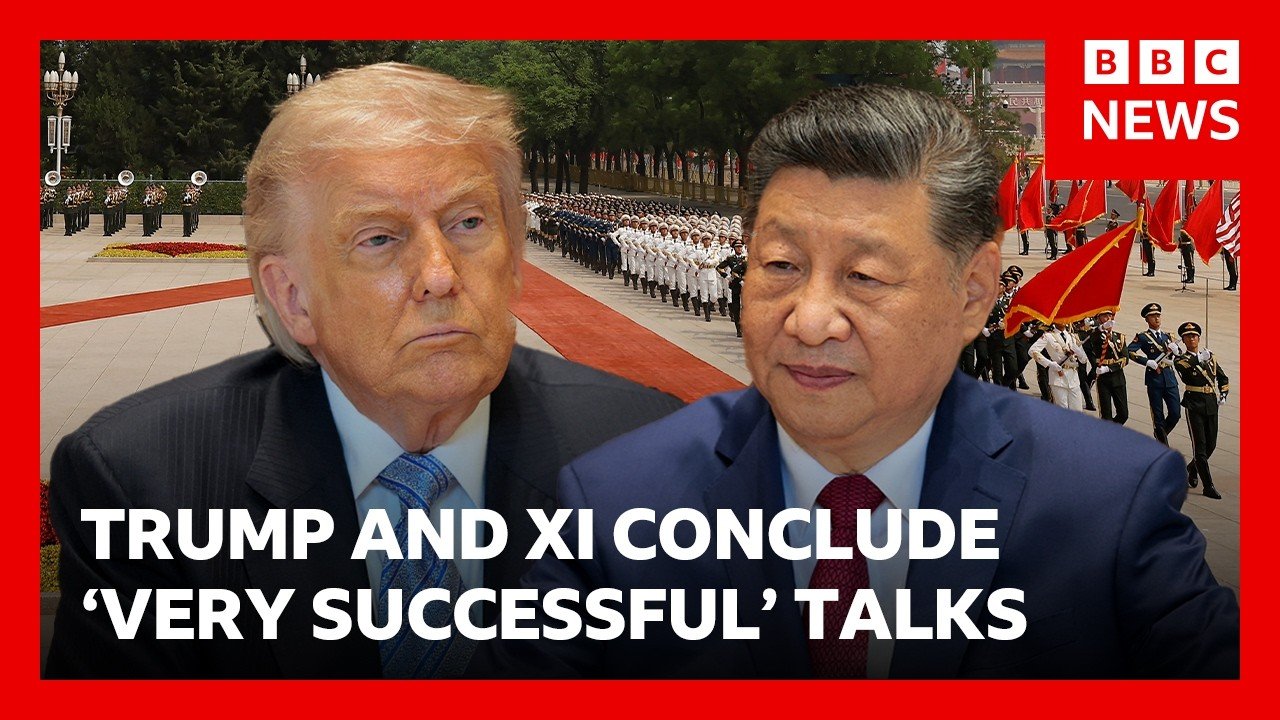
Trump arrived in Beijing to a formal ceremonial greeting that included a 21-gun salute, a military honor guard, a red carpet, and a young girl presenting him with flowers, a gesture that set the tone for the highly choreographed visit.
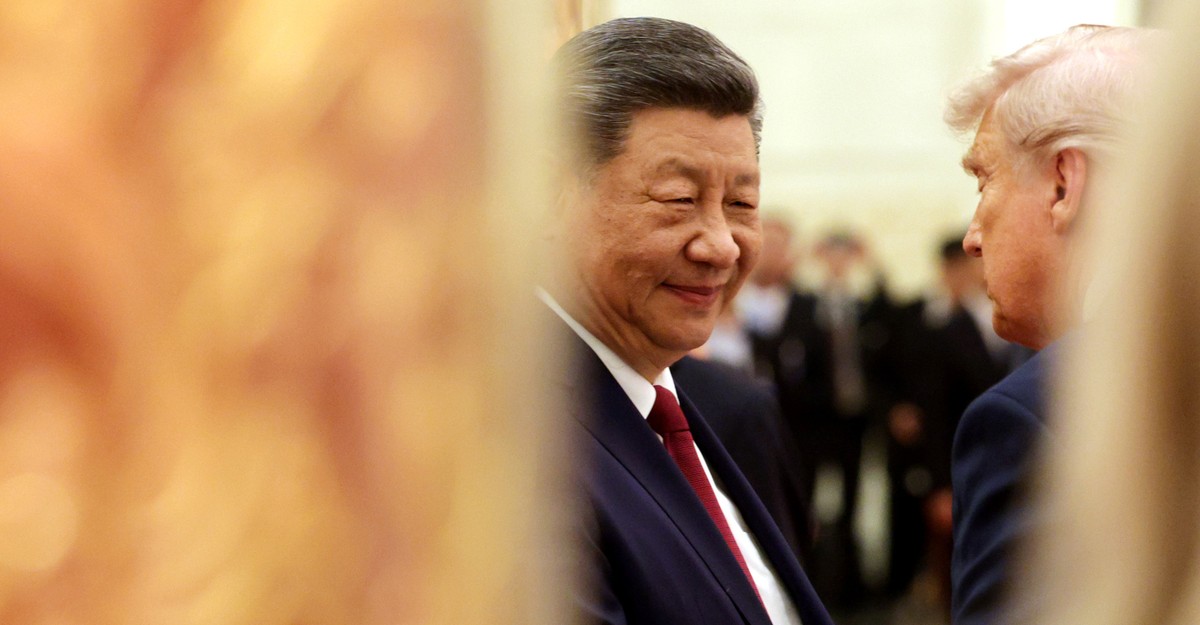
During the opening of the summit at the Great Hall of the People on May 13, Trump told Xi, ‘It’s an honor to be your friend,’ before adding that the relationship between the two countries would be ‘better than ever before’.
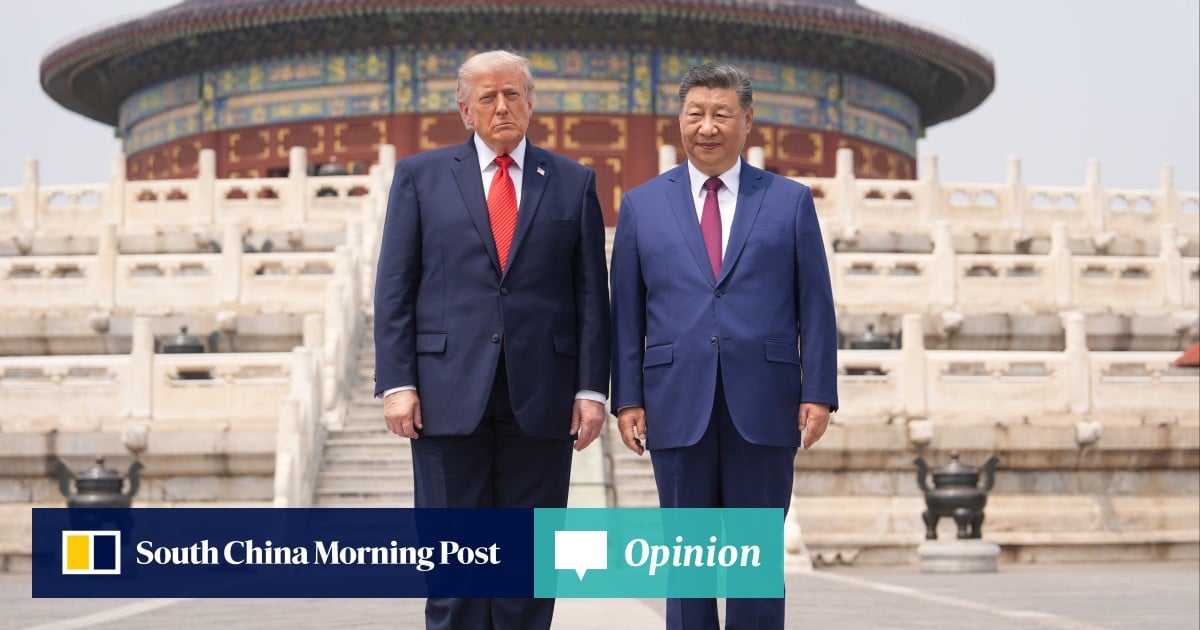
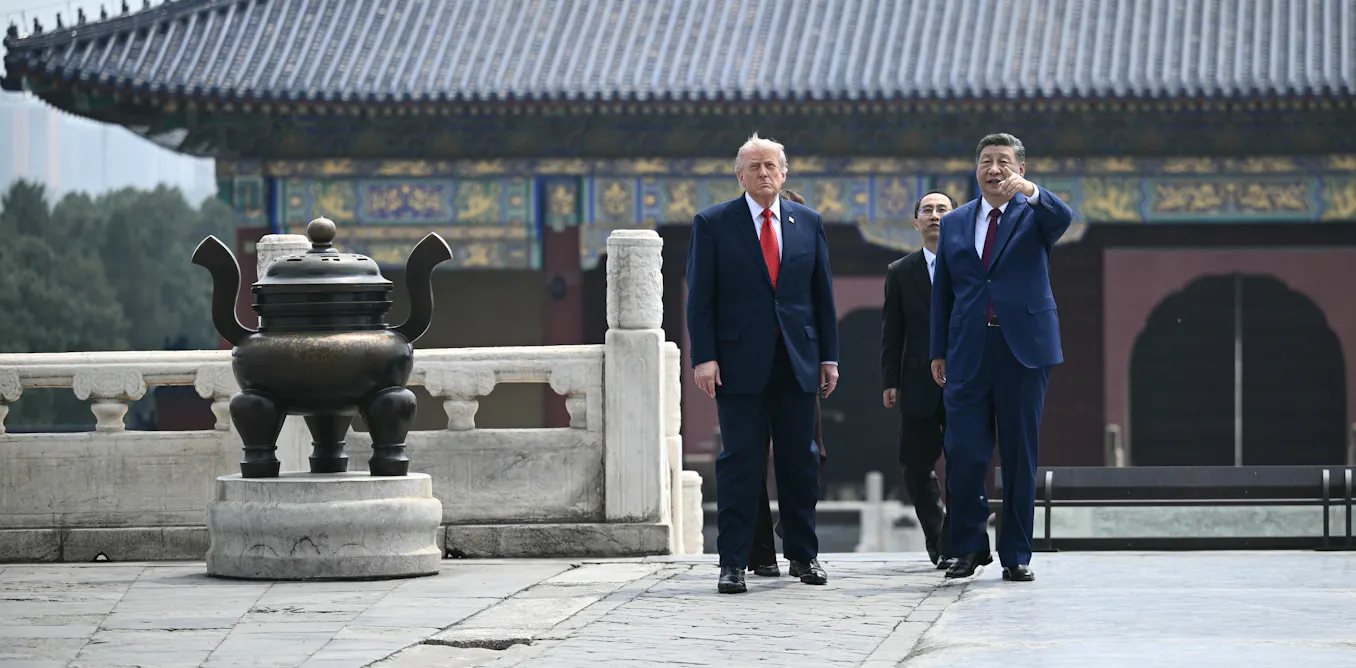
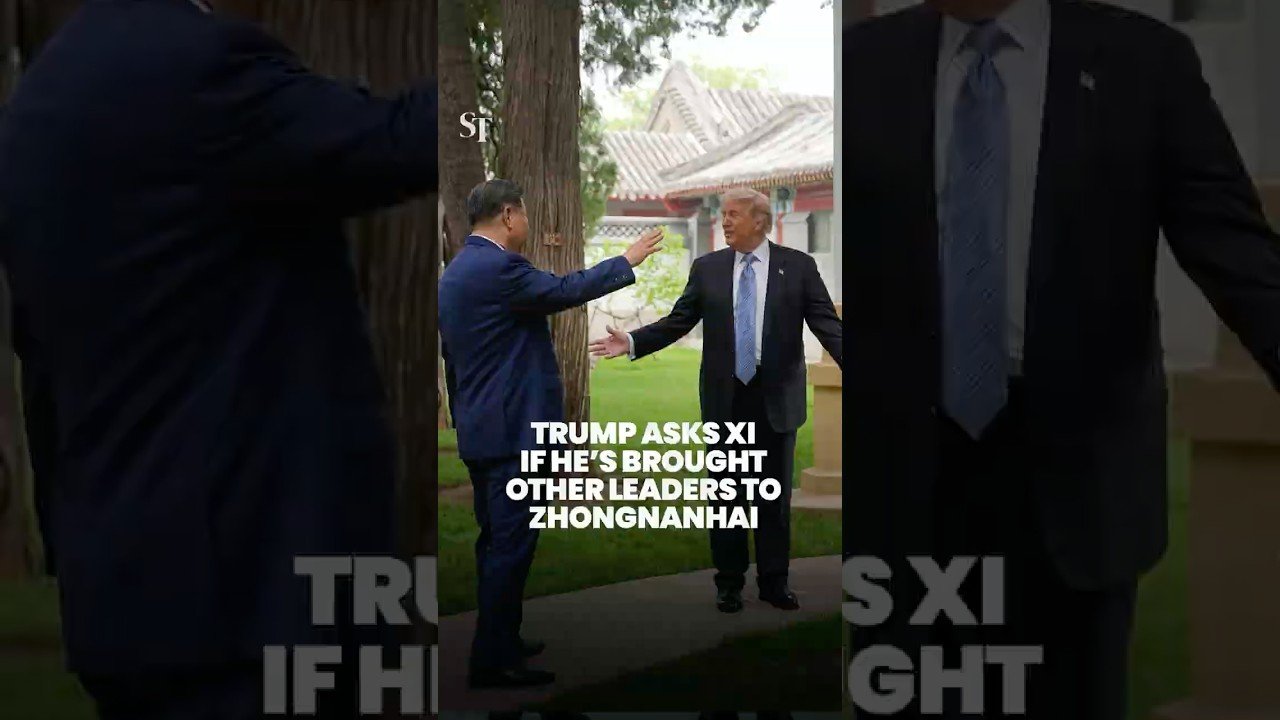
One of the most notable moments came when Xi Jinping personally escorted Trump to the Temple of Heaven, followed by a rare visit to Zhongnanhai, the heavily guarded leadership compound where China’s top Communist Party officials live and work.
During the visit, Trump reportedly asked who else had been taken to Zhongnanhai before, a comment that reflected both his fascination with the venue’s exclusivity and the symbolic weight Beijing attached to the gesture. The moment added a more personal note to an otherwise tightly controlled summit.
Trump and Xi also took a walk through the gardens, where Trump admired the roses. Xi responded by offering to send rose seeds to the White House, a small but memorable detail that captured the carefully staged tone of the trip.
The visit also included a state dinner at the Great Hall of the People, where Xi hosted Trump and members of the US delegation for an elaborate banquet. The menu blended Chinese and Western dishes, underscoring the effort to combine ceremony with symbolism.
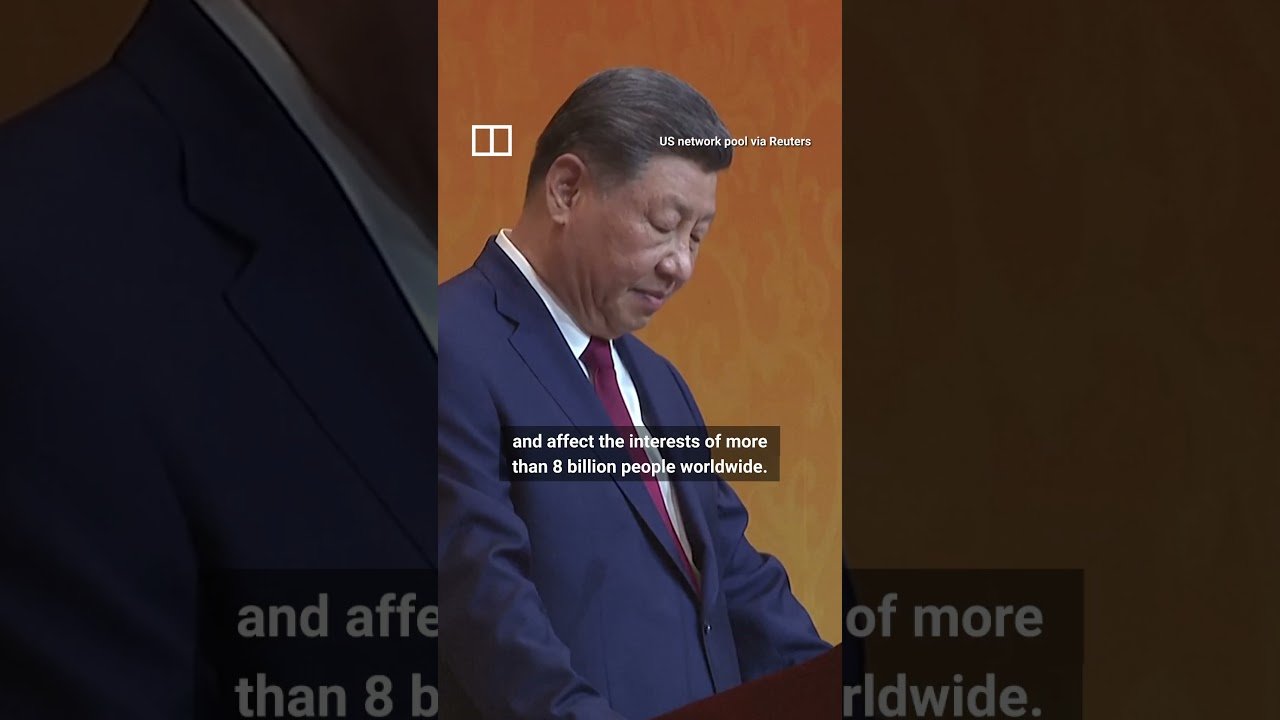
Trade and Market Access
Trump announced that China had agreed to purchase 200 Boeing aircraft and significantly increase imports of US agricultural goods, including soybeans and energy products. He also pointed to commitments worth billions of dollars annually through the end of the decade.
Chinese officials, however, described these arrangements as preliminary, with no confirmed timelines or signed contracts. Both sides agreed to explore new mechanisms — informally described as “boards” or working groups — to facilitate trade and investment, but no formal extension of the existing tariff truce was reached.
Taiwan and Regional Security
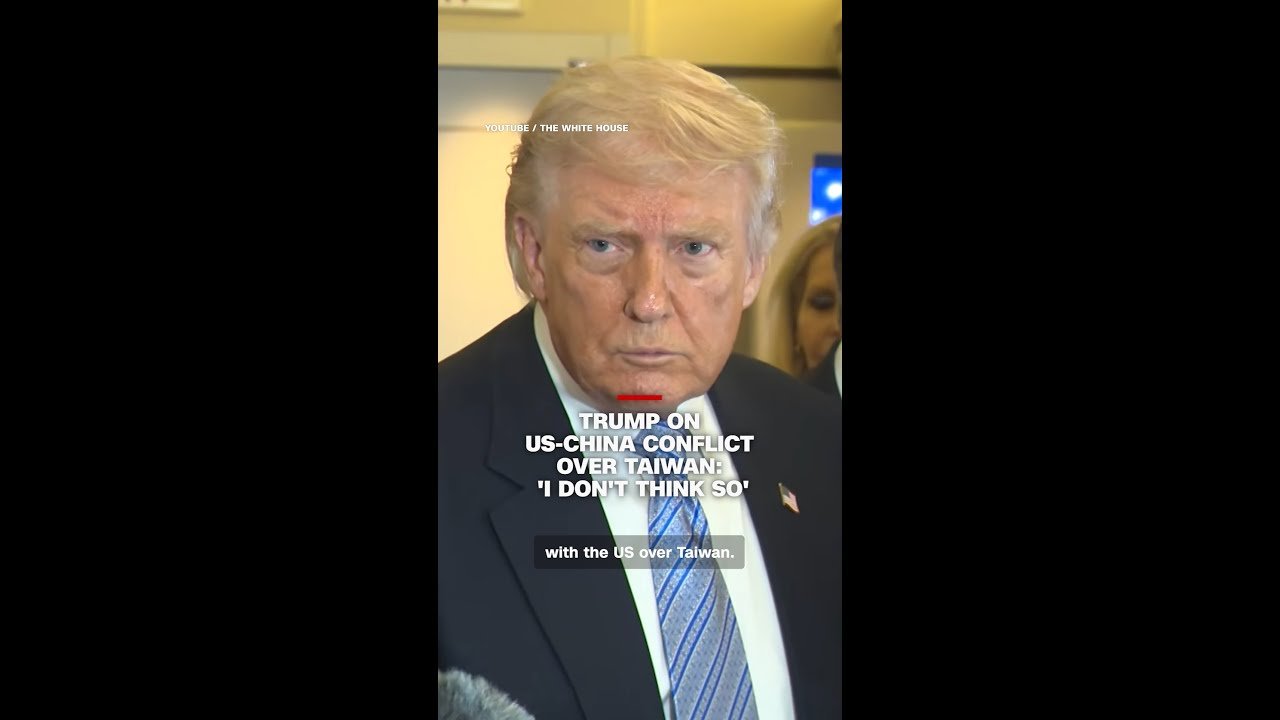
Xi reiterated that Taiwan remains China’s primary “red line”, warning that any missteps could place bilateral relations in “great jeopardy”.
Trump adopted a cautious tone, calling for de-escalation and indicating he would make a future decision on a proposed multibillion-dollar US arms sale to Taiwan. No policy shift was announced, but the issue remains a central point of strategic tension.
Iran and Energy
The talks also touched on the war involving Iran, which has added strain to global energy markets.
Trump sought Chinese cooperation in limiting support to Tehran and in preventing further instability tied to the conflict. He claimed Xi agreed not to supply military gear to Tehran, though China did not publicly alter its diplomatic stance. Both sides said Iran should not obtain nuclear weapons.
Artificial Intelligence
On artificial intelligence, the two governments agreed to begin discussions on safety guardrails aimed at preventing advanced systems from being accessed by non-state actors.
No major breakthroughs were announced on export controls for advanced semiconductors, leaving one of the most sensitive areas of US-China competition unresolved.
Looking ahead
While critics argue China outmaneuvered the administration by offering symbolic gestures rather than core policy changes, both sides agreed to establish a new vision of “constructive strategic stability”. This summit serves as the first step in a broader, year-long diplomatic framework. As a direct outcome of the talks, Trump extended an official invitation to Xi Jinping for a reciprocal state visit to the White House on 24 September 2026.
The Beijing summit also comes just before Xi Jinping is expected to host Russian President Vladimir Putin, underscoring how China continues to position itself at the center of major-power diplomacy.
For now, the Beijing visit appears to have generated strong optics and broad diplomatic engagement, but few concrete outcomes that would materially change the underlying US-China relationship.