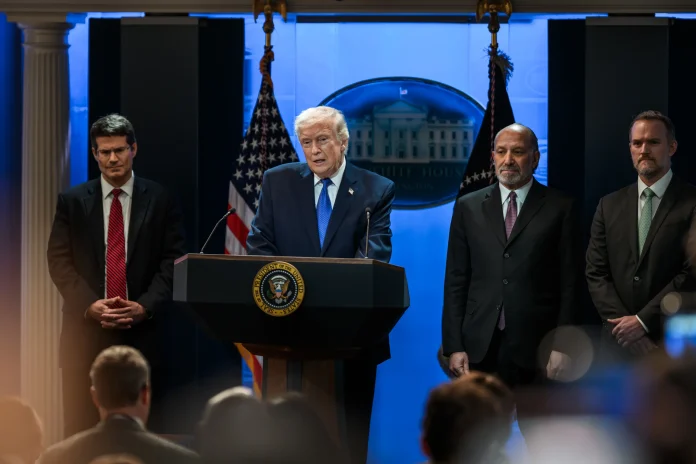
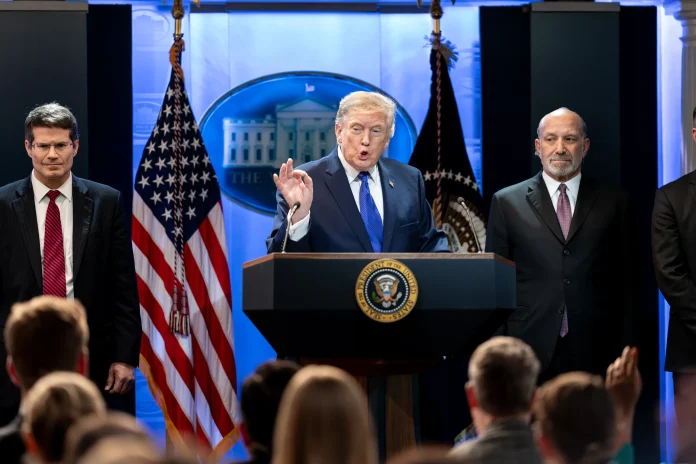
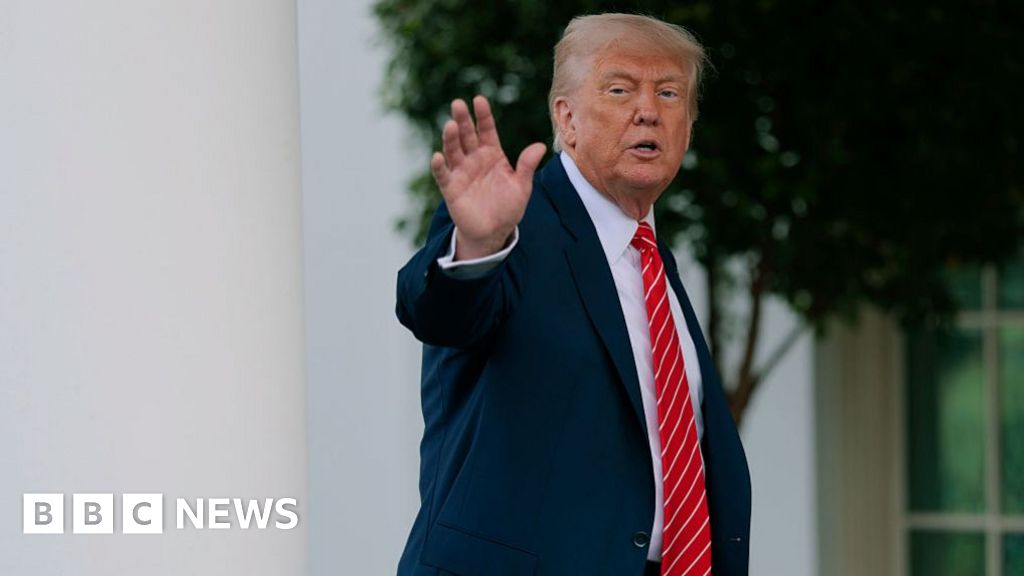
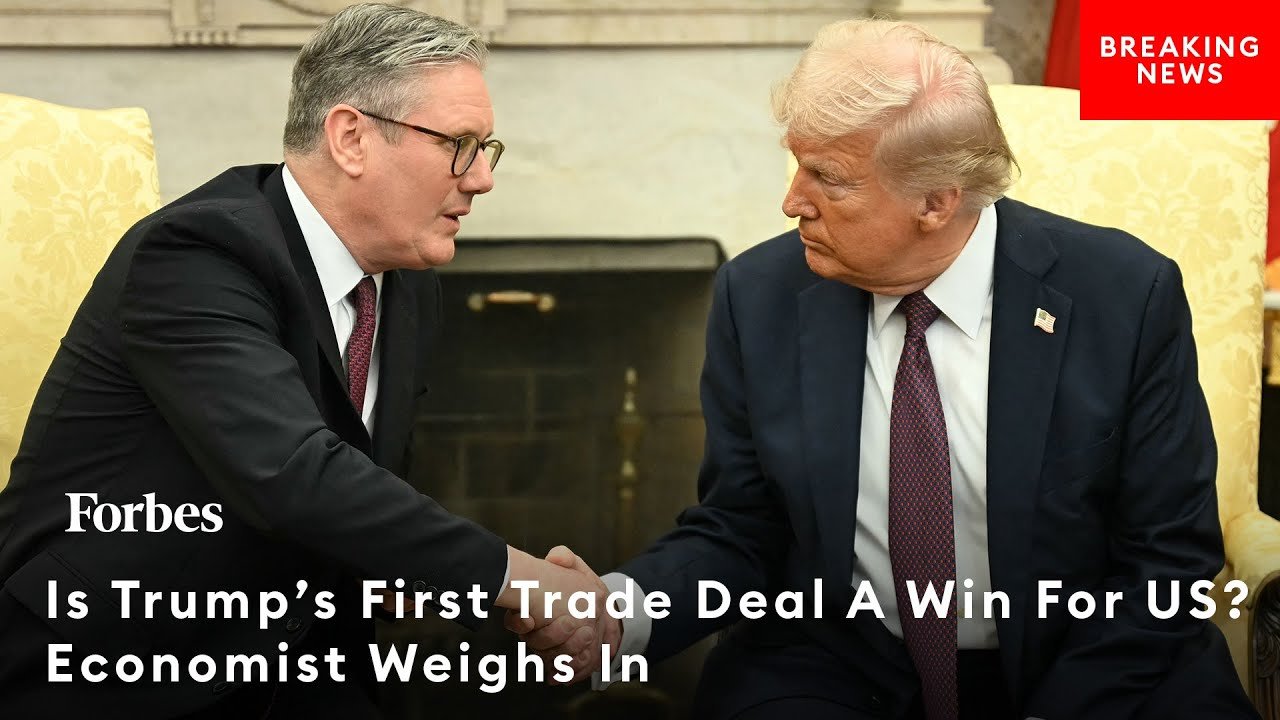
President Donald Trump and UK Prime Minister Keir Starmer announced a sweeping new trade framework on May 8, 2025, designed to reduce tariffs, expand market access, and strengthen economic ties between the world’s two largest English-speaking economies.
The Economic Prosperity Deal (EPD) establishes reciprocal trade enhancements across multiple sectors, offering relief to British automakers, aerospace companies, and pharmaceutical firms while opening UK markets to American beef and ethanol.
Tariff reductions deliver immediate relief
Under the deal, the US reduced tariffs on UK-made cars from 27.5% to 10% for an annual quota of up to 100,000 vehicles, providing significant relief for British manufacturers who had faced steep duties since Trump imposed baseline 10% tariffs in April 2025.
Tariffs on aerospace goods, including engines and aircraft parts, were eliminated entirely, benefiting both nations’ aviation industries. However, existing 25% tariffs on UK steel and aluminum remain in place while negotiations continue on a quota-based system tied to supply chain security requirements aimed at preventing transshipment through third countries like China.
In agriculture, the UK committed to providing a duty-free quota for US beef and removing tariffs on US ethanol, opening new markets for American farmers.
Tech and pharma deals follow in September, December
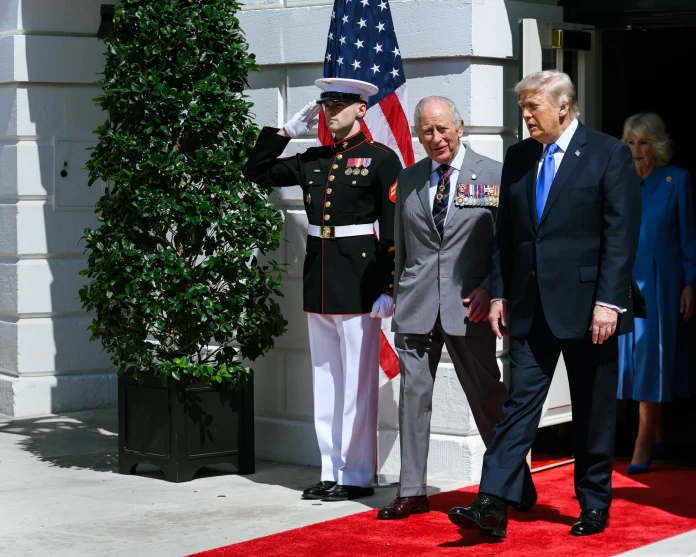
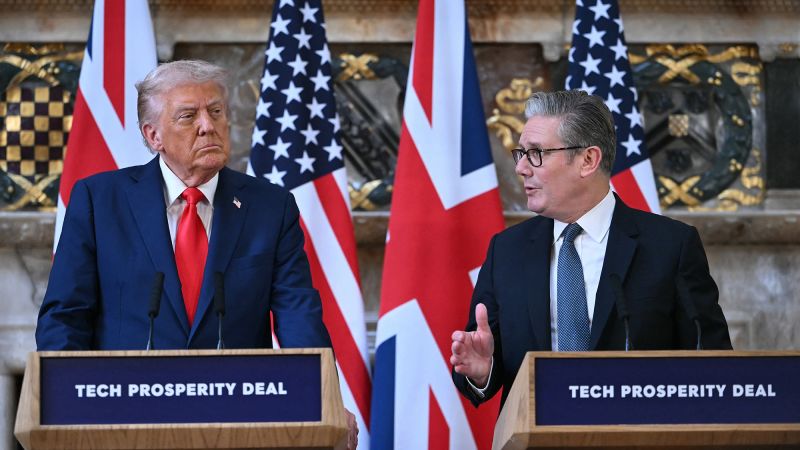
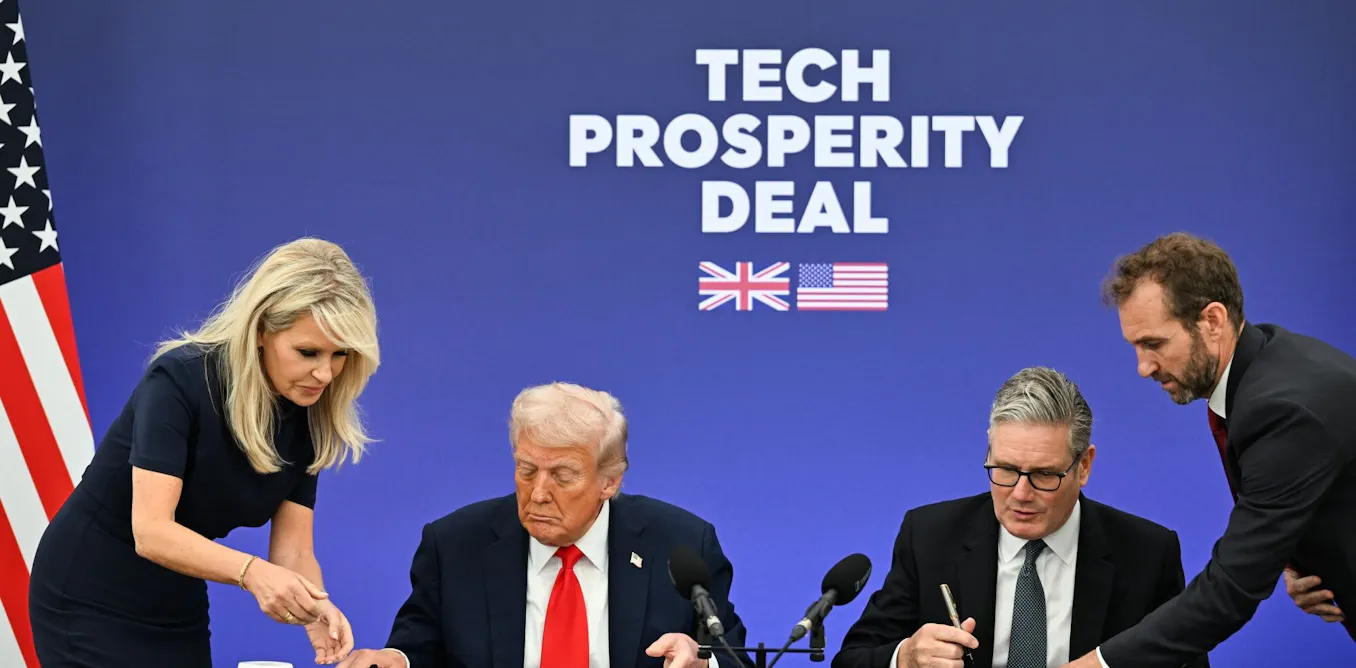
The May announcement was followed by additional agreements during Trump’s state visit in September, when both nations signed a “Tech Prosperity Deal” encompassing £250billion in cross-Atlantic investments. Blackstone and other US firms pledged £150billion into UK technology, artificial intelligence, quantum computing, and nuclear sectors, with an additional £10billion in economic pacts.
In December 2025, a separate agreement secured zero tariffs on British pharmaceutical products and medical technology. In exchange, the UK agreed to increase the price the National Health Service pays for new US medicines by 25%. The US also exempted UK pharma companies from Section 301 trade probes during Trump’s term.
The pharmaceutical deal followed threats of up to 100% US tariffs on drugs and aims to protect UK jobs while spurring American investment, including Bristol Myers Squibb’s $500million commitment to UK operations.
“Special Relationship Renewed”
“We’ve renewed the special relationship for a new era,” Starmer said at the announcement, positioning the deal as a bridge to deeper US-UK ties.
We’ve renewed the special relationship for a new era.
PM Keir Starmer on US-UK relations
Trump emphasized the historic nature of the partnership: “The bond between our countries is like no other anywhere in the world. The United States and the United Kingdom have done more good on this planet than any two nations in human history… We’re forever joined, and we are forever friends, and we will always be friends.”
The bond between our countries is like no other anywhere in the world. The United States and the United Kingdom have done more good on this planet than any two nations in human history… We’re forever joined, and we are forever friends, and we will always be friends.
US President Trump on US-UK relations
UK officials praised the deal for protecting jobs and boosting life sciences growth, while American business leaders welcomed expanded market access.
Deal faces scrutiny over limitations
Despite the high-profile announcements, the EPD has significant limitations. It is a political agreement rather than a legally binding treaty, meaning it sets a non-binding framework for future, more formal negotiations. Many details, particularly regarding the long-term status of steel and aluminum tariffs, remain under negotiation.
Some observers note that the UK’s position in the US market is less favorable than that of the EU or Japan, which have secured more comprehensive trade arrangements. The NHS drug price increase has drawn criticism from healthcare advocates who worry about rising costs for British patients.
The deal provides partial relief for specific UK industries from broad US tariffs, but critics argue the UK made significant concessions without securing comprehensive market access across all sectors.
What comes next
The Economic Prosperity Deal represents an attempt to stabilize US-UK trade relations under Trump’s America First agenda while delivering tangible economic benefits to both countries. However, the non-binding nature of the agreement and ongoing negotiations leave uncertainty about long-term trade stability.
Both governments have committed to regular consultations to implement the deal’s provisions and address emerging trade issues, with the next bilateral summit scheduled for 2026.

Read more:
The EU reaches deal with US, averting tariffs
US-China trade war reaches one-year truce
Trump declares Liberation Day in 2025